
When it comes to growing healthy roots vegetables, many gardeners make a crucial mistake: they don’t give their plants enough space to breathe. By keeping dirt with roots vegetables, you can create an ideal environment for your plants to thrive. But what exactly does this mean? Simply put, it involves leaving some of the soil intact when harvesting, rather than digging up the entire root system. This might seem counterintuitive, but trust us, it’s a game-changer. Not only does it promote better plant health and growth, but it also eliminates the need for transplants or complicated propagation methods.
In this article, we’ll share expert tips on how to choose the right containers for your roots vegetables, troubleshoot common issues that arise when keeping dirt with roots, and show you exactly why this simple practice can boost your plant’s overall health and growth.
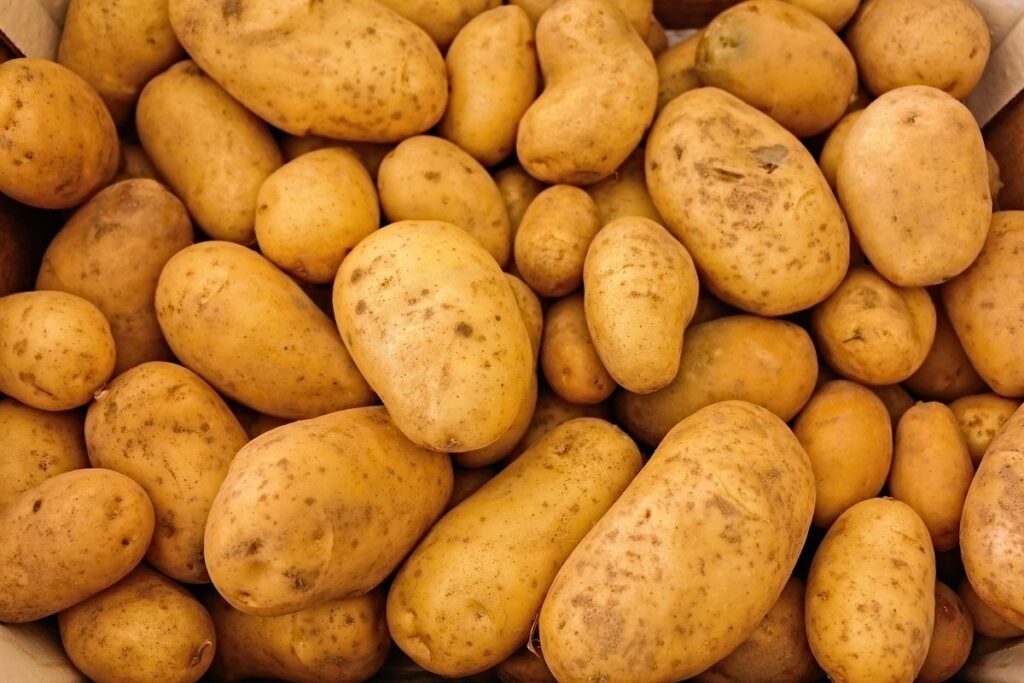
Benefits of Keeping Dirt with Roots Vegetables
When you keep dirt with roots vegetables, it may seem old-fashioned, but trust us, there are some real benefits to doing so – like longer shelf life and better flavor.
Why It Matters for Plant Health
When you keep dirt with roots vegetables, it’s not just about aesthetics; it’s essential for maintaining plant health. This practice may seem simple, but it plays a crucial role in preventing shock and reducing water consumption.
When you separate the roots from the soil, the plant experiences stress, which can weaken its immune system and make it more susceptible to disease. By keeping the dirt intact, you help the plant’s root system maintain its delicate balance of moisture and nutrients. This prevents shock, which is often a precursor to more severe problems.
Scientifically, the roots of plants are designed to function as an interface between the soil and the rest of the plant. When they’re exposed, they can’t regulate water intake effectively, leading to overwatering or underwatering issues. By keeping the dirt with the roots, you enable the plant to absorb water and nutrients more efficiently.
In practice, this means that when handling root vegetables like beets, carrots, or sweet potatoes, try not to wash off all the soil before storing them in your fridge. Leaving a thin layer of dirt on the roots can make a significant difference in maintaining their freshness and quality over time.
Common Problems Caused by Separating Roots from Soil
Separating roots from soil can have devastating effects on vegetables. One of the most noticeable issues is a reduced growth rate. When roots are severed, they struggle to absorb essential nutrients and water, leading to stunted growth. For example, if you separate the roots of a carrot, it may take longer to mature or may not reach its full potential size.
Another problem caused by separating roots from soil is increased susceptibility to disease. Roots play a crucial role in defending against pathogens and fungi that can harm vegetables. Without their protective functions, roots become more vulnerable to infections. For instance, if you separate the roots of a beetroot, it’s more likely to develop root rot or other diseases.
Water uptake efficiency also decreases when roots are separated from soil. Roots are responsible for absorbing water and nutrients from the surrounding soil. When severed, they can’t perform this function effectively, leading to dehydration and nutrient deficiencies in the vegetable. To avoid these issues, handle vegetables gently while harvesting or repotting them, and make sure not to damage their roots.
Preparing Your Garden for Successful Root-Soil Interaction
To have a thriving garden, it’s essential that you prepare your soil properly to support healthy root-soil interaction, which we’ll dive into next. Let’s get started on this crucial step!
Choosing the Right Container or Planter
When selecting a container or planter for keeping dirt with roots vegetables, several factors come into play to ensure optimal growth and health. Start by considering the material of the container. Plastic, wood, or ceramic planters are popular options, but keep in mind that plastic may retain heat and dry out your soil quickly, while wood can be prone to rot if not properly treated.
Choose a size that suits the mature height and spread of your vegetable variety, leaving enough room for growth and air circulation. Adequate drainage is crucial to prevent waterlogged soil, which can lead to root rot. Look for planters with built-in drainage holes or consider adding a layer of small rocks at the bottom for improved airflow.
Aeration is also essential, especially for vegetables like carrots and beets that prefer well-draining, loose soil. Avoid using containers that are too deep or have narrow necks, as this can create anaerobic conditions and stunt root growth. Consider planters with wide mouths or shallow depths to promote healthy aeration and root development.
Soil Mixes: A Balance of Nutrients and Structure
When it comes to creating an ideal environment for vegetables with roots, a well-balanced soil mix is essential. A good soil mix should strike a perfect balance between providing the necessary nutrients and maintaining the right structure for optimal growth.
The nutrient content of the soil is critical for healthy root development. Vegetables like carrots, beets, and turnips require a balanced mix of nitrogen (N), phosphorus (P), and potassium (K). A general-purpose potting soil typically contains these essential macronutrients, but it’s always best to check the label or consult with local nurseries for specific recommendations.
Maintaining an optimal pH level is equally important as nutrient content. Most vegetables prefer a slightly acidic to neutral soil pH between 6.0 and 7.0. If your garden’s soil has a high pH level, you may need to add sulfur or peat moss to bring it down. Conversely, if the pH is too low, adding lime will correct the issue.
The structure of the soil also plays a significant role in root development. A mix with a balance of sand, silt, and clay allows roots to grow freely without becoming waterlogged. You can create your own custom blend using these components or buy a pre-mixed potting soil from a reputable supplier.
Techniques for Keeping Dirt with Roots Vegetables
When storing vegetables with roots, it’s essential to keep them clean and dry to prevent rotting. This section will cover some practical techniques to help you keep your dirt-covered veggies fresh for longer.
Watering Strategies to Prevent Over-Watering
When it comes to keeping dirt with roots vegetables, proper watering is crucial. Over-watering can lead to a host of problems, including root rot and an increased risk of pests and diseases. To avoid this, it’s essential to establish a consistent watering schedule that takes into account the specific needs of your plants.
Start by monitoring the soil moisture regularly. Stick your finger into the soil up to the first knuckle, and if the soil feels dry, it’s time to water. Watering deeply but infrequently encourages deep root growth, making your plants more resilient. On the other hand, frequent shallow watering can lead to weak roots that are more susceptible to damage.
To adjust your watering schedule accordingly, consider factors such as temperature, humidity, and sunlight exposure. For example, if you live in a hot and dry climate, you may need to water more frequently. Conversely, in cooler or more humid environments, you may be able to get away with less frequent watering.
Mulching and Cover Cropping: Additional Support for Healthy Soil
Mulching and cover cropping are two essential techniques for maintaining a healthy root-soil environment. By incorporating these methods into your garden routine, you can create an ideal environment for roots vegetables to thrive.
Mulching helps suppress weeds by blocking light from reaching them, preventing their growth and reducing competition for water and nutrients. Organic mulch materials like wood chips or straw also improve soil structure over time by breaking down into humus and increasing the soil’s water-holding capacity. This allows roots to grow deeper and more extensive, leading to better nutrient uptake.
Cover cropping takes this concept a step further by planting specific crops between growing seasons. These crops can help fix nitrogen in the soil, reduce erosion, and attract beneficial insects that prey on pests. For example, clover cover crops are known for their ability to add nitrogen to the soil, while winter rye helps prevent soil compaction.
To implement these techniques effectively, choose a mix of mulch materials or cover crop species tailored to your specific climate and soil type. Regularly replenish mulch layers as they break down, and consider incorporating living mulches like creeping thyme into your garden design for added benefits.
Special Considerations for Specific Vegetables
When it comes to storing dirt with roots, different veggies have unique needs – let’s break down how to handle specific varieties, like beets and carrots.
Leafy Greens and Brassicas: Delicate Root Systems
Leafy greens like lettuce, kale, and spinach have delicate root systems that are easily disturbed by excessive soil manipulation. Brassicas such as broccoli, cauliflower, and cabbage also fall into this category. When it comes to these vegetables, it’s essential to exercise extra care when handling their roots.
To minimize root damage, gently lift the plants from the soil using a fork or your fingers, working slowly around the base of the plant. This will help prevent compacting the surrounding soil, which can cause roots to become constricted. Also, be mindful of the soil depth – leafy greens typically require about 6-8 inches of loose, well-draining soil.
Another critical consideration is avoiding over-tightening of soil around the roots. When transplanting or repotting these vegetables, use a gentle touch to fill in gaps and avoid compacting the soil. This will give the delicate roots room to breathe and develop without becoming waterlogged or constricted. By taking these precautions, you can help ensure healthy growth and optimal flavor for your leafy greens and brassicas.
Root Vegetables like Carrots and Beets: Deep-Rooted Requirements
When it comes to growing deeper-rooted vegetables like carrots and beets, their unique requirements demand attention. Unlike shallow-rooted veggies, these root wonders need more space to stretch out and develop strong taproots.
First and foremost, choose a container that’s at least 6-8 inches deep to accommodate the carrot or beet’s extensive roots. A larger pot size will give them room to grow without becoming waterlogged or tangled. Make sure the pot has good drainage holes to prevent water from accumulating at the bottom – this is crucial for root vegetables.
When selecting a soil mix, opt for one that’s specifically designed for deep-rooted plants. This blend should contain perlite or vermiculite, which will help maintain excellent drainage and prevent compacting around the roots.
Support structures can also make a significant difference in these veggie’s growth. For example, you can place rocks near the base of your beets to provide stability and prevent them from toppling over. Similarly, carrots benefit from a trellis or stake for added support – this will encourage straighter growth and reduce the risk of breakage during harvest. By paying attention to these specific needs, you’ll be rewarded with robust, healthy roots that are perfect for snacking, cooking, or storing.
Troubleshooting Common Issues with Dirt and Roots
We’ve all been there: a batch of wilted lettuce or a sad, brown onion. Let’s tackle some common problems that can arise when working with dirt-and-root vegetables.
Identifying Signs of Root Disturbance or Damage
When you notice that your dirt with roots vegetables are not thriving as expected, it’s essential to check for signs of root disturbance or damage. Visual inspection is a great place to start. Look out for stunted growth – if the plant appears smaller than usual and hasn’t grown much in recent weeks, it could be due to issues with its roots.
Discoloration is another giveaway; examine the leaves and stems for unusual colors like yellowing, browning, or blackening. These changes can indicate that something’s amiss below ground level. Weakened stem development might also suggest root problems – check if your plants’ stalks are thinning out or becoming brittle.
If you’ve had your vegetables in the same container for a while, it’s possible that their roots have become entangled and are now competing for resources. This can lead to stunted growth, discoloration, or weakened stems. Regularly inspecting your plants for signs of root disturbance will allow you to catch issues early on and make necessary adjustments.
Resolving Soil Compaction and Poor Drainage Problems
Soil compaction and poor drainage can be major problems for vegetables with roots, causing them to become waterlogged, rot, or even die. If you notice that the soil is becoming too dense or water isn’t draining properly, it’s essential to address these issues before they cause further damage.
One of the simplest solutions is to repot your vegetable in a container with better drainage holes. This will prevent water from accumulating at the roots and reduce the risk of root rot. When repotting, choose a pot that is only slightly larger than the previous one to avoid over-watering.
Adjusting your watering schedule can also help alleviate poor drainage issues. Overwatering is often the culprit behind soil compaction and poor drainage. Check the soil regularly by inserting your finger into it – if it feels wet or water runs out quickly, wait a few days before watering again.
Long-Term Strategies for Healthy Root-Soil Interaction
To cultivate thriving vegetables, it’s essential to develop long-term strategies that promote a healthy interaction between your roots and soil. This includes optimizing drainage, adjusting pH levels, and introducing beneficial microbes.
Building a Sustainable Garden Ecosystem
When building a sustainable garden ecosystem, it’s essential to adopt long-term strategies that foster a balanced environment. This means creating a space where plants, soil, and beneficial organisms coexist harmoniously.
Maintaining biodiversity is key to achieving this balance. Incorporate a variety of plants with different growth habits, flowering times, and pest resistance into your garden. This diversity will attract a range of pollinators, such as bees and butterflies, which are essential for plant reproduction. Consider adding native plants or those that provide beneficial insects like ladybugs or lacewings.
Natural pest control methods can also be employed to minimize the need for chemical pesticides. For example, introducing beneficial nematodes can help control grubs and other soil-dwelling pests. Planting marigolds or basil can repel nematodes, while chives and garlic deter aphids.
Composting kitchen waste is another crucial step in promoting a balanced ecosystem. Nutrient cycling occurs when organic matter decomposes and releases essential nutrients back into the soil. This process enriches the soil’s structure and fertility, supporting healthy root development. To start composting, collect fruit and vegetable scraps, coffee grounds, and tea bags. Mix these materials with carbon-rich materials like leaves or straw to create a balanced pile.
By implementing these strategies, you’ll be well on your way to creating a thriving garden ecosystem that supports the health of both plants and soil.
Frequently Asked Questions
Can I still use potting mix if I want to keep dirt with roots vegetables?
Yes, you can definitely use potting mixes specifically designed for root vegetables when trying to keep dirt with roots. However, it’s essential to choose a mix that retains moisture and structure while preventing waterlogged soil conditions.
How do I know if my plants are experiencing stress due to separating the roots from the soil?
Signs of root disturbance or damage can include yellowing leaves, stunted growth, and increased susceptibility to pests and diseases. Monitor your plant’s health closely, and if you notice any unusual changes, it may be a sign that keeping the dirt with roots is necessary for their well-being.
Can I grow leafy greens like lettuce in containers using this method?
Yes, leafy greens can benefit significantly from being grown in containers where some soil remains intact. This approach helps maintain moisture levels and prevents over-watering, which can lead to rotting or other issues common with these delicate root systems.
How often should I water my roots vegetables when keeping the dirt intact?
It’s crucial to monitor your plants’ watering needs carefully, as excessive moisture can be detrimental even if you’re keeping some soil attached. Aim for consistent moisture levels and adjust your watering schedule according to weather conditions and plant growth stages.
What type of containers are best suited for growing root vegetables while maintaining the soil-dirt connection?
When choosing containers, look for materials that allow for good drainage (like terracotta or ceramic pots) and ensure they have sufficient depth to accommodate the roots’ spread without becoming waterlogged. Consider using containers with built-in water reservoirs for efficient irrigation management.
Can I transplant a root vegetable from soil where I didn’t keep dirt intact, into a new container where this method is used?
Transplanting can still be done, but it’s essential to handle the roots gently and minimize disturbance as much as possible. This will help reduce stress on the plant and allow it to recover better in its new environment with some attached soil.