
As a gardener, there’s nothing more frustrating than watching your hard work get devoured by deer. These beautiful creatures can be a delight to watch, but they can also be a major nuisance when it comes to protecting your garden. Deer damage is a common problem for many gardeners, causing thousands of dollars in losses every year. But don’t worry, there’s hope! With the right strategies and techniques, you can keep deer out of your garden and enjoy the fruits of your labor without worrying about those pesky critters. In this comprehensive guide, we’ll show you how to use physical barriers, repellents, and plant selection strategies to protect your garden from deer damage, so you can grow the beautiful flowers and delicious vegetables you love.
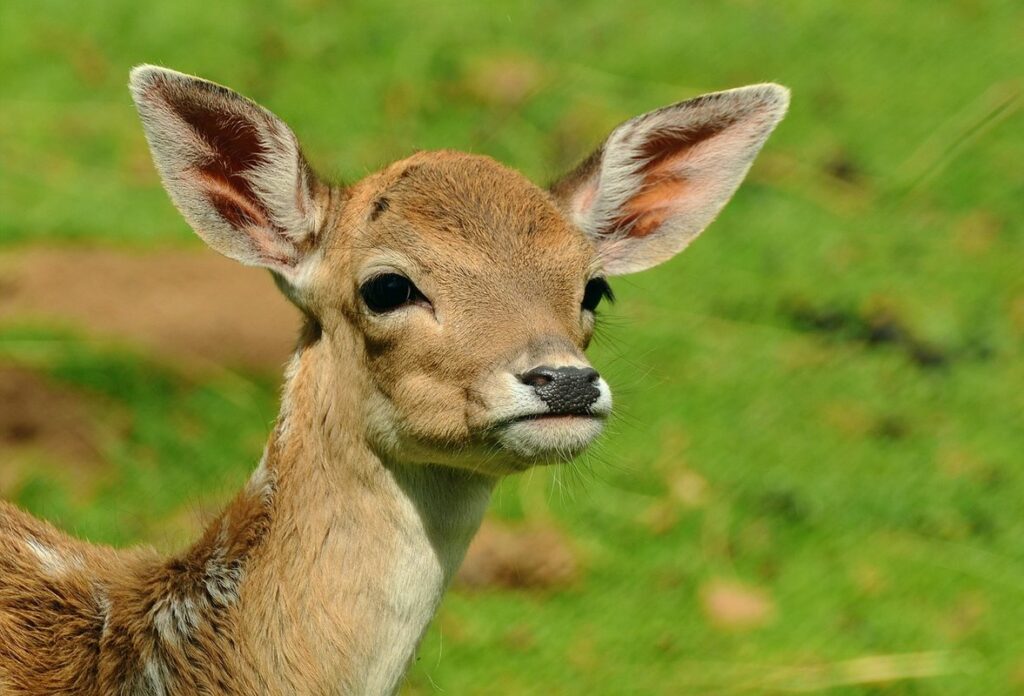
Understanding Deer Behavior and Habitat
To effectively keep deer out of your garden, it’s essential to understand their behavior patterns and what drives them to feed on plants. Let’s explore how they choose habitats and interact with their surroundings.
What Attracts Deer to Gardens
Deer are drawn to gardens by three primary attractions: food sources, water, and shelter. Understanding these factors can help you anticipate their visits and take proactive measures to keep them away.
Favorite plants and vegetables of deer include tender shoots, leaves, and fruits. These animals particularly enjoy feeding on lush greenery, especially during the spring and summer months when plant growth is at its peak. Some common garden plants that are highly appealing to deer include hostas, daylilies, azalea, and rhododendron. They also relish vegetables like lettuce, spinach, carrots, and beans.
In addition to food sources, deer require water for survival. If your garden has a pond or birdbath, it’s likely to become an attractive spot for these animals during hot summer days. Deer may even visit your garden just for the sake of drinking from your water source.
To deter deer from visiting your garden, consider replacing their favorite plants with deer-resistant alternatives. Planting native flowers and shrubs that are less appealing to deer can also help.
Identifying Signs of Deer Activity in Your Garden
Deer can be quite subtle in their approach to gardens, but there are telltale signs of their activity that you should look out for. The most obvious indicator is physical damage to plants. Look for chewed leaves, broken stems, and trampled plants – these are all clear signs that deer have been visiting your garden.
Deer tend to favor areas with dense vegetation, especially if it’s a combination of shrubs and trees. They’re also drawn to gardens with berry-producing plants like azaleas, rhododendrons, and dogwoods. To identify areas where deer are most active, pay attention to the types of plants they target.
Keep an eye out for these signs in different parts of your garden:
• Chewed leaves on shrubs and perennials
• Broken stems or snapped branches
• Trampled plants, especially near food sources like berry bushes
By recognizing these signs, you can take proactive steps to protect your garden from deer damage. This might include using physical barriers, repellents, or modifying plant choices to make them less appealing to deer.
Assessing Your Garden’s Vulnerability
Before you start deploying deer-deterrent strategies, it’s essential to assess your garden’s vulnerability and identify areas where deer are most likely to cause damage. This involves understanding their behavior and preferences.
Evaluating Plant Susceptibility to Deer Damage
When evaluating plant susceptibility to deer damage, it’s essential to understand what makes certain plants attractive to these browsers. Deer tend to feed on leaves, flowers, and fruit, so it’s crucial to identify which plants fall into these categories.
Some plants are naturally more palatable to deer due to their high nutrient content or soft texture. For example, tender shoots of new growth on perennials like hostas, daylilies, and coneflowers can be particularly appealing to deer. Similarly, flowering plants with fragrant blooms, such as lavender and rosemary, may also attract deer.
Fruit-bearing plants are another high-risk group for deer damage. Plants like apple trees, blueberry bushes, and raspberry canes provide a tempting source of food for deer. If you’re planning to plant these species in your garden, consider using deterrents or physical barriers to protect them from deer damage.
Keep in mind that even if your plants are not preferred by deer, they may still be vulnerable to browsing if other sources of food are scarce. Regular monitoring and maintenance can help identify areas where deer are targeting specific plants.
Measuring the Size of the Problem: Estimating Deer Population and Activity Levels
To effectively deter deer from your garden, it’s essential to understand the scale of the problem. Estimating the size of your local deer population and their activity levels will help you develop a targeted strategy.
Start by observing the types of plants that are being consumed by deer in your area. Take note of which species, ages, and sizes of plants are most vulnerable. This information will give you an idea of what attracts deer to your garden. Next, consider conducting a visual survey of your property during peak deer activity hours (dawn and dusk). Look for signs like tracks, scat, or rubs on trees.
You can also contact local wildlife management agencies or park rangers for information on deer populations in your area. They may be able to provide you with estimates of the number of deer per square mile. By gathering this data, you’ll have a better understanding of the size of the problem and can begin planning your deer-deterrent measures accordingly.
Remember that accuracy is key when estimating deer population and activity levels. Consider using camera traps or motion-activated cameras to capture evidence of deer on your property. This will help you create a more accurate picture of what’s happening in your garden, allowing you to make informed decisions about how to keep deer out.
Physical Barriers to Keep Deer Out
If you’ve tried other methods to keep deer out, it’s time to consider physical barriers that can block their access to your garden and protect your precious plants. We’ll explore some effective options for fencing and other deterrents.
Fencing Options for Deer-Proofing Your Garden
When it comes to choosing the right fencing material for deer-proofing your garden, you have several options. One popular choice is wood fencing, which can be an attractive and cost-effective option. However, it’s essential to note that deer can easily jump over a 6-foot high wooden fence, so consider installing a double row of fencing or using electric fencing to deter them.
Metal fencing is another option, but it can be more expensive than wood. Nevertheless, its rigidity and strength make it an excellent choice for areas with high deer activity. To maximize its effectiveness, ensure the metal mesh is at least 8 feet tall and has openings of no larger than 1 inch.
Netting is also a viable option, especially for smaller gardens or specific plants you want to protect. You can drape netting over trellises or install it around individual plants. Deer find the texture and material of netting unpalatable, making it an effective deterrent. When using netting, ensure it’s tightly secured to prevent deer from pushing through gaps.
Consider installing fencing at least 3 feet below ground level to prevent deer from digging underneath. Also, think about incorporating a gate that can be locked or weighted down to prevent accidental opening by strong-willed deer.
Installing Motion-Activated Sprinklers and Other Deterrents
Installing motion-activated sprinklers and other deterrents can be an effective way to scare deer away from your garden. These devices work on the principle of startling the deer with a sudden burst of water, noise, or light, which helps to deter them from approaching your plants.
To install motion-activated sprinklers, start by choosing the right location for the device. Ideally, it should be placed near the area where you want to protect, such as around the perimeter of your garden bed. Next, follow the manufacturer’s instructions to assemble and set up the device. Make sure to adjust the sensitivity setting according to the size of your garden and the number of deer that frequent the area.
Other deterrents like ultrasonic repellent devices and strobe lights can also be used in conjunction with motion-activated sprinklers. These devices emit high-frequency sounds or flashing lights that are unappealing to deer, helping to keep them away from your garden. Remember to place these devices strategically around the perimeter of your garden to maximize their effectiveness.
It’s essential to test and adjust these devices regularly to ensure they’re working optimally. This might involve adjusting the sensitivity settings or repositioning the devices as needed. With proper installation and maintenance, motion-activated sprinklers and other deterrents can be a valuable addition to your deer-deterrent arsenal.
Repellents and Scare Devices
If you’re looking for a more proactive approach, let’s explore some effective repellents and scare devices that can help deter deer from your garden. These can be especially useful if you have trouble finding a reliable fence solution.
Homemade Deer Repellents Using Natural Ingredients
When it comes to keeping deer out of your garden using natural ingredients, homemade repellents are a great option. These can be just as effective as commercial products and offer the added benefit of being environmentally friendly.
One simple recipe for a hot pepper spray uses one diced jalapeño pepper, 1 cup of water, and 2 tablespoons of mild dish soap. Blend the mixture until smooth and let it sit for 24 hours before straining out any solids. Spray the solution around plants to deter deer.
Another option is to use garlic as a repellent. Mix four cloves of minced garlic with one quart of water and add 2 tablespoons of hot sauce (like Tabasco). Let this mixture steep in the sun for at least an hour before straining it out and spraying the area where you want to keep deer away.
Remember to reapply these homemade repellents every few days, especially after rainfall or when new growth appears on your plants. This will ensure their effectiveness in keeping deer from feeding on your garden.
Store-Bought Repellents: Effectiveness and Safety Considerations
When it comes to keeping deer out of your garden, store-bought repellents can be a convenient option. These products often contain ingredients like hot peppers, garlic, and predator urine that are meant to deter deer from feeding on your plants.
While some gardeners swear by commercial repellents, their effectiveness can vary depending on several factors, including the type of product used, the level of concentration, and the frequency of application. Research has shown that the success rate of repellents can be as low as 20-30% in certain studies, which is why it’s essential to consider multiple methods for deer control.
When using store-bought repellents, safety considerations come into play. Some products may contain harsh chemicals or strong-smelling ingredients that can harm pets, children, or even beneficial wildlife. Always read the label carefully and follow instructions for application and reapplication. It’s also crucial to test a small area of your garden before applying a large quantity of repellent to ensure you’re not causing any unintended damage.
Some popular store-bought repellents include those containing capsaicin (the active ingredient in chili peppers) or predator urine, such as coyote or fox urine. While these products may provide some level of deer deterrence, it’s essential to remember that repeated applications and high concentrations may be necessary for optimal results.
Plant Selection and Design
When choosing plants for your deer-resistant garden, it’s essential to consider their species, growth habits, and natural defense mechanisms that deter deer from feeding on them. This selection sets the foundation for a successful deer-deterrent design.
Deer-Resistant Plants for Your Garden
When selecting plants for your garden, it’s essential to choose deer-resistant varieties to minimize damage and maintain a healthy ecosystem. Deer tend to prefer plants with tender shoots, leaves, and flowers that are rich in nutrients. However, there are numerous plant species that deer tend to avoid.
Some of the most effective deer-resistant plants include:
* Boxwood (Buxus sempervirens) – This evergreen shrub is a popular choice for hedges and topiaries, as it’s unappealing to deer.
* Lavender (Lavandula spp.) – Deer dislike the strong scent and taste of lavender, making it an excellent option for borders and containers.
* Daffodil (Narcissus pseudonarcissus) – These bulbs are toxic to deer, so they tend to avoid areas with daffodils.
When selecting deer-resistant plants, consider incorporating a mix of species with different growth habits and textures. This will make your garden less appealing to deer, who prefer uniform and abundant food sources. By choosing the right plants for your garden, you can create a more resilient ecosystem that coexists peacefully with wildlife.
Garden Design Strategies to Minimize Damage
When designing your garden with deer control in mind, it’s essential to minimize areas of high food value. Deer are attracted to lush vegetation, fruits, and flowers, so strategically placing plants that are less desirable can help deter them from visiting your garden.
Start by grouping plants into four categories: attractive, tolerable, repellent, and deer-proof. Attractive plants like roses, lavender, and apple trees are high-value food sources for deer and should be placed in secure locations or away from main garden areas. Tolerable plants like hostas and ferns can still be damaged by deer but are less preferred; they’re suitable for areas where you don’t mind some browsing.
Repellent plants like daffodils, garlic, and hot peppers can help deter deer without being toxic to them. Plant these strategically around the perimeter of your garden or in areas where you’ve noticed deer activity. Deer-proof plants like boxwood and yew are low-maintenance and less appealing to deer; use them as hedges or borders to protect sensitive areas.
By thoughtfully designing your garden with these categories in mind, you can reduce the risk of deer damage and create a more deer-resistant landscape.
Long-Term Solutions and Maintenance
To effectively keep deer out of your garden long-term, you’ll want to focus on preventative measures that are easy to maintain over time. These solutions will protect your plants year after year.
Regular Monitoring and Maintenance for Deer-Proofing Success
Regular monitoring and maintenance are crucial components of a successful deer-proofing strategy. It’s essential to remain vigilant and proactive in protecting your garden from these persistent visitors. A one-time effort is not enough; you must commit to ongoing care to keep deer out.
As plants grow, new areas may become vulnerable to deer browsing. Regularly inspect your garden for signs of damage or nibbling. Look for chewed leaves, broken stems, and scratched bark – all indicators that deer are still present. Keep an eye out for any weak points in your fencing or barriers, such as holes or gaps.
To stay ahead of the game, schedule regular maintenance tasks into your calendar. Set aside time each week to inspect and repair any damage. Prune shrubs and trees to maintain a neat, deer-resistant landscape. By combining these strategies with your initial deer-proofing efforts, you’ll create a comprehensive defense system that keeps your garden safe from deer for years to come.
By investing time and effort into regular monitoring and maintenance, you can enjoy the beauty of your garden without worrying about unwanted visitors.
Considerations for Large or Commercial Gardens
When it comes to large or commercial gardens, keeping deer out requires a more extensive and comprehensive approach. A single, shallow barrier may not be enough to deter these agile creatures, so you’ll need to think on a larger scale.
First, assess the perimeter of your garden: are there any weak points in the fencing that could let deer slip through? Consider installing higher fences – at least 8 feet tall – or using electric fencing to make it more difficult for them to climb over. It’s also essential to ensure that all gates are secure and locked when not in use.
Another crucial aspect is vegetation management. Deer are attracted to lush vegetation, so consider removing or trimming any food sources within a 10-foot radius of your fence. This may involve removing trees, shrubs, or other plants that deer love to feed on.
Additionally, you can try using repellents and deterrents like sprinkler systems that startle deer when they trigger them, or even planting deer-resistant species in areas where deer are likely to congregate. By combining these methods and taking a multi-faceted approach, you’ll be better equipped to protect your large garden from these persistent visitors.
Frequently Asked Questions
Can I use a combination of physical barriers, repellents, and plant selection strategies for maximum deer protection?
You can definitely combine different methods to create a robust deer-proofing strategy. For example, installing a fence while also using repellents and selecting deer-resistant plants can provide long-term protection for your garden. However, consider the effectiveness and practicality of each method before combining them.
How do I know if my homemade deer repellent is working effectively?
To evaluate the success of your homemade repellent, observe the number of deer visits to your garden over a specific period. Compare this data with a baseline measurement taken before using the repellent. If you notice a significant reduction in deer activity, it’s likely that your repellent is effective.
Can I use store-bought repellents if I have pets or other animals in my yard?
Yes, many store-bought repellents are pet-friendly and safe for use around other animals. However, always read the product label carefully to ensure the ingredients won’t harm your pets. It’s also essential to follow application instructions and take necessary precautions.
How do I maintain my physical barriers (e.g., fencing) over time?
Regular maintenance is crucial to keeping deer out of your garden. Inspect your fences annually for damage, wear, or gaps that may have developed since installation. Repair or replace damaged sections promptly to prevent deer from finding a weak spot in your defense.
Can I use a single type of repellent throughout the entire gardening season?
No, deer behavior and preferences can change over time due to various factors like weather conditions, food availability, and population dynamics. Rotate different types of repellents periodically (e.g., every 1-2 months) to keep deer from adapting to your deterrents.