
The holiday season is in full swing, but let’s face it: nothing spoils the magic faster than a wilted Christmas tree. A fresh, thriving tree can elevate your home decor and bring joy to all who see it. But keeping it alive requires more than just a sprinkle of fairy dust. Choosing the right tree, maintaining its moisture levels, and providing proper care are crucial for a tree that will stay green throughout the holiday season.
In this article, we’ll share expert tips on how to keep your Christmas tree fresh and thriving from selection to care. We’ll dive into the best ways to choose a healthy tree, provide step-by-step guidance on tree maintenance, and explore some clever tricks to prevent drying out. Whether you’re a seasoned pro or a first-time fir owner, these insider secrets will help you keep your tree looking its absolute best throughout the holiday season.
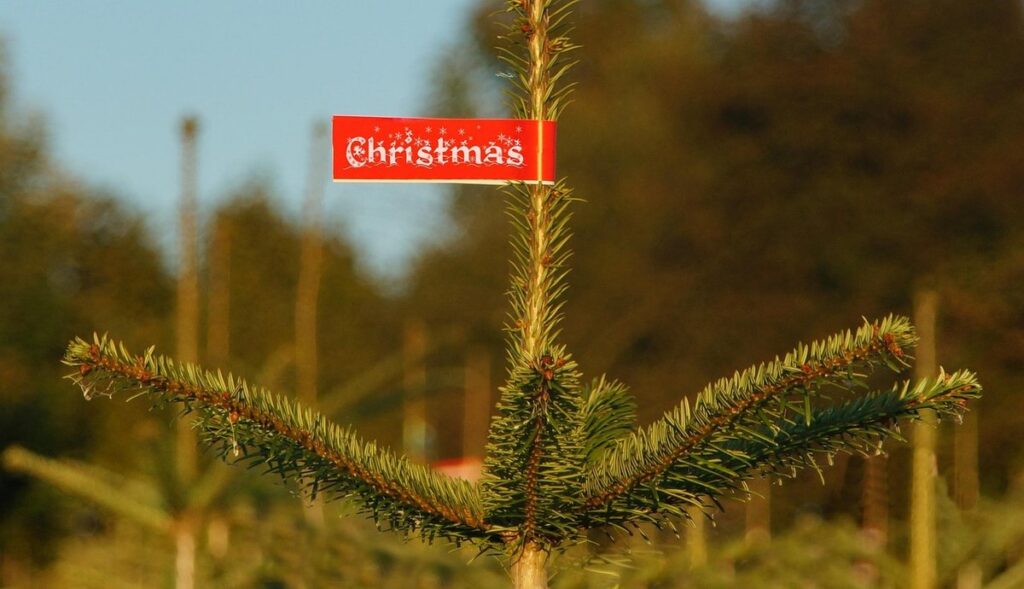
Choosing the Right Christmas Tree
When it comes to selecting the perfect tree, there are a few factors to consider before bringing that festive foliage into your home. Think location and size.
Understanding Christmas Tree Types
When it comes to choosing the right Christmas tree, selecting the right type can significantly impact its longevity. Let’s explore the main differences between fir, spruce, and pine trees, and what they mean for your holiday decoration.
Fir trees are generally the most popular choice due to their soft needles and mild fragrance. However, they tend to dry out quickly if not properly watered, which can lead to a shorter lifespan. On the other hand, spruce trees have stiffer needles that can withstand drier conditions, making them a more durable option. Pine trees are often overlooked but offer excellent durability, thanks to their thick, waxy coating on their needles.
When selecting a tree type, consider your lifestyle and maintenance habits. If you tend to forget to water your tree, a spruce or pine might be the better choice. Additionally, inspect the tree for any signs of dryness or needle drop before bringing it home. This will help ensure that your chosen tree stays healthy throughout the holiday season.
Selecting a Fresh Tree
When selecting a fresh Christmas tree, it’s crucial to choose one with a good root system. This may seem obvious, but many people overlook this vital aspect when searching for the perfect tree. A healthy root system will ensure that your tree stays hydrated and absorbs nutrients more efficiently.
To identify a tree with a strong root system, look for trees that have been recently cut, as they tend to retain more moisture than those that have been standing for days or weeks. Check the trunk of the tree for signs of dryness, such as cracks or splits. Avoid trees with dark-colored trunks, as this can be a sign of dehydration.
When selecting a tree, gently grasp the branches and pull them away from the trunk. A healthy tree will have flexible branches that don’t break easily. Also, check the needles; they should be green, glossy, and difficult to pluck. Avoid trees with brown or wilted needles, as this can indicate water stress.
Preparing the Tree for Display
Before decorating your tree, it’s essential to prepare it properly to prevent water loss and ensure a healthy display. This involves checking the tree’s roots, pruning branches, and fluffing out the needles.
Setting Up the Stand
When setting up your Christmas tree stand, it’s essential to choose one that provides stability and adequate water capacity. A sturdy stand is crucial for preventing the tree from toppling over, which can lead to damage or even a fire hazard. Consider the size of your tree and select a stand that accommodates its root ball comfortably. Plastic stands are often lightweight and easy to clean, while metal stands offer better durability.
Look for a stand with non-slip feet or rubber pads to prevent the tree from shifting on the floor. A water reservoir with a capacity of at least one quart per inch of tree diameter is recommended to ensure your tree stays hydrated throughout the holiday season. Some high-end stands come equipped with advanced features, such as built-in water level indicators and automatic shut-off valves.
When setting up your stand, make sure it’s placed on a level surface and away from heat sources. Fill the reservoir with water and add tree food according to the manufacturer’s instructions. This simple yet crucial step will help keep your Christmas tree alive throughout the holiday season.
Watering and Maintenance Tips
Watering is one of the most critical aspects of keeping your Christmas tree alive. It’s essential to strike the right balance between overwatering and underwatering. A general rule of thumb is to check the tree’s moisture levels daily, making sure not to soak its base.
A good way to do this is by using a combination of a water gauge or a moisture meter to determine when it’s time to add more water. Start with small amounts (about 1-2 cups) and gradually increase as needed. Avoid letting the tree sit in standing water, which can cause roots to rot.
Underwatering can also be detrimental, causing needles to drop rapidly. To prevent this, ensure the tree is placed on a sturdy base or stand that won’t wobble or tip over. You’ll also want to keep it away from direct sunlight, radiators, and heating vents, as these can dry out the tree quickly.
Remember, every tree species has unique needs, so research its specific requirements before bringing it home. This will help you tailor your watering schedule accordingly. By being mindful of these factors, you’ll be well on your way to keeping your Christmas tree alive throughout the holiday season.
Caring for the Tree Throughout the Season
To keep your Christmas tree thriving throughout the holiday season, follow these essential tips on caring for it daily and making seasonal adjustments as needed. This will help extend its lifespan and maintain its festive charm.
Monitoring Temperature and Humidity
Maintaining a suitable temperature and humidity level is crucial to keep your Christmas tree healthy throughout the holiday season. Did you know that a sudden change in temperature can shock your tree and cause it to dry out faster? For example, if you bring a tree indoors from an outdoor lot, its leaves may drop due to the sudden change in environment.
Ideally, keep your tree away from direct sunlight, radiators, and heaters, as these can quickly dry out its needles. A temperature range of 65-70°F (18-21°C) is perfect for most Christmas trees. If possible, place your tree near a north-facing window to minimize exposure to direct sunlight.
In terms of humidity, the air in your home is usually drier during the winter months, which can cause moisture loss from the tree’s needles. To combat this, you can mist your tree with water every few days to maintain a relative humidity level between 50-60%. This will help keep its needles hydrated and prevent them from drying out quickly.
Dealing with Common Problems
Droopy branches can be a common issue with Christmas trees, especially if they’re exposed to dry air. To perk up droopy branches, try misting the tree with water daily to maintain humidity levels. You can also adjust the stand’s height or use additional supports like wire ties to keep the branches upright.
Dry needles are another problem you might encounter. Check your tree regularly for signs of dryness, and remove any dead or brittle needles immediately. To prevent dryness, make sure the room temperature is between 65-70°F (18-21°C), and avoid placing the tree near heating vents or radiators. If the tree is particularly dry, you can also try misting it with a commercial tree preservative or adding a few drops of essential oil to the water in the stand.
Pests like spider mites, aphids, or mealybugs can infest Christmas trees, especially if they’re brought indoors from outdoors. Inspect your tree carefully before setting it up, and use insecticidal soap or neem oil to treat any infestations promptly. Keep an eye out for signs of pest activity, such as sticky substance on the branches or actual insects visible on the needles.
Enhancing Tree Longevity
To keep your Christmas tree thriving throughout the holiday season, we’ll be exploring some essential techniques for enhancing its longevity and ensuring it stays fresh and healthy. This includes maintaining optimal watering habits and providing adequate humidity.
Using Artificial Lights and Decorations
Using energy-efficient artificial lights and decorations is a simple yet effective way to reduce heat stress on your Christmas tree. When selecting lights, look for ones that use LED technology, as they emit minimal heat compared to incandescent bulbs. This can make a significant difference in keeping your tree healthy.
To minimize heat damage from lights, consider using string lights with a low wattage rating and spacing them out evenly across the branches. For example, you can place lights 1-2 inches apart for smaller trees or 2-3 inches apart for larger ones. Also, be mindful of how many lights you add, as excessive brightness can still cause stress to your tree.
Artificial decorations like tinsel and garlands are another heat-free option to consider. They come in a variety of styles and materials, including sustainable options made from recycled plastic or natural fibers. These decorative elements not only reduce heat buildup but also add visual interest to your tree without causing harm.
Minimizing Heat Sources
When it comes to keeping your Christmas tree alive, one often-overlooked aspect is minimizing heat sources near the tree. Televisions, computers, and heaters may seem harmless, but they can actually cause damage to your tree’s delicate needles and roots.
First, consider the location of your tree in relation to heat-emitting devices. If possible, place your tree at least 3-4 feet away from any televisions or computers. These electronics can radiate heat that dries out the tree’s needles and disrupts its water uptake process.
Additionally, avoid placing heaters directly near the tree. Not only can they dry out the tree quickly, but they can also cause the tree to become top-heavy and unstable. If you must use a heater, keep it at least 5-6 feet away from the tree to prevent any potential damage.
By minimizing heat sources near your tree, you’ll not only help extend its lifespan but also ensure that it stays healthy and vibrant throughout the holiday season. This simple step can make all the difference in keeping your Christmas tree alive and thriving.
Preventing Pest Infestations
To keep your Christmas tree pest-free, it’s essential to monitor for signs of infestation and take preventative measures, such as inspecting branches and watering carefully. This includes being vigilant about common pests like spiders, mites, and beetles.
Identifying Common Pests
When you bring your Christmas tree home, it’s not just the lights and ornaments that are at risk of damage – pests can also start to make themselves at home. Some common culprits include spider mites, mealybugs, and scale insects.
Spider mites are tiny, eight-legged creatures that feed on plant sap. They’re often invisible to the naked eye, but you might notice fine webbing or a stippled appearance on your tree’s needles. To check for spider mites, gently brush off any visible eggs or webs with a soft-bristled brush and inspect the tree more closely.
Mealybugs are small, white, cottony patches that can appear on branches and stems. They feed on sap, causing damage to your tree’s tissues. Check your tree regularly for these pesky critters by gently wiping away any visible mealybugs with a damp cloth.
Scale insects are another common pest that target Christmas trees. These armored pests feed on plant sap, leaving behind sticky residue that can attract other pests and diseases. To prevent scale infestations, make sure to inspect your tree thoroughly before bringing it home, and keep an eye out for any white or grayish eggs on the branches.
To control these pests, use a mild soap solution (1 tablespoon of dish soap per quart of water) to gently wash off any visible eggs or insects. Make sure to test a small area first to avoid damaging your tree’s needles.
Natural Deterrents and Treatments
To keep your Christmas tree alive and pest-free, consider using natural deterrents and treatments. Neem oil is a popular choice for repelling pests like spider mites, mealybugs, and scale insects. Mix neem oil with water according to the label instructions and spray it on the tree’s foliage, paying attention to areas where pests tend to congregate.
Garlic spray is another natural option that can help ward off pests. Blend minced garlic with water and let it sit for a few hours before straining and spraying it on the tree. Diatomaceous earth, a powder made from fossilized algae, can be sprinkled around the base of the tree to deter ants, roaches, and other crawling insects.
To use these natural methods effectively, make sure to spray or sprinkle them regularly, ideally every 7-10 days, depending on your tree’s environment. You can also combine these treatments for a multi-pronged approach to pest control. For example, mix neem oil with garlic spray for an even more potent deterrent. By using these natural methods, you’ll not only keep pests at bay but also reduce the risk of chemical residue harming your family and pets.
Disposing of the Tree After the Holiday
When it’s finally time to say goodbye to your tree, we’ll walk you through the best ways to dispose of it responsibly and minimize waste. Learn how to recycle or repurpose your Christmas tree with ease!
Proper Disposal Methods
When the holiday season comes to an end, it’s essential to dispose of your Christmas tree in an eco-friendly manner. You’ve taken great care to keep your tree alive throughout December; now, let’s make sure its final destination is environmentally responsible.
Composting is a fantastic way to reuse your tree. Many municipalities offer curbside composting services, which collect organic materials like branches and leaves. Check with your local waste management department to see if they have such a program in place. If not, consider hiring a private composting service or taking your tree to a community garden that accepts green waste.
Recycling options are also available for Christmas trees. Many cities partner with local landscapers and nurseries to recycle trees into mulch, which is then used for parks and gardens. Some organizations even offer “tree recycling” drop-off locations where you can bring your tree after the holiday season.
Before disposing of your tree, consider donating it to a local animal shelter or wildlife sanctuary. Many animals use Christmas trees as habitats or shelters, so this option is both eco-friendly and kind-hearted. Whatever method you choose, rest assured that your Christmas tree will be reused in a way that benefits the environment.
Repurposing or Replanting the Tree
If you’ve successfully kept your Christmas tree alive throughout the holiday season, now it’s time to think about what to do with it when the festivities are over. Instead of simply tossing it out, consider giving your tree a new life by repurposing or replanting it. One option is to turn your tree into mulch. Many nurseries and gardening stores offer Christmas tree recycling programs, where they’ll chip your tree into nutrient-rich mulch for your garden. Alternatively, you can also take the branches to your local compost bin.
If your tree is still in good condition, consider donating it to a local nursery or community garden. They often use living trees as decorations or plant them in their gardens to attract wildlife and provide shade. You can also contact your local park department or forestry service to see if they accept live Christmas trees for replanting in public spaces.
Before repurposing or replanting your tree, make sure it’s free of any ornaments, tinsel, and lights. Give it a good rinse with water to remove any dirt and debris, and then proceed with its new life as mulch or a living plant.
Frequently Asked Questions
How do I ensure my tree stays fresh for the entire holiday season?
Make sure to regularly check your tree’s water level, aiming to provide at least one quart of water per inch of tree diameter daily. Additionally, keep an eye on temperature and humidity levels, ideally maintaining a consistent room temperature between 65-70°F (18-21°C) with moderate humidity.
Can I use any type of water for my Christmas tree?
No, it’s recommended to use plain tap water instead of distilled or mineral water, as the latter can be too acidic and potentially harm your tree. You can also add a tree preservative to the water to help reduce needle loss and extend freshness.
How do I prevent my tree from drying out with pets around?
Keep an eye on your pet’s activity near the tree, as they may accidentally damage or dry out the branches. To minimize this risk, place any fragile ornaments high up on the tree where your pets can’t access them easily.
What are some signs of a tree struggling to thrive indoors?
Monitor your tree for signs like droopy branches, discolored needles, and excessive shedding. If you notice these symptoms, it may be due to factors such as inadequate watering, overheating, or pest infestations – adjust your care routine accordingly.
Can I repurpose my Christmas tree after the holiday season?
Yes, consider recycling or repurposing your tree by composting it for garden use or donating it to a local nursery. You can also get creative with DIY projects like making bird feeders, potpourri, or even mulch from your tree’s branches.