
Are you tired of sharing your hummingbird feeder with unwanted bee visitors? You’re not alone! Many backyard bird enthusiasts face this issue, and it can be frustrating to see those buzzing bees ruining the show. But fear not, dear reader! With a few simple tips and tricks, you can keep bees away from your hummingbird feeder and enjoy a bee-free bird-watching experience.
In this article, we’ll explore how to attract beneficial insects that help control bee populations, use natural deterrents to repel those pesky bees, and choose the perfect location for your hummingbird feeder. By following our expert tips, you can create a bee-free zone in your backyard and enjoy the thrill of watching hummingbirds flit about without interruption. So, let’s dive in and learn how to keep bees off your hummingbird feeder for good!
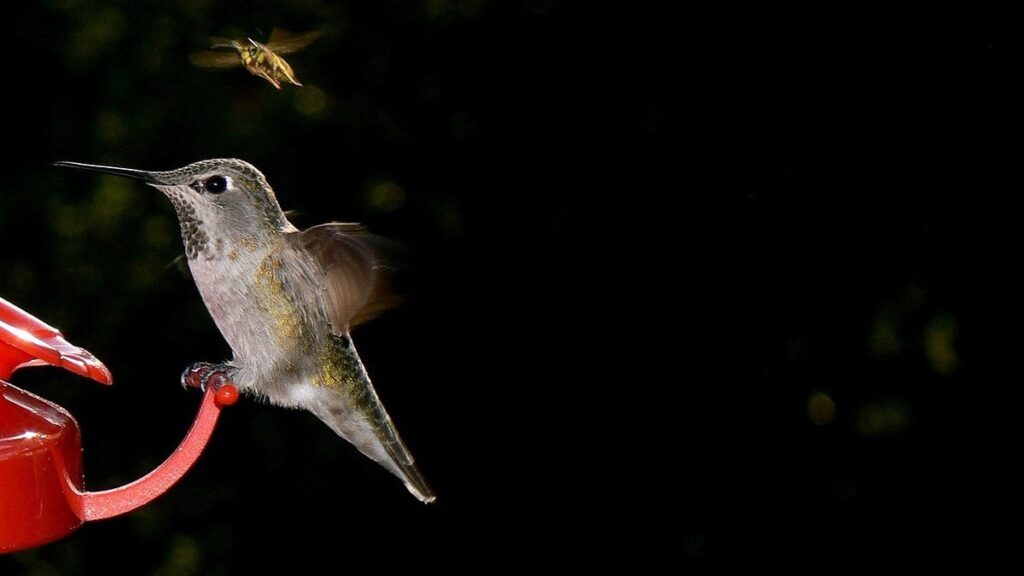
Understanding the Problem
At first glance, it might seem like bees are just attracted to the same nectar-rich feeders as hummingbirds. But let’s dive deeper into why these two visitors often clash over food.
Why Bees are Attracted to Hummingbird Feeders
Bees are naturally drawn to sugar-water mixtures, which is why hummingbird feeders often become an unintended attraction for these buzzing visitors. You see, bees have a strong affinity for sweet substances, and the nectar-rich mixture found in most hummingbird feeders is like a magnet to them.
One reason bees love sugar-water mixtures is that they’re rich in sucrose, which is easily metabolized by their bodies. In fact, bees are able to convert sucrose into glucose, which provides them with quick energy boosts. This is particularly important for worker bees, who need to gather nectar and pollen for the hive.
As a result, when you fill your hummingbird feeder with sugar-water mixture, it can become a beehive hotspot – literally! To avoid attracting bees to your feeder, try using a bee-repellent feed or altering the ratio of sugar to water. A 4:1 ratio is more suitable for hummingbirds than the traditional 3:1 or 2:1 mixtures that might attract bees. By making this simple adjustment, you can create a beehive-free zone around your feeder and enjoy watching hummingbirds without unwanted visitors.
Common Places for Bee Infestations
When it comes to bee infestations near hummingbird feeders, certain locations are more prone to attracting these unwanted visitors. One of the most common places for bee infestations is near the feeder’s location itself. Bees are attracted to nectar-rich feeders like hummingbirds’, and they often mistake them for a food source.
Another hotspot for bees is nearby flowers or gardens. If your hummingbird feeder is situated near blooming plants, it can draw in bees that are already present in the area. This is especially true if you have flowers with similar scents to nectar, such as lavender or sunflowers.
The effectiveness of your hummingbird feeder can be significantly impacted by bee infestations. Bees can consume a substantial amount of nectar, reducing the amount available for hummingbirds. In extreme cases, they may even overpower the feeder’s defense mechanisms and gain access to the nectar. To minimize this issue, consider relocating your feeder to a bee-free zone or using a feeder with built-in bee-deterrent features.
Identifying Attractants
To keep those pesky bees out of your hummingbird feeder, it’s essential to identify what’s drawing them to it in the first place. Let’s take a closer look at common attractants that might be luring bees away from your desired bird visitors.
Types of Flowers and Plants Nearby
Bees are often drawn to hummingbird feeders because of their proximity to nectar-rich flowers and plants. Common culprits include sunflowers, zinnias, cosmos, and lavender, which can all be found near hummingbird-friendly gardens. These flowers not only attract bees but also provide a convenient source of food for them.
To determine if nearby flowers are contributing to the bee infestation at your hummingbird feeder, take note of their type, color, and scent. Bees are particularly drawn to flowers with strong scents and those that produce high amounts of nectar, such as trumpet-shaped blooms like honeysuckle or fuchsia. If you suspect a specific plant is causing the issue, consider relocating it or replacing it with bee-resistant alternatives.
Some plants that repel bees include basil, mint, and lemongrass. By incorporating these into your garden, you can create a more bee-friendly environment for hummingbirds while keeping bees at bay.
Nearby Food Sources for Bees
When trying to keep bees off your hummingbird feeder, it’s essential to consider nearby food sources that may be attracting them. Bees are naturally drawn to nectar-rich flowers and gardens, so if you have a garden or bee-friendly plants nearby, it could be contributing to the problem.
Bee-friendly plants like sunflowers, zinnias, and lavender are particularly appealing to bees due to their high nectar content. If these plants are blooming near your hummingbird feeder, it’s likely that bees are being drawn away from the feeder towards them. Take a closer look at your garden or nearby plants and consider pruning or relocating any bee-attracting blooms.
Another possibility is that nearby gardens or flowerbeds may have a rich source of nectar that’s luring bees away from your hummingbird feeder. If you suspect this might be the case, try to identify the specific flowers or plants responsible and take steps to either remove them or provide alternative sources for the bees in other areas of your yard.
Preparing Your Hummingbird Feeder
To keep bees away from your hummingbird feeder, you need to prepare it properly before filling it up and placing it outside. Let’s start by cleaning and preparing your feeder for the season.
Choosing the Right Location
When choosing a location for your hummingbird feeder, it’s essential to consider factors that will minimize bee attraction and ensure easy access for the intended birds. Avoid placing the feeder near areas where bees are likely to congregate, such as flower beds or herb gardens. Instead, position it at least 10-15 feet away from any potential attractants.
Bees are often drawn to sweet-smelling flowers, so try to place the feeder in a spot that receives partial shade, especially during peak sun hours when temperatures can become extreme. A north-facing location is ideal, as it provides gentle sunlight without intense heat.
Consider the surrounding vegetation when selecting a location. Tall plants or trees with dense foliage can provide a natural barrier between the feeder and nearby flowers, reducing bee activity. Conversely, avoid placing the feeder near areas with low-growing plants or grasses that may attract bees.
When in doubt, observe your yard’s ecosystem to identify potential hotspots for bee activity. By strategically locating your hummingbird feeder, you’ll be more likely to keep bees off it and ensure a safe haven for these beautiful birds.
Cleaning and Sanitizing Feeders Regularly
Cleaning your hummingbird feeder regularly is crucial to prevent buildup that can attract bees. Sugar and water residue can leave behind a sticky film that’s like an open invitation for unwanted visitors. To avoid this, mix a solution of 1 part white vinegar to 4 parts water and soak the feeder for about an hour. Then, scrub it with a soft-bristled brush to remove any stubborn stains or debris.
Next, rinse thoroughly with warm water and let it air dry. Repeat this process every 3-4 days, especially during peak hummingbird seasons when they’re most active. You can also use a commercial feeder cleaner if you prefer. Just be sure to read the label and follow the instructions carefully.
By keeping your feeder clean, you’ll not only deter bees but also ensure that the hummingbirds are getting the energy-rich nectar they need. A clean feeder will also help prevent mold growth and other bacterial issues that can harm these tiny birds. Remember, a dirty feeder is like an open buffet for bees – keep it clean to keep them away!
Implementing Bee Repellents
Now that we’ve discussed why bees are attracted to hummingbird feeders, it’s time to focus on keeping them at bay – let’s dive into effective repellent options.
Using Citrus Peels or Cinnamon
When it comes to repelling bees from hummingbird feeders, natural deterrents are an excellent option. Two common and effective methods involve using citrus peels and cinnamon around the feeder area.
Citrus peels, such as lemons or oranges, can be used to repel bees without harming birds. Simply place a few slices of peel near the feeder or tie them in a bag and hang it from a nearby branch. Bees detest the strong scent of citrus and will avoid the area altogether. This method is also non-toxic and environmentally friendly.
Cinnamon, on the other hand, has natural antiseptic properties that bees find unappealing. Sprinkle cinnamon powder around the feeder or mix it with water to create a spray. Be sure to use caution when applying cinnamon, as it can stain surfaces if not properly diluted. When used correctly, these natural deterrents can effectively keep bees away from your hummingbird feeder and allow you to enjoy watching those beautiful birds visit without any interruptions.
Commercial Bee Repellents
When it comes to keeping bees off your hummingbird feeder, there are various commercial bee repellents available that can help deter them effectively. These products are designed specifically for use around plants and feeders, making them a safe and practical solution.
Some popular options include citronella sprays, lemongrass-based repellents, and peppermint oil sprays. These formulas typically contain natural ingredients that bees find unappealing or even repulsive. For example, citronella oil has been shown to be particularly effective in deterring bees due to its strong scent.
To use these commercial bee repellents effectively, start by reading the product label carefully. Look for instructions on how to apply the product and any recommended dilution ratios. Spray or spray-and-wipe products directly onto the hummingbird feeder or nearby plants to create a barrier that deters bees. Be sure to follow the manufacturer’s guidelines and take necessary safety precautions when handling the repellent.
Long-Term Strategies for Keeping Bees Away
Now that you’ve taken care of those pesky bees in the short-term, let’s focus on some effective long-term strategies to keep them away from your hummingbird feeder once and for all.
Attracting Beneficial Insects
Attracting beneficial insects like ladybugs and lacewings can be an effective long-term strategy for controlling bee populations around your hummingbird feeder. These beneficial insects feed on nectar and pollen from flowers, but they also have a voracious appetite for aphids, whiteflies, and other small insects that bees often visit.
To attract these beneficial insects to your yard, plant a variety of flowers that are rich in nectar and pollen, such as marigolds, sunflowers, and zinnias. Ladybugs, for example, love the sweet-tasting nectar of cosmos flowers, while lacewings adore the pollen-rich blooms of lavender.
By attracting beneficial insects to your yard, you can create a balanced ecosystem that naturally regulates bee populations around your hummingbird feeder. In fact, studies have shown that gardens with high levels of beneficial insects tend to have fewer bees and other pests. By incorporating these plants into your garden design, you can enjoy the beauty of your flowers while also keeping bees away from your hummingbird feeder.
Integrating Plants That Repel Bees into Your Garden
When it comes to keeping bees off your hummingbird feeder, incorporating plants that repel them into your garden design is a long-term strategy worth considering. Certain plants have natural oils and chemicals that deter bees from visiting, making them perfect companions for hummingbird feeders.
Some top contenders include basil, mint, lemongrass, and citronella. These plants are not only effective bee repellents but also add aesthetic appeal to your garden. For instance, lemon balm and rosemary can be incorporated into a Mediterranean-style garden design, while citronella and lemongrass work well in tropical-inspired settings.
When selecting plants for this purpose, remember that it’s essential to choose varieties with strong scents or oils. Plant them around the perimeter of your garden, about 6-8 feet away from the hummingbird feeder to ensure their fragrance wafts towards the bees without overpowering the feeder. This natural deterrent will help minimize bee activity and allow you to enjoy your hummingbirds without interruptions.
Frequently Asked Questions
Can I use any type of sugar for my hummingbird feeder?
When choosing a sugar to mix with water for your hummingbird feeder, it’s essential to select an unsulphured cane sugar or beet sugar. These sugars won’t harm the birds and will be safer for them to consume. Refrain from using artificial sweeteners or honey as they can be detrimental to the health of hummingbirds.
How often should I clean my hummingbird feeder?
Cleaning your hummingbird feeder regularly is crucial in keeping bees away. Aim to clean your feeder every 3-5 days, depending on how frequently it’s visited by birds and other wildlife. Remove any debris or mold, and refill with fresh sugar-water mixture to keep the environment clean and free from bee attractants.
What if I live in an area with a severe bee infestation? Are there additional steps I can take?
If you live in an area plagued by bees, consider taking extra precautions when setting up your hummingbird feeder. Planting bee-repellent flowers or herbs like mint, basil, or lemongrass around the feeder can help deter them. Additionally, you may want to invest in a commercial bee repellent specifically designed for hummingbird feeders.
Can I use citrus peels as a long-term solution for repelling bees?
While using citrus peels is an effective short-term solution for repelling bees from your hummingbird feeder, it’s not recommended as a long-term solution. Citrus peels may eventually lose their potency and require frequent replacement. Instead, consider integrating plants that naturally repel bees into your garden for a more sustainable solution.
How can I balance attracting beneficial insects with keeping bees away?
To strike the right balance between attracting beneficial insects and keeping bees away from your hummingbird feeder, focus on planting a diverse range of flowers and herbs that attract pollinators while using natural deterrents to repel bees. For example, you could plant bee-friendly flowers like lavender or coneflower near your feeder but use citrus peels or commercial repellents to keep the bees at bay.