
Gardening can be a delightful hobby, but it’s not always enjoyable when unwanted visitors crash your party. Bees, in particular, can be a nuisance if they’re swarming around your plants and causing trouble. But what if you could keep them away from your garden altogether? The good news is that there are effective ways to deter bees using physical barriers, clever plant selection, and natural deterrents. In this article, we’ll explore the best methods for keeping bees at bay, so you can enjoy a bee-free garden without worrying about unwanted visitors. We’ll cover everything from setting up barriers to repelling them with certain plants, giving you peace of mind as you tend to your garden.
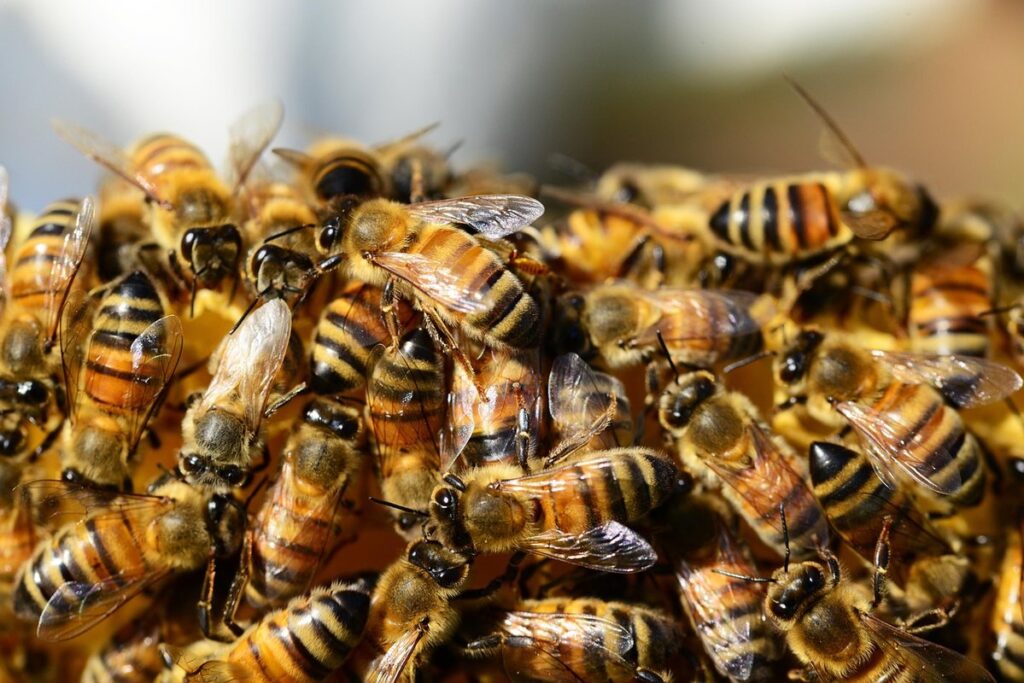
Understanding Bee Behavior
To keep those buzzing bees away from your garden, let’s first understand why they’re drawn to it in the first place. What are their preferences when it comes to food and shelter?
Attractants and Repellents: A Brief Overview
When it comes to attracting bees to your garden, it’s all about offering them what they love: nectar and pollen. These essential resources fuel their daily activities, and a bee-friendly garden is usually buzzing with activity as a result. Bees are naturally drawn to bright colors, particularly yellows, oranges, and purples, which are often associated with flowers that produce plenty of nectar.
Some examples of nectar-rich plants that will attract bees include sunflowers, zinnias, and lavender. When it comes to pollen sources, bees have a particular fondness for herbs like mint, oregano, and thyme. To maximize the bee-appeal of your garden, consider planting a mix of annuals and perennials with varying bloom times to ensure a constant supply of nectar throughout the growing season.
But what about repelling bees? While it’s true that some plants can be less appealing to bees due to their scent or chemical makeup, most commercial “bee-repellent” products are largely ineffective. Instead of relying on chemicals, consider planting daffodils or chives, which are known to be unappealing to bees due to their strong, pungent scents. However, keep in mind that these plants won’t completely eliminate bee activity – rather, they’ll simply make your garden less attractive to them.
Factors Influencing Bee Activity
When it comes to understanding bee behavior in gardens, several factors play a significant role in determining their activity levels. One of the most influential factors is climate. Bees are sensitive to temperature and humidity, which affects their ability to fly and forage for nectar and pollen. On hot days, bees tend to become lethargic and seek shade to cool down, while on cooler days they’re more active.
Time of day also impacts bee activity, with most species being diurnal, meaning they’re most active during the morning and early afternoon. As the sun reaches its peak, bees often retreat to their hives or nesting sites for a mid-day rest. Seasonality is another crucial factor, as different seasons bring changes in plant availability, temperature, and humidity.
To minimize bee activity in your garden, consider planting flowers that are less attractive to bees during specific times of day or season. For instance, if you notice bees are particularly active in the morning, try planting bee-deterrent herbs like mint or lemongrass nearby to divert their attention.
Physical Barriers
To keep bees away from your garden, you’ll want to explore physical barriers that can effectively deter them without harming them. Let’s look at some effective methods using plants and structures.
Fencing and Netting Solutions
When it comes to keeping bees away from specific areas or plants in your garden, physical barriers can be an effective solution. One popular option is mesh fencing, which can be hung around individual plants or entire sections of the garden. This type of fencing allows for good airflow and visibility while keeping larger bees out.
Another option is plastic fencing, often used to enclose raised beds or small gardens. While not as breathable as mesh, it’s a more durable choice that can withstand harsh weather conditions. You can choose from various hole sizes to accommodate different types of plants and bee species.
Netting solutions are also effective for protecting smaller areas, like individual flowers or vegetables. You can drape lightweight netting over trellises or create a mini-greenhouse effect around sensitive plants. Some gardeners even use bird-netting, which is specifically designed for outdoor use and comes in various mesh sizes.
When selecting fencing or netting materials, consider factors such as durability, ease of installation, and cost-effectiveness. Regular maintenance will ensure your physical barriers remain effective over time.
Screens and Canopies
When it comes to creating a barrier between bees and gardens, physical barriers like screens and canopies are an effective option. These barriers work by blocking the path of bees, preventing them from accessing flowers and other attractants.
Screens are one of the most common physical barriers used to keep bees away. They can be placed around plants or entire garden beds, creating a mesh-like barrier that allows air and water to pass through while keeping bees out. When choosing screens for your garden, consider using ones with small mesh sizes (around 1-2 mm) as these will be most effective at blocking bee entry.
Canopies are another option for physical barriers. These can be freestanding structures or attached to existing buildings like gazebos or pergolas. They provide shade and shelter from the elements while keeping bees away. When using canopies, make sure they have a mesh size of around 1-2 mm to ensure effectiveness.
If you’re looking to create your own screen or canopy barrier, consider using durable materials that won’t sag or bend over time. Trellis fabric or netting are good options for screens, while sturdy metal frames and waterproof roofing can be used for canopies.
Plant Selection and Arrangement
When it comes to keeping bees away from your garden, choosing the right plants is crucial. In this section, we’ll explore how to select bee-resistant plants for a more peaceful gardening experience.
Bee-Repellent Plants
When it comes to creating a bee-free zone in your garden, incorporating bee-repellent plants into your design is a great place to start. There are several plant species known to repel bees, and we’ll explore some of the most effective ones below.
Some popular bee-repellent plants include lavender, mint, rosemary, and lemon balm. These plants contain oils that are unappealing to bees, making them an excellent addition to your garden. For example, lavender is a low-maintenance option that’s also fragrant and attractive to humans. You can plant it in borders or containers, and prune it regularly to keep its shape.
When incorporating these plants into your design, consider their growing requirements and space needs. Mint, for instance, spreads quickly and can be invasive if not contained. Rosemary is a Mediterranean native that prefers well-drained soil and full sun. By choosing bee-repellent plants with different growth habits and requirements, you can create a diverse and effective bee-deterrent garden.
To get the most out of these plants, plant them in areas where bees are most likely to visit, such as near entrances or around flowers that attract pollinators. Regular pruning and watering will also help keep them healthy and active, ensuring they continue to repel bees over time.
Garden Layout Strategies
When designing your garden, consider implementing strategies to minimize bee attraction. One effective approach is to separate bee-friendly plants from those that attract pollinators. This can be achieved by creating distinct sections within your garden. For instance, designate a specific area for bee-attracting plants like lavender and coneflower, which are rich in nectar and pollen.
Consider placing these plants on the north or east side of your garden, as they tend to bloom at different times than other flowers. This way, bees will be drawn to these areas during their peak blooming seasons. Conversely, place less bee-friendly plants like vegetables and herbs in areas that receive more direct sunlight, reducing the likelihood of attracting pollinators.
When arranging your garden layout, also consider plant height and proximity. Planting taller species near the back or edges can help keep bees away from high-traffic areas. Remember to maintain a diverse range of flowers with different blooming periods to minimize bee attraction throughout the growing season.
Chemical Deterrents
If you’re looking for a quick and easy solution to keep bees away from your garden, chemical deterrents can be a viable option. We’ll explore some common options in this section.
Insecticides: Risks and Considerations
When it comes to keeping bees away from gardens, some gardeners may consider using insecticides as a deterrent. However, this approach raises several concerns that should be carefully weighed against the potential benefits.
While certain insecticides can effectively kill or repel bees, their use is often met with criticism due to environmental and health risks associated with them. Some of these chemicals have been linked to colony collapse disorder (CCD), where entire bee colonies mysteriously disappear. Moreover, exposure to these toxins can also harm human health, particularly for those working in gardens or consuming produce treated with pesticides.
Before resorting to insecticides, consider the following: if you’re dealing with a single invasive species like the Asian hornet, introducing natural predators or physical barriers may be more effective and environmentally friendly. Additionally, adopting integrated pest management (IPM) strategies can help minimize the use of chemical deterrents altogether.
Natural Alternatives
When it comes to safely repelling bees from gardens without relying on harsh chemical deterrents, natural alternatives are a great place to start. Essential oils, for instance, can be a highly effective way to keep bees at bay. Certain oils like peppermint, lemongrass, and citronella have been shown to naturally repel bees due to their strong scents.
One easy DIY solution is to mix a few drops of your chosen essential oil with soap and water to create a spray that you can apply directly to plants or around the perimeter of your garden. Just be sure to use a high-quality, pure essential oil that’s free from additives and chemicals. For example, a study found that peppermint oil reduced bee activity by 70% when used as a repellent.
Another natural alternative is to plant bee-repellent flowers like lavender, rosemary, or chamomile in your garden. Not only will these plants add beauty and fragrance to your space, but they’ll also help deter bees from the area. Simply plant them strategically around the perimeter of your garden, or mix them into your existing flowerbeds for an added layer of protection.
Integrated Pest Management
To keep bees away from gardens, it’s essential to adopt a holistic approach that involves understanding their behavior and using multiple deterrents. This section will explore effective integrated pest management strategies for bee control in your garden.
Combining Methods for Optimal Results
When it comes to keeping bees away from gardens, relying on a single method can be unreliable. This is where combining physical barriers, plant selection, and other methods comes into play. By integrating these approaches, you can create a comprehensive bee-deterrent strategy that effectively safeguards your garden.
Physical barriers are an effective way to keep bees at bay. Installing a fence or screen around your garden can prevent them from entering the area. You can also use fine-mesh netting or row covers to cover plants and prevent bees from accessing nectar-rich blooms.
Plant selection is another crucial aspect of bee control. Bees are attracted to bright colors, strong scents, and nectar-rich flowers like lavender, roses, and sunflowers. By planting bee-resistant flowers like marigolds, chives, or garlic, you can deter them from your garden. Consider combining these plants with physical barriers for optimal results.
Additionally, use natural deterrents like citronella candles or essential oils to repel bees from specific areas. Regularly clean up any sweet-tasting substances and avoid using fragrances or perfumes that might attract bees. By implementing a multi-faceted approach, you’ll significantly reduce the likelihood of bee encounters in your garden.
Monitoring and Adjusting
Monitoring bee activity is an essential part of keeping them away from your garden. By regularly observing their behavior and adjusting your strategies accordingly, you can effectively manage their presence without harming the environment.
To start with, identify the types of bees that are most likely to visit your garden, such as honeybees or bumblebees. This will help you tailor your deterrents and adjustments. Next, designate a monitoring period, perhaps once a week or after significant weather changes.
During this time, observe from a safe distance any bee activity near flowers, water sources, or nesting sites. Note the peak hours of their presence, which flowers are attracting them most, and whether they’re showing aggression towards humans or other animals. This data will help you understand their patterns and preferences.
Adjust your strategies based on these findings. If bees are attracted to a specific flower, consider substituting it with a bee-deterrent plant or adjusting its placement in the garden. Similarly, if you’ve noticed them visiting water sources frequently, ensure that you’re providing alternative options like birdbaths or shallow dishes filled with fresh water and rocks for landing sites.
As changes occur in your garden or environment, regularly reassess and adjust your monitoring and deterrent strategies to maintain a balanced ecosystem where bees are present but not causing harm.
Frequently Asked Questions
Can I use a combination of methods to keep bees away from my garden, or is it best to stick with one approach?
You can combine multiple methods to achieve optimal results. For example, using physical barriers and planting bee-repellent flowers together can be more effective than relying on just one method. Experiment with different combinations to find what works best for your specific garden.
How long does it take for a fence or screen to effectively deter bees from entering my garden?
The effectiveness of a fence or screen depends on several factors, including its type, material, and installation. Generally, a well-installed fence or screen can start repelling bees within 1-3 days after installation, but it’s essential to monitor the area closely for optimal results.
What if I already have bee-friendly plants in my garden? Can I still use natural deterrents?
Yes, you can still use natural deterrents even if you have bee-friendly plants. In fact, using a combination of attractants and repellents can help balance the ecosystem and minimize unwanted visitors. Consider incorporating natural deterrents like citrus sprays or essential oils into your gardening routine.
Can I use commercial insecticides to kill bees that are already in my garden?
No, it’s generally not recommended to use commercial insecticides to kill bees in your garden. These chemicals can harm beneficial insects, contaminate soil and water, and even pose health risks to humans and pets. Instead, opt for natural alternatives or integrated pest management techniques.
How often should I inspect my bee-repellent plants for signs of effectiveness?
Regularly inspecting your bee-repellent plants is essential to ensure they’re working effectively. Check the area around the plants daily for any signs of bees, and adjust your strategy as needed. Also, monitor the plants’ health and replace them if necessary to maintain their potency.