
Are you tired of struggling with overcrowded kale plants that are more prone to disease and pests? Optimizing kale spacing can be the key to unlocking a bountiful harvest, but it’s not as straightforward as it sounds. Climate, soil quality, and growing methods all play a crucial role in determining the ideal space between kale plants. If you’re unsure how much space your kale needs or are experiencing issues with poor air circulation and disease, this article is for you. We’ll dive into the specifics of maximizing yield while minimizing the risk of problems that can devastate your crop. From understanding climate-specific requirements to choosing the right growing methods, we’ll cover it all to help you grow healthy, thriving kale plants in your garden.
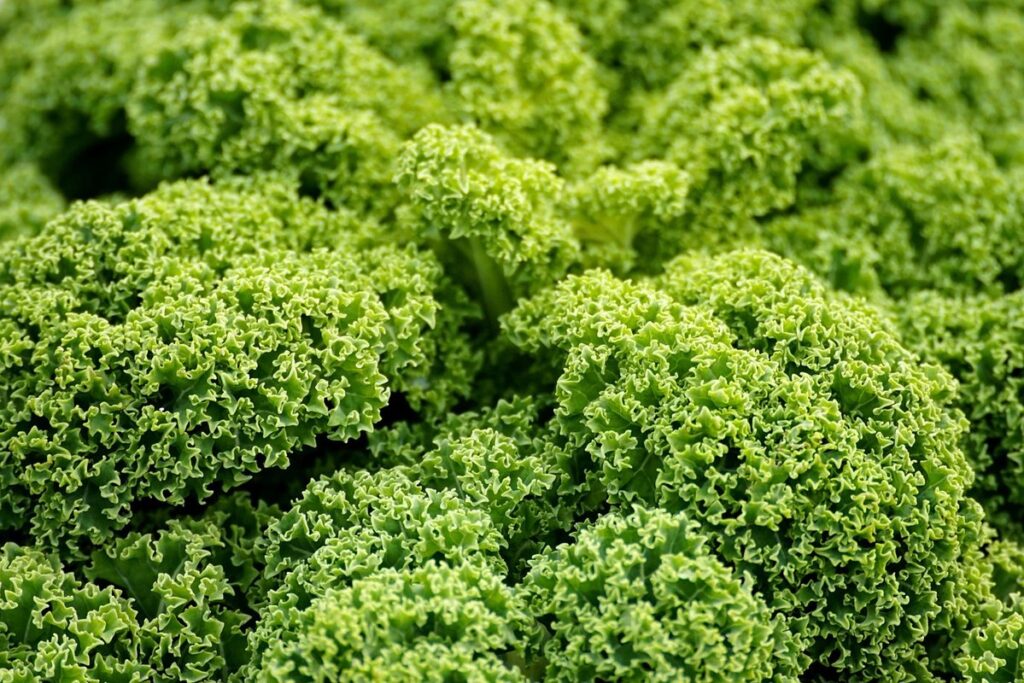
Understanding Kale Plant Spacing
When it comes to growing kale, proper plant spacing is crucial for healthy growth and preventing overcrowding. Let’s dive into the specifics of how to space your kale plants correctly.
Factors Affecting Kale Spacing
When it comes to kale spacing, several key factors come into play. Plant height is one crucial consideration – compact varieties like ‘Red Russian’ and ‘Lacinato’ grow relatively low, around 12-18 inches tall, while loose-leaf types can reach heights of up to 2 feet or more. This difference in stature affects how much space you’ll need between plants.
Leaf width also plays a role: narrow-leaved kale varieties like ‘Dwarf Blue Curled’ tend to spread out less than their broad-leaved counterparts, such as ‘Redbor’. As a general rule of thumb, allow about 6-8 inches of space for compact, narrow-leaved types and up to 12 inches or more for larger, loose-leaf kale varieties.
Growth habits are another essential factor – some kale varieties have a bushy growth pattern, while others spread out like a mat. For example, ‘Russian Red’ has a spreading habit that benefits from being given more space between plants. Understanding these characteristics will help you tailor your spacing to the specific needs of your chosen kale variety.
Ideal Kale Spacing for Different Growing Conditions
When it comes to growing kale, understanding ideal spacing is crucial for optimal yields and healthy plants. But did you know that different growing conditions can impact the best way to space your kale? Let’s dive into the specifics of climate, soil type, and available space to determine the perfect spacing for your kale crop.
For areas with hot and dry climates, it’s essential to provide extra care for your kale plants. In these conditions, a spacing of 12-18 inches between rows is recommended to allow for better air circulation and prevent moisture from building up on the leaves. This will help reduce the risk of disease and promote healthy growth.
In areas with cooler temperatures and well-draining soil, you can opt for closer spacing of around 8-10 inches between rows. This will encourage bushy growth and increase yields. If your soil is heavy clay or prone to waterlogging, consider a wider spacing of 18-24 inches to prevent root rot and other issues.
Regardless of climate or soil type, make sure to leave enough space between individual kale plants for easy harvesting and maintenance. A general rule of thumb is to plant kale seeds about 2-3 inches apart and thin them out to 6-8 inches as they grow. This will give you a lush and healthy crop that’s perfect for salads, sautéing, or freezing.
Benefits of Proper Kale Spacing
When it comes to growing healthy, thriving kale plants, proper spacing is crucial. In this next part, we’ll explore the advantages of giving your kale plants enough room to breathe and stretch out.
Increased Yield and Harvest
When you’re growing kale, one of the most significant advantages of proper spacing is the substantial increase it brings to your yields. A well-placed and spaced-out kale bed allows each plant to receive adequate sunlight, water, and nutrients, leading to healthier and more robust plants.
In reality, overcrowding can lead to weakened plants that are more susceptible to diseases and pests. Conversely, when you space out your kale correctly, you enable the plants to grow fuller and bushier, producing a more bountiful harvest throughout the season. Studies have shown that by spacing kale at least 12-18 inches apart, yields can increase by up to 20%.
To achieve consistent harvests, it’s essential to focus on staggered planting, rather than planting in neat rows. This method allows for easier access and harvesting while preventing weeds from competing with the kale for resources.
By incorporating these spacing principles into your gardening routine, you’ll be able to maximize your kale yields and enjoy a more reliable and productive harvest.
Improved Air Circulation and Disease Prevention
Proper spacing between kale plants is not only beneficial for their growth but also plays a crucial role in preventing diseases. One of the primary reasons adequate spacing is essential is to improve air circulation around each plant. When plants are too close together, they can create a humid microclimate that fosters the development and spread of fungal diseases such as downy mildew and powdery mildew. These conditions can cause significant damage to your kale crop, resulting in reduced yields and lower quality leaves.
To minimize the risk of disease transmission, ensure you leave at least 12-18 inches between each kale plant. This will allow for sufficient air circulation and prevent moisture from becoming trapped among the plants. Regularly inspect your kale crop for signs of disease and take prompt action to address any issues that arise. By implementing proper spacing strategies and practicing good crop rotation and sanitation practices, you can significantly reduce the risk of disease in your kale crop. This will help promote healthy growth and maximize yields.
Common Kale Spacing Mistakes to Avoid
Kale spacing mistakes are surprisingly common, and getting them right can make all the difference in a lush harvest. Let’s dive into the most critical errors to avoid.
Overcrowding and Under-Spacing
Overcrowding and under-spacing can have devastating effects on your kale crop. When plants are too close together, they compete for essential resources like light, water, and nutrients. This leads to reduced yields as the plants focus their energy on competing with each other rather than growing and producing leaves.
On top of that, overcrowded conditions make it easier for pests and diseases to spread, weakening your kale’s immune system. Pests like aphids and whiteflies thrive in crowded environments, while diseases like powdery mildew and downy mildew take advantage of the moisture-rich air trapped between plants. As a result, you’ll be more likely to see your kale crop succumb to these issues.
To avoid this nightmare scenario, it’s essential to give your kale plants enough space to breathe. Aim for at least 12-18 inches between each plant, depending on the variety. This will allow for proper air circulation and prevent moisture buildup. By doing so, you’ll promote healthy growth, boost yields, and reduce the risk of pests and diseases taking hold. Remember, a little extra space now can make all the difference in the long run!
Misjudging Plant Maturity and Spacing
Misjudging plant maturity can have far-reaching consequences for your kale crop. When you underestimate the mature size of a kale variety, it’s easy to overcrowd the plants, leading to stunted growth and even plant death. This is especially true for compact or dwarf varieties that are often touted as “space-saving” options.
The truth is, these smaller varieties still need adequate space to grow and thrive. If you don’t provide enough room between plants, their leaves will become crowded and may begin to yellow or wilt prematurely. In extreme cases, overcrowding can even cause the plants to develop root rot or other diseases that can be fatal. A good rule of thumb is to consider the mature plant size and leave about 12-18 inches (30-45 cm) between each kale plant. This will give the leaves room to breathe and prevent overcrowding issues.
To avoid this common mistake, take a close look at your seed packet or consult with a gardening expert before planting. Measure out your garden bed carefully and plan for adequate spacing between plants. With proper planning and attention to detail, you can enjoy a lush, healthy kale crop that’s the envy of all your neighbors.
Kale Spacing for Different Growing Methods
When growing kale, the spacing between plants can vary significantly depending on your chosen method – from intensive container gardening to expansive outdoor plots.
Container Gardening
When growing kale in containers, it’s essential to consider the unique challenges of this method. Kale plants can spread out quite a bit as they mature, so you’ll want to provide enough space for them to grow without overcrowding.
A good rule of thumb is to use a container that’s at least 6-8 inches deep and has drainage holes in the bottom. This will give your kale roots room to grow and prevent waterlogged soil. For smaller pots (less than 6 inches deep), you can plant kale seedlings closer together, about 2-3 inches apart.
In terms of sunlight exposure, make sure your container garden gets at least 4-5 hours of direct sunlight per day. If this isn’t possible, consider using grow lights to supplement the natural light. Kale prefers well-draining potting mix and regular watering – aim for about 1 inch of water per week, either from rain or irrigation.
When choosing a variety of kale for container gardening, opt for compact or dwarf varieties that are specifically bred for container growing. These will have smaller leaves and a more compact growth habit, making them perfect for smaller spaces.
Hydroponics and Indoor Growing
When growing kale using hydroponics or indoors, it’s essential to maintain precise control over temperature, humidity, and light levels. These conditions can significantly impact the growth rate, flavor, and nutritional content of your kale crop.
For indoor growing systems, optimal temperatures range from 65°F to 75°F (18°C to 24°C), while hydroponic systems can operate within a slightly wider range, between 55°F to 80°F (13°C to 27°C). Maintain high humidity levels, ideally between 40% and 60%, as kale thrives in moist environments.
In terms of light, most indoor growing spaces require supplemental lighting, such as LED grow lights, which can provide the necessary spectrum for optimal growth. Aim for a minimum of 12 hours of direct or indirect light exposure per day.
To optimize kale spacing for hydroponic and indoor systems, follow these guidelines: sow seeds 1-2 inches apart in rows that are 6-8 inches apart. This density will allow for healthy competition among plants without overcrowding the system. Monitor your crop regularly to adjust spacing as needed based on growth patterns and system capacity.
Tips for Adapting Kale Spacing to Your Specific Climate
When growing kale, you need to consider your local climate and adjust your spacing accordingly. We’ll walk you through how to adapt your kale spacing for optimal results in any region.
Regional Variations in Temperature and Rainfall
As you’re planning to grow kale, it’s essential to consider the regional variations in temperature and rainfall that can impact its growth. In cooler regions with mild winters and cool summers, you can plant kale densely, about 2-3 inches apart, as it will thrive in these conditions. In contrast, hotter climates with intense sunlight and dry spells require more space between plants.
In areas with high temperatures above 80°F (27°C), such as the southern United States, spacing out kale to around 4-6 inches apart can help prevent overcrowding and promote air circulation. This also reduces the risk of fungal diseases that thrive in humid conditions.
Conversely, if you’re growing kale in a cooler region with moderate temperatures, like the Pacific Northwest, you can plant it more densely, about 2-3 inches apart. Additionally, these regions tend to receive adequate rainfall, so you may not need to water as frequently.
When deciding on your kale spacing, keep an eye on local weather forecasts and adjust accordingly. By taking into account regional temperature and rainfall patterns, you’ll be able to optimize the growth of your kale crop.
Dealing with Seasonal Changes and Microclimates
Dealing with Seasonal Changes and Microclimates can be challenging when it comes to Kale Spacing. As a kale grower, you’re likely aware that temperature fluctuations and varying weather conditions can significantly impact the growth and health of your crop.
In areas with distinct seasons, like zones 4-5 or 7-8, seasonal changes can affect the ideal kale spacing. For instance, during spring, when temperatures are rising rapidly, it’s essential to space kales closer together (about 2-3 inches apart) to promote healthy growth and prevent bolting.
However, as summer arrives with its high heat, kale plants need more space to breathe (about 12-18 inches apart). This is because the increased temperature can cause the plant to stretch upwards in search of water and nutrients. In regions with intense sunlight or dry spells, it’s crucial to adjust spacing accordingly to prevent scorching or dehydration.
Microclimates within your region can also impact kale growth. If you live near a body of water or have a south-facing slope, consider these factors when deciding on the optimal spacing for your kales. By understanding and adapting to seasonal changes and microclimates, you’ll be able to grow lush, healthy kale throughout the year.
Conclusion: Mastering the Art of Kale Spacing
Now that you’ve learned how to determine ideal kale spacing, let’s review what we’ve covered and take a closer look at fine-tuning your technique for optimal results.
Recap of Key Takeaways
As you’ve made it through our comprehensive guide to kale spacing, let’s take a moment to recap the key takeaways. By now, you should have a solid understanding of the importance of proper spacing and how it can impact your kale crop’s health, growth rate, and overall yield.
Key points to remember include selecting the right variety of kale for your climate and available space, considering the mature size of the plants when determining initial spacing, and leaving enough room between rows for easy harvesting. We also discussed the benefits of companion planting and how certain vegetables can enhance or deter from kale growth.
To put these principles into practice, be sure to plant at the right time, taking into account the specific growing conditions in your area. For example, cool-season varieties thrive in temperatures between 40-70°F (4-21°C), while warm-season types prefer temperatures above 60°F (15°C). By applying these tips and adapting them to your unique situation, you’ll be well on your way to cultivating a thriving kale crop that brings maximum flavor and nutrition to your table.
Final Thoughts on Kale Spacing for Beginners
As you’ve made it through this comprehensive guide to kale spacing, we hope you feel more confident and equipped to tackle growing kale in your garden. Remember that experimenting with different spacing techniques takes time and patience – don’t be discouraged if your first attempts don’t yield the desired results.
One of the most important takeaways from this guide is the flexibility it offers. Kale is a highly adaptable crop, capable of thriving in various conditions. Be open to adjusting your spacing based on factors like weather patterns, soil quality, or pest issues. For example, if you notice that your kale plants are developing powdery mildew due to overcrowding, don’t hesitate to thin them out and create more space between rows.
As a beginner, it’s essential to approach kale spacing with a growth mindset. Celebrate small victories along the way, like noticing improved air circulation or observing how different spacing techniques affect your crop’s overall health. With each trial and error, you’ll gain valuable insights that will help refine your strategy for future harvests.
Frequently Asked Questions
What are some general guidelines for adjusting kale spacing based on climate-specific requirements?
In regions with high temperatures or intense sunlight, consider planting kale at a slightly wider spacing (24-36 inches) to prevent heat stress and promote air circulation. In cooler climates, you can plant closer together (12-18 inches). Remember that these are general guidelines, and it’s essential to observe your specific climate and adjust accordingly.
Can I use the same kale spacing for both compact and loose-leaf varieties?
No, different kale varieties have varying growth habits, so it’s best to space them accordingly. Compact varieties like ‘Red Russian’ can be planted closer together (12-18 inches), while loose-leaf types may require more space (24-36 inches). This will help prevent overcrowding and promote healthy growth.
How do I determine if my kale plants are receiving adequate air circulation?
Observe your plants regularly for signs of poor air circulation, such as yellowing leaves or fungal diseases. Check the spacing between plants to ensure it’s not too dense (less than 12 inches). If you notice any issues, consider thinning out the plants to provide more space for air to circulate.
What are some common mistakes to watch out for when implementing ideal kale spacing in my garden?
One common mistake is misjudging plant maturity and spacing. Make sure to check the seed package or consult with a gardening expert to determine the optimal spacing for your specific variety. Also, be mindful of regional variations in temperature and rainfall, as these can impact growth habits.
Can I use raised beds or containers with poor drainage when growing kale?
No, kale prefers well-draining soil to prevent waterlogged conditions that can lead to root rot and other issues. If you’re using raised beds or containers, ensure they have adequate drainage holes and maintain a balance of moisture levels to promote healthy growth.