
When spending time outdoors, it’s easy to get caught up in nature’s beauty. But, some plants are more than just pretty faces – they can be deadly. One such plant is jimsonweed, known for its spiky seed pods that pose a significant threat to anyone who encounters them. These toxic spikes can cause physical harm and even poisoning if not handled carefully. If you’re an avid gardener, camper, or simply someone who loves exploring the great outdoors, it’s essential to know how to identify jimsonweed seed pods and avoid their dangers. In this article, we’ll take a closer look at what makes these seed pods so hazardous and provide you with the knowledge you need to stay safe around them.
What is Jimsonweed?
Jimsonweed is a highly toxic plant native to North America, its name derived from an old English phrase for ‘madness’ due to its potent effects. It’s essential to understand this plant to accurately identify it in the wild.
Botanical Classification
Jimsonweed is classified under the scientific name Datura stramonium, which falls within the Solanaceae family. This botanical classification places it among other plants like tomatoes and peppers. Within the genus Datura, jimsonweed’s species name stramonium indicates its unique characteristics. Botanists also recognize several subspecies of Datura stramonium, including var. stramonium and var. watsoniana.
Understanding the scientific name is essential for accurate identification. For instance, if you’re searching for a specific plant with similar features but are unsure about the exact species, referring to the botanical classification can help narrow down possibilities. This knowledge also provides context when considering potential lookalikes or closely related plants that may exhibit similar characteristics but carry different toxicities.
It’s worth noting that while Datura stramonium is widely recognized as a distinct species, some taxonomists propose a more nuanced classification within the genus. However, this does not affect the overall botanical identity of jimsonweed and its potential risks.
Common Names and Misidentifications
Jimsonweed is often confused with other plants due to its multiple common names. It’s known as “Devil’s Trumpet,” “Datura,” and “Mad Apple” in different regions. This confusion can lead to misidentification, which may result in exposure to the plant’s toxic compounds. For instance, some people mistakenly identify Jimsonweed as a type of angel’s trumpet (Brugmansia), which shares similar appearances but is not poisonous.
To accurately identify Jimsonweed, it’s essential to understand its unique characteristics. The plant’s seed pod spikes are usually grayish-brown and contain many seeds. They’re typically 2-5 inches long and grow from the upper stem. However, these features can be misleading if you don’t consider other factors such as leaf shape, color, and size. For example, Jimsonweed’s large, ovate leaves with pointed tips are often mistaken for those of a harmless plant like Nicotiana. Always consult botanical resources or an expert before attempting to identify a plant, especially one that may pose health risks like jimsonweed.
Physical Characteristics of Jimsonweed Seed Pods
These seed pods are a key identifying feature of jimsonweed, and understanding their physical characteristics can help you recognize them in the wild or even in your own garden. Let’s take a closer look at what they’re like.
Spiky Appearance
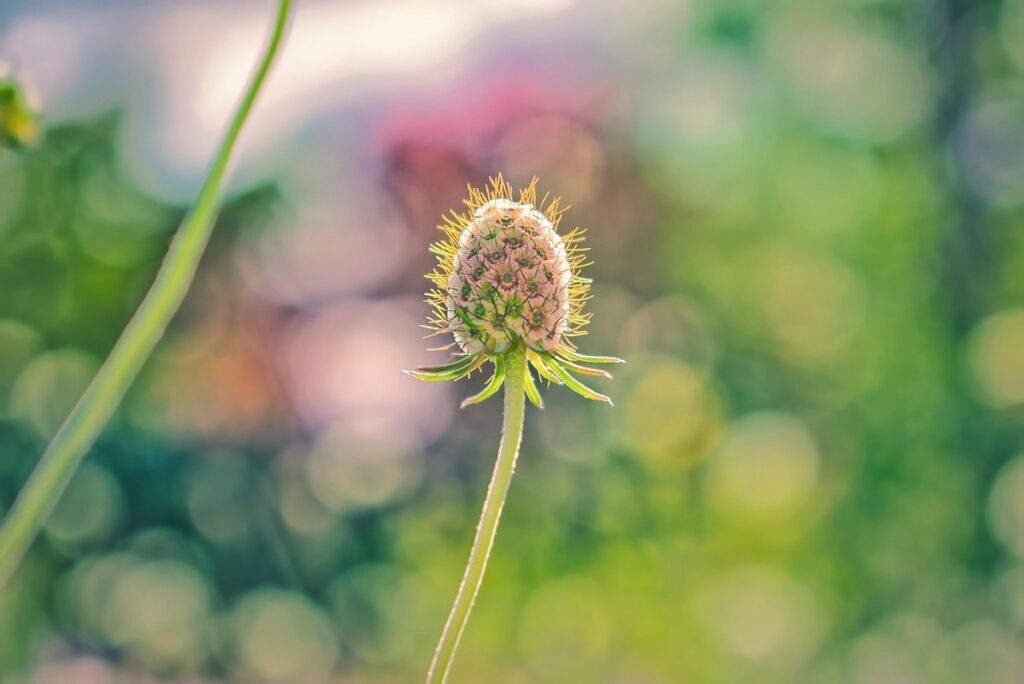
Jimsonweed seed pods are easily recognizable by their unique spiky appearance. The surface of these seed pods is often densely covered with sharp, needle-like protrusions that can range in length from 1-3 inches (2.5-7.6 cm). These spikes can be quite formidable and are a key characteristic used for identification purposes.
When handling jimsonweed seed pods, it’s essential to exercise caution due to the potential for physical harm caused by these spiky protrusions. The spikes can cause puncture wounds or scratches if not handled carefully, making them a hazard for gardeners, outdoors enthusiasts, and anyone who comes into contact with the plant.
If you encounter jimsonweed seed pods in the wild, it’s crucial to handle them gently, wearing protective gloves or long sleeves to avoid skin irritation. The spikes can also cause damage to clothing and equipment if not properly secured. Be mindful of your surroundings when working near areas where jimsonweed is present to minimize the risk of injury from these sharp seed pods.
Size and Shape Variations
Jimsonweed seed pods exhibit significant variations in size and shape, making it essential to understand these differences for accurate identification. The size of the seed pod can range from about 2 inches long and 1 inch wide to as large as 4 inches in length and 3 inches in width.
The shape of the seed pods also varies greatly, with some having a more rounded or oval appearance, while others are elongated or even irregularly shaped. These variations can be used to identify different stages of growth, as well as distinguish between mature and immature seed pods.
For instance, younger seed pods tend to have a narrower base and a more tapering shape than mature ones. As the pod matures, it expands to its maximum size and develops a distinctive ridged or warty texture on its surface. Observing these characteristics can aid in identifying the stage of growth and help prevent confusion with other plants.
Habitat and Distribution of Jimsonweed
Jimsonweed is native to the Americas, but its habitat and distribution span across various regions, including North America, Central America, and parts of South America.
Native and Invasive Regions
Jimsonweed is native to the Americas and parts of Europe, but its invasive tendencies have spread it far beyond its natural habitats. In North America, you can find jimsonweed growing wild from Canada to Mexico, with the highest concentrations in California, Texas, and Florida. In South America, it’s commonly found in Argentina, Brazil, and Chile.
In regions where jimsonweed has been introduced as an invasive species, it often outcompetes native plants for resources like water and nutrients. This can lead to a decline in biodiversity, making ecosystems more vulnerable to disease and pests. For example, in the southeastern United States, jimsonweed’s aggressive growth has pushed out native vegetation, threatening local wildlife habitats.
If you’re planning to venture into areas where jimsonweed is prevalent, be aware of your surroundings. Wear protective clothing and gloves when handling plants or seeds to avoid exposure to its toxic compounds. Invasive regions include the southeastern United States, Australia, and parts of Africa. When hiking or exploring these areas, steer clear of disturbed soil or overgrown vegetation, as this can indicate jimsonweed growth.
Ideal Growing Conditions
Jimsonweed is a resilient plant that can thrive in various conditions. However, it does prefer certain characteristics to optimize its growth. When it comes to soil type, jimsonweed is adaptable and can grow well in a range of soil textures. It typically prefers well-drained soils but can tolerate some waterlogging.
In terms of moisture levels, jimsonweed requires adequate water supply, particularly during its seedling stage. However, excessive moisture can lead to root rot and poor growth. A moderate watering schedule is essential for healthy plant development. As a general rule, it’s best to keep the soil consistently moist but not waterlogged.
Sunlight requirements are another critical factor in jimsonweed growth. This plant thrives in full sun to partial shade conditions. It can grow well in areas with high temperatures and intense sunlight, making it suitable for warm climates. Ideally, provide your jimsonweed plants with at least six hours of direct sunlight per day. By understanding these ideal growing conditions, you’ll be better equipped to prevent unwanted jimsonweed growth on your property.
Risks Associated with Jimsonweed Exposure
Exposure to jimsonweed can have serious and potentially life-threatening consequences, so it’s essential to be aware of the risks involved. We’ll delve into these dangers in more detail below.
Toxicity and Poisoning Symptoms
Exposure to jimsonweed seed pod spikes can have severe and even life-threatening consequences. The plant contains tropane alkaloids, including scopolamine and hyoscyamine, which are potent neurotoxins that can cause poisoning.
Symptoms of jimsonweed poisoning typically begin within 1-2 hours after ingestion and may include hallucinations, delirium, confusion, dry mouth, blurred vision, tachycardia, and urinary retention. In severe cases, victims may experience seizures, coma, or respiratory failure.
Long-term exposure to these toxins can lead to long-lasting cognitive impairment, memory loss, and a host of other neurological problems. Children and elderly individuals are particularly susceptible to the toxic effects of jimsonweed due to their increased sensitivity to neurotoxins.
If you suspect that someone has ingested jimsonweed seed pod spikes or is exhibiting symptoms of poisoning, it’s essential to seek medical attention immediately. Call your local poison control center or emergency services for guidance on what to do next.
Misidentification by Healthcare Professionals
Healthcare professionals have inadvertently played a role in delaying treatment for jimsonweed-related poisonings due to misidentification of symptoms. In some cases, patients with jimsonweed poisoning have been mistakenly diagnosed with conditions such as serotonin syndrome or anticholinergic toxicity.
These misdiagnoses can lead to delays in administering appropriate treatment, which is crucial for mitigating the effects of jimsonweed exposure. For instance, a study published in the Journal of Medical Toxicology reported on a case where a patient with jimsonweed poisoning was initially diagnosed with serotonin syndrome, leading to delayed treatment.
To avoid such misdiagnoses, healthcare professionals must remain vigilant and consider the possibility of jimsonweed exposure when evaluating patients presenting with symptoms like agitation, hallucinations, or tachycardia. A thorough medical history, including inquiries about recent plant exposure, is essential for making an accurate diagnosis. By doing so, healthcare providers can ensure timely treatment and prevent complications from jimsonweed poisoning. If you suspect someone has ingested jimsonweed seeds, seek emergency medical attention immediately.
Prevention and Control Measures
To avoid the painful spikes of jimsonweed seed pods, it’s essential to understand how to prevent them from growing in your garden. Here are some effective control measures to take.
Safe Handling Practices
When handling suspected or identified jimsonweed seed pods, it’s essential to exercise extreme caution. Gloves should be worn at all times, as even small puncture wounds can cause irritation and discomfort. The spikes on the seeds can easily come into contact with skin, leading to minor cuts and scrapes that may seem insignificant but can quickly become infected.
To minimize risks, it’s crucial to use long-handled tools or tongs when manipulating jimsonweed seed pods in the wild or when removing them from your surroundings. If you must touch the seeds with your bare hands, make sure they are thoroughly cleaned and sanitized afterwards. Wash the affected area immediately with soap and warm water.
When working with potentially hazardous materials like jimsonweed seed pods, it’s always better to err on the side of caution. Wear protective eyewear and clothing, including long sleeves and pants, to prevent accidental exposure.
Landscaping and Weed Management Strategies
To prevent jimsonweed growth in affected areas, it’s essential to implement effective landscaping and weed management strategies. When designing a landscape, choose plants that are less susceptible to jimsonweed invasion, such as native species and those with deep roots that can outcompete jimsonweed for resources. Consider using physical barriers like mulch or landscaping fabric to prevent seed pods from germinating.
Regularly remove weeds by hand-pulling or mowing, but be cautious not to spread seeds in the process. For areas with dense weed growth, consider using a non-selective herbicide to kill existing weeds before introducing new plants. Monitor your landscape regularly for signs of jimsonweed, and address any infestations promptly.
It’s also crucial to maintain good garden hygiene by disposing of jimsonweed seeds properly and not composting them. Dispose of seed pods in sealed bags or containers to prevent accidental dispersal. By incorporating these landscaping and weed management strategies into your routine, you can reduce the likelihood of jimsonweed growth and minimize its risks.
Frequently Asked Questions
Can I grow jimsonweed in my backyard or garden?
No, it’s not recommended to cultivate or grow jimsonweed in your backyard or garden due to its highly toxic nature and potential for harm. Instead, focus on learning how to identify and avoid this plant when exploring the outdoors.
How can I tell if I’ve accidentally ingested a part of a jimsonweed seed pod?
If you suspect ingestion, seek medical attention immediately. Symptoms of poisoning may include dry mouth, blurred vision, confusion, and rapid heartbeat. If left untreated, these symptoms can escalate into life-threatening conditions. Know the warning signs to ensure timely intervention.
What are some common mistakes people make when trying to identify jimsonweed seed pods?
Mistakenly identifying harmless plants as jimsonweed or not paying close attention to the plant’s unique characteristics are common pitfalls. Always consult multiple sources and inspect the plant carefully, taking note of its spiky appearance and habitat.
Can I still enjoy nature activities like hiking without fear of encountering jimsonweed seed pods?
Yes, but it’s crucial to be aware of your surroundings and identify any potential hazards. When venturing into areas where jimsonweed is native or invasive, wear protective clothing and stay on marked trails to minimize risks.
How can I safely dispose of jimsonweed plants if I need to remove them from my property?
Wear gloves, long sleeves, and safety glasses when handling jimsonweed plants to avoid exposure. Place the removed plants in sealed bags or containers for proper disposal, making sure to follow local regulations regarding hazardous waste disposal.