
Japanese plants have been a staple in Eastern design for centuries, not just for their unique aesthetic appeal but also for their deep-rooted cultural significance. If you’re looking to bring a touch of serenity and elegance into your garden, it’s time to learn more about these captivating species. From the historical context behind their use in traditional Japanese gardens to the design principles that guide their placement, we’ll delve into the fascinating world of Japanese plants. In this article, we’ll explore how to care for these distinctive species, including tips on soil, sunlight, and pruning techniques. Whether you’re a seasoned gardener or just starting out, you’ll discover how to incorporate Japanese plants into your own garden design with confidence. Let’s embark on a journey through the art and culture of Japan’s beloved flora.
Introduction to Japanese Plant Culture
Japanese plant culture is deeply rooted in history and tradition, influenced by Buddhist and Shinto philosophies. Let’s delve into the basics of this fascinating world together.
Brief History of Japanese Gardening
Japanese gardening has a rich and diverse history that spans over 1,000 years. The art of gardening was heavily influenced by Zen Buddhism, which emphasized the importance of simplicity, harmony with nature, and spiritual growth. In the 8th century, Buddhist monks began cultivating gardens as a way to create peaceful sanctuaries for meditation and contemplation.
During the Edo period (1603-1867), Japanese gardening evolved into a sophisticated art form that incorporated naturalistic design principles, stone lanterns, and carefully selected plant species. The concept of “shakkei” emerged during this time, which refers to the art of using distant views as a visual element in garden design.
Today, Japanese gardening has influenced modern Western design, with many parks and gardens incorporating elements such as koi ponds, bonsai trees, and raked gravel paths. As you create your own Japanese-inspired garden, remember to emphasize simplicity, natural materials, and the integration of living spaces with nature. Study the designs of renowned Japanese gardens, such as Kenrokuen in Kanazawa or Katsura Imperial Villa in Kyoto, for inspiration on how to harmonize your space with its surroundings.
Understanding Key Concepts in Japanese Horticulture
Japanese horticulture is deeply rooted in a profound understanding of its natural surroundings and the principles that govern them. At the heart of this approach lies the concept of wabi-sabi – an aesthetic that celebrates imperfection, impermanence, and the beauty found in simplicity. This principle is reflected in the way Japanese gardeners carefully select plants that thrive in harmony with their environment, rather than trying to control or dominate it.
The yin-yang philosophy also plays a crucial role in shaping Japanese plant cultivation. By embracing this concept, gardeners strive for balance and equilibrium within their gardens, creating spaces that are both harmonious and dynamic. This balance is achieved by juxtaposing contrasting elements – such as light and shade, stillness and movement – to create a sense of depth and visual interest.
When cultivating plants in a Japanese style, it’s essential to consider the natural surroundings. Gardeners should choose plants that complement the local climate, soil type, and available sunlight, rather than forcing foreign species to adapt to their environment. By doing so, they not only ensure the health and well-being of their plants but also create gardens that are deeply connected to the land.
Characteristics of Popular Japanese Plants
As you explore the world of Japanese plants, it’s essential to know which species are most popular among gardeners and enthusiasts. This section highlights some of these beloved plants.
Evergreen Trees and Shrubs: A Look at Momi and Satsuki Azalea
In Japanese gardens, evergreen trees and shrubs play a vital role in providing year-round beauty and structure. Two popular species that stand out for their unique features and low-maintenance requirements are Momi (Japanese Cypress) and Satsuki Azalea.
Momi is an excellent choice for its ability to thrive in shaded conditions, making it perfect for areas with limited sunlight. Its conical shape and compact growth habit make it an ideal specimen tree or hedge plant. When choosing a Momi, select one with a straight trunk and well-spaced branches to ensure optimal density.
Satsuki Azalea is another popular evergreen shrub, renowned for its vibrant flowers in shades of pink, purple, and white. It requires acidic soil and regular watering but can tolerate some shade. For best results, plant Satsuki Azalea in a spot with partial sun and rich, well-draining soil.
To ensure the health and longevity of your Momi or Satsuki Azalea, remember to water them regularly during dry spells and fertilize them lightly in the spring. Prune annually to maintain shape and promote healthy growth. By following these simple care tips, you can enjoy the beauty of these evergreen species for years to come.
Seasonal Interest Plants: Cherry Blossoms and Maples
In Japan, seasonal interest plants are highly valued for their unique beauty and ability to thrive during specific times of the year. Among these, cherry blossoms (sakura) and maples (kaede) stand out for their breathtaking displays.
Cherry blossoms, typically blooming in late March or early April, are a quintessential symbol of Japanese culture. These delicate trees produce vibrant pink flowers that adorn gardens and parks across the country. To make the most of this fleeting beauty, plant cherry blossom trees in well-draining soil with full sun to partial shade.
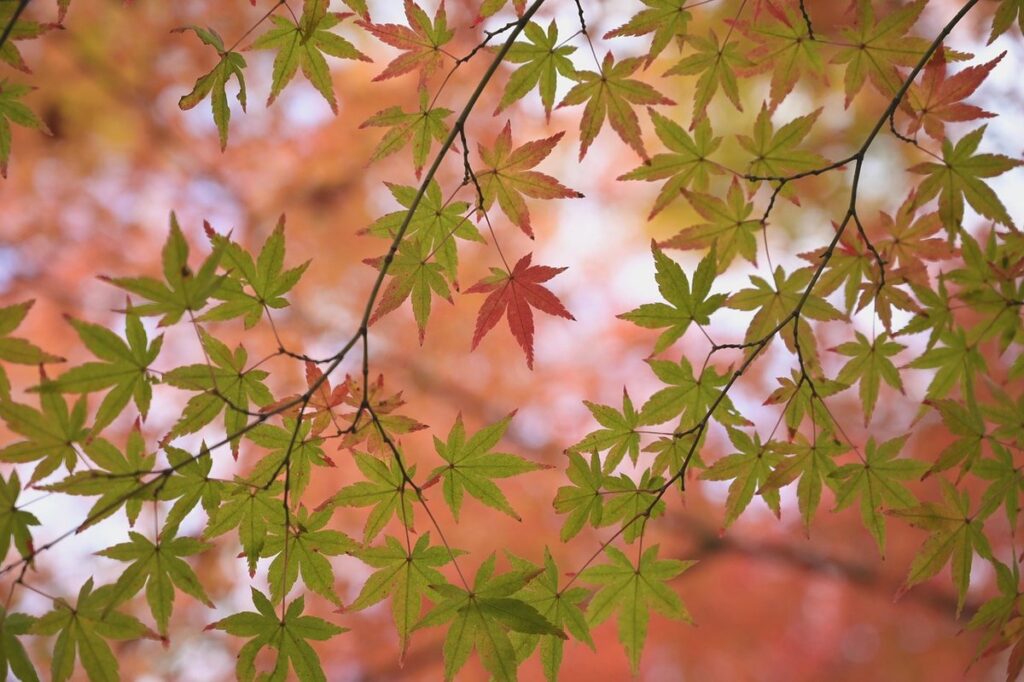
Maples, on the other hand, showcase their stunning foliage during autumn, transforming into kaleidoscopes of color from deep crimson to golden yellow. Planting maples requires careful consideration of soil pH and moisture levels, as they prefer slightly acidic conditions and consistent watering. When selecting maple species for your garden, consider factors such as mature size, growth rate, and resistance to disease.
To incorporate seasonal interest plants like cherry blossoms and maples into your Japanese-inspired garden design, choose varieties that complement each other in terms of bloom timing and foliage color. This will create a dynamic display that changes with the seasons, captivating visitors and enhancing your outdoor space’s beauty.
Design Principles for Creating a Japanese-Inspired Garden
When designing your own serene oasis, consider these essential principles: simplicity, harmony, and balance. These key elements will guide you in creating a tranquil and inviting space.
The Role of Negative Space and Texture
In a traditional Japanese garden, negative space and texture play a crucial role in creating a serene atmosphere. Negative space refers to the absence of visual elements in a particular area, which allows the eye to rest and appreciate the simplicity of the design. Think of it as a “breathing room” for your garden, where the mind can wander and relax.
To incorporate negative space into your Japanese-inspired garden, consider leaving some areas unplanted or using gravel or sand as a ground cover. This will not only create visual interest but also provide a sense of calmness to the overall ambiance. For example, a meandering stone path surrounded by lush foliage creates a harmonious balance between texture and negative space.
Texture, on the other hand, is achieved through the use of different materials such as wood, stone, and water features. These elements add depth and visual interest to the garden, inviting the visitor to explore and engage with nature. To create a sense of continuity, choose textures that complement each other, like smooth stone and rough bark. By thoughtfully incorporating negative space and texture into your design, you’ll be able to transport yourself and others to a peaceful oasis inspired by traditional Japanese gardens.
Incorporating Natural Materials and Elements
When it comes to creating an immersive Japanese landscape experience, incorporating natural materials like stone, wood, and water features is essential. These elements not only add depth and visual interest but also create a sense of harmony with nature.
Stone, for instance, is a versatile material that can be used in various ways. From sleek, modern gabions to rustic, weathered rocks, the texture and color of stone can significantly impact the overall aesthetic of your garden. Consider incorporating stepping stones or a large boulder to create a sense of visual flow and balance.
Wood is another natural element that plays a vital role in Japanese landscaping. Think beyond traditional decking or fencing – use reclaimed wood for planters, trellises, or even a bridge to add warmth and character to your space. When selecting woods, opt for species native to Japan, such as hinoki or cypress, for an authentic look.
Water features, like ponds or streams, are also crucial in creating a serene Japanese atmosphere. These elements not only provide soothing sounds but also create habitats for beneficial insects and wildlife.
Caring for Your Japanese Plants: Tips and Best Practices
To keep your beautiful Japanese plants thriving, it’s essential to understand their specific needs, from watering and pruning to pest control and seasonal care. Proper care will ensure they remain healthy and vibrant for years to come.
Watering and Soil Management Strategies
When it comes to caring for your Japanese plants, understanding their specific watering and soil needs is crucial. A common mistake many gardeners make is overwatering, which can lead to root rot and other issues. Instead, stick to a consistent schedule that allows the soil to dry slightly between waterings.
For most Japanese plants, this means watering once or twice a week during the spring and summer months when they’re actively growing. However, during periods of drought or in the winter months, reduce watering to once every 10-14 days.
Maintaining optimal soil pH levels is also vital for Japanese plant health. Most varieties prefer slightly acidic to neutral soils with a pH between 5.5 and 7.0. To achieve this, you can add organic matter like peat moss or compost to your soil mix. Regularly testing your soil pH will help you adjust as needed.
In addition to watering and soil care, consider repotting your Japanese plants every year to refresh their soil and prevent nutrient depletion. This simple step can make a significant difference in their overall health and appearance.
Pest and Disease Prevention Methods
Preventing pests and diseases is crucial to maintaining the health and beauty of your Japanese plants. To do so effectively, it’s essential to understand the common culprits that threaten these delicate plants.
Inspect your plants regularly for signs of infestation or disease, such as white powdery patches on leaves (a symptom of mealybug or spider mite infestations) or yellowing leaves that may indicate root rot. Regularly cleaning your plant’s pot and saucer with a gentle detergent can help prevent pests from taking hold.
To prevent diseases, ensure good air circulation around your plants by keeping them at least 6-8 inches apart. Water carefully, as overwatering is often the primary cause of root rot. Use rainwater or distilled water to avoid mineral buildup in the soil, which can exacerbate disease issues.
Additionally, consider using neem oil or insecticidal soap to prevent pest infestations before they become a problem. By staying vigilant and taking proactive steps, you can protect your Japanese plants from common pests and diseases, ensuring their health and longevity.
Exploring the Symbolism of Japanese Plants
Japanese plants have been imbued with rich symbolic meaning for centuries, and understanding their significance can elevate your appreciation for these beautiful blooms. Let’s delve into the world of chrysanthemums, wisteria, and other iconic Japanese flora.
Cherry Blossoms: The Fleeting Nature of Life
Cherry blossoms, also known as sakura, are perhaps Japan’s most iconic and revered plant symbol. Their transient beauty has captivated artists, poets, and philosophers for centuries. In Japanese culture, cherry blossoms represent the fleeting nature of life, often referred to as “mono no aware” – a poignant awareness of impermanence.
As the blossoms bloom for just a few weeks each spring, they remind us that everything in life is temporary. This ephemeral quality has inspired many famous haikus and ukiyo-e woodblock prints. For example, the great Japanese poet Matsuo Bashō wrote about cherry blossom viewing as “a fleeting pleasure.” Similarly, the practice of hanami (cherry blossom viewing) encourages people to appreciate the beauty of life’s moments before they pass.
Practically, this means embracing the present and letting go of attachments. It’s a reminder that our time is limited, and we should cherish each moment with family, friends, or in nature. Just as cherry blossoms fall from their branches only to nourish new growth, we too can find meaning in our impermanence, allowing us to appreciate life’s beauty and significance.
Bamboo: Strength, Flexibility, and Harmony
In Japanese culture, bamboo is revered for its remarkable strength, flexibility, and ability to thrive in harmony with nature. This iconic plant has been a staple in Japanese tradition for centuries, symbolizing resilience, adaptability, and spiritual growth.
Bamboo’s unique properties make it an ideal representation of the balance between rigidity and flexibility. Its sturdy stems can withstand strong winds and harsh weather conditions, yet they remain supple and able to bend without breaking. This paradoxical quality has led to bamboo being associated with the concept of “yin-yang,” where opposing forces coexist in harmony.
In Japanese spiritual practices, bamboo is often used as a metaphor for personal growth and self-awareness. For instance, during meditation, bamboo is used as a visual aid to represent the balance between stillness and movement. To incorporate this principle into your daily life, try taking a mindful walk through a bamboo forest, focusing on the subtle sounds and gentle sways of the plants. By immersing yourself in the soothing energy of bamboo, you can cultivate a deeper sense of inner peace and harmony with nature.
When using bamboo as a symbol in Japanese design, it’s often paired with other elements that reflect its cultural significance, such as cherry blossoms or kanji characters. To incorporate this aesthetic into your home decor or garden, consider adding bamboo accents, like wind chimes or planters, to create a serene and balanced atmosphere.
As you explore the symbolism of bamboo in Japanese culture, remember that its strength lies not only in its physical properties but also in its ability to embody the principles of balance, harmony, and spiritual growth. By embracing these qualities, you can tap into the profound wisdom embedded within this revered plant.
Maintaining a Sustainable Japanese Garden
Now that you’ve cultivated a beautiful Japanese garden, let’s focus on maintaining it to ensure its health and sustainability for years to come. This involves regular pruning, watering, and pest control techniques.
Eco-Friendly Materials and Practices
When it comes to maintaining a sustainable Japanese garden, using eco-friendly materials and practices is essential. Not only do they help reduce environmental impact, but they also maintain the beauty of your garden. One way to achieve this is by using natural and biodegradable materials for gardening needs. For instance, instead of synthetic fertilizers, try using compost made from kitchen waste or animal manure.
Consider repurposing old containers or wooden planters instead of buying new ones made from non-sustainable materials. Natural fibers like bamboo or jute can be used for garden ties and plant labels, reducing plastic waste. You can also create a self-watering system using clay pots and recycled materials to minimize water consumption.
In addition to materials, adopt eco-friendly gardening practices such as mulching with organic matter like wood chips or leaves. This helps retain moisture in the soil and reduces weed growth. Also, incorporate beneficial insects like bees and butterflies by planting native flowers that attract them. By incorporating these simple changes into your Japanese garden design, you’ll not only create a more sustainable space but also maintain its beauty for years to come.
Seasonal Renovations and Rotations
In a traditional Japanese garden, seasonal rotations are an essential aspect of maintaining balance and harmony with nature. This approach not only minimizes waste but also ensures that the garden remains vibrant throughout the year.
To implement seasonal renovations, it’s crucial to understand the characteristics of each plant type and their respective blooming periods. For instance, spring-blooming plants like cherry blossoms (Sakura) or azaleas typically thrive from late March to early May, while summer flowers such as lilies or hydrangeas bloom from June to August.
For a continuous display of blooms, it’s recommended to stagger planting times for different plant species. For example, plant spring-flowering bulbs in the fall (around September or October) and have them emerge just in time for the new season. Similarly, incorporate summer-blooming perennials like daylilies or coneflowers into your garden design.
To minimize waste, carefully prune or replant any spent flowers to make way for seasonal replacements. By adopting this thoughtful approach to garden maintenance, you can create a stunning and dynamic display of Japanese plants that changes with the seasons.
Frequently Asked Questions
Can I use Japanese plants in a small garden or indoor space?
While traditional Japanese gardens are often large, you can still incorporate elements of this style into smaller spaces. Consider using compact varieties of plants like bonsai trees, mosses, and small shrubs to create a serene atmosphere.
How do I balance the design principles for creating a Japanese-inspired garden with my existing yard’s unique features?
To achieve a harmonious blend, start by observing your yard’s natural landscape, including its topography, soil, and microclimate. Then, adapt Japanese design principles like wabi-sabi (acceptance of imperfection) and shakkei (borrowed scenery) to complement your yard’s unique characteristics.
Can I combine different types of plants from the same region in one garden?
Yes! While it’s true that traditional Japanese gardens often feature a single dominant species, modern interpretations allow for greater diversity. Consider combining native Japanese plants with other Asian species or regional favorites to create a unique, layered landscape.
What are some key factors to consider when selecting plants from a local nursery versus mail-order options?
When shopping locally, assess the nursery’s plant health, variety selection, and experience with Japanese flora. For mail-order purchases, research the supplier’s reputation, plant hardiness in your area, and shipping conditions to ensure healthy delivery.
Are there any special considerations for pruning Japanese plants during certain seasons?
While pruning is essential throughout the year, be mindful of seasonal fluctuations. Prune deciduous trees and shrubs in late winter or early spring when dormant, but avoid pruning evergreen species during periods of active growth (typically May-September).