
Creating a serene Japanese garden is a timeless pursuit that brings balance to any outdoor space. But, have you ever wondered how to choose the perfect plants for your harmonious oasis? With so many options available, it can be overwhelming to decide which ones will thrive in our climate and provide year-round interest. From vibrant spring-blooming flowers like cherry blossoms and azaleas to stately winter-interest trees like Japanese maples, the right selection of plants is crucial to achieving that sought-after tranquility.
In this comprehensive guide, we’ll walk you through the best Japanese garden plants list, covering a range of species that cater to different seasons and climates. You’ll learn how to care for these delicate yet resilient plants, ensuring your outdoor space remains beautiful and serene all year round.
Choosing the Right Plants for Your Japanese Garden
When selecting plants for your Japanese garden, it’s essential to consider factors such as climate, sunlight, and moisture levels to ensure a thriving and authentic space. Let’s explore some top picks that will make your garden shine.
Introduction to Japanese Garden Plant Selection
When selecting plants for your Japanese garden, it’s essential to choose species that are well-suited to the unique conditions found in these gardens. Japan’s climate is characterized by hot summers and cold winters, with distinct seasonal changes that impact plant growth.
In a typical Japanese garden, you’ll find a mix of evergreen and deciduous trees, as well as flowering plants that bloom at different times of the year. When choosing plants for your garden, consider those that thrive in partial shade to full sun, depending on the specific conditions of your yard.
Soil type is another crucial factor to consider when selecting Japanese garden plants. Most gardens in Japan feature acidic soils with a pH level between 5.5 and 6.5. Be aware of the native soil conditions in your area and choose plants that can tolerate or even thrive in those conditions. Some good examples include Japanese maples, azaleas, and rhododendrons.
Remember to research each plant’s specific needs before making a final decision. By selecting plants that are adapted to Japanese garden conditions, you’ll ensure a beautiful and thriving oasis that brings balance and serenity to your outdoor space.
Understanding Japanese Garden Styles and Themes
When creating a Japanese garden, it’s essential to understand the different styles and themes that inspire its design. Traditional Japanese gardens often reflect a deep connection with nature and a desire for tranquility. One of the most well-known styles is Zen gardens, characterized by minimalist designs featuring carefully raked gravel or sand, moss, and strategically placed rocks.
Shinto gardens, on the other hand, focus on spiritual growth and harmony between humans and nature. These gardens often incorporate natural features like waterfalls, streams, and large trees. Karesansui, also known as dry rock gardens, are a more dramatic style that uses carefully arranged stones to create visually striking compositions.
Understanding these styles is crucial in selecting the right plants for your Japanese garden. For example, if you’re aiming for a Zen-inspired design, you may choose low-maintenance plants like moss or creeping thyme, which thrive in areas with limited water and care. By choosing plants that align with the intended theme of your garden, you can create a cohesive and serene space that reflects your vision and enhances your connection to nature.
In a Shinto garden, plants like Japanese maple trees (Acer palmatum) or chrysanthemums are ideal due to their symbolic significance in Japanese culture.
Popular Plant Families for Japanese Gardens
When designing a Japanese garden, selecting plants from popular families can add depth and authenticity to the space. Three iconic plant families often featured in Japanese gardens are bamboo, cherry blossoms (Prunus serrulata), and maple trees.
Bamboo, particularly Fargesia and Chusquea species, are commonly used for their slender stems and feathery foliage. They can be incorporated as hedges or screens, adding a sense of tranquility to the garden. However, keep in mind that bamboo can spread aggressively if not properly contained, so it’s essential to plant them in containers or use physical barriers to prevent invasive growth.
Cherry blossoms, with their stunning pink and white blooms, bring vibrancy to Japanese gardens. Prunus serrulata is a popular choice due to its relatively compact size and profuse flowering habit. When planting cherry blossoms, ensure the soil drains well and receives full sun for optimal blooming.
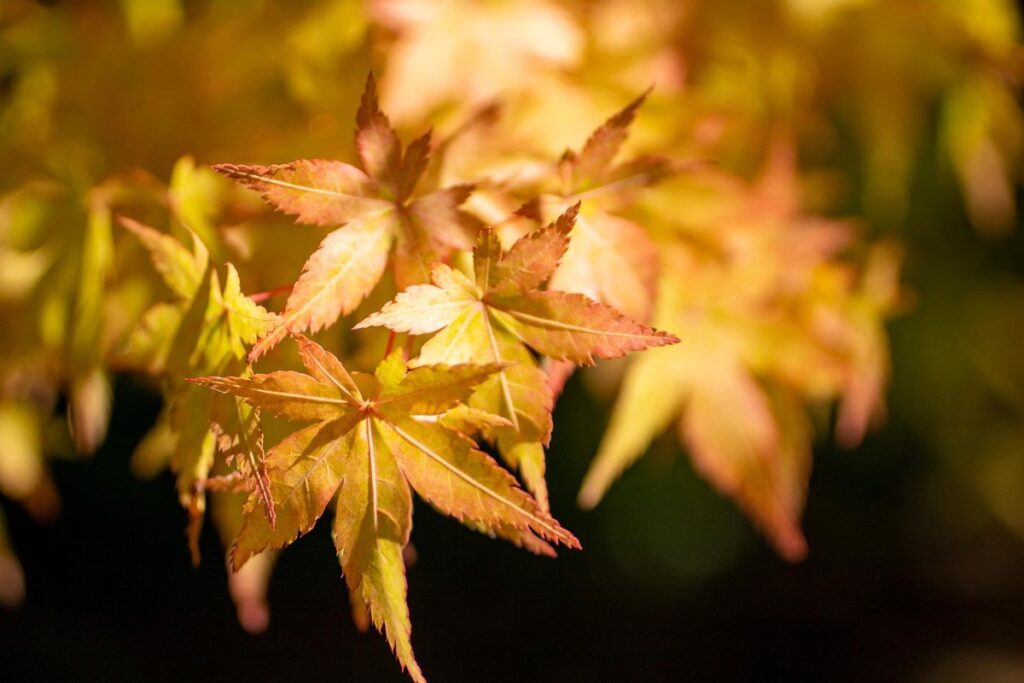
Maple trees (Acer spp.) are renowned for their striking foliage and ability to thrive in shade. Japanese maples like Acer palmatum and Acer japonicum can add unique textures and colors to the garden, making them an excellent choice for shaded areas or as specimen plants.
Plants for Different Seasons and Features
When designing a Japanese garden, choosing plants that thrive during each season is crucial. Here, we’ll explore plants suitable for different seasons and features to help you create a stunning and resilient space.
Spring Blooming Flowers and Trees
In a Japanese garden, spring is a season of vibrant colors and sweet fragrances, thanks to an array of beautiful blooming flowers and trees. As the last wisps of winter’s chill dissipate, these plants burst forth with colorful blooms that signal the arrival of warmer weather.
Azaleas, for instance, are a staple in many Japanese gardens, their delicate petals unfolding like tiny lanterns in shades of pink, purple, and white. Rhododendrons, too, are popular choices, their showy clusters of flowers adding a pop of color to shady spots. Flowering cherries, with their stunning displays of pale pink or white blooms, are also favorites among Japanese garden enthusiasts.
To create a dramatic spring display in your own Japanese garden, consider planting a mix of these and other blooming plants together. The key is to choose varieties that bloom at slightly different times, ensuring a continuous show of color from early March to late May. This will give you the opportunity to enjoy the beauty of each plant’s blooms without them overlapping.
Some popular spring-blooming Japanese garden plants include:
* Azalea (Rhododendron spp.)
* Rhododendron (Rhododendron spp.)
* Flowering Cherry (Prunus serrulata)
* Camellia (Camellia spp.)
* Weigela (Weigela florida)
Summer Shade Providers and Foliage
When designing your Japanese garden, it’s essential to incorporate plants that provide summer shade and interesting foliage. During the hot summer months, these plants not only offer relief from direct sunlight but also add vibrancy to your outdoor space.
Hydrangeas are a popular choice for Japanese gardens due to their stunning flower displays in shades of pink, blue, and white. Their large leaves also create a dappled shade effect on the surrounding area. When selecting hydrangeas, consider varieties like ‘Limelight’ or ‘Vanilla Stripes’, which offer an added bonus of interesting foliage colors.
Hostas are another excellent option for summer shade, featuring heart-shaped leaves in various shades and patterns. They thrive in shady conditions and can be used as a ground cover to create a lush, green carpet underfoot. Some popular hosta varieties include ‘August Moon’ and ‘Blue Mouse Ears’.
For a more dramatic effect, consider incorporating Japanese maples into your garden design. These deciduous trees showcase stunning foliage colors, ranging from deep crimson to bright gold, depending on the season. They prefer partial shade and well-drained soil, making them an ideal choice for shaded areas of your garden.
Incorporating these plants will not only add visual interest but also create a serene atmosphere in your Japanese garden during the summer months.
Autumn Color and Winter Interest
When it comes to creating a visually stunning Japanese garden that offers interest throughout the year, it’s essential to choose plants that thrive during autumn and winter. For those who want to add vibrant color to their garden in fall, katsura trees (Cercidiphyllum japonicum) are an excellent choice. These deciduous trees produce striking golden-yellow leaves that turn a deep crimson before falling off, creating a breathtaking spectacle.
Japanese holly (Ilex crenata) is another great option for winter interest, as its glossy, dark green leaves provide year-round structure and texture to the garden. In addition, many varieties of pine trees, such as Japanese black pine (Pinus thunbergii), offer interesting shapes and textures during winter, even when their foliage has dropped.
To incorporate these plants into your Japanese garden design, consider grouping them with other elements that create visual interest during the dormant season, like architectural features or winter-blooming flowers. By carefully selecting plants for autumn color and winter interest, you can ensure your garden remains beautiful throughout the year.
Trees and Shrubs for Structure and Texture
When designing a Japanese garden, strategically selecting trees and shrubs is crucial to create visual interest and depth. Let’s explore some top picks for structure and texture!
Deciduous Trees for Seasonal Change
Deciduous trees are an excellent choice for Japanese gardens as they provide structure and add visual interest with their seasonal changes. Maple (Acer), cherry (Prunus), and oak (Quercus) are popular options, but there are many more to consider.
When selecting a deciduous tree, think about the mature size and shape to ensure it fits within your garden’s designated space. For example, the Japanese maple (Acer palmatum) grows relatively small, making it perfect for smaller gardens or as a focal point in a larger one. On the other hand, the white oak (Quercus alba) can grow quite large, providing shade and structure to a more extensive area.
To incorporate deciduous trees into your Japanese garden design, consider their autumn foliage color. The sugar maple (Acer saccharum), for instance, boasts vibrant orange and red hues, while the Japanese cherry (Prunus serrulata) displays delicate pink tones. Planting multiple species with varying autumn colors will create a dynamic display of seasonal change.
When selecting trees, also consider their growth rate, as some may need regular pruning to maintain shape and size. Research each tree’s specific needs to ensure you’re providing the best environment for it to thrive.
Evergreen Shrubs for Year-Round Interest
When it comes to creating visual interest in your Japanese garden throughout the year, evergreen shrubs are an essential component. These hardy plants provide a lush, green backdrop that adds depth and texture to your outdoor space. Take, for instance, the versatile Japanese boxwood (Buxus microphylla). Its compact growth habit makes it perfect for hedges or topiaries, while its small leaves add delicate charm to any landscape.
Holly (Ilex spp.) is another popular choice, with its glossy leaves and bright red berries providing a striking pop of color. Look for varieties like ‘Nellie R. Stevens’ or ‘Blue Princess’, which are bred specifically for their ornamental value. Cedar shrubs (Cedrus spp.), on the other hand, bring a sense of drama to your garden, with their towering conical shape and feathery foliage.
To incorporate these evergreen shrubs into your Japanese garden design, consider layering them with other plants to create visual interest. For example, plant low-growing shrubs like Japanese boxwood or holly along the edges of pathways or near water features. Meanwhile, use larger cedar shrubs as a focal point or backdrop for other plants. By choosing the right evergreen shrub and incorporating it into your design thoughtfully, you can create a beautiful, year-round landscape that brings joy to you and your family.
Topiary and Pruned Trees for Design
In a Japanese garden, topiary and pruned trees are often used to create striking design elements that bring visual interest and harmony to the space. These carefully crafted tree forms can add an extra layer of meaning and symbolism to the garden, making it even more beautiful and thought-provoking.
To incorporate topiary and pruned trees into your Japanese garden design, consider using species like the Pinus thunbergii (Japanese Black Pine) or the Prunus serrulata (Japanese Flowering Cherry). These trees are well-suited for pruning and can be shaped to create unique forms that reflect the principles of wabi-sabi – imperfection and acceptance.
For a more dramatic effect, try creating a “mori” – a Japanese-style topiary forest. This involves pruning multiple trees together to create a dense, verdant screen that filters light and creates dappled shadows on the surrounding landscape. By incorporating these carefully crafted tree forms into your design, you can add depth, texture, and visual interest to your Japanese garden, making it a truly one-of-a-kind space.
Care and Maintenance Tips
To keep your Japanese garden looking its best, it’s essential to learn how to properly care for and maintain your plants throughout different seasons. This includes regular pruning, watering, and fertilizing tasks.
Watering and Soil Considerations
When it comes to watering and soil care for Japanese garden plants, there are some specific considerations to keep in mind. First, it’s essential to understand that Japanese gardens often feature a mix of plants adapted to different levels of moisture, from drought-tolerant species like succulents to those requiring consistent water supply like bamboo.
For most Japanese garden plants, it’s crucial to avoid overwatering. This can lead to root rot and other problems common in moist environments. To gauge the right amount of water for your plants, check the soil moisture by inserting a finger into the soil up to the first knuckle. Water only when the top inch or two feels dry.
Mulching and fertilization are also key aspects of Japanese garden care. Mulch helps retain moisture and suppress weeds, but be sure to use an organic mulch like bark chips or straw that won’t decompose quickly. As for fertilization, Japanese gardens often rely on natural compost created from plant waste rather than synthetic fertilizers.
To create a nutrient-rich compost, set aside dedicated areas in your garden where you can collect leaves and other organic materials as they fall. These will eventually break down into valuable compost that will nourish your plants without promoting pests or diseases.
Pests and Diseases Common to Japanese Gardens
As you tend to your Japanese garden, it’s not uncommon to encounter pests and diseases that can harm your plants. Here are some common culprits to watch out for: Slugs and snails are particularly fond of Japanese maples and azaleas, so keep an eye out for their silvery trails on leaves and stems. To prevent these pests, consider using copper tape or crushed eggshells around plant bases.
Another common problem is aphids, which can spread diseases like powdery mildew and root rot. These tiny insects thrive in warm temperatures and can be difficult to spot, but look for clusters of eggs or actual aphids on stems and leaves. To control them, spray your plants with a gentle soap solution or introduce beneficial predators like ladybugs.
Powdery mildew is another disease that affects Japanese garden plants, particularly those with dense foliage like hydrangeas and rhododendrons. Remove any infected areas and improve air circulation by pruning nearby plants to prevent re-infection.
To keep your Japanese garden healthy and pest-free, practice good hygiene: disinfect tools between uses, and inspect plants regularly for signs of trouble.
Seasonal Pruning and Maintenance Tasks
To keep your Japanese garden thriving and beautiful throughout the year, it’s essential to perform regular seasonal pruning and maintenance tasks. In temperate climates, spring is an ideal time for renewal, as new growth emerges after a dormant winter period.
Begin by inspecting your plants for signs of damage or disease, removing any dead or dying material to prevent the spread of pests or diseases. Prune back overgrown branches, cutting at a 45-degree angle just above a bud or leaf node to encourage healthy regrowth.
In summer, focus on providing sufficient water and nutrients for your plants. Regularly inspect soil moisture levels, adjusting watering schedules as needed. Fertilize plants with a balanced, water-soluble fertilizer during the growing season (spring-fall) to promote vibrant foliage and blooms.
Autumn brings the opportunity to prepare your garden for winter dormancy. Prune back perennials, cutting them down almost to ground level to conserve energy and prevent damage from harsh weather conditions. Finally, in winter, protect vulnerable plants with a layer of mulch or burlap, ensuring they remain healthy until spring’s renewal.
Conclusion: Creating a Harmonious Japanese Garden
Now that you’ve learned how to choose and care for your favorite Japanese garden plants, let’s bring it all together with these final tips on creating harmony in your outdoor space.
Integrating Plants with Other Design Elements
When integrating plants with other design elements, it’s essential to create a harmonious balance that reflects the principles of traditional Japanese gardening. To achieve this, consider pairing plants with stone pathways, water features, and bonsai trees.
For instance, a meandering stone pathway can be lined with low-maintenance plants like creeping thyme or sweet woodruff, which will spill over onto the path, creating a soft, lush texture. Alternatively, you can use larger plants like bamboo or Japanese maples to create a sense of depth and structure along the pathway.
Water features, such as ponds or koi ponds, can be complemented by aquatic plants like water lilies or irises, which will add color and interest to the surrounding area. Bonsai trees can also be incorporated into your design, with small trees like Japanese black pine or juniper being well-suited for placement near pathways or water features.
Remember to choose plants that thrive in your local climate and soil conditions to ensure a long-lasting, thriving garden.
Tips for a Low-Maintenance Japanese Garden
Creating a low-maintenance Japanese garden may seem like an oxymoron, but with the right plant selection and care strategies, it’s definitely achievable. One of the key principles of a Japanese garden is simplicity, so choose plants that thrive in shade or partial shade to minimize maintenance.
When selecting plants for your low-maintenance Japanese garden, consider using native species that are adapted to your region’s climate. For example, hostas and astilbe are excellent choices for shaded areas, while ornamental grasses like pampas grass and fountain grass add movement without requiring frequent pruning.
Water conservation is another crucial aspect of a low-maintenance Japanese garden. Use drought-tolerant plants that require less watering, such as succulents or mosses, to reduce your water bill. Mulch around plants to retain moisture and suppress weeds. Additionally, incorporate natural elements like rocks, gravel, and wood to create visual interest without the need for frequent maintenance.
By incorporating these tips into your garden design, you can enjoy a serene and beautiful Japanese-style garden with minimal upkeep.
Frequently Asked Questions
What are some essential factors to consider when selecting plants for my Japanese garden, given that Japan’s climate is characterized by hot summers and cold winters?
When choosing plants for your Japanese garden, remember to consider climate, sunlight, moisture levels, and the specific seasonal changes in your area. This will ensure that your plants thrive and provide year-round interest. Research which species are well-suited to your local conditions, and don’t hesitate to ask a nursery expert or gardening professional for guidance.
How can I incorporate Japanese garden styles and themes into my existing outdoor space without breaking the bank?
To achieve an authentic Japanese garden look on a budget, focus on incorporating key design elements such as natural stone pathways, water features (even small ones), and native plants. You can also repurpose items like old lanterns or pottery to add a touch of Japanesque charm.
Are there any specific tips for pruning and maintaining Japanese garden plants during different seasons?
Yes. Regular seasonal pruning is crucial for maintaining the health and aesthetic appeal of your Japanese garden plants. For example, prune spring-blooming flowers after they’ve finished blooming, while deciduous trees should be pruned in late winter or early spring before new growth begins.
Can I create a low-maintenance Japanese garden using plants that require minimal care?
While many Japanese garden plants do thrive with regular maintenance, some species are indeed more low-maintenance than others. Consider incorporating drought-tolerant plants like Japanese anemone or ornamental grasses into your design to reduce watering needs and minimize upkeep.
How can I ensure my Japanese garden remains pest- and disease-free?
To maintain a healthy and pest-disease free Japanese garden, practice good gardening habits such as removing weeds, avoiding overwatering, and inspecting plants regularly for signs of pests or diseases. Consider using organic pest control methods whenever possible, and consult with local experts for advice on managing common issues in your area.