
Japanese beetles are notorious for their voracious appetite, particularly when it comes to roses. These pesky insects can decimate your carefully tended garden in no time, leaving behind a trail of ravaged blooms and stripped leaves. But don’t worry, you’re not alone in the fight against these unwanted visitors! With the right strategies in place, you can protect your rose garden from Japanese beetle damage and enjoy healthy, thriving flowers all season long.
In this article, we’ll take a closer look at how to identify and prevent Japanese beetles on roses. We’ll explore expert tips for attracting natural predators that will help keep these pests under control, as well as discuss the effectiveness of organic controls like neem oil and insecticidal soap. Additionally, we’ll cover long-term prevention strategies to ensure your rose garden remains beetle-free year after year. By the end of this article, you’ll be equipped with everything you need to defend your roses against these common garden pests.
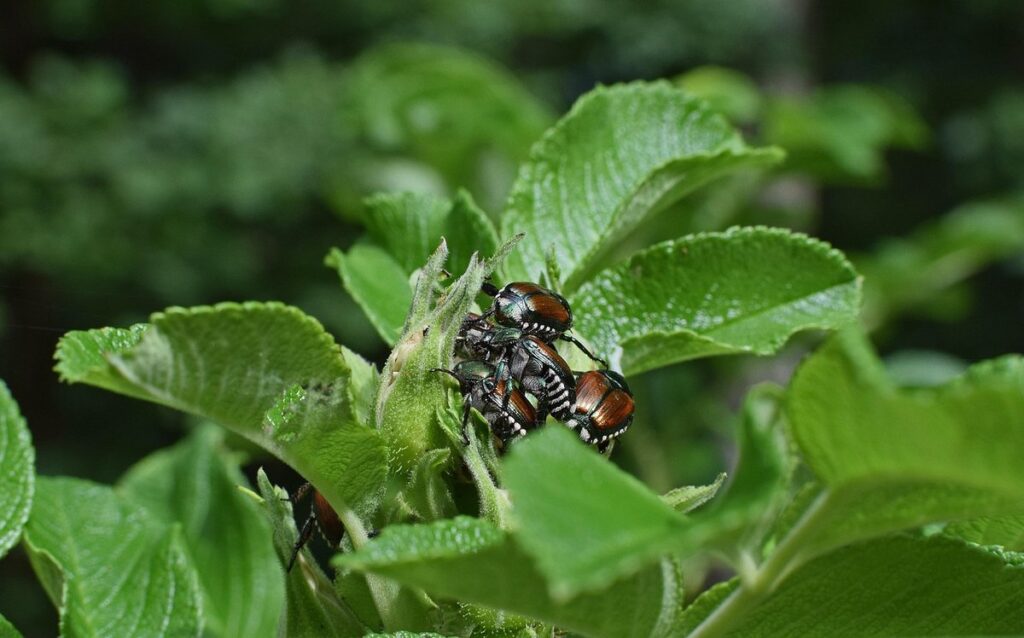
Understanding Japanese Beetles on Roses
As you try to identify and deal with the issue, it’s essential to understand the habits and characteristics of Japanese beetles on roses. They have distinctive markings that set them apart from other pests.
What are Japanese Beetles?
Japanese beetles are one of the most devastating pests to rose gardens. These metallic-green insects with coppery-brown elytra (wing covers) are native to Japan and were first introduced to North America in the late 19th century. They have since become a widespread problem for gardeners, causing significant damage to roses and other plants.
Japanese beetles undergo complete metamorphosis, which means they go through four distinct life stages: egg, larva, pupa, and adult. Adult beetles emerge from the soil in late spring and early summer, feeding on plant leaves, flowers, and stems. Their voracious appetite can cause significant damage to rose bushes, leaving them weakened and vulnerable to disease.
Female Japanese beetles lay their eggs in June and July, typically in the soil around the base of the affected plants. The larvae feed on root systems, weakening the plant’s ability to absorb water and nutrients. If left unchecked, Japanese beetle infestations can lead to significant losses for gardeners, with some estimates suggesting that a single beetle can cause up to $40 worth of damage to a rose bush over its lifespan.
Life Cycle of Japanese Beetles
The life cycle of Japanese beetles is a crucial aspect to understand when trying to manage their presence in rose gardens. The process begins with eggs, which are typically laid on the underside of leaves and stems in late spring to early summer. Female beetles can lay up to 60 eggs at a time, and they will hatch into larvae within about two weeks.
As the larvae feed on plant material, they grow and molt several times before entering a pupal stage, usually taking around three to four weeks. During this period, they transform into adult beetles. Adult Japanese beetles emerge from the soil in late June or early July, with the peak emergence typically occurring in mid-to-late July.
Factors such as weather conditions, availability of food sources, and soil moisture can influence their presence in rose gardens. For example, a hot, dry summer may encourage beetles to feed more intensively on roses, while an extended period of rainfall might lead them to seek out alternative food sources. By understanding the life cycle and factors that affect Japanese beetle populations, gardeners can better plan for management strategies and timing.
It’s also essential to keep in mind that adult Japanese beetles typically live only about 30-40 days, although some individuals may survive longer. This relatively short lifespan means that controlling their presence through timely interventions, such as hand-picking or using biological controls, can be an effective way to mitigate damage.
Identifying Japanese Beetle Damage on Roses
To identify Japanese beetle damage on roses, look for signs of feeding such as small holes and chewed leaves. A close inspection will reveal the extent of the damage caused by these pesky insects.
Visual Signs of Infestation
When inspecting your rose bushes for signs of Japanese beetle damage, it’s essential to look out for visual signs that indicate an infestation. One of the most obvious indicators is the presence of holes on leaves and flowers. These holes are typically round or oval-shaped and can range in size from 1/8 inch to 1/2 inch in diameter.
Discoloration is another common sign of Japanese beetle damage. Leaves may turn yellow, brown, or wilted, while flowers may become distorted or develop black spots. If you notice any of these visual signs, it’s crucial to take action quickly, as the longer you wait, the more extensive the damage will be.
To confirm that Japanese beetles are indeed responsible for the damage, look for adult beetles on the plant during the day, especially in areas with high infestation. You can also check the soil around the base of the plant for signs of grub larvae, which are a sign of an impending beetle population explosion.
Keep in mind that some damage may be caused by other pests or diseases, so it’s essential to conduct a thorough inspection and consider consulting with a gardening expert if you’re unsure.
Common Locations for Beetles to Feed
When it comes to Japanese beetles feeding on roses, certain parts of the plant are more susceptible to damage than others. The leaves, stems, and flowers are all favorite targets for these pests, but why is that? Let’s break it down.
Japanese beetles tend to prefer the leaves, particularly new growth or tender shoots, as their primary source of food. This is because leaves are rich in nutrients like protein, carbohydrates, and fiber, which the beetles need to sustain themselves. The larvae, on the other hand, feed on the roots and underground plant parts, but adult beetles focus on the above-ground foliage.
Stems can also be affected by Japanese beetle damage, especially if the insects burrow into the plant’s vascular tissue. This can cause stem girdling, which leads to the collapse of the plant. Flowers are another area of concern, as beetles may feed on the petals or reproductive structures, reducing the plant’s ability to produce seeds.
As you inspect your roses for signs of Japanese beetle damage, keep these areas in mind and look for the characteristic patterns of feeding and discoloration. By understanding which parts of the plant are most vulnerable, you can take targeted measures to prevent infestations and protect your rose bushes.
Attracting Natural Predators to Your Garden
Creating a balanced ecosystem is key, so let’s explore how to attract natural predators that will help control Japanese beetle populations and keep your roses safe. By luring in beneficial wildlife, you can reduce chemical use and enjoy healthier plants.
Encouraging Beneficial Insects
Creating a welcoming environment for natural predators that feed on Japanese beetles is an essential step in controlling their population. These beneficial insects and animals play a crucial role in maintaining the balance of nature in your garden.
Parasitic wasps, such as Cotesia glomerata and Habrobracon hebetor, are known to prey on Japanese beetle larvae. To attract these wasps, you can create a pollinator-friendly garden with a mix of native flowers that provide nectar and pollen. Some examples include coneflowers, black-eyed Susans, and lavender.
Birds like robins, blue jays, and red-winged blackbirds are also known to feed on Japanese beetles. Provide them with food sources such as mealworms, suet, or birdseed mix specifically formulated for songbirds. Installing a birdbath or a shallow dish filled with fresh water can also attract birds to your garden.
To encourage beneficial insects and animals in your garden, consider the following tips:
* Plant a diverse range of flowers that provide nectar and pollen
* Avoid using broad-spectrum pesticides, which can harm beneficial insects
* Provide food sources for birds, such as mealworms or suet
* Create a source of fresh water
Plant Selection for Beetles’ Natural Enemies
When it comes to attracting natural predators of Japanese beetles to your rose garden, selecting the right plants is crucial. These beneficial insects, such as ladybugs and lacewings, feed on Japanese beetle larvae, helping to control their populations.
Plants like dill, fennel, and parsley are excellent choices for attracting these beneficial insects. The umbellifer family, which includes these plants, produces seeds that mimic the color and shape of aphids, drawing in ladybugs and lacewings. Planting a few pots of these herbs near your rose bushes can help encourage these predators to stay.
Native flowers like coneflower and black-eyed Susan are also effective at attracting beneficial insects. These plants provide nectar for adult beetles, which are often attracted to sweet-smelling blooms. By incorporating these plants into your garden design, you can create a welcoming environment for natural predators, reducing the need for pesticides and other chemicals.
Some other examples of beneficial plants include lavender, mint, and rosemary. These herbs not only attract beneficial insects but also repel Japanese beetles, making them a great addition to your rose garden.
Integrated Pest Management (IPM) Techniques
To effectively control Japanese beetles on your roses, you’ll need to combine multiple methods into a single approach – that’s where integrated pest management techniques come in.
Hand-Picking Methods
When it comes to controlling Japanese beetles on roses, hand-picking is an effective method that can be used alongside other IPM techniques. The best time for manual removal is early morning when the beetles are most active and sluggish due to the cooler temperatures. Gently sweep or shake the leaves to dislodge any beetles, taking care not to damage the delicate rose foliage.
To effectively hand-pick Japanese beetles, inspect your roses regularly, paying close attention to areas with high beetle activity. Use a bucket or container filled with soapy water near the plants to make it easy to dispose of collected beetles. For large infestations, consider dividing the process into smaller sections and focusing on one area at a time.
When handling the beetles, be sure to wash your hands afterward, as their larvae can cause skin irritation in some individuals. Remember that hand-picking is not a substitute for long-term management strategies but rather a supplement to other control methods.
Trapping Systems
When it comes to managing Japanese beetles on roses, trapping systems can be an effective addition to your integrated pest management (IPM) strategy. There are several types of traps available, each with its own strengths and weaknesses.
One popular type of trap is the sticky trap, which works by attracting adult beetles to a surface coated in a non-toxic adhesive. These traps are particularly useful for monitoring beetle populations and can be placed near affected areas. However, they may not be as effective at reducing overall numbers, and can also attract other beneficial insects.
Another option is the bait trap, which uses pheromones or other attractants to lure beetles in. These traps can be more targeted than sticky traps and can help reduce beetle populations over time. However, they require regular maintenance to ensure effectiveness and may not be suitable for small gardens.
In a rose garden setting, it’s essential to use traps judiciously and as part of an overall IPM strategy that includes cultural controls like pruning and mulching. This approach will help minimize the risk of developing pesticide resistance and maintain a balanced ecosystem.
Organic Chemical Controls for Japanese Beetles on Roses
If you’re looking for a non-toxic solution to control Japanese beetles on your roses, consider using organic chemical controls that are gentle yet effective. These eco-friendly alternatives can be just what your garden needs.
Neem Oil and Other Insecticidal Soaps
When it comes to controlling Japanese beetles on roses without using harsh chemicals, neem oil and other insecticidal soaps are excellent alternatives. These organic chemical controls work by dehydrating the beetle’s skin, ultimately leading to its demise.
One of the most effective ways to use neem oil is through a process called “systemic application.” This involves mixing neem oil with water and spraying it on the rose plants at the base, where the stem meets the soil. This method allows the neem oil to be absorbed into the plant’s vascular system, providing protection against Japanese beetles from the inside out.
Application timing is crucial for optimal results. Spray neem oil when the beetles are present, ideally during their most active hours of dawn and dusk. Repeat as needed, usually every 7-10 days, depending on the severity of the infestation. It’s also essential to mix neem oil with a small amount of mild dish soap to help it stick to the plant surfaces.
Other insecticidal soaps like spinosad or pyrethrin can be used similarly, but always follow label instructions for specific application rates and timing. When choosing an organic chemical control, look for products that are specifically labeled as “bee-friendly” or “safe for use on edible plants.” This ensures you’re getting a product that’s not only effective against Japanese beetles but also gentle on beneficial insects.
Insect Growth Regulators (IGRs)
Insect Growth Regulators (IGRs) are a valuable tool in preventing Japanese beetle infestations on roses. These chemicals work by disrupting the insect’s growth and development cycles, ultimately preventing them from reproducing and perpetuating the infestation.
IGRs are typically applied to newly emerged beetles as they begin to feed on plants, often during peak activity periods in June or July. At this stage, the IGRs can prevent the insects from maturing into adults that would go on to lay eggs and start a new generation of Japanese beetles. By targeting these emerging adults before they have a chance to reproduce, you can significantly reduce the overall beetle population.
One key benefit of using IGRs is their ability to break the life cycle of the Japanese beetle without harming beneficial insects or other non-target organisms. This makes them an attractive option for gardeners looking to control Japanese beetles in an environmentally friendly way.
Long-Term Prevention Strategies for Rose Gardens
To keep Japanese beetles at bay, consider implementing long-term prevention strategies that minimize damage to your rose garden over time and seasons. This approach involves planning and maintenance.
Crop Rotation and Sanitation
Crop rotation is an effective long-term prevention strategy for rose gardens plagued by Japanese beetles. By rotating crops seasonally, you can break the beetle’s life cycle and reduce their numbers on your property. For example, if you typically plant a Japanese beetle-favorite like roses or lavender in a particular area of your garden, try planting something entirely different in that spot next year. This could be a crop like marigolds or chives, which are naturally less appealing to the beetles.
Proper sanitation practices also play a crucial role in preventing future infestations. Regularly inspect your rose beds and remove any debris, weeds, or infected plants that may harbor Japanese beetle eggs or larvae. Dispose of these materials promptly, taking care not to inadvertently transport them to other areas of your garden. By combining crop rotation with good sanitation habits, you can significantly reduce the risk of future Japanese beetle infestations on your roses. Remember to also inspect nearby plants and trees for signs of beetle activity, as they can migrate between gardens and spread the infestation.
Physical Barriers and Mulching
When it comes to preventing Japanese beetles from feasting on your rose garden, using physical barriers and mulching can be a highly effective long-term strategy. By employing these techniques, you can create an environment that’s less conducive to beetle infestations.
To start with physical barriers, consider using fine mesh or netting to cover individual plants or even entire sections of the garden. This will prevent adult beetles from landing on the roses and laying eggs. You can purchase ready-made mesh covers or use row covers as a more affordable option. Be sure to secure them tightly around the plants to ensure no gaps for beetles to sneak through.
Mulching is another essential aspect of physical barrier-based beetle control. Organic mulches like wood chips, bark, or leaves can help repel Japanese beetles by releasing chemicals that deter them. Aim for a 2-3 inch depth of mulch around the base of each plant, keeping it a few inches away from the stem to prevent moisture accumulation. Regularly replenish and maintain the mulch layer as needed.
By combining these two strategies, you’ll create an effective barrier against Japanese beetles and safeguard your rose garden for years to come.
Conclusion: Protecting Your Rose Garden from Japanese Beetles
In conclusion, protecting your rose garden from Japanese beetles requires a multi-faceted approach. To recap, it’s essential to identify and monitor for these pesky pests regularly, using methods such as yellow traps or hand-picking them at night. Additionally, take preventative measures like planting beetle-repellent flowers around the perimeter of your garden, maintaining a clean and tidy environment, and avoiding over-watering, which can attract these beetles. If an infestation does occur, employ control methods like neem oil sprays or insecticidal soap to safely manage their populations.
By implementing these strategies consistently, you’ll be well-equipped to safeguard your rose garden from the damaging effects of Japanese beetles. Remember to stay vigilant and adapt your approach as needed, as these pests can develop resistance to certain treatments over time.
Frequently Asked Questions
Can I use neem oil on all types of roses, or are there any exceptions?
Neem oil can be effective against Japanese beetles, but it’s essential to test a small area first, especially if you have sensitive rose varieties. Some roses may be more prone to damage from neem oil than others.
How often should I inspect my rose garden for signs of Japanese beetle infestation?
Regular inspections are crucial in detecting and preventing Japanese beetle damage. Set aside time each week to walk through your garden, examining leaves and blooms for any signs of feeding or other damage.
Can hand-picking methods be effective on large-scale gardens with many plants?
Yes, hand-picking can be a viable method for controlling Japanese beetles on larger rose gardens, especially if you have a dedicated team or can enlist the help of family members. However, it’s essential to have a plan in place and consider factors like time, labor costs, and potential disruptions.
Are there any natural predators that are more effective at controlling Japanese beetles than others?
Lacewings, parasitic wasps, and tachinid flies are known to be highly effective predators of Japanese beetles. Attracting these beneficial insects to your garden can provide long-term control and reduce the need for chemical controls.
How do I ensure that my long-term prevention strategies don’t inadvertently harm other beneficial insects in my garden?
Crop rotation, physical barriers, and mulching are all excellent ways to prevent Japanese beetle damage without harming beneficial insects. When implementing these methods, consider factors like soil health, companion planting, and the unique needs of your rose varieties.