
Are you looking to add a touch of serenity and elegance to your indoor space? The Japanese Asplenium Nidus Fern is an exquisite choice, offering not only breathtaking beauty but also numerous health benefits. Native to Japan, this stunning fern has been prized for centuries for its delicate fronds and unique growth habits. By incorporating the Japanese Asplenium Nidus Fern into your home, you can improve air quality, reduce stress levels, and even boost your mood. But what makes this plant so special? In this article, we’ll delve into the growing requirements of the Japanese Asplenium Nidus Fern, explore its unique features, and discuss how to care for it effectively. Whether you’re a seasoned green thumb or just starting out, get ready to learn everything you need to know about this beautiful and beneficial plant.
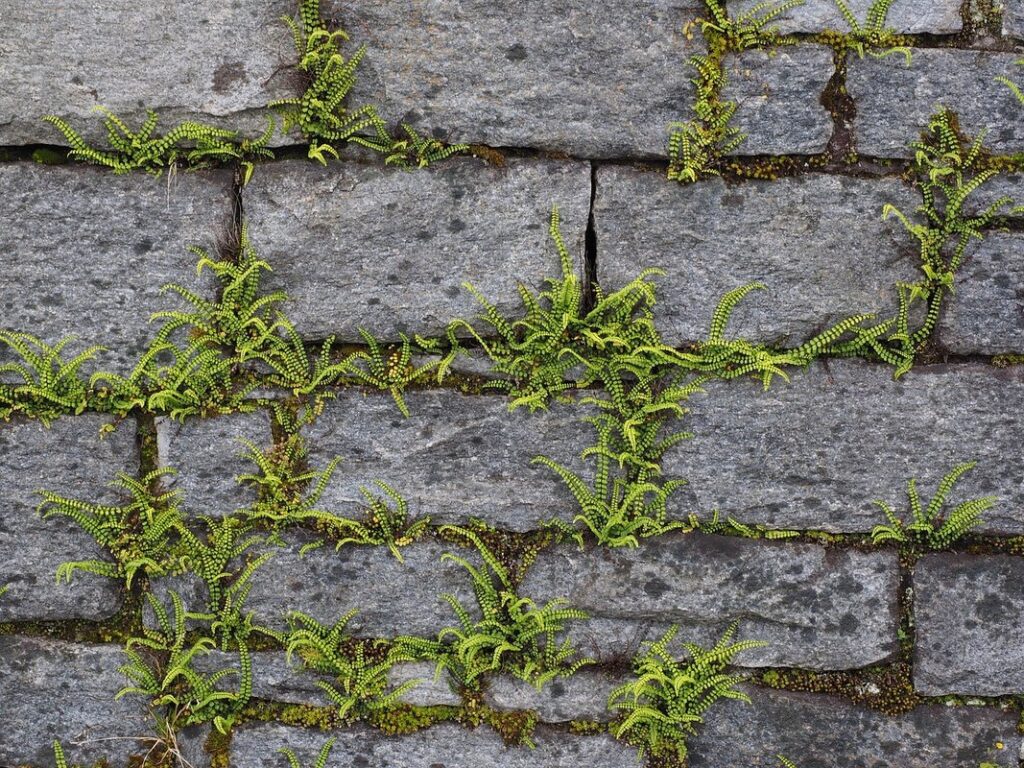
What is the Japanese Asplenium Nidus Fern?
Welcome to our comprehensive guide, where we’ll delve into the fascinating world of the Japanese Asplenium Nidus fern, starting with its unique characteristics and traits. Let’s explore what makes this plant so special.
Description and Origins
The Japanese Asplenium Nidus fern, also known as the Bird’s Nest Fern, is a popular choice for indoor spaces due to its unique features and adaptability. Botanically classified as Asplenium nidus, this plant originates from Japan, where it can be found growing in shaded areas of forests and woodlands.
Its striking appearance, with long, curly fronds resembling a bird’s nest, makes it an eye-catching addition to any room. The Japanese Asplenium Nidus fern thrives in low-light conditions, making it perfect for spaces with limited natural light. Its ability to grow up to 3-4 feet tall also allows it to add a touch of tropical flair to any indoor space.
In Japan, the Asplenium nidus is often grown in moss-lined containers or hanging baskets, adding an extra layer of elegance and sophistication. When brought indoors, this plant can be easily cared for with regular watering and fertilization, making it a great choice for beginners.
Key Features and Benefits
The Japanese Asplenium Nidus Fern boasts several key features that make it an attractive addition to any indoor space. One of its most striking characteristics is the delicate fronds that resemble a miniature umbrella, adding a touch of elegance and sophistication to rooms. The fern’s adaptability is another notable feature – it can thrive in low-light conditions, making it perfect for areas with limited natural light.
Beyond its aesthetic appeal, the Japanese Asplenium Nidus Fern also offers several benefits that contribute to improved indoor air quality. Its leaves are equipped with tiny hairs that enable them to purify the air by removing pollutants and toxins. By introducing this fern into your home or office, you can enjoy cleaner air and a healthier environment.
In addition to its air-purifying properties, the Japanese Asplenium Nidus Fern is also known for reducing stress levels. Its calming presence can help to create a sense of serenity and tranquility in high-pressure environments. By incorporating this fern into your decor, you can promote relaxation and well-being while also beautifying your space.
Growing the Japanese Asplenium Nidus Fern: Tips and Tricks
To successfully grow your Japanese Asplenium Nidus fern, you’ll want to pay attention to lighting, watering, and humidity levels to create an optimal environment. Proper care will help prevent common issues like overwatering.
Lighting Requirements
When it comes to lighting requirements for the Japanese Asplenium Nidus Fern, you’ll be pleased to know that this adaptable plant can thrive in a range of conditions. One of its most notable characteristics is its ability to tolerate low light environments, making it an ideal choice for spaces with limited natural light.
However, if possible, placing your fern near a north-facing window or a spot that receives bright, indirect light will help promote healthy growth and vibrant fronds. If you don’t have access to a sunny windowsill, don’t worry – with the right grow lights, you can still provide your Asplenium Nidus Fern with the light it needs.
To use grow lights effectively, position them about 12-18 inches above the plant’s foliage, and set the timer to mimic a natural day-night cycle. Aim for 10-14 hours of light per day, and keep in mind that you may need to adjust the intensity or duration depending on your location and the specific lighting conditions.
In addition to grow lights, be mindful of the light spectrum – a balanced blend of blue, red, and green wavelengths will help promote healthy growth.
Watering and Humidity Needs
Proper watering and maintaining humidity levels are crucial for the Japanese Asplenium Nidus Fern’s optimal growth. This fern is native to tropical regions, where high humidity and moderate temperatures prevail. To replicate these conditions, ensure that you water your plant thoroughly, allowing excess moisture to drain from the pot.
However, it’s essential not to overwater, as this can lead to root rot. Check the soil daily, sticking your finger into the top inch of soil to gauge its moisture level. Water only when the top layer feels dry to the touch. You may need to water more frequently in warmer months or if your home has low humidity.
To create a humid microclimate around your plant, you can place the pot on a tray filled with water and pebbles. As the water evaporates, it will increase the surrounding air’s moisture levels. Alternatively, you can use a humidifier specifically designed for indoor plants. This will help maintain a consistent humidity level between 40-60%, ideal for the Japanese Asplenium Nidus Fern’s growth.
Soil and Fertilization Requirements
When it comes to growing the Japanese Asplenium Nidus Fern, the right soil mix is crucial. This fern prefers well-draining, rich soil that’s slightly acidic to neutral in pH. A mix of peat moss, perlite, and vermiculite will provide the necessary moisture retention and aeration for healthy root growth. Avoid using regular potting soil, as it can compact and prevent proper drainage.
As the seasons change, so do the needs of your Asplenium Nidus Fern. During spring and summer months, feed your fern with a balanced, water-soluble fertilizer (20-20-20) once a month to promote new growth. Dilute the fertilizer to half the recommended strength to avoid burning the roots. In autumn and winter, reduce fertilization to every 2-3 months, as the plant is dormant during these periods.
Keep in mind that over-fertilization can be detrimental to this fern’s delicate fronds. A general rule of thumb is to fertilize when the fronds are actively growing, typically from spring to summer. Monitor your plant’s response to fertilization and adjust accordingly.
Care and Maintenance: Common Issues and Solutions
To keep your Japanese Asplenium Nidus Fern thriving, it’s essential to be aware of common issues that can arise and know how to address them promptly. We’ll cover these problems and their solutions below.
Pests and Diseases
As a Japanese Asplenium Nidus fern owner, it’s essential to be aware of common pests and diseases that can affect this beautiful plant. One of the most prevalent issues is spider mites, tiny insects that feed on the fern’s sap, causing yellowing or bronzing of leaves. To diagnose spider mite infestations, look for fine webbing on the underside of leaves and a dusty appearance on the soil surface.
Root rot is another common problem caused by overwatering or poor drainage, leading to soft, mushy stems and a foul odor. Regularly inspect your fern’s roots by gently removing it from its pot and examining the root system. To treat spider mite infestations, use neem oil or insecticidal soap according to the product’s instructions.
Prevent root rot by ensuring good air circulation around your fern and watering carefully. Check for root bound conditions and repot your fern as needed. Keep in mind that prevention is key; maintaining a consistent humidity level between 50-70% and providing bright, indirect light will help keep your Japanese Asplenium Nidus fern healthy and pest-free.
Regularly inspecting your fern’s leaves and roots will help you catch any issues early on. By being proactive and taking prompt action when problems arise, you can enjoy a thriving, long-lived Japanese Asplenium Nidus fern in your indoor space.
Pruning and Propagation
When it comes to maintaining your Japanese Asplenium Nidus Fern, pruning and propagation are crucial steps that will ensure its continued health and vitality. Pruning the fern’s fronds is essential for promoting healthy growth, preventing over-crowding, and encouraging new frond production.
To prune your Japanese Asplenium Nidus Fern, simply remove any dead or damaged fronds by cutting them off at the base using a pair of sharp scissors or pruning shears. This will also help to prevent the spread of disease and pests. Additionally, trim back any long or leggy fronds to maintain an attractive and balanced shape.
Propagation can be achieved through spore production or division. To propagate via spores, allow the fern to produce sporangia on its undersides, which will eventually release spores into the air. Collect these spores using a small brush, and sow them onto a sterile potting mix. Water carefully, and provide high humidity until germination occurs.
Alternatively, you can divide mature plants in spring or summer by gently separating the roots and replanting each section in a new pot filled with well-draining potting mix.
Health Benefits and Air Purification
As you explore the benefits of bringing a Japanese Asplenium Nidus Fern into your home, let’s dive into its impressive health benefits and air purification capabilities.
Scientific Research and Findings
Studies have consistently shown that the Japanese Asplenium Nidus Fern is an effective air purifier, capable of removing pollutants and toxins from the air we breathe. In a study published by NASA, it was found that this fern can remove 78% of formaldehyde, a common indoor pollutant linked to various health issues, from the air in just one day. Another study demonstrated its ability to reduce particulate matter (PM) levels by up to 50%, which can significantly improve respiratory health.
But the Japanese Asplenium Nidus Fern’s benefits don’t stop at air purification. Research suggests that being around plants like this fern can have a positive impact on mental well-being, reducing stress and anxiety while improving mood. By incorporating one or more of these ferns into your home or workspace, you may find yourself feeling calmer and more focused. To maximize the plant’s health benefits, place it near areas where you spend most of your time, such as your bedroom or living room.
How to Use the Plant for Wellbeing
Incorporating the Japanese Asplenium Nidus fern into your daily life can have a profound impact on your wellbeing. One of the most effective ways to do this is by placing the plant in areas where you spend the most time, such as bedrooms or living rooms. The gentle rustle of its fronds can create a soothing ambiance that calms the mind and promotes relaxation.
To enhance the peaceful atmosphere around your Asplenium Nidus fern, consider adding soft lighting, a comfortable seating area, and calming scents such as essential oils or candles. This combination will help create a serene environment that invites contemplation and introspection. For example, placing the plant near a meditation or reading nook can encourage mindfulness and quiet reflection.
When positioning your Asplenium Nidus fern, choose a spot with bright, indirect light to maintain its health and vitality. Avoid direct sunlight, which can cause leaf scorch. By incorporating this plant into your daily routine and creating a calming environment around it, you’ll be able to harness the full benefits of the Japanese Asplenium Nidus fern for your wellbeing.
Design Ideas and Styling Tips
Now that you’ve learned how to care for your Japanese Asplenium Nidus Fern, let’s dive into some creative ways to showcase its beauty in your home. We’ll explore design ideas and styling tips to inspire your decor.
Incorporating the Fern into Indoor Spaces
One of the most exciting aspects of incorporating the Japanese Asplenium Nidus Fern into your indoor space is its versatility. This stunning plant can be used as a statement piece, adding a touch of tropical elegance to any room. Try placing it as a centerpiece on a coffee table or console table to create a visually appealing focal point.
Its slender fronds and delicate texture also make it an excellent addition to existing decor. For instance, you can balance the fern’s natural beauty with modern art pieces or sleek vases on a shelf. Alternatively, pair it with traditional Japanese-inspired elements like shoji screens or tatami mats for a cohesive look.
To fully appreciate its versatility, consider experimenting with different interior design styles. The Asplenium Nidus Fern works beautifully in bohemian spaces with rich textures and patterns, as well as in minimalist rooms where clean lines and monochromatic colors reign supreme. With its ability to complement various aesthetic approaches, this fern is sure to be the crowning glory of any room – no matter what design language you’re working with!
Pairing with Other Plants and Decor
When it comes to showcasing the beauty of your Japanese Asplenium Nidus fern, pairing it with other plants and decorative items can elevate its aesthetic appeal. Start by selecting companion plants that complement its delicate fronds and lush texture. Consider pairing it with a statement piece of art or a unique sculpture to add visual interest.
Some popular options for complementary plants include the Japanese Maple (Acer palmatum) or the Bamboo Palm (Chamaedorea seifrizii), which share similar Asian-inspired vibes. You can also incorporate natural textiles like woven baskets, rattan planters, or even a jute rug to create a cohesive look. For example, place the fern on a reclaimed wood console table alongside a vintage Asian-style vase or a minimalist sculpture for a harmonious balance of textures and styles.
Remember, the key is to strike a balance between contrasting elements and harmonizing them with your fern’s unique charm. Experiment with different pairings and arrangements until you find one that speaks to your personal taste and complements the Japanese Asplenium Nidus fern’s understated elegance.
Conclusion: Bringing the Japanese Asplenium Nidus Fern into Your Life
Now that you’ve learned all about the Japanese Asplenium Nidus fern, it’s time to bring its beauty and benefits into your own life. This final section offers practical tips for incorporating this stunning plant into your home.
Recap of Key Takeaways
As you’ve made it through this comprehensive guide on the Japanese Asplenium Nidus Fern, let’s recap the key takeaways to help you successfully incorporate this stunning plant into your life.
Firstly, we discussed the unique features of the Japanese Asplenium Nidus Fern, including its delicate fronds and ability to thrive in low-light conditions, making it an excellent choice for indoor spaces. We also highlighted the importance of providing high humidity levels, around 50-60%, and moderate watering schedules to ensure optimal growth.
In addition, we explored the health benefits associated with having this fern in your environment, including air purification, stress reduction, and improved mental clarity. The Japanese Asplenium Nidus Fern is also relatively low maintenance, requiring only occasional repotting every 1-2 years. To keep yours happy and thriving, remember to fertilize sparingly during the growing season and prune any dead or damaged fronds.
By following these guidelines, you’ll be well on your way to enjoying the beauty and benefits of this exceptional fern in your home or office space.
Encouragement to Try the Plant at Home
Now that you’ve learned about the Japanese Asplenium Nidus Fern’s unique characteristics and benefits, it’s time to bring this incredible plant into your own home. Don’t be intimidated by its exotic appearance – this fern is surprisingly easy to care for and will thrive with minimal attention.
One of the greatest advantages of the Asplenium Nidus Fern is its ability to purify the air and improve indoor air quality, making it a perfect addition to any room in your home. Plus, its delicate fronds add a touch of elegance and sophistication, elevating any space from ordinary to extraordinary.
If you’re new to ferns or plant care in general, don’t worry – this species is incredibly forgiving. It can tolerate some neglect and will bounce back quickly if it does get thirsty or overwatered. To ensure your Asplenium Nidus Fern stays happy and healthy, simply provide it with bright, indirect light (direct sunlight can cause the leaves to become scorched) and keep the soil consistently moist but not waterlogged.
With its adaptability and numerous benefits, there’s no reason why you shouldn’t bring this stunning fern into your home. Give it a try – your indoor space will thank you!
Frequently Asked Questions
How do I know if my Japanese Asplenium Nidus Fern is receiving the right amount of humidity?
To determine whether your fern is getting sufficient humidity, check for signs like limp or droopy fronds. If you notice these symptoms, consider using a humidifier nearby to maintain an ideal relative humidity of 50-60%. This will help prevent root rot and promote healthy growth.
Can I propagate the Japanese Asplenium Nidus Fern through division?
Yes. Propagating through division is a great way to multiply your fern and share it with friends. Wait until the plant has finished its active growing season, then carefully separate the rhizome into sections, making sure each section has at least one growing point. Replant the divisions in well-draining soil and maintain consistent moisture.
What are some common pests that can affect my Japanese Asplenium Nidus Fern?
Spider mites, mealybugs, and scale are potential pests to watch out for when caring for your Japanese Asplenium Nidus fern. Regularly inspect your plant’s underside of fronds and soil surface for signs of infestation. If you notice any issues, treat the plant with insecticidal soap or neem oil according to the product’s instructions.
Can I grow the Japanese Asplenium Nidus Fern outdoors in a shaded area?
While the Japanese Asplenium Nidus fern can tolerate some outdoor conditions, it typically thrives indoors where temperatures remain consistent. If you live in an area with mild winters and cool summers, consider growing your fern in a shaded outdoor location, but ensure it’s protected from direct sunlight and extreme weather fluctuations.
How often should I repot my Japanese Asplenium Nidus Fern?
Repotting your fern every 2-3 years will give its roots room to grow and refresh the soil. Choose a well-draining potting mix and a container slightly larger than the previous one, taking care not to damage the plant’s rhizome during transplanting.