
Are you ready to add some heat to your cooking? Italian hot peppers are a staple in many cuisines, but with so many varieties to choose from, it can be overwhelming to know where to start. From sweet and mild to fiery and intense, these peppers bring a depth of flavor that’s hard to find elsewhere. In this article, we’ll explore the different types of Italian hot peppers, including their unique characteristics, uses in cooking, and growing tips. You’ll learn how to incorporate these peppers into your favorite recipes and even grow your own at home. Whether you’re a seasoned chef or just starting out in the kitchen, this guide will show you how to harness the power of Italian hot peppers and take your dishes to the next level. Get ready to spice up your cooking with expert advice on selecting and using these fiery peppers!
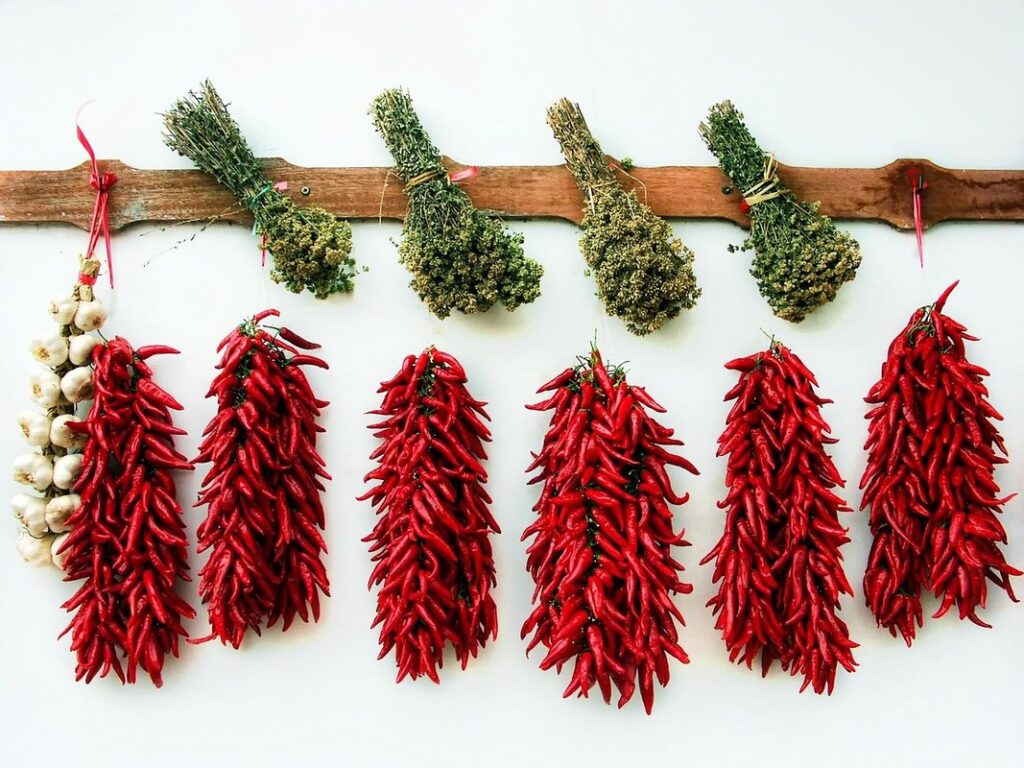
The World of Italian Hot Peppers
When exploring the vast world of Italian hot peppers, you’ll discover a diverse array of varieties that bring unique flavors and heat levels to your cooking. From sweet to sizzling, let’s dive into these fascinating types!
Origin and History of Italian Hot Peppers
The origins of Italian hot peppers date back to the 16th century when Spanish missionaries introduced them to Italy. Initially used as a spice, these fiery peppers quickly gained popularity and became an integral part of the Italian cuisine. Over time, they evolved and were adapted to suit local tastes, resulting in various types such as Calabrian Peppers, Friulian Peppers, and Sicilian Hot Peppers.
Italian hot peppers have played a significant role in shaping the country’s culinary identity. They are used not only as a condiment but also as an ingredient in many traditional dishes like pasta sauces, pizza toppings, and antipasto platters. Their unique flavor profile adds depth and heat to various Italian recipes, setting them apart from other types of peppers.
Today, Italian hot peppers continue to thrive, with many varieties being grown locally and sold at markets. Home gardeners can also cultivate these peppers in their own gardens, following simple guidelines that ensure a bountiful harvest. By understanding the history and evolution of Italian hot peppers, you can better appreciate their cultural significance and incorporate them into your cooking repertoire.
Common Types of Italian Hot Peppers
When it comes to Italian hot peppers, you’ll find that there’s a diverse range of types to explore. One of the most popular varieties is the Calabrian pepper, hailing from the southern region of Italy. These peppers have a distinctive elongated shape and are known for their intense, slightly sweet flavor. Use them in your favorite pasta dishes or as a topping for pizza.
Another well-known type of Italian hot pepper is Peperoncino, also known as red pepper flakes. These are typically made from dried and crushed Calabrian peppers and are used to add a burst of heat to various dishes. You can sprinkle them over salads, use them in sauces, or even mix them into your favorite soups.
Other notable mentions include Friggio and Rocca Verde. The former is known for its bright red color and crunchy texture, making it perfect for snacking or adding to sandwiches. Meanwhile, the latter boasts a sweet, slightly smoky flavor that pairs well with grilled meats or roasted vegetables.
When working with these peppers, remember to handle them carefully – their oils can cause skin irritation in some individuals. To avoid this, be sure to wash your hands thoroughly after handling and avoid touching your face while preparing.
Characteristics of Different Italian Hot Pepper Types
Italian hot peppers come in a diverse range, each with its unique flavor and heat level, making them perfect for various dishes from pasta sauces to pizza toppings. Let’s explore some of the most popular types.
Scoville Heat Units (SHU) and Taste Profiles
When it comes to the spiciness of Italian hot peppers, one of the most widely used measures is the Scoville Heat Unit (SHU). Developed by Wilbur Scoville in 1912, this method involves dissolving the pepper in water and then measuring the amount of capsaicin present through a process called High-Performance Liquid Chromatography (HPLC).
But why do we need to measure SHU? Essentially, it gives us an idea of how spicy a particular type of hot pepper is. For example, the Calabrian ‘Nocellara’ has an average SHU rating of 10,000-15,000, while the ‘Peperoncino’ ranges from 15,000 to 30,000 SHU. That’s significantly hotter than a Jalapeño pepper! Keep in mind that individual peppers can vary greatly depending on factors like climate, soil quality, and how they’re harvested.
When trying an Italian hot pepper for the first time, it’s essential to note that the heat level doesn’t necessarily correlate with the flavor profile. The taste of these peppers is often described as sweet, fruity, or slightly smoky. To truly experience the unique characteristics of each variety, try pairing them with different ingredients like olive oil, garlic, and herbs.
You can also explore various types of Italian hot peppers that are milder in heat but still offer distinct flavors, such as the ‘Cascia’ pepper which has a sweet, slightly bitter taste. Understanding both the SHU rating and taste profile will help you navigate the world of Italian hot peppers with confidence.
Texture and Color Variations
When exploring the realm of Italian hot peppers, one of the most striking aspects is the incredible diversity in texture and color. From the crunchy, almost brittle flesh of the ‘Fragnito’ variety to the soft, slightly sweet flavor of the ‘Pallidoro’, it’s clear that each type has its own unique personality.
In terms of color, Italian hot peppers offer a vibrant spectrum, with red being one of the most common hues. However, you can also find green and yellow varieties, such as the ‘Fiorentino’ and ‘Siciliano’. The ‘Baccalà’ pepper, for instance, boasts a striking bright yellow color that’s both visually appealing and packed with flavor.
When selecting Italian hot peppers based on texture or color, consider how you plan to use them. If you’re looking to add some crunch to a salad or antipasto platter, choose a variety like the ‘Fragnito’. For milder flavors and a pop of green, opt for the ‘Pallidoro’ or other green-skinned peppers. Experimenting with different textures and colors can be a fun way to discover new favorites and add some excitement to your cooking routine.
Growing Italian Hot Peppers: Tips and Challenges
Growing Italian hot peppers can be a rewarding experience, but it requires attention to specific temperature requirements and pest management. Here’s how to overcome common challenges and achieve success.
Climate and Soil Requirements
When growing Italian hot peppers, it’s essential to provide them with optimal climate and soil conditions. These peppers thrive in full sun, so they require at least 6 hours of direct sunlight per day. Temperatures between 65°F (18°C) and 85°F (29°C) are ideal for growth, but be cautious not to expose them to temperatures below 50°F (10°C), as this can cause damage.
Italian hot peppers also need well-draining soil with a pH between 6.0 and 7.0. To achieve the right balance of nutrients, mix in compost or well-rotted manure before planting. Watering should be consistent, but avoid overwatering, which can lead to root rot. Aim for about 1 inch (2.5 cm) of water per week, either from rainfall or irrigation.
In terms of specific nutrient requirements, Italian hot peppers need a balanced diet of nitrogen, phosphorus, and potassium. A fertilizer with a ratio of 10-10-10 (N-P-K) will provide the necessary nutrients for healthy growth.
Common Pests and Diseases Affecting Italian Hot Peppers
As you cultivate your Italian hot pepper plants, it’s essential to be aware of common pests and diseases that can impact their health. These issues can range from minor annoyances to major threats to your harvest.
Some common pests affecting Italian hot peppers include aphids, whiteflies, and spider mites. These tiny insects feed on plant sap, causing curled or distorted leaves, stunted growth, and reduced fruit production. To manage these pests, inspect your plants regularly and treat infestations promptly with neem oil or insecticidal soap.
Rodents, particularly mice and rats, can also damage Italian hot pepper plants by nibbling on the buds and flowers. Use physical barriers, such as copper mesh or fine-netted bags, to protect your plants from these critters.
Diseases like powdery mildew, bacterial spot, and root rot are other concerns for Italian hot pepper growers. Powdery mildew causes a white, powdery coating on leaves, while bacterial spot leads to small, dark spots on the fruit. Root rot results from overwatering or waterlogged soil, causing the roots to decay.
To minimize these issues, ensure good air circulation around your plants and avoid overhead watering. Water at the base of the plants instead, and provide sufficient space for air movement. Remove any infected leaves or stems to prevent the spread of disease.
Using Italian Hot Peppers in Cooking
Now that you know a bit about these fiery Italian hot peppers, let’s dive into some exciting ways to use them in your cooking. From sauces to soups, they add depth and heat!
Traditional Recipes and Uses
One of the best ways to experience the authentic flavors of Italy is through its traditional recipes that feature Italian hot peppers as a key ingredient. Let’s start with some classic sauces like Arrabbiata and Puttanesca, which rely heavily on the intense heat of Italian hot peppers. To make a traditional Arrabbiata sauce, simply sauté some chopped garlic and Italian hot peppers in olive oil until they’re soft and fragrant, then add crushed tomatoes and let it simmer for at least 20 minutes.
You can also use Italian hot peppers to add depth and heat to soups like Minestrone or Zuppa Toscana. For example, try adding sliced peppers to your minestrone pot for the last 10-15 minutes of cooking time. They’ll add a pop of color and flavor to this hearty vegetable soup.
When it comes to marinades, Italian hot peppers are a game-changer. Try making a simple marinade by combining olive oil, minced garlic, chopped fresh parsley, and sliced Italian hot peppers. This will give your grilled meats or vegetables a bold, herby flavor with just the right amount of heat.
Remember that when working with Italian hot peppers, a little goes a long way. Start with small amounts and taste as you go to avoid overpowering your dish. With practice, you’ll develop a keen sense for balancing flavors and heat levels in your cooking.
Modern Twists and Variations
When it comes to using Italian hot peppers in cooking, many chefs and home cooks are pushing the boundaries of traditional recipes. One exciting way to incorporate these fiery gems into modern cuisine is through fusion recipes that blend Italian flavors with international spices and techniques.
For instance, pair Calabrian peperoncino flakes with Korean chili flakes (gochugaru) for a spicy stir-fry sauce, or combine sweet Italian peppers with Indian garam masala and cumin for a flavorful curry. These innovative combinations will breathe new life into classic pasta dishes, pizzas, and risottos.
Vegans can also benefit from the versatility of Italian hot peppers. Simply substitute traditional cheese with nutritional yeast or cashew cream to create dairy-free sauces that still pack plenty of heat. Alternatively, use roasted hot peppers as a base for homemade hot sauce or salsa – perfect for topping tacos or grilled vegetables.
To take your condiment game to the next level, experiment with pickling Italian hot peppers in vinegar and spices, creating a tangy side dish or snack. Whatever your culinary style, there’s no denying that Italian hot peppers add an undeniable kick to any recipe.
Preserving Italian Hot Peppers: Drying, Freezing, and More
Now that you’ve harvested your prized Italian hot peppers, let’s explore some creative ways to preserve their flavor all year round. Learn how to dry, freeze, and store them for a burst of summer heat in winter!
Methods for Preserving Freshness
When it comes to preserving the freshness of Italian hot peppers, there are several methods you can use to enjoy them throughout the year. One popular method is drying. To dry Italian hot peppers, simply slice them thinly and place them on a wire rack or tray. Allow them to air-dry in a cool, dry spot for 1-2 weeks. Once dried, you can store them in airtight containers for up to 6 months.
Freezing is another effective way to preserve the flavor and heat of Italian hot peppers. Simply chop or slice them and place them in freezer-safe bags or containers. Frozen peppers are perfect for adding to soups, stews, and sauces throughout the winter months.
For longer-term preservation, consider pickling or canning. To pickle Italian hot peppers, combine sliced peppers with vinegar, salt, and spices in a jar. Allow the mixture to sit at room temperature for 24-48 hours before refrigerating. Canning involves heating the peppers in a sugar syrup or brine to create a shelf-stable product. Be sure to follow safe canning practices to avoid spoilage.
These methods will help you enjoy your homegrown Italian hot peppers year-round, and they make great additions to many recipes.
Uses for Preserved Italian Hot Peppers
Preserved Italian hot peppers are a game-changer for any home cook. These spicy delights can be used to add depth and heat to a variety of dishes. One of the most popular ways to use preserved Italian hot peppers is to add them to pasta sauces, marinara or Arrabbiata style. Simply chop the peppers into small pieces and combine them with your favorite tomato sauce for a bold, spicy flavor.
You can also use preserved Italian hot peppers in soups like minestrone or egg drop soup for an added kick of heat. For salads, try adding chopped peppers to a caprese salad or as a topping for bruschetta. In addition to these classic uses, you can also experiment with using preserved Italian hot peppers in other dishes such as pizza sauce, chili recipes, and even homemade hot sauces.
To incorporate preserved Italian hot peppers into your cooking routine, simply keep them on hand and add them to your favorite recipes as needed. You can store them in an airtight container for up to 6 months, making them a convenient addition to any meal. With their versatility and long shelf life, it’s no wonder that preserved Italian hot peppers are a staple in many Italian kitchens.
Frequently Asked Questions
Can I grow Italian hot peppers indoors, or do they require a specific climate?
Yes, you can grow Italian hot peppers indoors with proper care. They prefer well-draining soil and a sunny spot, but you can replicate these conditions using grow lights. Make sure to maintain a temperature between 65-75°F (18-24°C) for optimal growth.
How do I preserve the flavor and heat of preserved Italian hot peppers?
To preserve the flavor and heat of your preserved Italian hot peppers, use a water bath canner to ensure proper sterilization. Store them in airtight containers in the fridge or freezer to maintain their quality. When using preserved peppers, rehydrate them by soaking in hot water for 30 minutes before adding to recipes.
Can I substitute one type of Italian hot pepper with another in a recipe?
While you can experiment with substituting different types of Italian hot peppers, keep in mind that the heat level and flavor will vary. Calabrian Peppers are generally hotter than Sweet Pepperoncini, so adjust accordingly to avoid overpowering your dish.
How do I identify common pests or diseases affecting my Italian hot pepper plants?
Monitor your plants regularly for signs of pests like aphids, whiteflies, or spider mites. Diseases such as powdery mildew, root rot, or bacterial spot can also occur. Use organic pest control methods whenever possible and practice good sanitation to prevent the spread of disease.
Can I use Italian hot peppers in sweet dishes, or are they only suitable for savory recipes?
Italian hot peppers are versatile and can be used in a variety of sweet dishes, like jams, chutneys, or even desserts. They add a unique depth of flavor and heat that complements sweet ingredients nicely. Experiment with different types and amounts to find the perfect balance for your recipe.