
Are you ready to discover one of Japan’s best-kept secrets? Itachi cucumber, also known as Japanese pickled cucumber, has been a staple in many Asian households for centuries. Not only does it have an incredible history, but it’s also packed with nutrients that can boost your health and wellbeing.
From its rich vitamins and minerals to its impressive antioxidant properties, the itachi cucumber is a game-changer in the world of healthy eating. In this ultimate guide, we’ll delve into the fascinating story behind this humble vegetable and explore its numerous benefits for your body and mind. We’ll also share mouth-watering recipes that will inspire you to get creative with itachi cucumbers in salads, Asian-inspired dishes, and more! Whether you’re a foodie or just looking to spice up your meals, this article is perfect for anyone interested in learning about the incredible itachi cucumber.
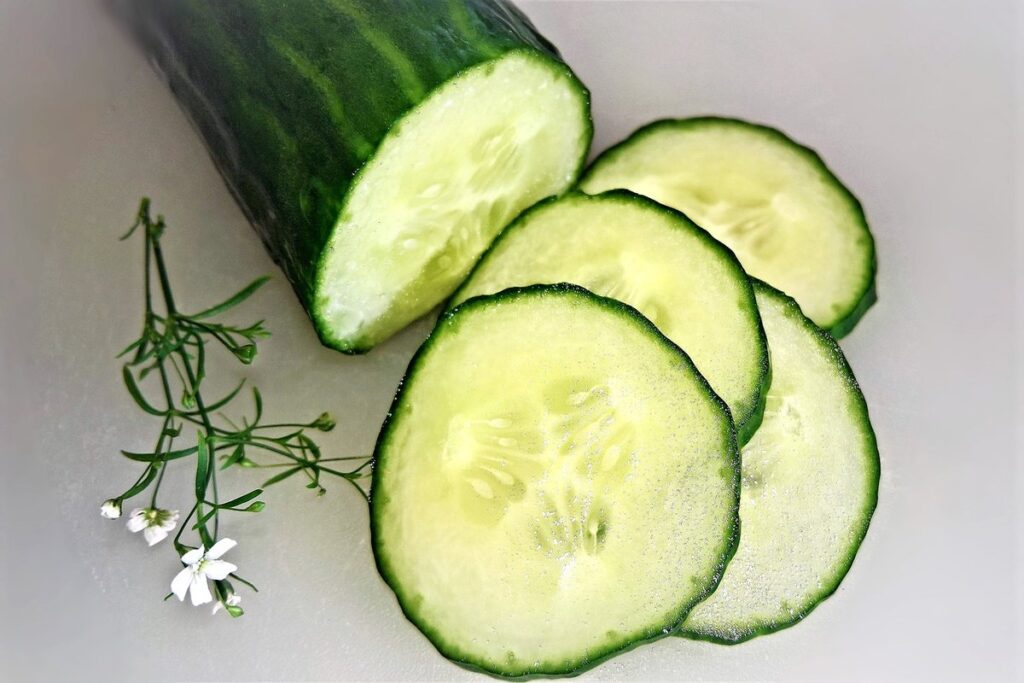
What is Itachi Cucumber?
Itachi cucumber is a unique and delicious type of cucumber that’s gained popularity worldwide, and here we’ll dive into its amazing benefits and characteristics.
History of Itachi Cucumber
Itachi cucumber has its roots in traditional Japanese agriculture, where it was first cultivated over 100 years ago. The exact origin of this variety is unclear, but it’s believed to have been developed by farmers in the Nagano prefecture. Initially, it was known for its unique flavor profile and high water content, making it an excellent choice for pickling.
As the popularity of Japanese cuisine grew worldwide, so did the demand for itachi cucumber. In the 1960s and 1970s, farmers began to cultivate this variety on a larger scale, experimenting with new techniques to enhance its yield and quality. By the 1990s, itachi cucumber had become a staple in many Japanese markets.
Over time, the cultivation methods have evolved, and today, itachi cucumber is grown using advanced hydroponic systems and precision farming techniques. This has led to increased yields and improved flavor consistency. Its versatility in cooking and ability to be pickled or used fresh have also contributed to its widespread popularity.
Nutritional Value of Itachi Cucumber
Itachi cucumbers are not only a visually appealing addition to salads and sandwiches but also a nutrient-rich food that provides several health benefits. Rich in vitamins A and C, potassium, and antioxidants, itachi cucumbers have been shown to support immune function, reduce inflammation, and protect against chronic diseases.
One of the key nutritional benefits of itachi cucumbers is their high water content, which makes them an excellent choice for hydration. In fact, a 100g serving of itachi cucumber contains about 96% water, making it one of the most hydrating vegetables available. This high water content also helps to regulate blood pressure and support healthy digestion.
Itachi cucumbers are also an excellent source of antioxidants, including flavonoids and carotenoids, which have been shown to protect against oxidative stress and inflammation in the body. These antioxidants can help to reduce the risk of chronic diseases such as heart disease, cancer, and cognitive decline.
Incorporating itachi cucumbers into your diet is easy – simply slice them up and add them to salads, sandwiches, or use them as a topping for soups and grilled meats. You can also juice them or blend them into smoothies for an extra boost of nutrition.
Health Benefits of Itachi Cucumber
Let’s dive into the amazing health benefits you can enjoy from adding itachi cucumber to your diet, from reducing inflammation to supporting healthy digestion.
Anti-Inflammatory Properties
Itachi cucumber is a treasure trove of anti-inflammatory compounds that can significantly contribute to overall health. The high concentration of flavonoids and phenolic acids in itachi cucumber makes it an excellent natural remedy for reducing inflammation.
The anti-inflammatory properties found in itachi cucumber can be beneficial in various ways. Firstly, they help alleviate symptoms associated with conditions such as arthritis, where chronic inflammation is a hallmark. By consuming itachi cucumber regularly, you can reduce joint pain and inflammation, making everyday activities more manageable.
Moreover, the anti-inflammatory compounds present in itachi cucumber also have antioxidant properties that protect cells from damage caused by free radicals. This can lead to a reduced risk of chronic diseases such as heart disease, diabetes, and certain types of cancer.
To harness the anti-inflammatory benefits of itachi cucumber, you can simply add sliced or diced itachi cucumbers to your salads, sandwiches, or smoothies. You can also try pickling itachi cucumbers in vinegar and spices for a tangy side dish that’s rich in anti-inflammatory compounds.
Antioxidant Content
Itachi cucumber is an excellent source of antioxidants, which play a vital role in protecting against oxidative stress and cell damage. Antioxidants are molecules that neutralize free radicals, unstable compounds that can cause harm to cells by stealing electrons from them. This process can lead to cellular damage and even contribute to chronic diseases.
The high antioxidant content in itachi cucumber makes it an effective tool for combating oxidative stress. One of the primary antioxidants found in itachi cucumber is vitamin C, which has potent antioxidant properties. Vitamin C can neutralize free radicals and protect against cell damage caused by oxidation. It also helps to boost the immune system and fight off infections.
In addition to vitamin C, itachi cucumber contains other essential antioxidants such as beta-carotene and potassium. These compounds work together to provide a comprehensive defense mechanism against oxidative stress and cell damage. To maximize the antioxidant benefits of itachi cucumber, consume it raw or cook it lightly to preserve its nutrient content.
Potential Health Risks and Allergies
While itachi cucumber is generally considered safe for consumption, there are some potential health risks and allergic reactions to be aware of. Some individuals may experience digestive issues such as bloating, gas, or stomach cramps due to its high water content and low fiber levels.
In rare cases, consuming large quantities of itachi cucumber can lead to potassium overload, particularly for those with pre-existing kidney problems. Additionally, its high antioxidant content may interact with certain medications like blood thinners or diabetes medications, potentially exacerbating their effects. If you’re taking any prescription medication, consult your doctor before incorporating itachi cucumber into your diet.
Those with a history of allergies should exercise caution when introducing itachi cucumber to their diet. Some people may experience skin irritation, hives, or itching due to its unique properties. Be mindful of these potential risks and start by consuming small amounts to gauge your body’s response. If you experience any adverse effects, discontinue consumption and consult a healthcare professional for guidance.
Recipes Using Itachi Cucumber
Now that you’re excited to try itachi cucumber, let’s dive into some delicious and refreshing recipes featuring this unique ingredient. Get ready to elevate your salads, sandwiches, and more!
Refreshing Salads and Sides
When it comes to using Itachi cucumber in your recipes, the possibilities are endless. One of the most refreshing ways to enjoy this delicious ingredient is by making a variety of salads and sides that showcase its unique flavor and texture.
Try pairing thinly sliced Itachi cucumber with juicy tomatoes, creamy feta cheese, and a drizzle of zesty Greek yogurt for a refreshing summer salad. For a more substantial side dish, try tossing diced Itachi cucumber with chopped mint, lemon juice, and a sprinkle of sumac for a flavorful and healthy accompaniment to grilled meats or vegetables.
You can also use Itachi cucumber as the base for a tasty sauce by blending it with Greek yogurt, garlic, and dill. This sauce is perfect for topping tacos, grilled chicken or fish, or even using as a dip for pita bread. Experiment with different combinations of herbs and spices to create unique flavor profiles that suit your taste.
Whether you’re looking for a light and refreshing side dish or a flavorful sauce to elevate your meals, Itachi cucumber is an incredibly versatile ingredient that’s sure to impress. So don’t be afraid to get creative and experiment with new recipes – the possibilities are truly endless!
Asian-Inspired Dishes
Itachi cucumber is a versatile ingredient that can be easily incorporated into various Asian-inspired dishes. Sushi rolls are a popular option, and you can add sliced itachi cucumber to classic rolls like California or Philadelphia for a refreshing twist. The mild flavor of the cucumber won’t overpower other ingredients, making it an excellent addition to your favorite sushi combinations.
Another way to use itachi cucumber is in noodle dishes like stir-fries or noodle soups. Try pairing thinly sliced itachi with your choice of protein (chicken, beef, or tofu work well) and some crunchy vegetables for a quick and easy dinner. For example, you can make a simple Korean-inspired dish by combining itachi cucumber with bulgogi beef, kimchi, and rice noodles.
Stir-fries are also an excellent way to use up itachi cucumber. This versatile ingredient pairs well with a variety of flavors and textures, making it perfect for experimenting with different sauces and seasonings. For instance, you can make a Chinese-inspired stir-fry by combining sliced itachi with garlic, ginger, soy sauce, and your choice of protein.
When using itachi cucumber in Asian-inspired dishes, remember to handle the slices gently to avoid bruising or tearing them. This will help maintain their crunchy texture and ensure they stay fresh throughout cooking. Additionally, feel free to experiment with different seasonings and spices to find the perfect balance of flavors for your dish.
Juice and Smoothie Recipes
Itachi cucumber’s refreshing flavor and numerous health benefits make it an ideal addition to juice and smoothie recipes. When selecting a recipe, consider pairing the cucumber with complementary ingredients that enhance its unique taste while amplifying its nutritional value.
To create a revitalizing drink, try combining 1 large Itachi cucumber, peeled and chopped, with 1/2 cup of fresh mint leaves, 1/2 cup of pineapple chunks, and 1/4 cup of plain Greek yogurt. Blend until smooth and enjoy as a post-workout snack or a refreshing pick-me-up on a hot day.
For a more intense juice experience, consider adding Itachi cucumber to a green juice blend with kale, spinach, and apple. The cucumber’s mild flavor won’t overpower the other ingredients while its hydrating properties will help offset the bitterness of the greens.
Growing and Storing Itachi Cucumber
Growing and storing Itachi cucumbers can be a bit tricky, but don’t worry, we’ve got you covered with some expert tips on how to do it right.
Tips for Home Gardeners
Growing itachi cucumbers at home can be a rewarding experience, but it requires some knowledge of their specific needs. When it comes to soil, itachi cucumbers prefer well-draining, fertile soil with a pH between 6.0 and 7.0. To replicate this in your garden, add compost or well-rotted manure to improve the soil‘s structure and fertility.
Climate-wise, itachi cucumbers are warm-season crops that thrive in temperatures above 65°F (18°C). They also require full sun to produce a bountiful harvest, so choose a location that receives direct sunlight for at least six hours a day. Be mindful of extreme heat waves, as these can damage the plants.
Pest management is another crucial aspect to consider when growing itachi cucumbers at home. Keep an eye out for common pests like aphids, whiteflies, and spider mites, which can spread disease and damage leaves. Use organic pest control methods whenever possible, such as introducing beneficial insects or spraying neem oil. Regularly inspect your plants and take action promptly to prevent infestations from getting out of hand.
Harvesting and Storage Methods
When it’s time to harvest your Itachi cucumbers, make sure to do so when they are at their peak flavor and texture. This typically occurs when the cucumbers are between 6-8 inches long and have a dark green color with slight yellow undertones. Gently twist the fruit to release it from the vine, taking care not to damage the plant or other nearby fruits.
To maintain their flavor, texture, and nutritional value, store your Itachi cucumbers in a cool, dry place with good air circulation. The ideal storage temperature is between 50-60°F (10-15°C). You can also store them in a breathable container, such as a paper bag or mesh bag, to keep them fresh for an extended period.
To further extend their shelf life, you can also refrigerate your Itachi cucumbers at a consistent temperature below 40°F (4°C). Avoid storing them near strong-smelling foods, as they can absorb odors easily. By following these simple storage methods, you’ll be able to enjoy your homegrown Itachi cucumbers for several weeks and retain their crunchy texture and refreshing flavor.
Culinary Uses and Pairings
You’ll love learning how to incorporate Itachi cucumber into your favorite dishes, from refreshing salads to savory sushi rolls. Let’s explore its culinary potential together!
Pairing with Asian Flavors
When it comes to pairing Itachi cucumber with traditional Asian flavors, the possibilities are endless. In Japanese cuisine, a common combination is to slice the cucumber thinly and serve it as a palate cleanser between courses, often accompanied by wasabi and pickled ginger. The cool, refreshing flavor of the cucumber helps balance the spiciness of the wasabi.
For a more substantial dish, try pairing Itachi cucumber with soy sauce-glazed salmon or chicken stir-fries, where its mild sweetness complements the savory umami flavors. In Korean cuisine, add sliced Itachi cucumber to kimchi-stuffed bibimbap for a refreshing crunch and pop of flavor.
In Southeast Asian dishes like Thai salads or Vietnamese summer rolls, Itachi cucumber adds a welcome freshness. To incorporate it into your cooking, simply slice the cucumber thinly and toss with chopped cilantro, lime juice, and chili flakes for a zesty dressing. By combining Itachi cucumber with traditional Asian flavors, you’ll create harmonious taste experiences that showcase its versatility in international cuisine.
Incorporating into Main Dishes
When it comes to incorporating itachi cucumber into main dishes, the possibilities are endless. This versatile vegetable can add a burst of freshness and flavor to everything from stir-fries to noodle bowls. One of my favorite ways to use itachi cucumber is in a classic Korean-style BBQ beef stir-fry.
Slice the itachi cucumber thinly and sauté it with some garlic, ginger, and soy sauce until tender. Then, add in sliced marinated beef and cook until browned. Serve over steaming hot rice or noodles for a flavorful and filling meal. You can also use itachi cucumber as a topping for noodle bowls, adding a cool and refreshing crunch to the dish.
Another great way to incorporate itachi cucumber is by grilling meats like chicken or steak. Simply brush the itachi cucumber slices with olive oil and season with salt, pepper, and your favorite herbs before throwing them on the grill alongside the meat. This adds a smoky flavor and a pop of color to any grilled dish.
For those looking for a vegetarian option, try pairing sliced itachi cucumber with roasted or grilled tofu for a protein-packed main course. The key is to experiment with different combinations and find what works best for you!
Conclusion and Final Tips
Now that you’ve learned all about Itachi cucumbers, let’s summarize our key takeaways and provide some final tips to incorporate them into your daily life.
Recap of Key Takeaways
As you’ve reached the end of this comprehensive guide to Itachi Cucumber, let’s recap the key takeaways that will help you make the most out of this incredible ingredient. We covered a wide range of topics, from the numerous health benefits of Itachi Cucumber to its versatility in various recipes.
You now know how to harness the power of antioxidants and anti-inflammatory compounds found in Itachi Cucumber through its high water content and low calorie count. By incorporating it into your diet, you can reduce the risk of chronic diseases such as heart disease, diabetes, and certain cancers.
We also explored various recipe ideas that showcase the unique flavor and texture of Itachi Cucumber. From refreshing salads and sandwiches to creative sushi rolls and sauces, we’ve given you inspiration for a world of culinary possibilities.
In addition, we provided valuable growing tips for cultivating your own Itachi Cucumber at home or in your garden. By following these simple steps, you can enjoy a steady supply of this nutritious superfood all year round.
As a final reminder, don’t forget to store and handle Itachi Cucumber properly to preserve its nutritional value and flavor. With this guide as your reference, you’re now equipped with the knowledge to unlock the full potential of Itachi Cucumber in your kitchen and beyond.
Encouragement to Experiment with Itachi Cucumber
As you’ve reached the end of this comprehensive guide to Itachi cucumber, we hope you’re as excited as we are about the endless possibilities it brings to your kitchen. We’ve explored its numerous benefits, from being an excellent source of antioxidants and vitamins to its versatility in various recipes. Now, it’s time to unleash your creativity and make itachi cucumber a staple ingredient in your cooking repertoire.
Experiment with new flavors by combining itachi cucumber with herbs like dill or mint, or try pairing it with spicy ingredients like chili flakes for added depth. Don’t be afraid to think outside the box – consider using it as a topping for salads, sandwiches, or even as a base for salsas and dips. The key is to have fun and push the boundaries of what you can achieve with this incredible ingredient.
With its mild flavor and high water content, itachi cucumber is an excellent addition to any meal, from light lunches to hearty dinners. As you continue on your culinary journey, remember that experimenting with new recipes and flavors is not only encouraged but essential for unlocking its full potential. So go ahead, get creative, and make itachi cucumber a part of your daily cooking routine!
Frequently Asked Questions
Can I grow Itachi Cucumber at home, or is it best left to professional farmers?
Yes, with proper care and conditions, you can successfully grow Itachi Cucumber at home! In fact, this variety thrives in well-drained soil and full sun, making it an ideal choice for backyard gardeners. Just be sure to research specific growing tips and adjust your techniques according to your local climate.
How do I incorporate Itachi Cucumber into my existing diet without feeling overwhelmed?
Start by substituting regular cucumbers with Itachi Cucumber in your favorite salads or snacks. Gradually experiment with new recipes, such as pickling it yourself or using it in Asian-inspired dishes. Remember, small changes can add up over time, and the more you work with this versatile ingredient, the more ideas will flow.
What are some potential health risks associated with consuming Itachi Cucumber?
While rare, individuals with sensitive stomachs may experience mild digestive issues due to Itachi Cucumber’s high water content. Additionally, people with allergies or intolerances should monitor their reactions after introducing this new food into their diet. If you have concerns, consult with a healthcare professional for personalized advice.
Can I use Itachi Cucumber in place of other cucumbers in recipes, or will the flavor be significantly different?
While it’s technically possible to substitute Itachi Cucumber in most recipes, its distinct flavor and texture may alter the overall outcome. For best results, try using it in traditional Japanese or Asian-inspired dishes where its unique characteristics shine through.
How do I store leftover Itachi Cucumber to preserve its nutritional value and crunchiness?
Proper storage is key! Keep your Itachi Cucumber in an airtight container in the refrigerator at a consistent 40°F (4°C). Before storing, remove any excess moisture by gently patting it dry with a paper towel. This will help maintain its crunchy texture and maximize its nutritional benefits for up to 5 days.