
If you’re anything like many gardeners and home cooks, you’ve probably fallen in love with the savory flavor and versatility of sage. But have you ever stopped to think about whether this beloved herb is a perennial or annual? Understanding its growth habits can make all the difference in how you care for it, harvest it, and incorporate it into your favorite recipes.
In this comprehensive guide, we’ll dive into everything you need to know about growing and caring for sage as a perennial herb. We’ll cover topics like how to plant and maintain it, when and how to prune it, and even provide tips on using it in cooking from soups to stuffings. Whether you’re a seasoned gardener or just starting out, this article will give you the confidence to grow and use sage like a pro.
What is a Perennial Herb?
Let’s start by defining what perennial herbs are and how they differ from annuals, so you can better understand whether sage fits into one category. A perennial herb is a plant that comes back year after year in your garden.
Definition and Explanation
When it comes to gardening and cooking, understanding the classification of herbs is crucial. A perennial herb, like sage, is a type of plant that lives for more than two years, often returning year after year if properly cared for. This characteristic sets it apart from annual herbs, which complete their life cycle in just one growing season, and biennial herbs, which take two years to mature.
To determine whether an herb is perennial, look for characteristics such as underground storage organs like rhizomes or tubers that allow the plant to survive harsh weather conditions. Perennials also tend to grow more slowly than annuals, but they often produce larger leaves and flowers over time. For example, thyme and oregano are other popular perennials that share similar traits with sage.
Understanding the perennial classification of an herb can help you plan your garden and harvest season accordingly. If you’re growing a perennial like sage, it’s essential to prune it regularly to promote healthy growth and encourage root development, which will ensure its survival through winter months. By recognizing the unique characteristics of perennial herbs, you’ll be better equipped to care for them and enjoy their bounty throughout the year.
Importance of Understanding Plant Life Cycles
Understanding whether sage is a perennial herb is crucial for gardeners, cooks, and anyone interested in using this versatile plant. As a perennial, sage can provide years of continuous growth and harvest, whereas annual varieties need to be replanted every year. This distinction affects how you care for your sage plants, as perennials typically require less maintenance but more patience.
When you know that sage is a perennial, you can plan accordingly, planting it in a spot with well-draining soil and full sun to promote healthy growth. This knowledge also allows you to harvest leaves throughout the growing season without depleting the plant’s resources. On the other hand, if you’re using annual sage varieties, you’ll need to replant every year, which can be time-consuming and costly.
Understanding a plant’s life cycle is essential for optimizing its performance in your garden or cooking endeavors. By knowing whether sage is a perennial or not, you can make informed decisions about its care, cultivation, and usage, ultimately enjoying the benefits of this incredible herb for years to come.
Sage’s Lifespan: A Closer Look
Now that we’ve explored whether sage is a perennial herb, let’s dive into its expected lifespan and how to encourage it to thrive for years to come.
Annual vs. Perennial Sage Plants
When it comes to sage plants, you might have come across the terms “annual” and “perennial.” But what do these terms mean for your herb garden? As a gardener, understanding the difference between annual and perennial sage plants is crucial to ensure that your plants thrive.
Perennial sage plants are the ones that live for more than two years. They grow leaves, stems, and roots year after year, requiring minimal maintenance and care. For instance, Salvia officinalis, commonly known as common sage or garden sage, is a perennial herb. This type of sage grows back every spring from the same root system, producing a new set of leaves and flowers.
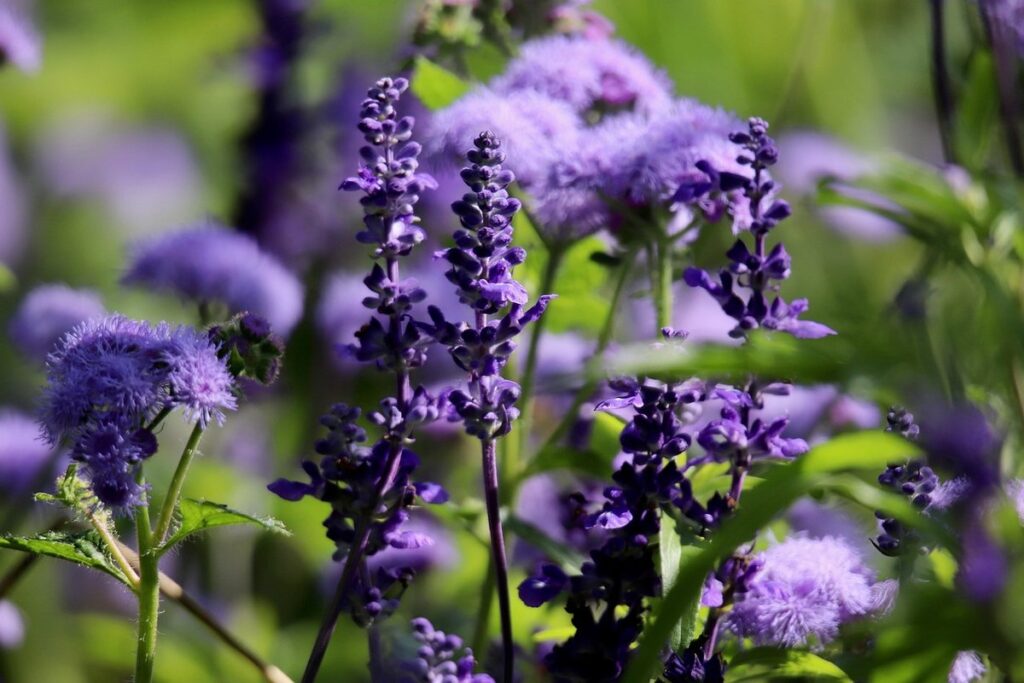
On the other hand, annual sage plants complete their life cycle within a year. They germinate, grow, produce seeds, and die off in a single growing season. An example of an annual sage is Salvia farinacea or mealycup sage. While they can be grown from seed every year, they don’t come back the next spring like perennials do.
In general, perennial sage plants tend to have deeper root systems and are more drought-tolerant than their annual counterparts. They also require less fertilization and pruning, making them a great choice for busy gardeners or those who want low-maintenance herb gardens.
Identifying Perennial Sage Varieties
When it comes to identifying perennial sage varieties, there are several types that gardeners commonly grow. One of the most well-known is Salvia officinalis, also known as Common Sage. This variety is a hardy perennial that can be found in many parts of the world and is prized for its culinary and medicinal uses.
Another popular perennial sage is Trailing Sage (Salvia nemorosa), which is a low-growing, spreading variety that is perfect for containers or hanging baskets. It produces long stems with small blue flowers that attract pollinators and add a pop of color to the garden.
If you’re looking to grow perennial sage in your garden, be sure to choose a variety that is suitable for your climate. Salvia officinalis can tolerate frost and heat, making it an excellent choice for gardeners in cooler or warmer regions. Trailing Sage, on the other hand, prefers well-draining soil and partial shade.
To get started with growing perennial sage, make sure to plant it in a location that receives full sun and has good air circulation. Water regularly during its first year of growth, but avoid overwatering, which can lead to root rot and other issues.
Characteristics of Perennial Sage
So, what sets perennial sage apart from its annual counterparts? We’ll break down the characteristics that make it a valuable addition to your garden or indoor space.
Hardiness Zones and Climate Adaptability
Perennial sage can thrive in hardiness zones 5-9, which means it can tolerate temperatures as low as -20°F (-29°C) and as high as 90°F (32°C). However, its growth can be affected by extreme weather conditions. In warmer climates, perennial sage may require more frequent watering to prevent scorching of the leaves. On the other hand, in colder zones, it’s essential to mulch around the plants to protect them from frost damage.
Climate also plays a significant role in determining the success of perennial sage growth. Areas with full sun and well-draining soil are ideal for this herb. However, if you live in an area with heavy rainfall or poor drainage, perennial sage may be more susceptible to root rot. To adapt your perennial sage to local climate conditions, consider the following tips: choose a variety that’s specifically bred for your region, provide adequate sunlight and air circulation, and adjust watering schedules according to seasonal changes. By understanding the hardiness zones and adapting to local climate conditions, you can enjoy a thriving perennial sage garden all year round.
Plant Size and Growth Habits
Perennial sage plants typically grow to be around 2-3 feet tall, with a spread of about 1-2 feet wide. This compact size makes them ideal for container gardens and small spaces. However, some varieties can reach up to 4 feet tall and 3 feet wide, depending on the specific cultivar and growing conditions.
In terms of growth habits, perennial sage is known for its upright, bushy shape. It tends to grow quite densely, forming a neat and tidy clump that doesn’t require frequent pruning. This makes it a low-maintenance option for gardeners who want to enjoy the benefits of fresh sage without the fuss of regular trimming.
As perennial sage plants mature, they can become quite leggy if not pruned regularly. To encourage bushy growth and prevent legginess, simply trim back the tips of the stems by about one-third in the spring or early summer. This will help promote new growth from the base of the plant, keeping it looking full and healthy throughout the growing season.
Growing Conditions for Perennial Sage
To ensure your perennial sage thrives, you’ll want to understand its specific growing conditions, including climate, soil type, and sunlight requirements. Let’s dive into the details of what works best for this lovely herb.
Soil Requirements
When it comes to growing perennial sage, having the right soil conditions is crucial for its health and productivity. As a Mediterranean native, perennial sage prefers well-draining soil with a pH between 6.0 and 7.0. If your soil’s pH level is outside of this range, it may lead to nutrient deficiencies or even plant death.
Perennial sage requires a balanced diet of nutrients to thrive. It needs an average of 1-2 inches of rainfall per week, either from rain or irrigation. However, if you’re using tap water, be aware that it can contain high levels of salt and minerals, which may harm your plants over time. To mitigate this, consider collecting rainwater or using a filtration system to soften the water.
In terms of specific nutrient requirements, perennial sage benefits from high levels of potassium (K) and moderate amounts of phosphorus (P). To meet these needs, you can add compost or well-rotted manure to your soil. For example, if you’re starting with poor-quality potting mix, adding a 2-inch layer of compost on top will provide a nutrient-rich environment for your sage plants to flourish.
Watering and Sunlight Needs
Perennial sage is relatively drought-tolerant once established, but it still requires adequate watering to perform well. When newly planted, water regularly to ensure the soil remains moist during its first growing season. Aim for about 1 inch of water per week, either from rainfall or irrigation.
Be cautious not to overwater perennial sage, as this can lead to root rot and other issues. Check the soil moisture by inserting your finger into the soil up to the knuckle; if it feels dry, it’s time to water. Water in the morning so the plants have the entire day to absorb the moisture.
In terms of sunlight, perennial sage prefers full sun to partial shade. It can thrive in as little as 4 hours of direct sunlight per day but will produce more foliage and flowers with more sunlight exposure. If growing in a shadier location, keep an eye out for leggy growth and consider pruning back the plant to encourage bushy new growth.
Caring for Your Perennial Sage Plant
To ensure your perennial sage plant thrives, it’s essential to provide it with proper care and maintenance, including regular pruning and watering.
Pruning and Deadheading
When it comes to caring for your perennial sage plant, pruning and deadheading are essential tasks that can make all the difference in maintaining its health and encouraging new growth. Pruning involves cutting back the plant’s stems to control its shape and promote a bushy habit, while deadheading removes spent flowers to direct the plant’s energy towards producing new blooms.
To prune your perennial sage plant, start by removing any weak or damaged stems, as these can be susceptible to disease. Cut back the remaining stems to about one-third of their height, making clean cuts just above a node (where a leaf meets the stem). This will help control the plant’s size and encourage new growth from the base.
Deadheading is also crucial for encouraging your perennial sage plant to produce more flowers. Remove spent blooms as soon as they fade, cutting back the stems to the first set of leaves below the flower head. By doing so, you’ll direct the plant’s energy towards producing new flowers rather than seeds, ensuring a continuous display of color throughout the growing season.
By incorporating regular pruning and deadheading into your care routine, you’ll be rewarded with a healthier, more productive perennial sage plant that will thrive for years to come.
Pests and Diseases: Common Issues
As you continue to care for your perennial sage plant, it’s essential to be aware of common pests and diseases that can affect its health. Pests like aphids, whiteflies, and spider mites can infest the leaves and stems of your sage plant, while diseases such as root rot, powdery mildew, and leaf spot can also occur.
To identify pest infestations, look for sticky substance on the leaves or a fine webbing on the stems. Inspect your plant regularly to catch any issues early. Managing pests involves using neem oil, insecticidal soap, or horticultural oil to control infestations. Regularly washing the leaves with water can also help prevent pest buildup.
Some diseases can be prevented by ensuring good air circulation around your sage plant and avoiding overwatering, which can lead to root rot. Remove any infected leaves or stems to prevent the spread of disease. If you notice powdery mildew on your sage plant’s leaves, treat it with a fungicide. By recognizing these common issues and taking prompt action, you can keep your perennial sage plant healthy and thriving.
Using Perennial Sage in Cooking
When it comes to cooking with perennial sage, there are countless ways to bring out its unique flavor and aroma. Let’s explore some delicious ideas for incorporating sage into your recipes.
Culinary Uses and Benefits
When it comes to using perennial sage in cooking, the possibilities are endless. Not only is it a versatile ingredient, but it also boasts an impressive array of health benefits. Start by incorporating its leaves into teas and soups for a soothing and anti-inflammatory boost. The slightly bitter flavor pairs particularly well with hearty vegetables like carrots and parsnips.
For those looking to add some extra depth to their roasted meats, try rubbing perennial sage leaves onto chicken or beef before roasting. This will infuse the meat with its distinctive aroma and flavor. You can also mix it into homemade rubs or marinades for added zest. When cooking vegetables like Brussels sprouts or broccoli, toss them with olive oil, salt, and a sprinkle of perennial sage for a delicious and healthy side dish.
One of the best ways to enjoy perennial sage is in its dried form. Use it to make homemade stuffing or add it to soups and stews for added depth of flavor. Remember, when working with perennial sage, a little goes a long way – start with small amounts and adjust to taste.
Tips for Harvesting and Storing Sage
Harvesting and storing perennial sage correctly is crucial to preserve its unique flavor and aroma. When harvesting, it’s essential to pick the leaves at the right time. Pinch or cut off individual stems just above a leaf node, allowing the plant to regrow. This method encourages bushy growth and prevents flowering.
For larger quantities, you can harvest entire stems by cutting them back to about 6 inches from the ground. Leave some stems intact to allow for continued growth and prevent over-harvesting. Cut the harvested stems at an angle, which helps water run off and reduces the risk of decay.
To store sage, tie the harvested stems in small bunches and hang them upside down in a warm, dry place with good air circulation. This method allows the leaves to retain their flavor and aroma while drying. Alternatively, you can air-dry the leaves by spreading them out on paper bags or a wire rack. Once completely dry, store sage leaves in airtight containers to preserve their flavor.
This careful handling will help ensure your perennial sage remains flavorful and fragrant throughout the year.
Frequently Asked Questions
Can I grow perennial sage indoors, or is it best suited for outdoor gardens?
While it’s technically possible to grow perennial sage indoors, it may not thrive as well as it would outdoors. Sage typically requires full sun and well-draining soil to perform optimally, which can be challenging to replicate indoors. However, if you’re looking to cultivate it year-round, consider using a sunny south-facing window or investing in grow lights.
How often should I water my perennial sage plant during hot summer months?
Perennial sage is drought-tolerant but will benefit from regular watering, especially during prolonged heatwaves. Water your sage plant when the top 1-2 inches of soil feels dry to the touch. Aim for about 1 inch of water per week, either through rainfall or irrigation, to ensure it stays healthy and productive.
Can I propagate perennial sage using cuttings, or is division the preferred method?
Both methods are effective for propagating perennial sage, but division is generally considered the best approach. By dividing established plants in the spring or fall, you can maintain their vigor and encourage new growth. However, taking 4-6 inch stem cuttings with a few sets of leaves can also work well, provided they’re rooted in a well-draining mix.
How long does it take for perennial sage to mature after planting?
Perennial sage typically takes around 60-90 days to reach maturity after sowing seeds or transplanting established plants. However, this timeframe may vary depending on factors like climate, soil quality, and the specific cultivar you’re growing. Be patient and enjoy watching your plant grow and flourish over time.
Can I use perennial sage varieties in areas with poor soil conditions?
While perennial sage is adaptable to various environments, some varieties are more tolerant of poor soil conditions than others. Look for cultivars specifically bred for their ability to thrive in challenging soils, such as ‘Tri-Color’ or ‘Purpurascens’. These will be more forgiving if your garden’s soil lacks essential nutrients or has high pH levels.