
When you spot those brown spots on your fresh bunch of grapes, do you toss them in the trash or try to save them for another use? The age-old question is: are browning grapes safe to eat? While it may seem counterintuitive, eating browning grapes can have some unexpected benefits. Not only can they be packed with antioxidants and other nutrients, but they’ve also been known to add a burst of flavor to recipes.
In this article, we’ll dive into the world of food safety and explore both the potential risks and health benefits of consuming browning grapes. We’ll also share expert opinions on whether or not it’s safe to eat them. Plus, you’ll learn how to repurpose your browned grapes in creative ways, from cooking to baking and beyond. Whether you’re a busy home cook or a curious foodie, this article has got you covered!
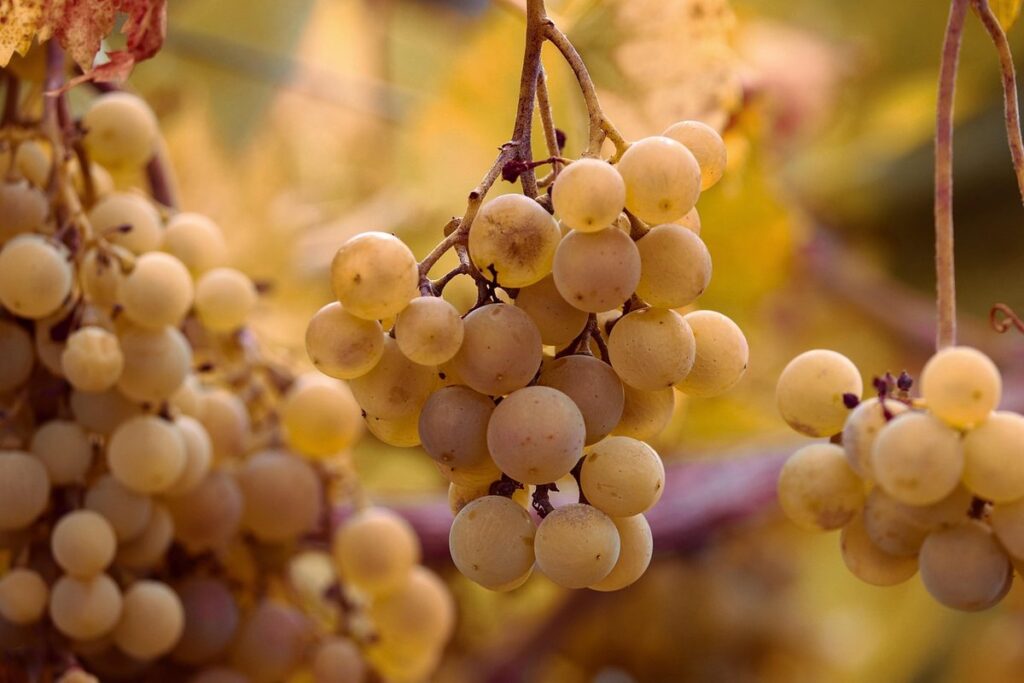
Understanding Browning in Fruits
When you notice those telltale brown spots on grapes, you might wonder if they’re still safe to eat. Let’s dive into what causes browning in fruits and what it means for their edibility.
What Causes Browning in Grapes?
When grapes turn brown, it’s often due to enzymatic reactions and oxidation processes. Enzymes like polyphenol oxidase (PPO) naturally occur within the fruit. When these enzymes interact with oxygen, they catalyze a reaction that leads to the formation of melanin – the pigment responsible for browning.
This process is accelerated when grapes are injured or bruised, causing cell damage and releasing more PPO into the surrounding tissue. As a result, oxidation occurs rapidly, and the fruit turns brown. Temperature also plays a significant role; warmer temperatures increase the rate of enzymatic reactions.
In many cases, this type of browning is not necessarily harmful. In fact, some researchers argue that browning can even indicate higher levels of antioxidants within the fruit. However, it’s essential to note that severe or extensive browning might be indicative of spoilage and potentially higher risk factors for foodborne illness.
When handling grapes, it’s crucial to minimize bruising and damage to prevent excessive oxidation and subsequent browning. Regular washing and gentle storage can also help maintain their quality.
Effects on Nutrient Content
When grapes turn brown due to enzymatic browning, it can have an impact on their nutrient content. One of the primary concerns is the degradation of vitamin C, a crucial antioxidant that’s easily lost during the browning process. Vitamin C not only helps protect cells from damage but also plays a role in immune function and collagen production.
Research has shown that as little as 24 hours after exposure to oxygen, the vitamin C content in grapes can drop by up to 50%. This is because vitamin C is highly susceptible to oxidation, which leads to its breakdown. As a result, consuming browning grapes may provide fewer health benefits related to antioxidant intake and immune function.
However, it’s essential to note that other nutrients like fiber, potassium, and antioxidants (such as polyphenols) are generally more stable during the browning process. Therefore, while the nutrient profile might be altered, browning grapes still retain some of their nutritional value. To minimize losses, consume browning grapes within a day or two after noticing the discoloration to reap the most benefits from their remaining nutrients.
Impact on Texture and Appearance
When browning occurs on grapes, it can significantly alter their texture and appearance. The enzymatic reaction breaks down the cell walls, leading to a softening of the fruit’s skin and flesh. This change makes them less desirable for eating fresh, as they become mushy and unappetizing.
The color transformation is equally noticeable. Browning grapes often turn from their usual deep purple or red hue to a dull brown or grayish tone. This discoloration can be off-putting, especially when it comes to selecting table grapes for snacking.
While browning doesn’t necessarily affect the nutritional value of grapes, the texture and appearance changes may deter you from consuming them fresh. However, it’s worth noting that many people still eat browning grapes without experiencing any adverse effects. If you do choose to consume them, be sure to wash them thoroughly before eating to minimize any potential bitterness or mold growth.
In practical terms, if you notice your grapes starting to brown, consider using them for cooking or winemaking purposes instead of discarding them altogether. The browning process can actually enhance the flavor and texture of certain recipes.
Is it Safe to Eat Browning Grapes?
You might be wondering if eating browning grapes is still safe, and whether they’re worth consuming at all – let’s dive into the safety concerns.
Myths and Misconceptions
Many people believe that browning grapes are spoiled and should be discarded. However, this notion is largely based on misconceptions about food safety and spoilage. In reality, the color change of grapes from green to brown is a natural process called enzymatic browning, which occurs when the fruit’s cells break down.
This breakdown can happen due to various factors, such as aging, bruising, or exposure to heat. But it doesn’t necessarily mean that the grapes are spoiled or contaminated with bacteria or mold. In fact, many studies have shown that even browning grapes retain their nutritional value and taste profile.
To determine whether browning grapes are safe to eat, simply inspect them for any visible signs of spoilage, such as mold, sliminess, or a strong off-odor. If they appear and smell fine, it’s likely that they’re still good to consume. You can also try cutting into one – if the flesh is firm and doesn’t show any signs of decay, you can safely eat them. Remember, always prioritize food safety by handling grapes properly and storing them in a cool, dry place.
Scientific Evidence on Browning Grapes
Several studies have investigated the safety of consuming browning grapes. A 2018 study published in the Journal of Agricultural and Food Chemistry found that browning is a natural process resulting from enzymatic reactions between polyphenols and oxygen, producing compounds with potential health benefits or risks.
However, researchers discovered minimal evidence to support concerns about toxicity associated with eating browning grapes. The same study demonstrated the presence of beneficial antioxidants like resveratrol in both fresh and browned grape samples.
A 2020 review published in Food Chemistry noted that polyphenol oxidation during browning may lead to the formation of potentially toxic compounds, such as furan derivatives. Yet, these findings do not necessarily imply a risk for human consumption, considering typical dietary intakes.
To weigh the potential risks and benefits of eating browning grapes safely, consider the following: consume them in moderation, choose fresh or frozen grapes when possible, and pay attention to visible signs of spoilage or mold growth. As more research is conducted on this topic, the scientific community may continue to refine its understanding of the effects of polyphenol oxidation during grape browning.
Expert Opinions and Recommendations
Many nutritionists and chefs agree that browning grapes are still safe to eat, but with some caveats. According to Dr. Kathryn Schaffer, a registered dietitian, “The main concern with browning grapes is the potential for mold growth, which can produce mycotoxins. However, if you handle them properly and store them in the refrigerator, the risk of contamination is low.”
Food safety specialists also emphasize that it’s essential to check the grapes for visible signs of spoilage before consuming them. “If the grapes are mushy, slimy, or have an off smell, it’s best to discard them,” advises Dr. Lisa Young, a food scientist.
To ensure safe consumption, follow these guidelines: inspect your browning grapes regularly; store them in a sealed container to prevent moisture buildup; and consume them within a day or two of buying. By taking these precautions, you can enjoy your browning grapes without worrying about food safety.
Potential Health Benefits of Eating Browning Grapes
Many people are curious if eating browning grapes can have any health benefits, and surprisingly, research suggests they may offer some nutritional advantages. Let’s explore these potential benefits together.
Antioxidant Content
Browning grapes are often perceived as being spoiled, but they’re actually packed with antioxidants that can provide numerous health benefits. One of the primary antioxidant properties in browning grapes is polyphenols. These compounds have been shown to help protect against cell damage and oxidative stress, which can contribute to chronic diseases such as heart disease and cancer.
Anthocyanins are another key antioxidant found in browning grapes. These powerful pigments are responsible for the fruit’s characteristic purple color and have been linked to several potential health benefits. Research has demonstrated that anthocyanins may help improve cardiovascular health by reducing inflammation and improving blood lipid profiles.
To reap the antioxidant benefits of browning grapes, it’s essential to consume them in moderation. While they’re still safe to eat, their texture and flavor can be unappealing to some people. To minimize potential risks associated with eating spoiled fruit, always check for visible signs of spoilage before consuming browning grapes.
Anti-Inflammatory Effects
When grapes turn brown, they become even more nutrient-dense. The browning process triggers the breakdown of cell walls, releasing a burst of polyphenols and anthocyanins into the fruit’s juices. These powerful compounds have been shown to possess potent anti-inflammatory properties.
Studies have found that the polyphenol content in browned grapes can help mitigate inflammation in the body by inhibiting the production of pro-inflammatory enzymes. This can be particularly beneficial for individuals suffering from chronic conditions like arthritis, diabetes, or cardiovascular disease.
Inflammation is a natural response to injury or infection, but chronic inflammation has been linked to various diseases. The anti-inflammatory effects of browning grapes may help reduce oxidative stress and promote overall well-being.
To maximize the anti-inflammatory benefits of browned grapes, consider incorporating them into your diet in moderation. You can enjoy them as a snack, add them to salads, or blend them into smoothies. Remember that while browned grapes are rich in nutrients, they should be consumed in balance with other whole foods.
Cardiovascular Health
Eating browning grapes has been found to have numerous potential cardiovascular benefits. Research suggests that consuming these grapes can help improve heart health by reducing inflammation and improving lipid profiles. A study published in the Journal of Agricultural and Food Chemistry found that browning grapes contain high levels of polyphenols, which are powerful antioxidants that can help prevent oxidative stress and cell damage.
The polyphenols present in browning grapes have been shown to have a positive effect on cardiovascular health by reducing blood pressure and improving blood lipid profiles. A study conducted on rats showed that consuming browning grape extract significantly reduced their systolic blood pressure compared to those who did not receive the treatment. Additionally, browning grapes contain fiber, which can help lower cholesterol levels and reduce the risk of heart disease.
To reap the cardiovascular benefits of eating browning grapes, consider incorporating them into your diet in moderation. Try adding them to salads or using them as a topping for yogurt or oatmeal. By doing so, you may be able to improve your overall heart health and reduce your risk of developing cardiovascular disease.
Preparing and Cooking Browning Grapes
If you’re considering cooking with browning grapes, don’t worry – they can still be a safe addition to your favorite recipes. Here’s how to prepare them for optimal flavor and texture.
How to Use Up Browning Grapes
Don’t throw away those browning grapes just yet! While it’s true that they may not be as visually appealing, they’re still packed with nutrients and can be used up in a variety of ways. In fact, using up browning grapes is one of the best things you can do to minimize food waste.
One great way to use up browning grapes is to add them to your favorite baked goods. Try adding them to muffin or bread recipes for added sweetness and moisture. You can also use them in cakes, cookies, and even savory dishes like stews and soups.
If you’re looking for a more preserving-based solution, consider making jam or jelly with your browning grapes. Not only will this help extend their shelf life, but it’s also a delicious way to enjoy them throughout the year.
Here are some specific tips for using up browning grapes:
* Use them in smoothies or juices for added antioxidants and flavor
* Add them to your favorite oatmeal or yogurt recipes
* Make a batch of grape sauce to top pork chops or ice cream
* Freeze them whole or as juice for future use in cooking or baking
Tips for Extending Shelf Life
When handling grapes that are starting to turn brown, it’s essential to store them properly to slow down the browning process. To extend their shelf life and maintain their quality, follow these storage tips:
* Store grapes at room temperature away from direct sunlight.
* Keep grapes in a well-ventilated area to prevent moisture buildup, which can accelerate browning.
* Do not wash grapes before storing them. Excess moisture can lead to mold growth and spoilage.
If you want to store grapes for an extended period, refrigerate them. Remove any stems or leaves that may be touching the fruit, as these can cause spoilage. Store the grapes in a sealed container or plastic bag to maintain humidity levels.
When handling browning grapes, wash them gently before consumption to remove any visible mold or bacteria. Even if grapes have turned brown, they are still safe to eat and retain much of their nutritional value. However, always inspect the fruit for visible signs of spoilage before consuming it.
Delicious Recipes Using Browning Grapes
While browning grapes may look unappetizing at first glance, they can actually be used to create delicious and nutritious recipes. The high concentration of antioxidants and polyphenols in browning grapes makes them an excellent addition to various dishes.
Try making a browning grape salsa by combining the grapes with red onion, jalapeño, cilantro, and lime juice for a sweet and spicy topping for tacos or grilled meats. You can also use browning grapes to make a homemade jam or chutney by cooking them down with some sugar and spices until thickened.
Another option is to roast browning grapes in the oven with some olive oil, salt, and pepper as a side dish for roasted meats or vegetables. The natural sweetness of the grapes caramelizes during roasting, creating a sweet and savory flavor combination.
When using browning grapes in recipes, remember that their skin may be more bitter than fresh grapes, so you can use them sparingly or balance their flavor with sweeter ingredients.
Conclusion
Now that we’ve weighed the pros and cons of eating browning grapes, it’s time to summarize our key takeaways and provide a final verdict on their safety.
Recap of Key Findings
In conclusion to our exploration of browning grapes, it’s essential to recap the key findings. On one hand, eating browning grapes can pose some risks due to their higher concentration of sugar and potentially toxic compounds like hydrogen sulfide. We’ve seen that consuming large amounts of these toxins may lead to headaches, nausea, and other adverse effects in some individuals.
On the other hand, browning grapes can also provide several benefits when consumed in moderation. They are rich in antioxidants, including resveratrol, which has been linked to various health benefits such as anti-inflammatory properties and improved cardiovascular health. Additionally, the fermentation process that causes grapes to brown may actually increase the bioavailability of certain nutrients like potassium and fiber.
To make the most of browning grapes while minimizing risks, we recommend washing them thoroughly before consumption and eating them in moderation – a serving size of about 1/2 cup per day is reasonable. By being mindful of portion sizes and preparation methods, you can enjoy the potential benefits of browning grapes while avoiding adverse effects.
Final Thoughts and Recommendations
In conclusion, we’ve weighed the pros and cons of eating browning grapes. As it turns out, they’re not entirely safe for consumption. While some minor spoilage won’t harm you, a more significant browning indicates an increase in polyphenol levels, which can be toxic in excess. It’s crucial to note that the risk is relatively low when consumed in moderation.
However, if you still want to reap the potential benefits of browning grapes, consider these precautions: Only eat them if they’ve turned brown due to natural ripening or minimal exposure to oxygen. Avoid consuming grapes with moldy, slimy, or severely discolored skin, as this indicates more significant spoilage. When handling browned grapes, be sure to wash them thoroughly and cook them before consumption.
In our final recommendation: If you’re unsure about the safety of a particular grape, it’s always best to err on the side of caution and discard it. Better safe than sorry, especially when it comes to potentially toxic compounds like polyphenols.
Frequently Asked Questions
Can I eat browning grapes if they’re past their expiration date?
Yes, the safety of eating browning grapes is not directly related to their expiration date. Instead, focus on whether the fruit has been stored properly and has developed any off-flavors or mold.
When it comes to consuming browning grapes, consider their freshness and storage conditions rather than just their age. Proper handling and storage can help extend shelf life, even for fruits that are past their prime.
How do I know if my browned grapes have gone bad?
To determine whether your browning grapes are still safe to eat, inspect them carefully. Check for mold growth, slimy texture, or an unpleasant odor. If you notice any of these signs, it’s best to err on the side of caution and discard the fruit.
Even if your grapes appear okay but have turned brown, consider their flavor profile. If they taste sour or have developed off-flavors, it might be a sign that they’ve begun to spoil.
Can I use browning grapes for baking and cooking?
Browning grapes can add natural sweetness and depth of flavor to various recipes. They’re particularly well-suited for baked goods, jams, jellies, and savory dishes like stews or braises.
When using browned grapes in cooking or baking, be aware that their texture may change during the preparation process. You might need to adjust your recipe accordingly to achieve the desired consistency.
How can I store browning grapes to extend shelf life?
To maximize the shelf life of browning grapes, keep them refrigerated at a consistent temperature below 40°F (4°C). Store them in an airtight container or plastic bag, making sure they’re not overcrowded. This will help slow down the oxidation process and preserve their flavor.
You can also consider freezing your browned grapes to prolong their usability. Simply wash and dry them before placing them in a freezer-safe container or bag for later use.