
As the weather starts to chill and the days get shorter, your garden may be feeling the effects. But do you really need to add mulch to protect it from winter’s wrath? While some might think it’s just a cosmetic addition, mulch actually plays a crucial role in keeping your soil healthy and pest-free during the colder months. In fact, using the right type of mulch can insulate the soil, preventing it from freezing and damaging the roots of your plants. Not to mention, mulch can also help suppress weeds and pests that thrive in cold temperatures. But with so many types of mulch on the market, how do you choose the right one for your garden? In this article, we’ll explore the benefits of using garden mulch in winter and provide tips on how to apply it effectively.
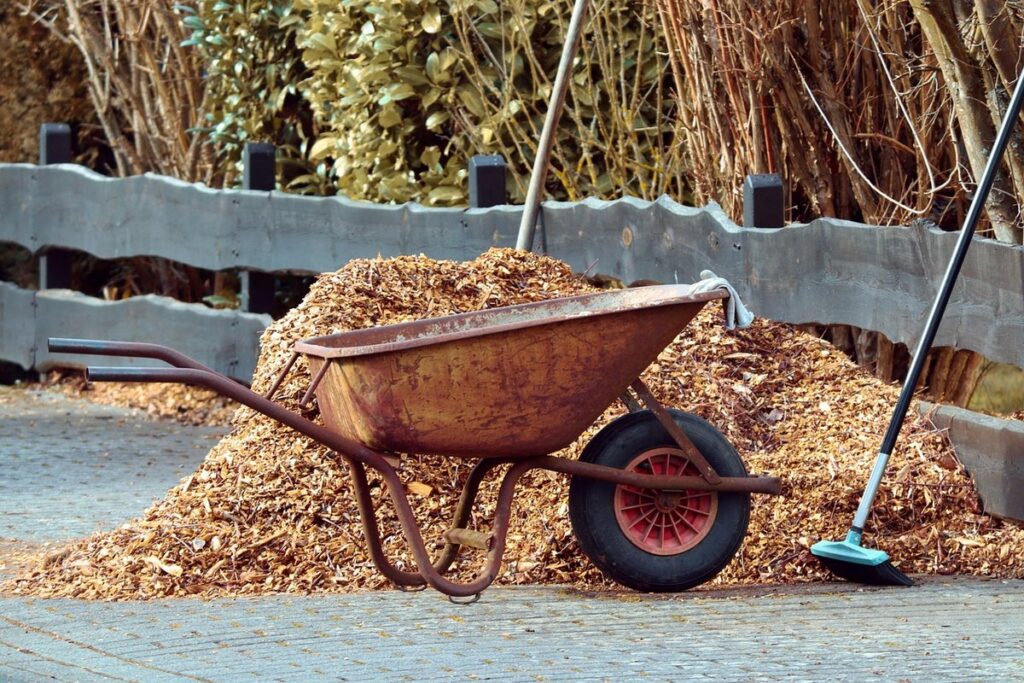
Benefits of Using Garden Mulch in Winter
When it comes to winter gardening, one often overlooked tool is garden mulch – but just how much can it help? Let’s explore its benefits.
Insulating and Retaining Moisture
Using garden mulch is an excellent way to insulate and retain moisture in the soil during winter months. When applied correctly, a layer of mulch can help regulate soil temperature, keeping it from getting too cold or too hot. This insulation effect is crucial for plant growth, as most plants are dormant during winter and don’t require extreme temperatures.
Mulch also plays a vital role in retaining moisture in the soil. It acts like a sponge, absorbing any excess water that might seep into the soil, reducing runoff and erosion. By keeping the soil consistently moist, mulch ensures that plant roots have access to the necessary water for recovery during spring. Aim to maintain a 3-4 inch layer of mulch around your plants, replenishing it as needed to maintain its effectiveness.
In addition to these benefits, mulch helps prevent water loss through evaporation by shielding the soil from direct sunlight and wind. This reduces the amount of time you need to water your plants during winter, saving you effort and resources. By combining mulching with proper watering habits, you’ll be well on your way to having healthy and thriving plants come springtime.
Suppressing Weeds and Pests
As winter sets in, garden mulch plays a crucial role in suppressing weed growth and deterring pests that thrive in cold weather conditions. By applying the right type of mulch, you can prevent weeds from germinating and competing with your plants for water and nutrients. Organic mulches like bark chips, straw, or pine needles are ideal for this purpose.
These types of mulches form a barrier on the soil surface, preventing weed seeds from coming into contact with light and soil, thereby inhibiting their growth. Additionally, they can help retain moisture in the soil, reducing the need for frequent watering and minimizing weed growth.
To choose the right type of mulch for suppressing weeds and pests, consider the following:
• Organic mulches are generally more effective than inorganic ones
• Depth matters – apply a thick layer (at least 3-4 inches) to achieve optimal results
• Regularly replenish or replace mulch as it breaks down or gets washed away by rainfall
By incorporating garden mulch into your winter gardening routine, you can create an environment that’s less conducive to weed growth and pest infestations. This will not only save you time and effort but also promote healthier plant growth and a more sustainable garden ecosystem.
Improving Soil Health
When you add garden mulch to your winter garden, it not only protects the soil from extreme temperatures but also contributes significantly to its overall health. One of the primary ways mulch improves soil health is by adding organic matter to the soil. This process is often referred to as “soil conditioning.” As mulch breaks down, it releases nutrients and minerals into the surrounding soil, enriching its fertility and structure.
Another way mulch benefits the soil is by promoting beneficial microbial activity. Microorganisms in the soil feed on decaying mulch, producing enzymes that break down complex organic matter into simpler compounds. This process increases the soil’s water-holding capacity and cation exchange capacity, making it more capable of supporting plant growth. By reducing soil compaction through its physical presence, mulch also allows roots to grow deeper and wider, which in turn enhances soil structure and fertility.
Regularly replenishing your garden with a 2-3 inch layer of organic mulch will greatly improve its overall health over time.
Types of Mulches Suitable for Winter
When it comes to choosing the right mulch for winter, you’ve got several options to consider, from organic wood chips to inorganic rock. We’ll explore each one to help you make an informed decision.
Organic Mulches (Straw, Bark, Leaves)
When it comes to choosing organic mulches for winter, straw, bark chips, and leaves are popular options. Straw, made from dried grasses, is an excellent choice as it breaks down quickly, suppressing weeds and retaining moisture. However, its availability can be seasonal, and prices may fluctuate accordingly.
Bark chips, on the other hand, are a cost-effective option, but they may not decompose as efficiently, potentially lasting for several years. This prolonged presence of bark chips in your garden could lead to acidic soil conditions if not replenished regularly. Leaves, collected from your own yard or obtained sustainably, can be an eco-friendly choice, providing nutrients and improving soil structure.
When using leaves as mulch, make sure to shred them first to prevent matting and promote decomposition. Consider the specific needs of your garden: for instance, if you have acid-loving plants like azaleas or rhododendrons, bark chips may be a suitable option. Whatever organic material you choose, remember that it will eventually break down, so replenish your mulch supply regularly to maintain its effectiveness and prevent weed growth.
Inorganic Mulches (Plastic, Rubber)
When it comes to choosing a mulch for winter, some gardeners opt for synthetic options like plastic sheeting and rubber mulch. These types of mulches offer durability and are relatively low maintenance compared to organic alternatives.
However, it’s essential to weigh the pros and cons before making a decision. One advantage of plastic sheeting is its ability to retain heat in the soil, which can be beneficial for plants that prefer warmer temperatures. It’s also waterproof, making it an excellent choice for areas with heavy rainfall or snowmelt.
On the other hand, rubber mulch has its own set of benefits. It’s eco-friendly as it’s made from recycled materials and is resistant to pests and diseases. Additionally, it doesn’t break down like organic mulches do, reducing the need for frequent replenishment.
Despite these advantages, synthetic mulches have some significant drawbacks. They can get too hot in direct sunlight, potentially harming plants with exposed roots or stems. Moreover, plastic sheeting can suppress seed germination and root growth if not installed correctly. To minimize these risks, ensure proper installation and monitor your plants closely for signs of distress.
If you do decide to use synthetic mulches, be aware that they may require removal at the end of winter when temperatures rise again. This can lead to a temporary mess as you clear away the remnants. Weighing the benefits against these potential drawbacks will help you make an informed decision about whether inorganic mulches are suitable for your garden’s specific needs.
Preparing Garden Beds for Winter with Mulch
To protect your garden beds from winter damage, learn how to properly prepare them with a layer of mulch that will keep roots warm and moisture intact. This simple process is crucial for healthy plant growth come spring.
Applying the Right Amount of Mulch
When applying mulch to garden beds during winter, it’s essential to strike the right balance between protection and suffocation. Too little mulch, and your plants may not receive adequate insulation from harsh weather conditions. On the other hand, too much mulch can cause waterlogging, leading to root rot and other issues.
A general rule of thumb is to apply 2-3 inches of organic mulch, such as wood chips or bark, around the base of your plants. This depth will help retain moisture, suppress weeds, and regulate soil temperature without causing damage. To calculate the coverage area, multiply the square footage of your garden bed by the recommended thickness (e.g., a 10×10 foot bed requires approximately 20-30 square feet of mulch).
Consider applying mulch in thin layers (about 1 inch at a time) and gradually build up to the desired depth. This approach allows you to monitor the mulch’s effect on your plants and adjust as needed. Reapply every 2-3 months or after heavy rainfalls, making sure not to pile it too high around plant stems to prevent moisture buildup.
Choosing the Best Location for Mulching
When applying mulch to your garden beds for winter, choosing the right location is just as crucial as selecting the type of mulch. As you prepare your garden for the cold months ahead, consider the following factors to determine where to apply mulch.
Sunlight exposure plays a significant role in mulching decisions. Apply mulch to areas that receive partial shade, such as north-facing slopes or beds under trees with dense canopies. Avoid applying mulch in full sun, especially if you live in warmer climates, as this can lead to increased moisture and potential fungal growth.
Drainage is another critical factor. Mulch can help retain soil moisture, but it’s essential to ensure that the area doesn’t become waterlogged. Look for areas with good air circulation and avoid applying mulch near slopes or low-lying areas where water tends to collect.
Lastly, consider accessibility when deciding where to apply mulch. Choose locations that are easily accessible for maintenance and upkeep, such as beds near walkways or paths.
By taking these factors into account, you can effectively utilize mulch in your garden bed preparation and ensure a healthy, thriving garden come springtime.
Potential Drawbacks of Using Mulch in Winter
While mulch can provide many benefits for your garden, there are some potential drawbacks to consider when using it during the winter months. Let’s take a closer look at these limitations.
Risk of Excessive Moisture
When it comes to using mulch in winter, one of the potential drawbacks is the risk of excessive moisture retention. This can lead to a range of issues, including root rot and other problems that can harm your plants.
One key factor to consider is the type of mulch you’re using. Organic mulches like wood chips or bark can retain a lot of moisture, especially if they’re not properly seasoned. If you apply too much of these types of mulch, it can create a soggy environment that’s perfect for root rot and other diseases.
To avoid this problem, make sure to use a thin layer of mulch – typically around 2-3 inches deep. This will allow for good air circulation and prevent moisture from becoming trapped. You should also choose a mulch type that’s specifically designed to dry out quickly, such as pine straw or gravel.
In addition to the right amount and type of mulch, it’s essential to keep an eye on the weather forecast and adjust your mulching accordingly. If you’re expecting heavy rain or snowmelt, hold off on applying new mulch until the soil has dried out a bit. This will help prevent waterlogging and reduce the risk of root rot.
Impact on Plant Growth and Health
While mulching can have numerous benefits for plant growth and health during warmer months, it may not be as effective during winter. In fact, using mulch in winter can actually do more harm than good to certain plants.
One of the primary concerns with using mulch in winter is its impact on nutrient cycling. Mulch can act as a barrier, preventing water and essential nutrients from reaching plant roots. This can lead to nutrient deficiencies, particularly if the soil is not well-fertilized before applying mulch. For example, if you’re using an organic mulch like wood chips or bark, it may contain high levels of carbon but lack nitrogen, leading to a potential nitrogen deficiency in your plants.
Additionally, excess moisture trapped beneath the mulch can create a humid microclimate that fosters fungal diseases and pest infestations. This is especially true for plants with tender stems or leaves that are more susceptible to damage from overwintering insects like aphids or spider mites.
DIY Mulching Techniques for a Sustainable Winter Garden
If you’re looking to create a thriving winter garden, consider implementing these easy-to-follow DIY mulching techniques that’ll save you money and reduce waste.
Reusing Materials and Resources
When it comes to mulching during winter, many gardeners opt for traditional store-bought options. However, this can be a costly and unsustainable approach, especially when there are plenty of creative ways to repurpose household waste and natural materials as garden mulch.
Consider collecting fallen leaves from your yard or neighborhood streets. Leaves are rich in nutrients and can help retain moisture in the soil during dry winter months. Simply chop them into smaller pieces using a lawn mower or leaf shredder, and spread them evenly around your plants.
You can also use kitchen scraps like vegetable peels, coffee grounds, and tea bags as mulch. These materials are not only free but also packed with nutrients that will benefit your soil. Compost them first to break down any large pieces and kill off weed seeds.
Another great resource is local wood chips or shredded bark from tree trimming services. Many municipalities offer these materials for free or at a low cost, so be sure to reach out to your local arborist or waste management department to see what’s available in your area.
Minimal-Cost Options for Winter Mulching
If you’re on a tight budget but still want to protect your garden from harsh winter conditions, there are several minimal-cost options for applying mulch. One of the most effective methods is to make use of available yard waste or recycled materials. Consider collecting fallen leaves, twigs, and branches that can be easily shredded and used as mulch.
You can also repurpose old newspapers, cardboard, or paper bags by shredding them into thin strips. These materials not only provide a barrier against cold temperatures but also help retain moisture in the soil. When using yard waste or recycled materials, mix them with other compostable materials to create a nutrient-rich mulch.
Another budget-friendly option is to collect and reuse existing mulch from around your garden. Simply rake it up, add some new organic matter like compost or well-rotted manure, and spread it evenly over the affected area. This method not only saves money but also reduces waste.
Conclusion
In conclusion, mulching your garden during winter is not strictly necessary, but it can provide numerous benefits that make it worth considering. By protecting your plants from harsh weather conditions and retaining moisture in the soil, you’ll be able to enjoy a healthier and more resilient garden come springtime. If you do choose to use mulch, select a type that’s resistant to freezing temperatures and won’t create an anaerobic environment that promotes disease growth. Consider applying a 2-3 inch layer of organic mulch like wood chips or straw to your garden beds before the ground freezes, and reapply as needed throughout the winter months.
Frequently Asked Questions
Can I use mulch on top of existing soil, or do I need to remove it first?
Yes, you can apply a layer of mulch directly over existing soil, but make sure the area is clear of any debris and vegetation. This method is known as “mulching over,” which helps insulate the soil and retain moisture.
How often should I reapply mulch throughout the winter season?
It depends on weather conditions. In areas with heavy rainfall or extreme temperature fluctuations, you may need to reapply a fresh layer of 2-3 inches (5-7.5 cm) every 4-6 weeks to maintain its effectiveness in insulating and retaining moisture.
What if I have sensitive plants that prefer more direct sunlight? Can I mulch around them only?
Yes, you can create a border of mulch around specific plants or areas that require more sunlight exposure. This will help retain soil temperature and moisture without blocking light from reaching the plants. However, be cautious not to over-mulch, as this may still cause some shading.
Can I use organic mulches during the winter when they’re typically in short supply?
While it’s true that certain organic materials like straw or leaves might be less abundant during winter, there are alternative options available. Consider using other types of organic mulches like pine needles or wood chips, which can still provide insulation and retain moisture.
What about areas with poor drainage? Should I avoid using mulch altogether?
No, you don’t have to avoid using mulch in areas with poor drainage. Instead, apply a thinner layer (about 1-2 inches) of mulch to prevent waterlogging and ensure good air circulation around the plants’ roots.