
Are you considering using galvanized panels in your garden bed, but wondering if they’re safe for plants and soil? You’re not alone. Many gardeners are turning to these durable and low-maintenance panels as a solution for raised beds and retaining walls. However, there’s a growing concern about the potential risks of using galvanized panels in garden beds. Specifically, zinc leaching from the panels can contaminate soil and water, posing health risks to plants and humans alike. In this article, we’ll explore the potential dangers of galvanized panels and provide guidance on non-toxic alternatives and best practices for installation and maintenance. By understanding the risks, you can make informed decisions about your garden bed’s safety and create a healthy, thriving space for your plants.
What are Galvanized Panels?
So, what exactly are galvanized panels and how do they work their magic on garden beds, making them a popular choice among gardeners. Let’s break it down for you!
Definition and Purpose
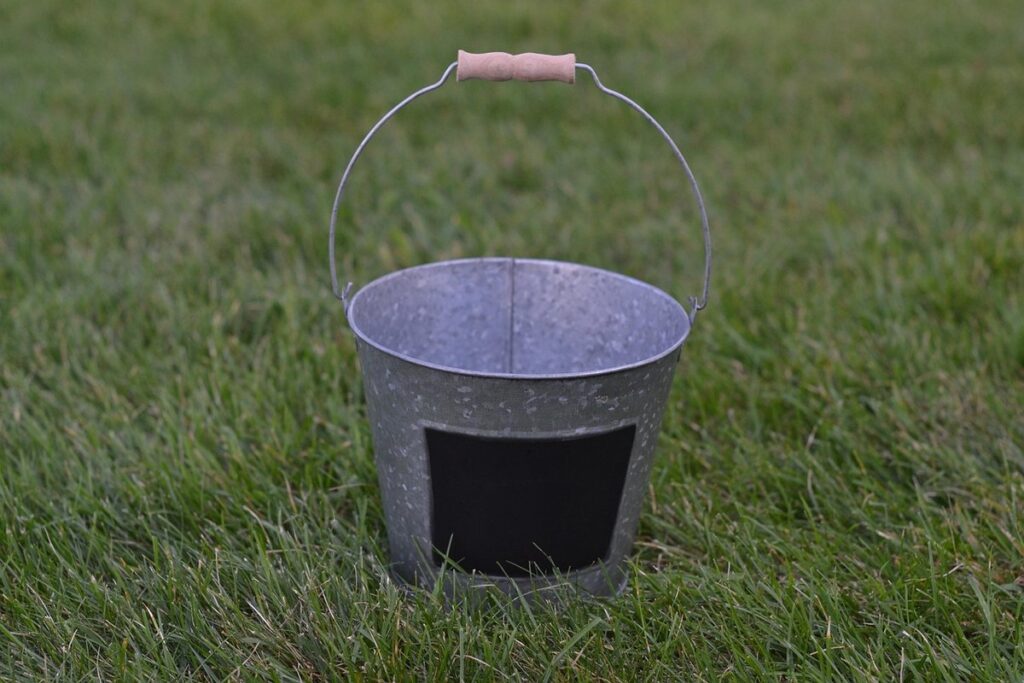
Galvanized panels are a type of steel sheet coated with a layer of zinc to protect against corrosion. This unique coating process makes them an attractive option for various applications, including gardening and outdoor construction projects.
At their core, galvanized panels are designed to withstand harsh environmental conditions, ensuring they remain durable and resistant to rust. The zinc coating serves as a barrier between the steel and oxygen, preventing corrosion from occurring. This is particularly beneficial in garden beds, where soil and moisture can accelerate metal degradation.
When used correctly, galvanized panels can provide years of reliable service without compromising your garden’s safety or health. However, it’s essential to ensure proper installation and maintenance to prevent any potential issues. Always follow the manufacturer’s instructions for cleaning and sealing to maintain the panel’s integrity.
In fact, many gardening enthusiasts have successfully integrated galvanized panels into their garden designs, creating functional and visually appealing spaces while minimizing waste and environmental impact.
Types of Galvanized Panels
Galvanized panels come in two primary forms: hot-dipped galvanizing and electro-galvanizing. Hot-dipped galvanizing is a traditional method where steel sheets are submerged into a molten zinc bath, allowing the zinc to evenly coat the metal surface. This process provides exceptional protection against corrosion, making it a popular choice for garden beds.
On the other hand, electro-galvanizing involves using an electric current to deposit zinc onto the steel surface. While this method is also effective in preventing rust and corrosion, it may not provide the same level of durability as hot-dipped galvanizing.
When choosing between these two types of galvanized panels for your garden bed, consider factors such as climate, soil type, and intended usage. Hot-dipped galvanized panels are ideal for areas with high salt content or extreme weather conditions. In contrast, electro-galvanized panels may be suitable for more moderate environments. Ultimately, the decision between these two types depends on your specific needs and preferences.
It’s worth noting that some manufacturers may also offer hybrid or combination products that incorporate elements of both hot-dipped and electro-galvanizing processes. Be sure to research and review product specifications before making a final decision.
Potential Risks Associated with Galvanized Panels
While galvanized panels can be a great option for garden beds, there are some potential risks to consider before making your final decision, such as metal toxicity and corrosion.
Zinc Leaching and Garden Soil Contamination
When galvanized panels come into contact with water and oxygen, they can leach zinc into the surrounding soil. This process is known as zinc leaching, and it’s a concern for garden beds where children and pets may be exposed to contaminated soil.
Zinc leaching can potentially harm plants by altering their growth patterns and reducing crop yields. For example, research has shown that high levels of zinc in soil can cause wilting, stunted growth, and yellowing leaves in plants like tomatoes and lettuce. Moreover, microorganisms in the soil, which are essential for decomposing organic matter and recycling nutrients, may also be affected by excessive zinc levels.
In garden beds where galvanized panels are used, it’s essential to take precautions to minimize the risk of zinc leaching. You can do this by ensuring good drainage around the panels, using a layer of mulch or gravel to separate the soil from the panels, and regularly testing your soil for zinc levels. By taking these simple steps, you can help create a safe and healthy environment for your plants and loved ones to thrive.
Corrosion and Rust-Through Problems
Galvanized panels are often touted as durable and long-lasting, but they’re not entirely immune to corrosion. The zinc coating that gives them their rust-resistant properties can wear off over time, especially when exposed to harsh weather conditions or improper installation.
If you live in an area with high levels of salt, acidity, or moisture, the risk of corrosion increases significantly. For instance, coastal regions with salty air and frequent rainfall can lead to a faster degradation of the zinc coating. Similarly, if your galvanized panel is installed incorrectly, with gaps or crevices that allow water to seep in, it can create an ideal environment for rust to form.
To mitigate this risk, ensure your galvanized panels are properly installed, following the manufacturer’s instructions and local building codes. Regular maintenance is also crucial – inspect your panels regularly for signs of wear or damage, and address any issues promptly. By taking these precautions, you can minimize the likelihood of corrosion and rust-through problems that might compromise the structural integrity of your garden bed.
Alternatives to Galvanized Panels for Garden Beds
If you’re concerned about using galvanized panels in your garden bed, consider these non-toxic and eco-friendly alternatives that can provide a safe growing environment.
Overview of Non-Toxic Options
When it comes to choosing materials for your garden bed, you want to ensure that they are safe for your plants and family. Galvanized panels have been a popular choice due to their durability and affordability, but as we discussed earlier, there are concerns about the toxicity of zinc coatings. Fortunately, there are many non-toxic alternatives available that can provide similar benefits without the risks.
One option is aluminum panels, which are made from recyclable materials and won’t leach toxic chemicals into the soil. Bamboo screens are another great choice, offering excellent ventilation and allowing for easy plant access. Recycled plastic planters are also a fantastic alternative, as they’re made from post-consumer waste and require no maintenance.
If you’re looking to make a switch, start by evaluating your garden bed’s needs: do you need durable walls or just some added support? Consider the types of plants you’ll be growing and how often you’ll be pruning them. With these factors in mind, choose an alternative that aligns with your specific requirements.
Comparison of Materials
When considering alternatives to galvanized panels for garden beds, it’s essential to weigh the pros and cons of different materials. For instance, aluminum panels are another popular option due to their lightweight and corrosion-resistant properties. However, they can be more expensive than galvanized steel.
Wooden boards, on the other hand, offer a natural look but may require regular maintenance to prevent rot and pest damage. Additionally, some types of wood, such as pressure-treated lumber, contain chemicals that can leach into soil.
Recycled plastic panels are another option worth considering. They are durable, low-maintenance, and resistant to pests and diseases. However, they can be prone to cracking in extreme temperatures. Fiberglass panels offer a similar durability and maintenance-free aspect but may have aesthetic drawbacks compared to other materials.
Ultimately, the choice of material will depend on your specific needs and preferences. If you’re looking for a budget-friendly option with some upkeep requirements, wooden boards might be suitable. For those prioritizing low maintenance and environmental sustainability, recycled plastic or fiberglass panels could be the better choice.
Environmental Impact and Eco-Friendliness
Now that we’ve covered the safety benefits of galvanized panels, let’s explore how they impact the environment and whether they’re a sustainable choice for your garden beds.
Effects on Soil Quality and Microbiome
When galvanized panels come into contact with soil, they can leach zinc ions, potentially altering soil pH levels. This is especially concerning for garden ecosystems where a delicate balance of microorganisms and nutrient cycling occurs.
The effects on soil microbiome can be far-reaching, influencing the populations of beneficial bacteria and fungi that help break down organic matter and fix nitrogen. Research has shown that high levels of zinc in soil can inhibit the growth of beneficial microbes, leading to decreased soil fertility and reduced plant growth.
For gardeners using galvanized panels, it’s essential to monitor their garden’s pH levels and take corrective action if necessary. This might involve adding lime or other amendments to adjust the soil’s acidity. Regularly testing your soil will help you identify any changes and make informed decisions about how to maintain a healthy ecosystem.
Additionally, consider planting zinc-tolerant species in areas where galvanized panels are used. These plants have adapted to grow in soils with high levels of zinc and can thrive despite the altered conditions. By taking proactive steps, gardeners can mitigate the risks associated with galvanized panels and create thriving gardens that support diverse plant and microbial life.
Comparing Eco-Friendly Options
When building garden beds with galvanized panels, it’s natural to wonder about their environmental impact compared to other materials. Let’s take a closer look at the eco-friendly credentials of different options.
Recyclable materials like reclaimed wood and bamboo are often touted as eco-friendly alternatives. However, they have limitations. Reclaimed wood requires significant processing and energy for re-milling, which can offset its initial appeal. Bamboo, on the other hand, is more durable but has a higher embodied carbon footprint due to the intensive monoculture farming practices involved.
Other options like composite materials and pressure-treated wood are also worth considering. Composite materials boast improved durability and reduced maintenance needs. However, their production process often involves non-renewable resources and contributes to microplastic pollution.
Galvanized steel panels, however, have made significant strides in eco-friendliness. With a recyclable core and durable zinc coating, they offer an impressive 90%+ recyclability rate at the end of their lifespan. Furthermore, zinc’s natural properties make it naturally resistant to corrosion, eliminating the need for toxic preservatives often associated with other materials.
By weighing these factors, you can choose materials that align with your garden bed goals while minimizing environmental harm. Consider incorporating locally sourced and sustainably harvested materials whenever possible.
Installation and Maintenance Best Practices
To ensure the longevity of your galvanized panels, it’s essential to follow proper installation and maintenance procedures to prevent damage and preserve their safety features. Proper handling and upkeep will keep your garden bed safe and functional.
Correct Installation Techniques
Proper installation of galvanized panels is essential to ensure they remain safe and suitable for garden beds. When installing these panels, it’s crucial to prioritize adequate drainage and ventilation to prevent water accumulation and reduce the risk of corrosion.
To achieve this, ensure that the ground beneath the panel is sloped to direct excess water away from the structure. A gentle slope of about 1-2% is usually sufficient for most garden beds. Additionally, consider installing a French drain or a perforated pipe near the base of the panel to facilitate efficient water drainage.
Ventilation is equally important to prevent moisture buildup and reduce the risk of rust. Leave a gap of at least 10 cm between adjacent panels and ensure that there’s adequate space between the top of the panel and any surrounding structure for airflow. This will help maintain a healthy microclimate within the garden bed, promoting healthy plant growth while minimizing the risks associated with galvanized panels.
Regularly inspect your installed galvanized panels to detect any signs of wear or damage, addressing issues promptly to prevent further complications.
Ongoing Maintenance and Inspection
To ensure the longevity and safety of galvanized panels in garden beds, regular maintenance and inspection are crucial. Start by establishing a routine cleaning schedule to remove dirt, debris, and excess moisture that can accelerate corrosion. For most garden bed applications, a gentle wash with a mixture of water and mild detergent should suffice every 2-3 months.
During these cleanings, inspect the panels for signs of damage, rust spots, or other wear. Check for loose connections, tighten any bolts or screws, and address any issues promptly to prevent further problems. Keep in mind that galvanized coatings can be compromised by excessive exposure to saltwater, fertilizers, or certain types of soil; monitor your garden’s conditions to adjust your maintenance schedule accordingly.
For more thorough inspections, perform a bi-annual visual examination using a pair of binoculars or a ladder, focusing on areas prone to moisture accumulation (e.g., joints, corners). Record your findings and implement repairs as needed.
Conclusion
Now that we’ve weighed the pros and cons, let’s summarize our findings on whether galvanized panels are safe for use in garden beds. Here’s what you need to take away from this article.
Recap of Key Points
In conclusion to our discussion on galvanized panels in garden beds, let’s recap some key points. When used as a liner for raised beds, galvanized steel panels can pose potential health risks due to the release of zinc and other heavy metals into the soil and water. These chemicals can leach into plants, contaminate groundwater, or even cause harm to pets and children who interact with the garden.
Some key takeaways from our analysis include: galvanized panels should be avoided for garden bed construction; if already installed, they can be replaced with safer alternatives like recycled plastic or composite materials. We also explored some safer liner options, such as asphalt or ceramic tile, which minimize chemical leaching risks. To ensure safe and healthy gardening practices, homeowners are advised to choose environmentally friendly building materials and consider testing for metal contamination in their soil and water. By taking these precautions, gardeners can enjoy a beautiful and thriving garden bed without compromising safety and well-being.
Final Recommendations
When considering using galvanized panels in garden beds, it’s essential to weigh the pros and cons. Based on our analysis, we recommend exercising caution when selecting this material for gardening purposes.
If you still want to use galvanized panels, ensure proper coating maintenance is performed regularly. Check the manufacturer’s instructions for recommended cleaning and re-coating procedures to prevent zinc leaching into the soil.
To minimize risks associated with galvanized panels, consider using alternative materials like recycled plastic or cedar wood. These options are not only eco-friendly but also safer for plant growth.
If you do decide on galvanized panels, carefully inspect them before installation. Check for any signs of rust, damage, or compromised coatings that could lead to zinc leaching into the soil.
For added peace of mind, consider implementing a few extra precautions: use a layer of mulch or compost to buffer potential chemical interactions between the soil and panel coating, and install the panels at least 12 inches off the ground to reduce direct contact with moisture-rich soil. By taking these steps, you can help mitigate risks associated with galvanized panels in garden beds.
Frequently Asked Questions
What happens if I’ve already installed galvanized panels in my garden bed?
If you’ve already installed galvanized panels, don’t panic! However, it’s essential to take immediate action to mitigate potential risks. Remove any plants from the affected area and dispose of contaminated soil safely. Consider replacing the galvanized panels with a non-toxic alternative, such as recycled plastic or bamboo.
Can I still use galvanized panels if I follow proper installation techniques?
While proper installation can reduce the risk of zinc leaching, it’s not enough to guarantee safety. Zinc can still seep into the soil and contaminate water over time. Even with correct installation, galvanized panels pose a long-term risk to your garden bed’s health.
Are there any natural ways to counteract zinc contamination in my garden?
Yes! Some plants, like alfalfa and sunflowers, have shown potential in absorbing excess zinc from contaminated soil. You can also use natural chelating agents like zeolites or clay powders to bind and remove heavy metals from the soil.
How do I choose a non-toxic alternative to galvanized panels?
When selecting alternatives, consider durability, maintenance requirements, and environmental impact. Options like recycled plastic, bamboo, or reclaimed wood are eco-friendly and resistant to rot. Make sure to research each material’s specifications and compare them with your specific needs.
Can I use galvanized panels for raised beds with acid-loving plants?
No! Acid-loving plants like azaleas and blueberries thrive in acidic soil, which zinc can disrupt. To ensure the health of these plants, it’s best to opt for non-toxic alternatives that won’t contaminate your garden bed.