
Are you ready to be amazed by the incredible diversity of irises? With over 300 species and countless hybrids, these stunning flowers come in an astonishing array of colors, shapes, and sizes. From early spring bloomers that brighten up the gloomiest days to miniature varieties that add a touch of whimsy to your garden, there’s an iris plant type to suit every taste.
In this article, we’ll delve into the wonderful world of irises, exploring their different types, growth habits, and care requirements. Whether you’re a seasoned gardener or just starting out, you’ll learn valuable tips on how to grow and care for these beautiful flowers, from choosing the right variety for your climate to troubleshooting common issues. Get ready to discover the joy of growing irises in your own garden!
The Basics of Irises
Let’s start with the basics, and we’ll cover the essential characteristics that define different types of irises, from foliage to flowering habits. This foundation will help you understand the diversity within this beautiful plant family.
What are Irises?
Irises have been a beloved addition to gardens and homes for thousands of years. In fact, the first recorded evidence of iris cultivation dates back to ancient Egypt around 1500 BCE. These stunning flowers were not only prized for their vibrant colors but also held significant symbolic meaning. For example, in ancient Greece, the iris was associated with wisdom and faith.
The iris plant family belongs to the Iridaceae order, which comprises over 300 species worldwide. These plants are characterized by their unique, symmetrical shape and distinctive patterns on their petals. Irises can be found growing wild in many parts of the world, but they’re also widely cultivated for their beauty and versatility.
As a gardener or homeowner, you may have noticed that irises come in an incredible range of colors, including blue, purple, yellow, white, and even black. This diversity is due to the fact that irises are often cross-bred with other species, resulting in new and exciting hybrids. Whether you’re looking to add a pop of color to your garden or simply appreciate their beauty from afar, irises are sure to captivate and inspire.
Characteristics of Irises
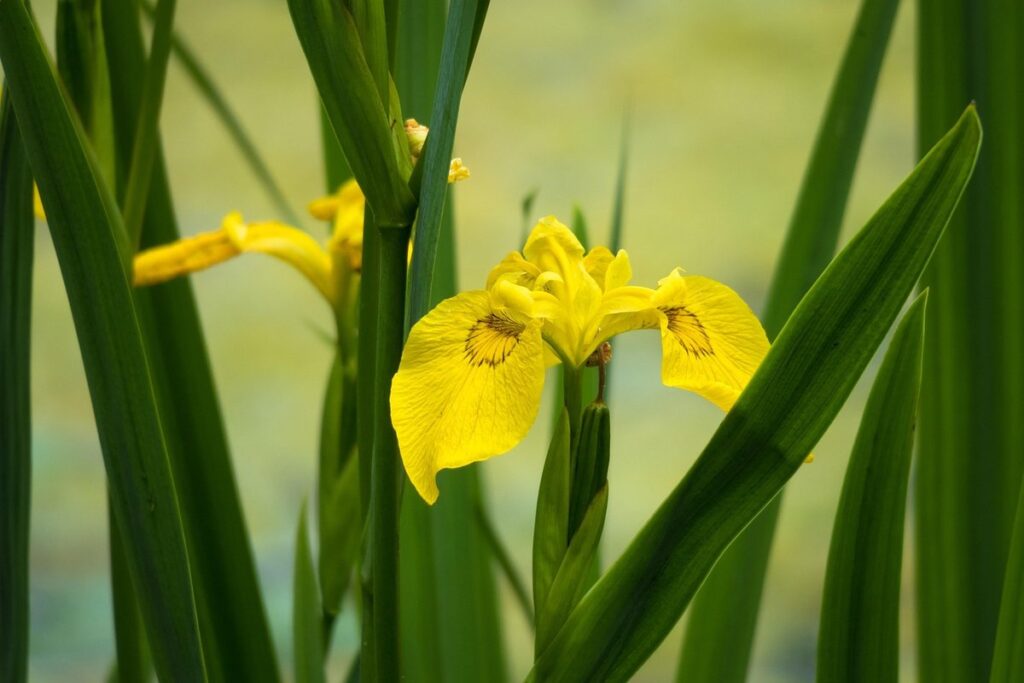
When it comes to irises, one of their most distinctive features is their unique flowers. These blooms are often referred to as “fans” due to their shape and structure. Typically, iris flowers have three drooping petals at the bottom (called falls) and three upright petals at the top (called standards). The falls usually have a vibrant color and patterns that add visual interest to the flower.
Another notable characteristic of irises is their foliage. Iris leaves are long and slender, often sword-shaped, and can grow up to 3 feet in length. They emerge from the ground before the flowers do and help to create a lush, green base for the blooms. Some varieties have beautiful foliage that’s as attractive as the flower itself.
Keep an eye out for the unique shape of iris leaves when selecting plants. Some species, like the Siberian iris, have narrower leaves that don’t flop over easily. Others, like the bearded iris, have broader leaves with a softer texture. Understanding these physical characteristics can help you choose the right variety for your garden’s conditions and needs.
Types of Irises by Bloom Time
When planning your iris garden, understanding which types bloom when can help you create a beautiful display throughout the growing season. This section explores irises categorized by their blooming periods.
Early Spring Bloomers
If you’re looking to add some early spring color to your garden, look no further than irises that bloom in late March to early May. These hardy perennials are perfect for adding a pop of color during a time when many other flowers are still dormant.
Some popular varieties include ‘Dusky Mauler’ and ‘White City’, which offer delicate, yet vibrant blooms that can add a touch of elegance to any garden bed. To get the most out of your early spring-blooming irises, be sure to plant them in well-draining soil with full sun to partial shade.
These perennials are relatively low maintenance, requiring only occasional watering and fertilization. However, it’s worth noting that ‘Dusky Mauler’ does require more water than other varieties, making it a good choice for areas with high rainfall or irrigation systems.
In addition to their beautiful blooms, early spring-blooming irises also offer the benefit of being deer-resistant, making them an excellent choice for gardeners looking to avoid attracting these pesky critters. By planting a mix of early and late-blooming irises, you can enjoy a vibrant display of color throughout the growing season.
Mid-Spring Bloomers
If you’re looking to add some vibrant color to your garden in mid-spring, consider planting irises that bloom during this time. Mid-spring bloomers typically begin their flowering cycle around April and May, depending on your location’s climate. One popular variety is ‘Immortality’, a German Iris known for its large, white blooms with yellow markings. These gorgeous flowers can grow up to 3 feet tall and make a stunning addition to any garden.
Another lovely mid-spring bloomer is ‘Siberian Beauty’, a Siberian Iris that boasts delicate blue-purple petals with a subtle sheen. This variety is relatively low-maintenance and requires minimal care, making it perfect for busy gardeners. When planting ‘Immortality’ or ‘Siberian Beauty’, be sure to choose a location with full sun to partial shade and well-draining soil.
To ensure these irises thrive, remember to plant them in the fall, about 6-8 weeks before the first frost. This will give them time to establish themselves over the winter months. With proper care, your mid-spring bloomers will return year after year, providing a burst of color and beauty just when you need it most.
Late Spring to Summer Bloomers
If you’re looking to add some vibrant color to your garden during the warmer months, consider incorporating late spring to summer bloomers into your iris collection. These beautiful flowers typically start blooming around May and continue through July, bringing a welcome splash of color to your outdoor space.
Some popular varieties that thrive in this time frame include ‘Tropicana’ and ‘Wild Cat’. The former boasts stunning orange-beige blooms with yellow throats, while the latter showcases exotic-looking purple flowers adorned with white markings. Both are excellent choices for adding a tropical touch to your garden.
When selecting irises that bloom late in the season, keep in mind factors such as soil type, sunlight, and watering needs. For example, ‘Tropicana’ prefers well-draining soil and full sun to partial shade, while ‘Wild Cat’ thrives in moist but not waterlogged conditions. By understanding these specific requirements, you can ensure that your irises receive the best possible care.
With proper planting and maintenance, late spring to summer bloomers like ‘Tropicana’ and ‘Wild Cat’ will reward you with stunning blooms that will add a pop of color to your garden until the first frosts arrive.
Types of Irises by Size and Growth Habit
When growing irises, understanding their size and growth habits is crucial for creating a balanced garden. Let’s take a look at the different types based on these key characteristics.
Miniature Irises
If you’re looking to add some charm and whimsy to your garden, miniature irises are an excellent choice. These tiny treasures may be small, but they pack a big punch when it comes to beauty and fragrance.
Miniature irises typically grow between 6-12 inches tall, making them perfect for rock gardens, containers, or even front of the border planting. They prefer well-draining soil and full sun to partial shade, which makes them ideal for locations with moist but not waterlogged conditions. When it comes to growing miniature irises, be sure to plant them in a location that provides good air circulation to prevent disease.
Some popular varieties of miniature irises include ‘Dusky Maiden’, ‘Snow Drift’, and ‘Tiny’s Gold’. These irises are not only beautiful but also relatively low maintenance, requiring minimal staking or deadheading. When choosing a variety, consider the bloom time and color to ensure it fits seamlessly into your garden design.
To get the most out of your miniature irises, be sure to plant them at the right depth – about 3-4 inches below the soil surface. This will help prevent stem rot and ensure healthy growth throughout the season.
Dwarf Irises
Dwarf irises are a popular choice for gardeners with limited space. These compact plants typically reach heights of 6-12 inches (15-30 cm) and spread out 4-8 inches (10-20 cm), making them perfect for small gardens, containers, or edging beds.
To care for dwarf irises, you’ll want to provide them with well-draining soil and full sun to partial shade. Be sure to plant them in a location that receives at least six hours of direct sunlight per day. Water them regularly during the first growing season after planting, but avoid overwatering, which can lead to rot.
Some popular dwarf iris varieties include ‘Kirsty’s Dancer’, ‘Tropicana’, and ‘Mary Todd’. When selecting varieties, consider factors like bloom color, growth habit, and hardiness zone. For example, if you live in a cold climate (USDA zones 3-5), choose varieties that are specifically bred for those areas.
When planting dwarf irises, be sure to separate the rhizomes from any surrounding plants or obstructions. Space them about 6-8 inches apart to allow for proper air circulation and growth. With minimal care, these charming flowers will bloom in early spring, adding a splash of color to your garden.
Standard and Tall Irises
Standard and tall irises are among the most popular varieties of iris plants. These types of irises have upright growth patterns, typically reaching heights between 2 to 4 feet (60-120 cm), making them a great choice for garden borders or as cut flowers.
Maintenance needs for standard and tall irises are similar to those for other types of irises. They require well-draining soil, full sun to partial shade, and regular watering during the growing season. Deadheading spent flower stalks will encourage repeat blooming, while staking may be necessary to support taller varieties.
Some popular types of standard and tall irises include ‘Immortality’, a vibrant yellow variety with dark purple markings, and ‘Dusky Chameleon’, which boasts soft blue-violet blooms with golden centers. When selecting a type of standard or tall iris, consider factors such as bloom color, size, and growth habit to ensure the best fit for your garden’s specific needs.
When planting, space standard and tall irises about 12-18 inches apart (30-45 cm) to allow for proper air circulation and prevent overcrowding. This will also make it easier to maintain the soil and reduce the risk of disease.
Types of Irises by Flower Color and Pattern
Let’s explore the amazing variety of iris flowers, from subtle pastels to vibrant purples, and discover how their colors and patterns make them truly unique.
Monochromatic Irises
If you’re fascinated by irises with a single, solid flower color, then monochromatic irises are for you! This category is often overlooked, but it’s packed with diversity and beauty. When we talk about monochromatic irises, we mean flowers that display a single, consistent hue throughout their petals.
From pure whites to deep purples, the possibilities within this category are endless. Consider the ‘Immortality’ variety, which boasts stunning white blooms with yellow centers, or ‘Pacific Bell’, a regal purple iris that’s sure to make a statement in any garden. One of the best things about monochromatic irises is their ability to work well in various settings – whether you’re aiming for a modern, sleek look or a more vintage charm.
To get started with growing your own monochromatic irises, simply choose a variety that suits your desired color palette and plant it in a spot with full sun to partial shade. Water regularly and deadhead spent blooms to encourage repeat flowering. With proper care, these beautiful flowers will reward you with vibrant displays for years to come!
Bicolor and Multicolored Irises
If you’re looking to add some excitement to your garden with irises that pop against their surroundings, bicolor and multicolored varieties are an excellent choice. These stunning flowers feature two or more distinct colors, creating a visually striking effect.
Bicolor irises have two main color groups: the primary color and a secondary color, often in shades of white, yellow, or purple. Some popular examples include ‘Immortal’, which boasts rich blue petals with creamy white standards, and ‘Royal Standard’, featuring vibrant orange-red sepals against pure white vanes. To grow bicolor irises effectively, ensure that their soil has good drainage to prevent waterlogged roots.
Multicolored irises are even more dramatic, showcasing three or four distinct colors in a single bloom. ‘Immortality’ is an exemplary multicolor variety, flaunting delicate blue-violet petals with golden yellow bases and dark red veins. This enchanting effect can be replicated by planting multiple iris varieties together to create a dynamic display of color.
Striped and Variegated Irises
Striped and variegated irises are a unique and captivating addition to any garden. These varieties showcase a striking visual effect, with colors alternating between stripes or irregular patterns on the petals. One of the most distinctive characteristics of striped and variegated irises is their ability to produce complex color combinations that add depth and interest to the flower bed.
When growing striped and variegated irises, it’s essential to provide them with similar conditions as other iris varieties. They prefer well-draining soil, full sun, and a moderate watering schedule. However, they may require slightly more maintenance due to their unique patterned petals. Be sure to deadhead regularly to encourage repeat blooming, and avoid dividing the rhizomes during the growing season.
Some popular striped and variegated iris varieties include ‘Snowdrift’, which features white and blue stripes on its flowers, and ‘Raspberry Swirl’, with swirling patterns of pink and yellow. To add a touch of elegance to your garden, plant these irises in clusters or groupings to create a stunning display of color and texture.
Tips for Growing and Caring for Iris Plants
To keep your beautiful iris plants thriving, make sure you’re giving them the right conditions and care to promote healthy growth and vibrant blooms. Here are some expert tips to help you succeed!
Choosing the Right Soil and Location
When it comes to growing iris plants, selecting the right soil and location is crucial for their health and blooms. A well-draining soil mix specifically designed for irises is essential, as these plants don’t like soggy feet. Look for a mix that contains perlite or sand to improve drainage.
Sunlight is another critical factor to consider. Iris plants generally require full sun to partial shade, but the specific needs vary depending on the type of iris. For example, Japanese irises prefer more shade than bearded irises. Make sure to research the specific sunlight requirements for your chosen iris variety.
When it comes to location, choose a spot that provides good air circulation to prevent fungal diseases. Avoid low-lying areas where water tends to collect, as this can lead to root rot. Also, consider the mature size of your iris plants and leave enough space between them for proper growth.
Keep in mind that irises prefer slightly acidic to neutral soil pH (around 6.0-7.0). If your local soil is too alkaline or acidic, amend it with organic matter like compost or peat moss before planting.
Watering and Fertilization Strategies
When it comes to growing irises, proper watering and fertilization are crucial for their health and vibrancy. Overwatering can lead to root rot, while underwatering can cause the leaves to turn yellow and wilt.
As a general rule of thumb, water your irises during their active growth period, which is typically from spring to early summer. Water them deeply once or twice a week, depending on weather conditions. Make sure not to get any water on the rhizome (thick underground stem), as this can cause rot. You can check if the soil needs watering by inserting your finger into it up to the first knuckle.
When it comes to fertilization, choose a balanced fertilizer that is high in phosphorus, which promotes blooming. Feed your irises in early spring when new growth begins and again after they finish blooming. Avoid overfertilizing, as this can burn the roots and cause more harm than good. A 10-20-10 or 5-10-10 fertilizer is a great choice for irises.
By following these watering and fertilization strategies, you’ll be well on your way to growing beautiful, healthy iris plants that will thrive in your garden for years to come.
Pruning and Deadheading Techniques
Pruning and deadheading irises are essential techniques to promote healthy growth, prevent disease, and encourage blooming. After blooming, allow the seed pods to dry completely on tall-beared varieties, as they provide a natural source of food for birds and other wildlife. For beardless irises, cut back the flower stalks to about 3-4 inches from the ground.
Prune your iris plants in late summer or early fall, removing any dead or damaged leaves and flowers. This helps prevent disease from spreading and reduces the risk of pests like slugs and snails. Use a pair of sharp, clean pruning shears to cut off dead material, making sure not to damage the rhizome.
Deadheading is an important technique for encouraging your irises to bloom more profusely in future seasons. To deadhead, simply remove spent flowers as soon as they fade, cutting them back to the base of the flower stalk. This will help direct the plant’s energy towards producing new blooms rather than seed production. Regular deadheading can also improve the appearance of your iris plants by removing unsightly seed pods and faded flowers.
Frequently Asked Questions
Can I grow irises in containers if I have limited space?
Yes, you can definitely grow irises in containers! In fact, this is a great way to add these beautiful flowers to small gardens or balconies. Make sure the container has good drainage and use a well-draining potting mix. Water and fertilize regularly, and provide full sun for most iris varieties.
How long do irises bloom, and what’s the best time to plant them?
Irises typically bloom in late spring to early summer, but some varieties may have shorter or longer blooming periods. It’s essential to choose a variety that suits your climate and planting time. For most regions, it’s best to plant irises in fall (September or October) for spring blooms.
Can I divide and replant my irises to create more plants?
Yes! Iris rhizomes can be divided every 3-4 years to propagate new plants. Wait until the foliage dies back after blooming, then carefully dig up the rhizome and separate the healthy sections. Replant them in well-draining soil with plenty of sunlight.
How do I prevent irises from getting too wet or waterlogged?
Irises don’t like wet feet! Avoid planting in low-lying areas where water tends to collect. Use a raised bed or mound if necessary, and ensure good drainage around the base of the plants. Water carefully, avoiding overhead watering that can lead to rot.
Can I grow irises indoors as houseplants?
While it’s possible to grow irises indoors in pots, they typically require more sunlight than what most homes can provide. If you want to try growing irises indoors, choose a south-facing window with direct sunlight for at least 4-6 hours daily. Keep the soil moist but not waterlogged, and maintain temperatures between 65°F to 70°F (18°C to 21°C).