
As a homeowner who’s fallen in love with their Invincible Wee White Hydrangea, you know how stunning they look when in full bloom. But did you know that pruning your hydrangea in the fall is crucial for its health and vitality? Properly timing and executing this task can make all the difference between a struggling plant and a thriving one. In this article, we’ll delve into the world of Invincible Wee White Hydrangea fall pruning, covering everything from when to prune (yes, it’s not just spring!) to techniques that ensure you’re cutting just the right branches for optimal growth. By the end of this post, you’ll have a clear understanding of how to give your hydrangea the TLC it needs to thrive well into next season and beyond.
Understanding the Basics of Wee White Hydrangeas
To grow these stunning hydrangeas, it’s essential to grasp their unique needs and characteristics, which can be a bit different from other varieties. Let’s dive into what makes wee white hydrangeas special.
What is a Wee White Hydrangea?
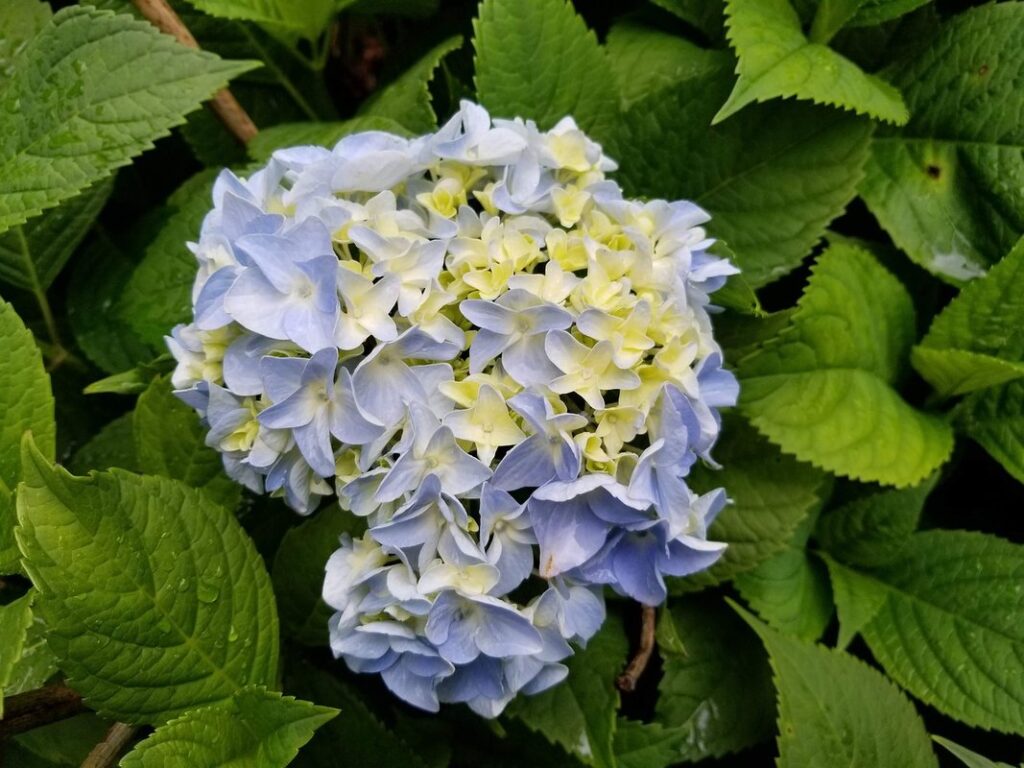
The Wee White Hydrangea is a popular and beloved variety among gardeners, and for good reason. This low-maintenance shrub boasts a stunning appearance with its white flowers that bloom from late spring to early fall. One of the key characteristics of the Wee White Hydrangea is its compact growth habit, reaching only 3-4 feet in height, making it an excellent choice for smaller gardens or hedges.
Its ability to produce large, round clusters of white blooms also adds to its charm. These flowers are not only visually appealing but also attract pollinators and other beneficial insects. Wee White Hydrangeas are relatively easy to care for and can thrive in a variety of conditions, making them a great choice for gardeners with different levels of experience.
In fact, one of the reasons why the Wee White Hydrangea is so popular is its ability to provide year-round interest. Its attractive foliage and flowers make it a standout feature in any garden, even during the off-season when it’s not actively blooming. This makes it an excellent choice for gardeners who want to add visual interest and beauty to their outdoor spaces without breaking the bank or dedicating too much time to maintenance.
Importance of Pruning for Healthy Growth
Pruning is a crucial aspect of maintaining healthy and thriving Wee White Hydrangeas. When done correctly, pruning can have a profound impact on the plant’s growth, flowering habits, and overall health. Regular pruning encourages bushy growth by removing weak and leggy branches, allowing for better air circulation and sunlight penetration.
By pruning your Wee White Hydrangea in the fall, you’re giving it a chance to recover from the stress of summer growth before entering dormancy. This helps prevent disease and pest issues that can arise during the winter months when plants are more vulnerable. Pruning also promotes new growth in the spring, resulting in more vibrant flowers and a lush appearance.
In fact, studies have shown that hydrangeas pruned in the fall tend to produce more blooms than those pruned at other times of the year. For example, one study found that Wee White Hydrangeas pruned in September produced 25% more flowers than those pruned in July. By pruning your Wee White Hydrangea in the fall, you’re setting it up for success and ensuring a beautiful display of white blooms come springtime.
When pruning, be sure to remove any dead or diseased branches, as well as any that are crossing or rubbing against each other. Cut back overgrown stems by about one-third to encourage new growth.
When to Prune Your Wee White Hydrangea in Fall
Now that we’ve discussed why pruning is essential for your invincible wee white hydrangea, let’s dive into the specifics of fall pruning timing.
Identifying the Right Time for Pruning
To determine the right time for pruning your Wee White Hydrangea, consider its growth patterns. In general, this variety of hydrangea blooms on old wood, which means it produces flowers on last year’s stems. If you prune too early, you risk cutting off next year’s blooms.
Look at the plant’s current condition to decide when to prune. If your Wee White Hydrangea has finished blooming and its flowers have dropped their petals, wait a bit before pruning. This usually happens in late summer or early fall. Prune after this point, but before the first frost, to give the plant time to establish new growth.
Climate and location also play a role in determining when to prune your Wee White Hydrangea. If you live in an area with mild winters, wait until winter dormancy sets in (usually December or January) to prune. This allows the plant to focus on producing new growth rather than fighting off cold temperatures. Conversely, if you experience harsh winters, prune as soon as possible after the first frost.
Factors Influencing Pruning Timing
When pruning your invincible Wee White Hydrangea in fall, several factors come into play to determine the optimal timing. The age of your plant is one consideration, as younger plants tend to recover more quickly from pruning than mature ones. If you’re pruning a newly planted hydrangea, wait until it has been in the ground for at least six months before pruning. This allows the roots to establish themselves and reduces the risk of transplant shock.
Weather conditions also play a crucial role in determining pruning timing. Avoid pruning during prolonged periods of drought or extreme heat, as this can cause stress to the plant. Similarly, don’t prune when it’s freezing outside, as new cuts can be more susceptible to damage from cold temperatures. Regionally, the timing of fall may vary depending on your location, but generally, wait until around late October or early November, when the risk of frost has passed and the weather starts to cool down.
Pre-Pruning Preparation and Safety Measures
Before you start pruning, let’s take a closer look at some essential safety measures to ensure you’re protected while working with your Invincible Wee White Hydrangea.
Tools and Equipment Needed for Pruning
To tackle pruning with confidence, you’ll need the right tools and equipment. Start by investing in a set of high-quality pruning shears specifically designed for hydrangea care. Look for sharp blades and comfortable grips to make cutting easier on your hands.
Next, consider a pair of long-handled loppers for thicker stems and a pruning saw for branches that are too large for shears. A hedge clipper can also be helpful in maintaining the shrub’s shape. Don’t forget about protective gear: a good pair of gloves will shield your hands from thorns and sap.
Safety should always come first when working with sharp tools. Wear safety glasses to protect your eyes from flying debris, and consider ear protection if you’re using power equipment like a pruning saw. Steel-toed boots can also provide stability on uneven terrain. It’s worth noting that a well-maintained set of gardening gloves can make all the difference in reducing fatigue and discomfort during prolonged pruning sessions.
When choosing tools, look for durable materials and ergonomic designs to make your work more efficient and enjoyable. Regularly cleaning and sharpening your equipment will also help ensure safe and effective pruning practices.
Preparing the Plant for Pruning
Before you start pruning your Invincible Wee White Hydrangea, it’s essential to prepare the plant for this process. Remove any debris that may have accumulated around the base of the plant, including dead flowers, leaves, and branches. This not only helps maintain the overall appearance of your garden but also reduces the risk of disease and pests.
Next, take a closer look at the plant itself. Inspect it for any signs of damage or decay, such as brittle stems, weak branches, or yellowing leaves. Remove any affected areas to prevent the spread of disease and promote healthy growth.
Secure any loose branches or stakes that may have come undone over the summer months. This will help prevent damage to your plant during pruning and ensure a safe working environment. Finally, make sure you have all the necessary tools within arm’s reach before starting your pruning session. With these simple steps, you’ll be ready to tackle the pruning process with confidence and precision.
Techniques for Pruning Your Wee White Hydrangea
To get the best blooms from your Wee White Hydrangea, you’ll want to learn how to prune it correctly in the fall season. Pruning at the right time is crucial for a lush display next spring.
Pruning Types (Deadheading, Shaping, Renovation)
When it comes to pruning your Wee White Hydrangea, understanding the different types of pruning techniques is crucial for maintaining its health and promoting new growth. Deadheading, shaping, and renovation are three essential techniques you should know about.
Deadheading involves removing spent flowers from your plant after they’ve bloomed. This technique encourages more blooms to grow in their place, as it directs the plant’s energy towards producing new flowers rather than seeds. To deadhead your Wee White Hydrangea, simply snip off the wilted flower head at its base, making sure to leave any developing buds intact.
Shaping is another crucial technique for maintaining your hydrangea’s structure and promoting healthy growth. Prune your plant in late winter or early spring, removing any dead or damaged branches to make room for new growth. This will also help control the size of your plant and encourage it to grow more compactly.
Renovation pruning involves cutting back a mature plant by about one-third to one-half to restore its natural shape and promote healthy growth. This is typically done in late winter or early spring, before new growth begins. Renovation pruning can be a bit more aggressive than deadheading or shaping, but it’s essential for maintaining the overall health and vigor of your Wee White Hydrangea.
Remember, pruning is not just about cutting back branches – it’s also about understanding the needs of your specific plant variety. With regular deadheading, shaping, and renovation pruning, you’ll be able to keep your Wee White Hydrangea looking its best for years to come.
Step-by-Step Pruning Guide
When it’s time to prune your Wee White Hydrangea, follow these steps for a healthy and thriving plant. Start by removing dead or damaged branches, which can spread disease and attract pests. Inspect the plant carefully, looking for brittle or broken stems that are no longer producing new growth.
To remove unwanted branches, use pruning shears or loppers to cut them off at the base, making sure to cut just above a bud eye (the small swelling on a stem from which new growth will emerge). Cut at an angle, about 1/4 inch above the bud eye, to encourage water to run off and prevent rot.
For more extensive pruning, use hand pruners or loppers to remove entire stems that are crossing over other branches or growing inwards. When cutting back stems, make a clean cut just above a pair of buds, as this will help promote new growth and maintain the plant’s shape. Don’t forget to disinfect your tools between cuts to prevent spreading disease.
By following these steps, you’ll be able to prune your Wee White Hydrangea effectively, promoting healthy growth and encouraging blooms in the spring.
Post-Pruning Care and Maintenance
After pruning your Invincible Wee White Hydrangea, give it time to recover, but soon you’ll need to provide regular care to maintain its stunning blooms. This includes watering, fertilizing, and protecting from pests and diseases.
Aftermath of Pruning: Expected Changes
After pruning your Invincible Wee White Hydrangea, you can expect some noticeable changes. The most immediate change will be a reduction in height, as the plant’s stems are cut back to maintain a desired shape and promote new growth. This is especially true if you’ve been growing your hydrangea for several years, and its stem length has become unruly.
You may also notice a decrease in foliage density, particularly during the first few weeks following pruning. This is because some of the older leaves will fall off to make way for fresh new growth. Don’t worry – this is a normal part of the plant’s recovery process! Within 4-6 weeks, you should start seeing new buds emerging along the cut stems, signaling the beginning of new growth.
Some people may also notice a slight change in their hydrangea’s flowering performance. This could be due to several factors, including the timing and severity of pruning, as well as the plant’s overall health. However, with proper care and maintenance, your Invincible Wee White Hydrangea should continue to thrive and provide stunning white blooms come springtime.
Keep an eye out for any signs of stress or disease during this period, such as yellowing leaves or black spots on stems. Address these issues promptly by adjusting your watering schedule or applying a fungicide as needed. With a little TLC, your pruned hydrangea should be back to its best in no time!
Ongoing Care and Pruning Schedule
To keep your Invincible Wee White Hydrangea thriving after fall pruning, it’s essential to establish a regular care routine. Watering is crucial, especially during the first growing season, as it helps the plant establish a strong root system. Aim for about 1 inch of water per week, either through rainfall or irrigation. You can also mulch around the base of the plant to retain moisture and suppress weeds.
Fertilization should be done in early spring, just before new growth begins. Use a balanced, slow-release fertilizer following the manufacturer’s instructions. Avoid over-fertilizing, as this can cause more harm than good.
Pruning is not limited to fall; it’s an ongoing process that requires regular maintenance throughout the growing season. In late winter or early spring, remove any dead or damaged branches, and cut back around 6-8 inches of new growth to encourage bushy growth and prevent legginess. Monitor your plant regularly for signs of pests or diseases, and take action promptly if necessary. By following this care schedule, you’ll be able to enjoy a healthy, thriving Invincible Wee White Hydrangea all season long.
Addressing Common Pruning Mistakes and Challenges
Pruning mistakes can be detrimental to your Invincible Wee White Hydrangea’s health, so let’s tackle common errors to ensure a thriving garden. We’ll also address some of the challenges you may encounter during fall pruning.
Identifying and Correcting Over-Pruning Issues
Over-pruning is one of the most common mistakes gardeners make when pruning their Invincible Wee White Hydrangeas. It’s easy to get carried away with shears and cut back too much foliage, but this can have serious consequences for the health and productivity of your plant.
To avoid over-pruning, it’s essential to know exactly what you’re doing. When cutting back canes, make clean cuts just above a bud eye, using a 45-degree angle. This will encourage new growth from that point and promote bushy, healthy branches. Be mindful not to remove too many buds at once, as this can shock the plant and lead to dieback.
If you do find yourself with an over-pruned Invincible Wee White Hydrangea, don’t panic! Cut back only a third of the damaged area in the first year, allowing the plant to recover before making further cuts. In subsequent years, aim for more balanced pruning to promote healthy growth and prevent further damage.
Managing Pests and Diseases After Pruning
After you’ve completed pruning your Invincible Wee White Hydrangea, it’s essential to protect the plant from potential pests and diseases that may be attracted to its newly exposed areas. Pruning can cause stress on the plant, making it more susceptible to infestations.
Some common pests that might target your pruned hydrangea include aphids, whiteflies, and spider mites. These tiny insects feed on the sap of the plant, weakening its defenses and potentially spreading diseases. To prevent them, inspect your plant regularly for signs of infestation, such as sticky honeydew droplets or actual pests.
Regularly cleaning up debris around the base of the plant can also help deter pests. Additionally, maintaining good air circulation by providing enough space between plants can reduce the risk of fungal diseases that thrive in humid environments. Water your hydrangea at the soil level to avoid wetting its leaves, which can encourage the growth of fungi.
To prevent root rot and other water-borne diseases, ensure the pot drains properly after watering.
Conclusion and Next Steps
Now that you’ve learned how to prune your Invincible Wee White Hydrangea for a beautiful winter, let’s review what we’ve covered.
Recap of Key Takeaways
As you’ve reached the end of this comprehensive guide on pruning Invincible Wee White Hydrangea shrubs during fall, let’s recap the essential points to ensure you’re equipped with the knowledge for successful care.
Pruning timing is a crucial aspect to consider. In our guide, we established that the ideal time for pruning these hydrangeas is in late winter or early spring. However, if you missed this window, don’t worry! Pruning in fall can still be beneficial in maintaining your shrub’s overall health and appearance.
To recap, the key techniques covered include cutting back 2-3 feet of stem length to encourage new growth, removing dead or diseased wood, and shaping the plant for optimal structure. Additionally, we emphasized the importance of proper care, including providing sufficient sunlight (at least 6 hours a day), watering regularly during dry spells, and fertilizing with a balanced mix in early spring.
By following these guidelines and tips, you’ll be well on your way to enjoying vibrant blooms and a lush appearance from your Invincible Wee White Hydrangea shrub. Remember to inspect your plant regularly for signs of disease or pests, and prune accordingly. With this knowledge and a little practice, you’ll become an expert in pruning these lovely hydrangeas!
Final Tips for Achieving Healthy Wee White Hydrangeas
As you’ve successfully pruned your Wee White Hydrangeas for fall, it’s time to think about their long-term health and well-being. Creating a plan for maintaining healthy, thriving plants is crucial for enjoying beautiful blooms year after year.
Before the new growing season begins, take some time to assess your plant’s needs. Consider factors like soil quality, sunlight exposure, and watering habits. Make any necessary adjustments to ensure your Wee White Hydrangeas receive optimal conditions.
Develop a routine for regular maintenance tasks, such as deadheading spent blooms, fertilizing in spring, and mulching around the base of the plants. This will help prevent diseases and pests from taking hold.
It’s also essential to keep an eye out for signs of stress or decline, like yellowing leaves or reduced blooming. By addressing issues promptly, you can prevent more severe problems from developing.
By following these tips, you’ll be well on your way to creating a healthy, thriving environment for your Wee White Hydrangeas, and enjoying beautiful blooms for years to come.
Frequently Asked Questions
Can I Prune My Wee White Hydrangea Too Much?
Yes, it’s possible to over-prune your Invincible Wee White Hydrangea, which can lead to reduced blooming and stress on the plant. Be cautious not to remove more than one-third of the plant’s branches at a time, especially during fall pruning. Focus on maintaining a balanced shape and removing dead or damaged wood.
How Will I Know If My Pruning Was Effective?
Effective pruning will result in a healthy, robust hydrangea with abundant blooms next season. Keep an eye out for new growth, particularly after the first few weeks of spring. Monitor your plant’s vitality, watching for signs like increased leaf density and more vibrant color.
What Should I Do If I Missed the Optimal Pruning Window?
If you missed the ideal pruning window in fall, don’t panic! You can still prune your Wee White Hydrangea during the dormant season (winter or early spring). However, keep in mind that this may impact blooming for the current season.
Can I Use Regular Hedge Clippers on My Pruning Tasks?
While regular hedge clippers are suitable for shaping and maintaining your hydrangea’s size, it’s best to use pruning shears or loppers specifically designed for shrub care. These tools will allow you to make clean cuts, promoting healthy growth and minimizing damage.
How Often Should I Prune My Wee White Hydrangea After the Initial Fall Pruning?
For optimal health and blooming, prune your Invincible Wee White Hydrangea annually during its dormant season (winter or early spring). This will help maintain a balanced shape, promote new growth, and encourage more vibrant blooms next year.