
Are you tired of dealing with finicky flowers that require constant attention? Look no further than the stunning interspecific geranium, a hybrid variety that has revolutionized the world of gardening. With its unique characteristics and benefits, this plant is perfect for gardeners seeking disease resistance, vibrant flowers, and low maintenance. Not only does it add a pop of color to your garden, but it’s also incredibly easy to care for. In this article, we’ll delve into the wonderful world of interspecific geraniums, exploring their characteristics, benefits, and care instructions in detail. Whether you’re a seasoned gardener or just starting out, you’ll learn everything you need to know about growing these gorgeous hybrids and enjoying their beauty all season long.
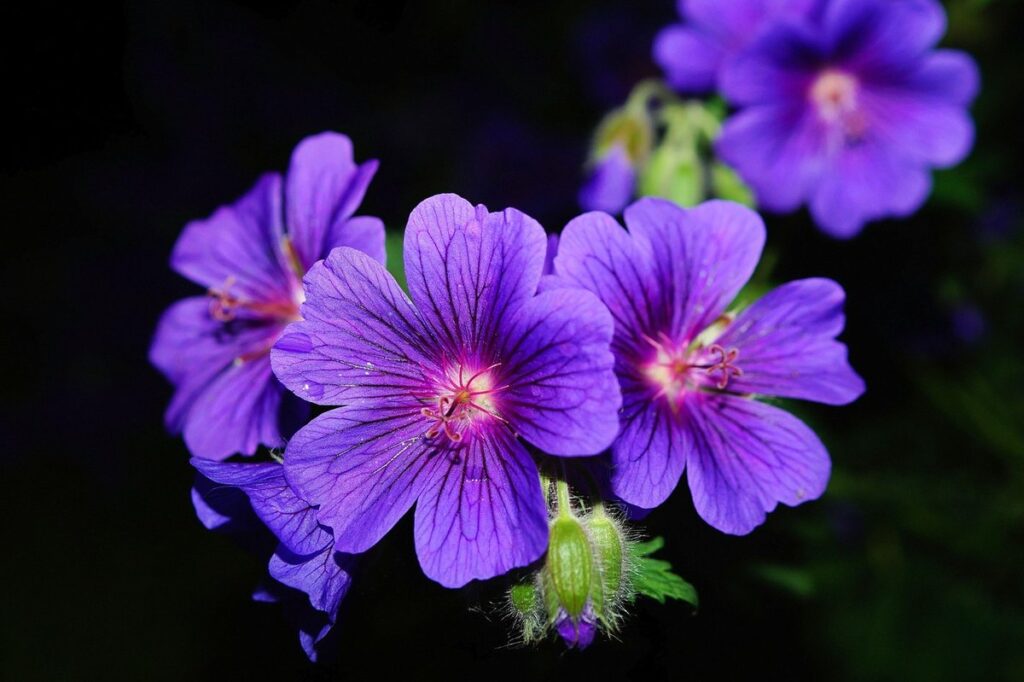
What is an Interspecific Geranium?
An interspecific geranium is a hybrid plant resulting from crossing different species of the Genus Pelargonium, offering unique characteristics and benefits. Let’s explore what makes these hybrids so special!
Definition and Origins
Interspecific geraniums are a group of hybrid plants that have been developed by crossing different species within the Geranium genus. This process has been ongoing for over two centuries, with the first recorded interspecific cross dating back to 1794. Since then, breeders have continued to experiment and refine their techniques, resulting in the wide range of unique and vibrant varieties available today.
The development of interspecific geraniums is a deliberate attempt to combine the desirable traits from different species, such as flower color, shape, and size, leaf texture, and hardiness. By carefully selecting parent plants and controlling for specific characteristics, breeders can create new hybrid varieties that excel in areas where their parents were lacking.
One notable example of interspecific breeding is the popular ‘Calliope’ geranium, which combines the pink flowers of Geranium maculatum with the compact growth habit of G. x cantabrigiense. This results in a hardy and low-maintenance plant that thrives in shaded areas and produces vibrant blooms throughout the growing season.
Characteristics and Benefits
When you cultivate interspecific geraniums, you can expect them to exhibit several beneficial characteristics that set them apart from their parent species. One of the primary advantages of these hybrid varieties is their enhanced disease resistance. This trait allows growers to enjoy fewer pest and disease issues, reducing the need for pesticides and minimizing the risk of damage to the plant.
In addition to improved health, interspecific geraniums often boast unique growth habits that make them more adaptable to various environments. For instance, some hybrids may have compact growth patterns, making them ideal for container gardens or small spaces. Others might exhibit improved branching, resulting in more flowers and a fuller appearance.
These hybrid varieties also offer an expanded range of flower colors, including vibrant shades and subtle pastels. Some popular combinations include pink and white bi-colors, orange and yellow hues, and deep red tones. By incorporating interspecific geraniums into your garden or indoor space, you can add visual interest and diversity to your arrangements while minimizing maintenance requirements.
Types of Interspecific Geraniums
There are several types of interspecific geranium hybrids, each offering unique characteristics and advantages for gardeners to choose from. From compact to trailing varieties, there’s a perfect option for every space and style.
Common Hybrids
One of the most exciting aspects of interspecific geraniums is the incredible variety of hybrids that have been developed by crossing different species. Let’s take a look at some popular ones.
Palawan Hybrid: This stunning hybrid combines the bright, vibrant flowers of Geranium x palawanense with the robust growth habit of other species. Its unique characteristics make it an excellent choice for adding a pop of color to your garden.
The Renardii Hybrid, on the other hand, brings together the delicate blooms and compact growth of Geranium renardii with other desirable traits from various parent species. This hybrid is perfect for those who want to add some charm and whimsy to their landscaping without sacrificing beauty or performance.
When exploring interspecific geranium hybrids, it’s essential to consider factors like hardiness, disease resistance, and flowering periods. By choosing a hybrid that suits your specific needs and climate, you can ensure your new plants thrive and bring joy to your garden for years to come.
Some popular hybrid combinations include:
• Geranium x palawanense with G. maculatum
• G. renardii with G. himalaicum
• G. x cantabrigiense with G. sanguineum
By experimenting with different interspecific hybrids, you can discover a world of new and exciting possibilities for your garden.
Less Common Varieties
While many gardeners are familiar with popular interspecific geranium varieties like ‘Calliope’ and ‘Jolly Bee’, there are numerous lesser-known types worth exploring. One such variety is ‘Johnson’s Blue’, a compact, low-maintenance option that thrives in containers or hanging baskets. Its delicate blue flowers with white centers add a subtle pop of color to patios and balconies.
Another hidden gem is the ‘Klein’s Kirstenbosch’, a South African native known for its vibrant pink blooms and slender foliage. This variety is ideal for adding a tropical touch to gardens in cooler climates, where it can be brought indoors during winter months. When selecting lesser-known varieties, consider their specific growing conditions and adaptability.
When experimenting with new interspecific geraniums, remember that even though they may have unique characteristics, they often share similar needs as popular varieties. Make sure to research the specific requirements of your chosen variety to ensure optimal growth and blooming. With a little creativity and experimentation, you can discover the perfect lesser-known interspecific geranium for your garden’s distinct personality.
Growing and Care Instructions
To ensure your interspecific geranium thrives, follow these essential growing and care instructions that’ll help you overcome common challenges and enjoy a stunning display of blooms.
Soil and Lighting Requirements
When it comes to growing interspecific geraniums, providing them with optimal soil and lighting conditions is crucial for their success. The right combination of nutrients and light will encourage healthy growth, vibrant blooms, and overall well-being.
Soil-wise, interspecific geraniums prefer well-draining potting mixes that contain a mix of organic matter such as peat moss or coconut coir, perlite, and vermiculite. This blend helps to prevent waterlogged soil, which can lead to root rot and other problems. You can also add a balanced fertilizer specifically formulated for flowering plants to promote blooming.
As for lighting, interspecific geraniums require bright, indirect light but not direct sunlight, which can cause scorching. East- or west-facing windows are ideal, while south-facing windows should be filtered with sheer curtains. Aim for 4-6 hours of direct light exposure per day, and supplement with grow lights if necessary.
Remember to repot your interspecific geraniums every year to refresh the soil and provide a larger pot if needed. This will ensure your plants continue to thrive and produce an abundance of colorful blooms throughout the growing season.
Watering and Fertilization
When it comes to watering and fertilizing your interspecific geraniums, getting it right is crucial for promoting healthy growth and preventing pests or diseases. One of the most common mistakes beginners make when caring for their geraniums is overwatering.
To determine if your plant needs water, stick your finger into the soil up to the first knuckle. If the soil feels dry, it’s time to give your plant a drink. Water should be lukewarm, not cold or hot, and avoid getting any excess water on the leaves to prevent fungal diseases. As for fertilization, feed your geraniums with a balanced fertilizer once a month during the growing season (spring and summer). You can also use an organic fertilizer like fish emulsion to provide essential nutrients.
A general rule of thumb is to fertilize lightly but frequently, rather than giving your plant a large dose all at once. This will encourage healthy growth and prevent burning the roots. Be cautious not to overfertilize, as this can lead to nutrient deficiencies and other problems.
Propagation and Reproduction Methods
When it comes to multiplying your favorite hybrid geraniums, there are several reliable methods you can use to ensure a steady supply of these beautiful plants. Let’s explore some of the most effective propagation and reproduction techniques together.
Seed Germination
When it comes to growing interspecific geraniums from seed, understanding seed germination techniques is crucial for success. The optimal sowing conditions for interspecific geranium seeds are similar to those of other geranium varieties: warm temperatures between 65°F to 75°F (18°C to 24°C), and high humidity.
Sow the seeds about 1/8 inch deep in a well-draining seed starting mix, and water gently but thoroughly. Provide adequate light – indirect sunlight or grow lights – as direct sunlight can be too intense for young seedlings. Keep the soil consistently moist during this period, but avoid overwatering, which can lead to rot and other problems.
It’s essential to note that interspecific geranium seeds have varying levels of dormancy, depending on their parentage. Some may require a cold stratification period (around 4-6 weeks at around 40°F or 4°C) before they’ll break dormancy and germinate. Be patient and monitor the seedlings closely; it can take anywhere from 7 to 21 days for seeds to sprout, depending on conditions.
Stem Cuttings and Division
When it comes to propagating interspecific geraniums, two popular methods are stem cuttings and division. Both techniques allow you to reproduce desirable traits of a specific hybrid, ensuring consistency and reliability in your plantings.
To take stem cuttings, start by selecting healthy stems from the desired parent plant. Cut 3-4 inch sections just above a node, making sure each cutting has at least two sets of leaves. Remove lower leaves, leaving only the top pair, to prevent moisture loss and promote rooting. Dip the cut end into a rooting hormone powder or liquid, then plant in a well-draining potting mix. Keep the soil consistently moist but not waterlogged until roots develop.
For division, choose plants that have outgrown their containers and are showing signs of stress due to overcrowding. Carefully dig around the roots with a fork, taking care not to damage them. Gently separate the roots into sections, making sure each section has at least one growing point (where leaves meet the stem). Replant in fresh potting mix, watering thoroughly and keeping the soil moist until established.
Uses in Gardening and Landscaping
When it comes to adding a pop of color and vibrancy to your outdoor space, interspecific geraniums are a versatile choice that can thrive in various garden settings. We’ll explore their practical uses in gardening and landscaping next.
Containers and Hanging Baskets
When it comes to making the most of small spaces, interspecific geraniums are an excellent choice for containers and hanging baskets. These versatile plants thrive in confined areas, providing a burst of color and interest that’s hard to match. One of the key benefits of using interspecific geraniums in containers is their ability to tolerate dry soil conditions, making them perfect for balconies or patios where water may be scarce.
To create a stunning container garden with interspecific geraniums, start by selecting a variety that suits your climate and desired color palette. Pair it with complementary plants like succulents or creeping thyme to add depth and texture. When choosing containers, opt for ones with good drainage holes to prevent waterlogged soil. Fill the pot with a well-draining mix, and plant your geranium at the same depth as it was in its original pot.
For hanging baskets, use a trellis or obelisk to support the plant’s growth and add visual interest. Train the stems to cascade down by gently twining them around the structure. This will not only add height but also create a beautiful display of color that’s sure to draw attention from passersby. With proper care, including regular watering and fertilization, your interspecific geraniums in containers or hanging baskets will thrive all season long.
Border Planting and Mass Plantings
When it comes to incorporating interspecific geraniums into larger garden designs, there are many creative ways to do so. For a vibrant and dynamic look, consider using them as the focal point in a border planting. Interspecific geraniums come in a wide range of colors and growth habits, making them an excellent choice for adding variety and visual interest to borders. For example, ‘Calliope’ has bright pink flowers, while ‘Callaway’s Fuchsia’ boasts delicate purple blooms.
To create a stunning mass planting, group multiple interspecific geraniums together in a single area of your garden. This will not only create a dramatic display but also make it easier to maintain the plants as they grow and spread. Just be sure to choose varieties with similar growing requirements, such as sun exposure and soil type, to ensure their success.
When planning your border or mass planting, consider companion planting strategies to enhance the overall aesthetic and health of your interspecific geraniums. Planting them alongside other flowers that bloom at different times will provide a constant display of color throughout the growing season.
Challenges and Troubleshooting
Don’t worry if you encounter issues with your interspecific geranium – we’re here to help you troubleshoot common problems and find solutions.
Common Issues and Pests
When growing interspecific geraniums, you may encounter some common issues that can affect their health and appearance. One of the most significant problems is pests, which can be a nuisance if not addressed promptly. Aphids, whiteflies, and spider mites are some of the most common pests that target geraniums. To control these infestations, use neem oil or insecticidal soap to spray the leaves and stems. Also, ensure good air circulation around your plants to prevent the buildup of fungal diseases.
Nutrient deficiencies can also be a challenge when growing interspecific geraniums. These plants require a balanced diet of nutrients, including nitrogen, phosphorus, and potassium. If you notice yellowing or pale leaves, it may indicate a lack of nutrients in the soil. Test your soil regularly to determine its pH level and nutrient content. Fertilize your plants accordingly, using a balanced fertilizer that meets their specific needs.
Diseases such as powdery mildew and root rot can also affect interspecific geraniums. To prevent these diseases, maintain good hygiene practices when handling the plants, and avoid overwatering, which can lead to root rot.
Climate and Soil Adapting
When cultivating interspecific geraniums, one of the most critical factors to consider is their adaptability to varying climate zones and soil types. While these hybrids can thrive in a range of environments, some specific precautions should be taken.
In areas with intense heat or dryness, such as deserts or Mediterranean climates, it’s essential to provide adequate shade and water for your interspecific geraniums. This may involve relocating them to an area with partial shade during the hottest part of the day or increasing watering frequencies to maintain soil moisture. Consider applying a layer of mulch around the base of the plants to retain moisture and regulate soil temperature.
On the other hand, areas with high rainfall or cool temperatures can be challenging for interspecific geraniums as well. In such cases, ensure that the soil is well-draining to prevent waterlogged conditions, which can lead to root rot. Fertilize sparingly during periods of low light and cooler temperatures, as excessive nutrient uptake can cause weak growth.
In terms of soil adaptation, interspecific geraniums generally prefer a slightly acidic to neutral pH range (around 6.0-7.0). If your local soil is too alkaline or acidic, consider amending it with organic matter like compost or perlite to achieve the desired balance. Be cautious not to over-fertilize, as this can alter the soil’s pH and lead to nutrient deficiencies.
Some examples of successful interspecific geranium cultivation in diverse environments include:
* In the desert city of Phoenix, Arizona, growers often provide their plants with morning sun and afternoon shade to mitigate heat stress.
* In tropical regions like Hawaii or Southeast Asia, nurseries may incorporate a layer of bark chips or coconut coir to improve soil drainage and prevent waterlogging.
By understanding these climate and soil considerations, you can create an optimal environment for your interspecific geraniums to thrive in their chosen location.
Frequently Asked Questions
Can I Grow Interspecific Geraniums Indoors?
Yes, interspecific geraniums can thrive indoors with proper care. To grow them indoors, choose a variety that is compact or dwarf, and provide bright indirect light near an east- or west-facing window. Maintain a consistent temperature between 65°F to 75°F (18°C to 24°C) and water sparingly, as overwatering can be detrimental.
How Do I Propagate Interspecific Geraniums?
Interspecific geraniums are easily propagated using stem cuttings or division. For stem cuttings, take 3-4 inch sections from healthy stems, remove lower leaves, and plant them in well-draining soil. Water thoroughly and maintain high humidity until roots develop. Division is also effective for propagation, simply separate the roots and replant the sections.
Can Interspecific Geraniums Be Grown in Containers?
Yes, interspecific geraniums perform well in containers and hanging baskets. Choose a container with good drainage to prevent waterlogged soil, and use a well-draining potting mix specifically designed for flowering plants. Select compact or dwarf varieties that are suitable for container gardening.
How Do I Prevent Common Pests on Interspecific Geraniums?
To prevent common pests like aphids and whiteflies on interspecific geraniums, maintain good garden hygiene by removing weeds and debris. Regularly inspect your plants for signs of infestation, and treat promptly with neem oil or insecticidal soap if necessary.
Can I Grow Interspecific Geraniums in Full Sun?
While interspecific geraniums can tolerate some full sun, they may require protection from intense sunlight, especially during the hottest part of the day. If you must grow them in full sun, use a shade cloth to filter the sun’s rays and prevent scorching.