
When you slice into a crunchy bell pepper, what lies within? Not just a hollow cavity, but a treasure trove of nutrients and culinary possibilities. The inside of a bell pepper is more than meets the eye, with its vibrant colors, protective layers, and hidden health benefits waiting to be uncovered.
In this article, we’ll take you on a journey into the inner workings of the bell pepper, exploring how it’s structured, what makes it so nutritious, and how to get the most out of this versatile vegetable. Whether you’re a seasoned gardener, a curious cook, or simply looking for ways to boost your diet, this guide will walk you through growing, storing, and preparing bell peppers like a pro, unlocking their full potential in the kitchen and beyond.
Anatomy and Structure
Let’s dive into the intricate details of a bell pepper’s internal structure, where you’ll learn about its core, seeds, and membranes that support its crunchy texture. We’ll explore what gives it shape and flavor.
Understanding the Different Parts
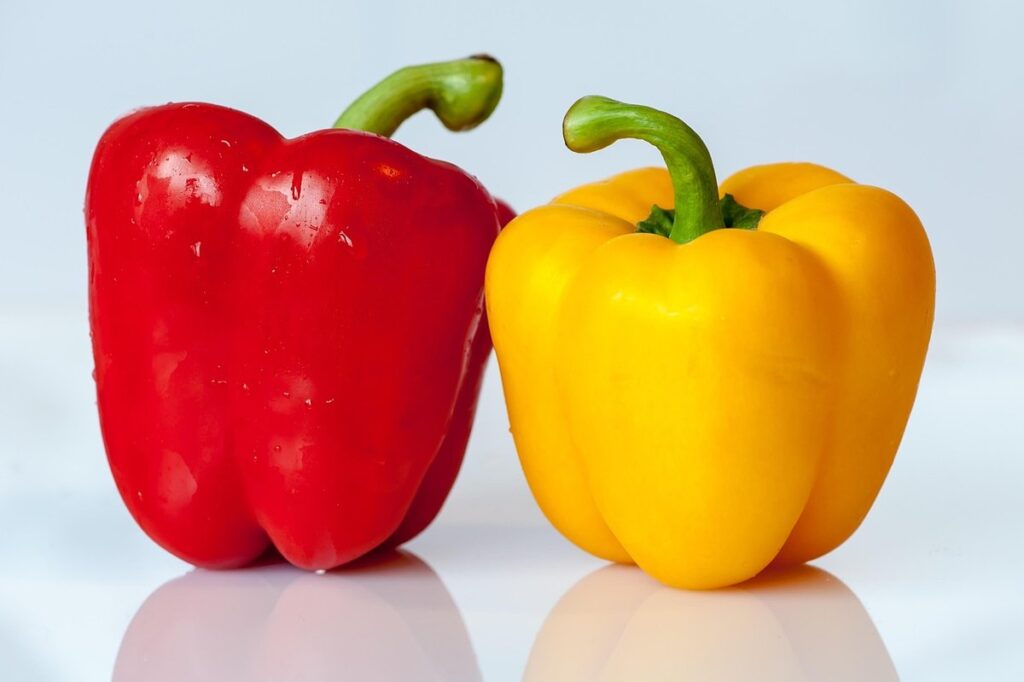
To navigate the inside of a bell pepper like a pro, it’s essential to understand its basic anatomy. First, let’s examine the exterior features that give us clues about what’s inside. The stem end is usually slightly indented and has tiny white dots or scars where the leaves attached during growth. On the opposite side lies the blossom end, which is typically more rounded and may have a slight depression.
Now, take a closer look at the pepper’s sides – you’ll notice a series of shallow ridges or furrows running along its length. These are not just for show; they actually help guide water and nutrients through the fruit as it grows. To identify these features, gently run your fingers over the surface, feeling for the slight indentation of the stem end.
Next time you slice open a bell pepper, remember that the ridges or furrows may be more pronounced on one side than the other – this is simply due to the natural growth pattern of the fruit. By understanding and identifying these basic exterior features, you’ll become more comfortable navigating the inside of a bell pepper, making it easier to harvest those coveted seeds or prepare it for cooking.
The Pericarp: A Protective Layer
The pericarp is the outermost layer of the bell pepper, playing a vital role in protecting it from external factors. This protective layer acts as a barrier against environmental stressors such as excessive sunlight, temperature fluctuations, and physical damage. The pericarp’s primary function is to maintain freshness by preventing moisture loss and minimizing exposure to pathogens.
A key characteristic of the pericarp is its ability to regulate gas exchange between the pepper and its environment. This process helps to maintain a healthy balance of CO2 and O2 levels within the fruit, ensuring optimal growth and development. In addition, the pericarp’s waxy coating serves as a natural sealant, reducing water loss through transpiration and preventing fungal infections.
When handling bell peppers, it’s essential to minimize damage to the pericarp to maintain freshness. Gently washing and drying the pepper under cool, dry conditions can help preserve its protective layer. By taking care of the pericarp, you can extend the shelf life of your bell peppers and enjoy them for a longer period.
The Sarcotesta: A Layer of Cells
The sarcotesta is a thin layer of cells that separates the pericarp from the flesh of the bell pepper. This cellular layer plays a crucial role in plant development and defense mechanisms. In the early stages of fruit formation, the sarcotesta helps to protect the delicate tissues within the bell pepper from environmental stresses such as excessive sunlight or temperature fluctuations.
As the bell pepper ripens, the sarcotesta becomes thinner and more translucent, allowing for better exchange of nutrients and waste products between the pericarp and the flesh. This thinning process also makes way for the production of enzymes that aid in the breakdown of cell walls during the fruit’s maturation phase.
The presence of the sarcotesta is essential for maintaining the integrity and texture of the bell pepper’s interior. It acts as a barrier against pathogens and insects, preventing them from penetrating the inner tissues of the fruit.
Types of Bell Peppers
Let’s take a closer look at the different types of bell peppers you can find, each with its own unique flavor and texture profile. From sweet to hot, there’s a pepper for every taste preference.
Sweet Bell Peppers vs. Hot Bell Peppers
When it comes to bell peppers, one of the most common questions people have is whether to use sweet bell peppers or hot ones. The main difference between these two varieties lies in their flavor profile and heat level.
Sweet bell peppers are milder, with a sweeter taste that’s perfect for snacking or adding crunch to salads. They’re also a great choice when you want to add some sweetness without overwhelming the dish. Sweet peppers tend to be softer in texture than hot peppers and have a higher water content, making them ideal for sautéing or grilling.
On the other hand, hot bell peppers pack a punch with their intense heat level. They’re perfect for those who like a little spice in their meals. Hot peppers are firmer in texture and have a lower water content than sweet peppers, which makes them more suitable for roasting or adding to sauces where you want to maintain some crunch.
When deciding between sweet and hot bell peppers, consider the recipe’s flavor profile and your personal taste preferences. If you’re looking for added sweetness, go for sweet peppers. For a spicy kick, opt for hot peppers.
The Role of Genetics
When it comes to bell peppers, you might be wondering why some varieties are sweet and mild while others pack a punch of heat. The answer lies in the role of genetics in determining the level of capsaicin present in these popular vegetables.
Genetics play a significant role in shaping the characteristics of a bell pepper, including its heat or sweetness. Capsaicin, the compound responsible for the “heat” in peppers, is produced by the pepper’s placental tissue and is influenced by factors such as temperature, humidity, and sunlight exposure during growth. However, genetics also come into play.
For instance, some bell pepper varieties have a genetic mutation that reduces or eliminates the production of capsaicin, making them sweet and mild. On the other hand, peppers with high levels of capsaicin are often bred for their intense heat. Interestingly, research suggests that even within the same variety, individual plants can exhibit varying levels of capsaicin due to genetic differences.
As a bell pepper grower or enthusiast, understanding the role of genetics in shaping your pepper’s flavor and heat can help you make informed decisions when selecting varieties for cultivation or choosing peppers at the market.
Growing Your Own Bell Peppers
Growing your own bell peppers can be a rewarding experience, providing you with a constant supply of fresh produce right in your backyard. To get started, choose a sunny spot that receives at least 6 hours of direct sunlight per day. Bell peppers love warmth, so select a location that traps heat, such as against a south-facing wall or under a trellis.
When it comes to soil selection, bell peppers prefer well-draining, fertile soil with a pH between 6.0 and 7.0. Add organic matter like compost or manure to enrich the soil and improve its water-holding capacity. For sweet bell peppers, use a balanced fertilizer (10-10-10 NPK) while for hot varieties, you can opt for a high-phosphorus fertilizer (15-30-15 NPK) to promote fruiting.
To ensure successful growth, maintain consistent moisture levels, providing about 1 inch of water per week through rainfall or irrigation. Mulch around the plants to retain moisture and suppress weeds. With proper care, your bell pepper plants will thrive, producing a bountiful harvest of crunchy, flavorful peppers in shades of green, red, yellow, orange, and purple.
Nutritional Benefits
Bell peppers are a nutrient-rich snack, and understanding their health benefits can encourage you to incorporate them into your diet regularly. Let’s explore how bell peppers support overall well-being.
Vitamin and Mineral Content
Bell peppers are not only visually stunning but also packed with essential vitamins and minerals that play a vital role in maintaining our overall health. One of the key highlights of bell peppers is their rich content of vitamin A, which acts as an antioxidant powerhouse. This nutrient helps protect cells from damage caused by free radicals, reducing the risk of chronic diseases like cancer and heart disease.
In addition to vitamin A, bell peppers are also an excellent source of vitamin C, with a single serving providing up to 125% of the recommended daily intake. Vitamin C is crucial for immune function, wound healing, and iron absorption. It’s no wonder that bell peppers have been shown to boost immunity and reduce inflammation in the body.
Bell peppers are also a good source of potassium, an essential mineral that helps regulate blood pressure and support healthy heart function. One medium-sized pepper provides around 10% of the daily recommended intake of potassium. Furthermore, bell peppers contain fiber, which can aid digestion, promote satiety, and help manage blood sugar levels.
By incorporating bell peppers into our diet, we can reap a multitude of health benefits while also adding flavor and color to our meals.
Antioxidants and Phytochemicals
Bell peppers are a powerhouse of antioxidants and phytochemicals that play a significant role in protecting against chronic diseases. The unique combination of these compounds makes bell peppers an excellent addition to a healthy diet. Antioxidants, such as vitamin C and beta-carotene, help neutralize free radicals in the body, which can damage cells and contribute to aging and disease.
Phytochemicals like capsaicin, flavonoids, and carotenoids present in bell peppers have been shown to have anti-inflammatory properties, reducing the risk of chronic diseases such as cancer and heart disease. Research has demonstrated that consuming foods rich in phytochemicals can decrease the incidence of certain cancers by 30-50% and lower cardiovascular disease risk by up to 20%.
To maximize the benefits of bell peppers’ antioxidants and phytochemicals, consume them raw or lightly cooked to preserve their potency. You can add sliced bell peppers to salads, blend them into smoothies, or roast them as a side dish. By incorporating bell peppers into your diet regularly, you’ll be taking a proactive step towards maintaining overall health and well-being.
Inflammation Reduction
Bell peppers are packed with antioxidants that play a significant role in reducing inflammation in the body. These compounds help neutralize free radicals, which can damage cells and trigger inflammation. The most notable antioxidant in bell peppers is vitamin C, but they also contain beta-carotene and other carotenoids.
When you consume bell peppers, these antioxidants are released into your bloodstream, where they can help reduce inflammation throughout the body. Studies have shown that consuming foods high in antioxidants, such as bell peppers, can lead to a significant reduction in inflammatory markers.
One of the potential therapeutic uses of bell pepper antioxidants is in the treatment of conditions like arthritis and other inflammatory diseases. For example, a study published in the Journal of Nutrition found that patients with rheumatoid arthritis who consumed a diet rich in antioxidants had reduced symptoms and improved quality of life.
To get the most out of bell peppers’ anti-inflammatory benefits, focus on consuming them raw or lightly cooked to preserve their antioxidant content. Snack on sliced bell peppers as a crunchy and healthy snack, or add them to salads, stir-fries, and other dishes for an extra boost of antioxidants.
Culinary Uses and Preparation
Now that you’ve learned more about the anatomy of a bell pepper, let’s explore how to cook with its unique parts to bring out their best flavors.
Salads, Sauces, and Marinades
Bell peppers add a burst of color and flavor to various dishes, making them an ideal ingredient for salads, sauces, marinades, and more. To incorporate bell peppers into your recipes, start by selecting the right type – sweet or hot, green or red, each variety brings its unique taste and texture.
For salads, use thinly sliced or diced bell peppers as a crunchy topping or mix them with other vegetables for a fresh and healthy salad. Try pairing roasted red bell peppers with mixed greens, cherry tomatoes, and crumbled feta cheese for a Mediterranean-inspired salad. Alternatively, slice green bell peppers into thin strips and add them to a classic Cobb salad.
When using bell peppers in sauces, choose the sweet or mild varieties as they blend seamlessly into the sauce’s flavor profile. For example, puree roasted red bell peppers with garlic, lemon juice, and olive oil for a homemade salsa. To make marinades, simply chop bell peppers coarsely and combine them with herbs, spices, olive oil, and your choice of acidic ingredient (such as vinegar or citrus juice) for an easy and flavorful marinade.
For roasting bell peppers, place them on a baking sheet lined with parchment paper, drizzle with oil, and roast at 425°F (220°C) for about 30-40 minutes, or until the skin blisters and peels off. Once roasted, peel, seed, and chop the bell pepper into desired pieces before using it in your recipe.
When dicing bell peppers for soups or stews, use a mandoline to achieve uniform, delicate cubes that will cook evenly and quickly. If you’re short on time, simply dice the bell pepper without roasting – the result may not be as tender but still adds flavor to the dish.
As a general rule of thumb, choose firm, glossy bell peppers for salads and sauces, while softer varieties are better suited for marinades or roasted dishes. By understanding how to work with different types of bell peppers, you can unlock their full potential in your cooking.
Roasted Bell Peppers: A Flavorful Delight
Roasting bell peppers is a simple yet effective way to bring out their natural sweetness and add depth to various dishes. By caramelizing the natural sugars inside the pepper, you’ll enhance its flavor profile without adding any extra seasonings. To roast bell peppers, preheat your oven to 425°F (220°C). Place the peppers on a baking sheet, drizzle with olive oil, and sprinkle with salt. You can also add other aromatics like garlic powder or dried oregano for added flavor.
Roasting time will vary depending on the pepper’s size and your desired level of caramelization. As a general rule, it takes around 30-40 minutes to achieve a tender, slightly charred exterior. Check on the peppers periodically to avoid overcooking. Once they’re done, remove them from the oven and let them cool in their skins. The peels should come off easily, revealing the tender flesh underneath.
For an added layer of flavor, try using roasted bell peppers as a topping for sandwiches or salads, or as a key ingredient in sauces and dips. Experiment with different seasonings to find your favorite combinations – smoked paprika pairs particularly well with sweet peppers! By mastering the art of roasting bell peppers, you’ll unlock a world of possibilities for incorporating this delicious ingredient into your cooking repertoire.
Bell Pepper Variations in Global Cuisine
Bell peppers bring a burst of color and flavor to dishes across the globe. Their versatility as an ingredient is truly remarkable, with different cultures utilizing them in unique ways that showcase their adaptability. For instance, in Korean cuisine, bell peppers are often stir-fried with garlic and ginger to create a flavorful marinade for bulgogi beef.
In Japanese cooking, bell peppers add sweetness to dishes like teriyaki chicken, while in Indian cuisine, they’re commonly used in spicy curries like vindaloo. In the United States, bell peppers are often stuffed with meat or cheese and baked as a side dish. Their mild flavor makes them an excellent choice for absorbing strong flavors.
The key to incorporating bell peppers into your global cuisine is to experiment with different seasonings and cooking techniques. Try roasting them in the oven with olive oil and spices for added depth, or sautéing them with garlic and chili flakes for a spicy kick. By embracing the diversity of bell pepper varieties, you can unlock new flavors and textures that will elevate your dishes to the next level.
Storage, Handling, and Shelf Life
Now that you know what’s inside your bell pepper, let’s talk about how to store and handle it to keep its freshness intact for as long as possible. Proper storage can make all the difference in maintaining its flavor and texture.
Maximizing Freshness
When it comes to enjoying the crunchy sweetness of bell peppers, maintaining their freshness is crucial. To maximize the shelf life and retain that delightful crunch, you’ll want to follow some simple storage and handling techniques.
Proper Storage Conditions are key: Store bell peppers in a cool, dry place away from direct sunlight. A temperature range between 32°F and 50°F (0°C to 10°C) is ideal. Keep them separate from other fruits, as they release ethylene gas that can cause ripening.
Handling Techniques Matter Too: Handle bell peppers gently to avoid bruising or damaging the delicate flesh. Avoid washing them before storage – moisture can lead to mold and spoilage. If you must wash them, dry thoroughly with a clean towel before storing.
To Extend Shelf Life, try these tips:
• Use breathable bags or wrap them in paper towels
• Store at the same temperature as other produce (not too cold)
• Check on them regularly for any signs of spoilage
• Keep them away from heat sources and direct sunlight
By following these simple storage and handling guidelines, you’ll be able to enjoy your bell peppers for longer – and keep their crunchy texture intact!
Signs of Spoilage and Rot
When handling and storing bell peppers, it’s essential to be aware of the signs of spoilage and rot. Over time, bell peppers can develop physical changes that indicate they’re no longer safe for consumption.
One of the most noticeable signs is discoloration. Bell peppers typically turn from green to their final color as they ripen, but if you notice unusual or uneven color changes, it may be a sign of spoilage. For example, a yellow or orange bell pepper might develop brown or black spots, while red bell peppers may show white or gray patches.
In addition to discoloration, texture is another critical factor. A fresh bell pepper should have a crisp, firm skin and a slightly yielding flesh when pressed gently. If the skin is soft, wrinkled, or slimy, or if it feels spongy inside, it’s likely spoiled.
To address these issues, always inspect your bell peppers carefully before using them in recipes. Check for any visible signs of spoilage and smell them too – a sour or unpleasant odor can indicate rot. If you’re unsure whether a bell pepper is still good to use, err on the side of caution and discard it. Regularly checking your produce will help prevent spoiled bell peppers from ending up in your meals.
Food Safety Considerations
When handling and storing bell peppers, it’s essential to prioritize food safety to prevent contamination and ensure a safe eating experience. Start by washing your hands thoroughly before and after touching the peppers, as well as sanitizing any cutting boards, knives, or utensils that come into contact with them.
To store bell peppers effectively, keep them away from direct sunlight and heat sources, as this can cause moisture to accumulate and lead to mold growth. Store them in a cool, dry place, such as a pantry or cupboard. If you’re planning to store them for an extended period, consider keeping them in the refrigerator.
When it comes to shelf life, bell peppers typically last between 1-2 weeks at room temperature, depending on their ripeness and storage conditions. When stored properly, they can last up to 3 months in the freezer. Always inspect your bell peppers before consuming them for any visible signs of spoilage, such as soft spots or mold. By following these simple guidelines, you’ll be able to enjoy your bell peppers while minimizing food safety risks.
Frequently Asked Questions
Can I grow multiple types of bell peppers in the same garden?
Yes, bell peppers are relatively easy to grow and can thrive in a variety of conditions. When planting multiple varieties, ensure they have sufficient space (about 18-24 inches apart) to prevent overcrowding and promote healthy growth.
How do I store bell peppers for extended periods without losing their crunchiness?
To maximize freshness, store bell peppers in the refrigerator with the stems facing up. Remove any leaves that may be touching other vegetables to prevent moisture transfer. Keep them away from strong-smelling foods as bell peppers can absorb odors easily.
Can I use bell pepper seeds from last season’s harvest for planting this year?
No, it’s generally recommended to use fresh seed packets or store seeds properly in a cool, dry place to maintain their viability. Old seeds may lose potency, resulting in lower germination rates and weaker plants.
How do I identify the signs of spoilage and rot on bell peppers?
Regularly inspect your stored bell peppers for soft spots, mold, or an off smell. Check the stems for any cracks or water-soaked areas, which can be indicative of spoilage. If you notice any damage, remove the affected pepper to prevent it from spreading.
Can I use all parts of a bell pepper, including the seeds and membranes?
Yes, while often discarded, the seeds and membranes contain valuable nutrients and antioxidants. Use them as is in recipes or blend into sauces for added nutrition.