
Are you looking to grow your own fruits and veggies without breaking the bank? Creating a raised garden bed can be an exciting project, but it doesn’t have to be expensive. In fact, with a little creativity, you can build your very own raised garden beds using repurposed materials that are not only budget-friendly but also eco-friendly.
From old pallets to wooden crates and bricks, we’ll explore some innovative ideas for building inexpensive raised garden beds. You might be surprised at how easy it is to get started with a minimal investment. In this article, we’ll take a closer look at the process of creating your own raised garden bed using recycled materials, highlighting the benefits of going green and saving money in the process. Whether you’re a seasoned gardener or just starting out, these budget-friendly ideas will help you grow your dream garden without sacrificing your wallet.
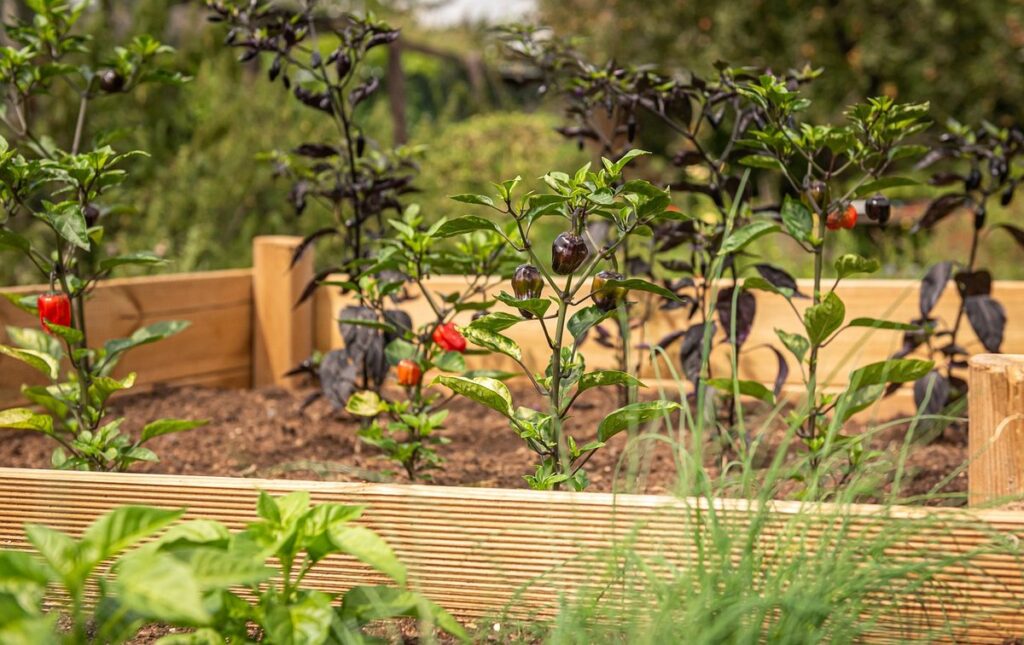
DIY Materials to Repurpose
To create a unique and budget-friendly raised garden bed, you’ll need some creative DIY materials to repurpose from around your home and local salvage yards. Old pallets, bricks, and stones are great starting points.
Reusing Old Pallets
Upcycling old pallets is an innovative way to create affordable raised garden beds. These wooden platforms are perfect for gardening due to their durability and versatility. By reusing them, you not only save money but also contribute to reducing waste.
To prepare old pallets for use as a raised bed, start by inspecting the wood for any damage or rot. Remove any broken boards and clean the remaining ones with soap and water. Disassemble the pallet into individual planks and stack them on top of each other. You can also use multiple pallets to create a tiered garden bed system.
When choosing a location for your pallet raised bed, ensure it receives sufficient sunlight (at least 6 hours) and is close to a water source. Fill the pallet with a mix of topsoil, compost, and perlite or vermiculite for optimal drainage. Finally, plant your favorite flowers, herbs, or vegetables in the pallet bed.
Consider using treated pallets, which are specifically designed for outdoor use, but make sure they’re certified safe for gardening. Also, keep an eye on your local regulations regarding pallet disposal and reuse.
Transforming Wooden Crates
When it comes to repurposing wooden crates as raised garden beds, you’ll be surprised at just how versatile they can be. Not only are they inexpensive, but they also offer a unique and rustic charm that can add character to your garden.
To get started, you’ll need to assess the condition of your crates. Look for any signs of damage or rot, and make sure they’re sturdy enough to hold their shape. You may need to sand down rough edges or apply a coat of sealant to protect them from the elements.
One of the benefits of using wooden crates is that they often come with pre-cut compartments, which can be ideal for planting small crops like herbs or succulents. Simply arrange the crates in a rectangular formation, fill with a mix of topsoil and compost, and you’re ready to plant. To add extra support, consider placing a layer of landscape fabric between each crate to prevent weeds from growing up through the gaps.
Just remember to drill drainage holes in the bottom of each crate to ensure excess water can escape, and keep an eye on your plants as they grow – wooden crates may not be as tall as traditional raised beds, so you’ll need to plan accordingly.
Affordable Materials from Home
You can find plenty of affordable materials for your raised garden bed right at home, think old pallets, crates, and even bricks to repurpose. Get creative!
Using Bricks and Stones
When it comes to creating an inexpensive raised garden bed, repurposing materials like bricks and stones can be a great option. One of the most attractive ways to use these materials is by building a raised bed using them as the primary structure.
To start, select bricks or stones that are sturdy enough to support the weight of the soil and plants. You’ll want to choose materials with a smooth surface to prevent weeds from growing in between them. Consider using reclaimed or second-hand bricks for an eco-friendly approach. When it comes to designing your raised bed, think about aesthetics as well as functionality. Alternate rows of brick or stone with wooden planks or strips to create visual interest.
When building the structure, start by laying a layer of compacted gravel at the bottom for drainage. Then, arrange the bricks or stones in a pattern that suits your style, leaving space for the soil and plants. Finish off the top with a layer of mulch to retain moisture and suppress weeds. With a little creativity, you can create a beautiful and functional raised bed using bricks and stones on a budget.
Incorporating Wooden Planks
When it comes to building an inexpensive raised garden bed, incorporating wooden planks is a popular choice. However, durability and maintenance are often concerns for those considering this option. To alleviate these worries, choose pressure-treated or naturally rot-resistant woods like cedar or redwood. These types of wood can withstand the elements and last longer with minimal upkeep.
If you’re looking to save even more money, consider repurposing old wooden pallets or fencing boards. Simply clean and disassemble them, then arrange the planks in a bed frame design. To add extra stability, secure the planks using weather-resistant screws or nails. Make sure to space the planks about 2-3 inches apart for good drainage.
To extend the life of your wooden plank garden bed, apply a waterproof sealant every few years. Regularly inspect the wood for signs of rot or decay and address any issues promptly. With proper care, your wooden plank garden bed can provide years of healthy harvests without breaking the bank.
Repurposed Items from Your Yard
Take a walk around your yard and see what hidden treasures you can repurpose for your raised garden bed, like old bricks or stones. Get creative with materials you already have on hand!
Old Tires as Planters
When you’re looking for inexpensive raised garden bed ideas, consider repurposing old tires as planters. This unique approach is perfect for small plants or herbs that don’t require a lot of space.
First, gather some old tires from around your yard and clean them thoroughly. Next, drill drainage holes in the bottom to prevent waterlogged soil. You can also add a layer of landscape fabric to prevent weeds from growing up through the tire.
One potential issue with using tires as planters is drainage. Since they’re made of rubber, they can retain moisture, which may lead to root rot and other problems. To mitigate this, make sure to drill enough holes for adequate airflow and water evacuation. You’ll also want to choose plants that are adapted to these conditions.
Another potential issue is pests. Tires can be a haven for slugs, snails, and other critters that like moist environments. Keep an eye out for signs of infestation, such as chewed leaves or slimy trails.
Some creative ways to use old tires include stacking them to create a tiered planter or adding some decorative rocks or gravel to improve drainage. Just be sure to check with your local nursery or gardening experts for advice on the best plants to use in this type of planter.
Using Bamboo as a Frame
Using bamboo as a frame material for raised garden beds is a fantastic way to give new life to this versatile and sustainable resource. Bamboo’s lightweight yet incredibly strong properties make it an ideal choice for creating the framework of your raised bed.
One of the biggest benefits of using bamboo is its affordability – often significantly cheaper than traditional wood options, like cedar or pine. Additionally, bamboo is a highly renewable resource with natural resistance to pests and decay, reducing the need for chemical treatments. However, keep in mind that bamboo can be prone to warping if not properly sealed or treated.
To make the most of using bamboo as your frame material, consider the following tips: First, ensure you choose straight, untreated bamboo poles. Next, secure them with natural adhesive or screws, and seal any ends with a non-toxic finish. Lastly, keep in mind that bamboo can be more susceptible to weathering than wood; apply a water-resistant coating to protect it from extreme conditions.
If properly cared for, a bamboo frame raised bed can provide years of service and add a touch of natural elegance to your garden space.
Building Your Own Raised Bed from Scratch
Want a truly DIY experience? This section will walk you through designing and building your very own raised bed from scratch, on a budget.
Planning Your Design
When planning your design for an inexpensive raised garden bed from scratch, it’s essential to consider several key factors. First and foremost, think about soil depth. A minimum of 6-8 inches is recommended, but deeper beds can be more beneficial as they allow roots to grow deeper and access more nutrients. Consider using a mix of topsoil and compost to create a nutrient-rich growing environment.
Next, take note of the sunlight exposure in your garden bed. Most vegetables require at least 6 hours of direct sunlight per day, so choose a location that receives adequate sun. Be mindful of any nearby structures or trees that may cast shade on your bed during certain times of the day.
Accessibility is another crucial consideration when designing your raised bed. Ensure that you can easily reach all areas without straining your back or neck. A depth of 2-3 feet is ideal, allowing for comfortable standing and bending.
Choosing the Right Soil
Choosing the right soil for your raised bed garden is just as important as selecting the best materials for your frame. After all, it’s where your plants will thrive or struggle to survive. When it comes to inexpensive raised garden bed ideas, you may think that the cost of high-quality soil would be a significant expense. However, there are many affordable options available.
One of the most essential components of good soil is organic matter. This can come in the form of compost, well-rotted manure, or even kitchen scraps like vegetable peels and coffee grounds. Not only do these ingredients provide vital nutrients for your plants, but they also improve the soil‘s structure, making it easier for roots to grow.
Nutrient-rich options like coconut coir and worm castings are also excellent choices, especially if you’re looking for a more sustainable alternative to synthetic fertilizers. These options not only add essential minerals but also promote healthy microbial activity in the soil. Consider repurposing old containers, like plastic bottles or cardboard tubes, to create your own composting system – it’s a free and effective way to generate nutrient-rich soil for your garden.
Budget-Friendly Tips for Maintenance and Upkeep
To keep your raised garden bed looking its best without breaking the bank, we’ve got some budget-friendly tips for maintenance and upkeep that you’ll love.
Mulching and Composting
Mulching and composting are two of the most effective ways to maintain your raised bed’s health without breaking the bank. Mulch acts as a protective barrier for your plants’ roots, retaining moisture and suppressing weeds that can compete with your crops for resources. Organic mulches like wood chips, straw, or leaves can be sourced from local gardening groups or yard waste programs, making them an inexpensive option.
Composting, on the other hand, is the process of breaking down organic matter into a nutrient-rich soil amendment. By incorporating compost into your raised bed, you’ll provide your plants with essential nutrients and improve the soil’s structure. To start composting at home, collect kitchen scraps, leaves, and grass clippings in a designated pile. As it breaks down, turn the mixture regularly to aerate it and speed up decomposition.
In terms of cost, mulching and composting are essentially free or minimal expenses. By utilizing materials you already have on hand or sourcing them locally, you’ll save money compared to purchasing commercial fertilizers and soil conditioners.
Seasonal Adjustments
As you continue to enjoy your inexpensive raised garden bed, it’s essential to make seasonal adjustments for optimal performance. The changing seasons bring unique challenges and opportunities that require attention to keep your plants thriving.
In the spring, prune dead or damaged branches from perennials and shrubs to promote healthy growth. This is also a great time to add organic matter like compost or well-rotted manure to enrich the soil. For example, if you have a rose bush, remove any dead wood in late winter or early spring, making sure to leave at least six inches of stem above ground.
Summer months often require more frequent watering and fertilization. Use a balanced fertilizer (10-10-10) during the growing season to provide essential nutrients for your plants. Consider using fish emulsion or bone meal as an alternative, which are both inexpensive and environmentally friendly.
In autumn, prepare your garden bed for winter by cutting back perennials, removing weeds, and adding a layer of mulch to protect the soil from frost. This will help retain moisture and suppress weed growth over the cold months. By making these seasonal adjustments, you’ll be rewarded with a thriving and productive raised garden bed all year round.
Frequently Asked Questions
What if I don’t have a suitable location for my raised garden bed?
You can place your raised bed on any level surface, as long as it receives sufficient sunlight (at least 6 hours a day) and is well-drained. Consider using containers or elevated planters if you’re short on space.
Can I use pressure-treated wood for my raised garden bed?
No, it’s not recommended to use pressure-treated wood for your raised bed, as it can leach chemicals into the soil and potentially harm plants and animals. Opt for untreated, naturally rot-resistant woods like cedar or cypress instead.
How do I ensure good drainage in my raised garden bed?
To prevent waterlogged soil, include a layer of gravel or broken pottery at the bottom of your raised bed to improve drainage. You can also incorporate a slight slope to allow excess water to flow away from the plants.
What’s the ideal size for a raised garden bed?
The ideal size will depend on your specific needs and space constraints. Consider starting with smaller beds (around 4′ x 4′) and gradually expanding as you gain experience and confidence in your gardening skills.
Can I reuse old pallets if they’re damaged or rotten?
While it’s tempting to salvage old pallets, it’s essential to inspect them carefully before reusing them. If the wood is severely damaged or rotten, it may be safer to opt for healthier materials or use a different repurposing project altogether.