
Are you one of the many succulent enthusiasts who want to bring some greenery into their homes? If so, you’re in luck! Indoor succulent care is easier than you think, and with our expert guide, you’ll be well on your way to growing thriving plants that will brighten up any room. But before we dive into the nitty-gritty of lighting, watering, soil, fertilization, and propagation, let’s talk about why indoor succulents are so special. Not only do they purify the air and add a touch of elegance to your decor, but they’re also ridiculously low-maintenance – making them perfect for busy people or those new to plant parenthood.
In this article, we’ll cover everything you need to know to choose, care for, and propagate stunning indoor succulents. From choosing the right varieties for your space to mastering the art of watering without overdoing it, we’ve got you covered. Whether you’re a seasoned gardener or a complete beginner, our expert guide will walk you through the essentials of indoor succulent care, so you can enjoy these gorgeous plants in all their glory.
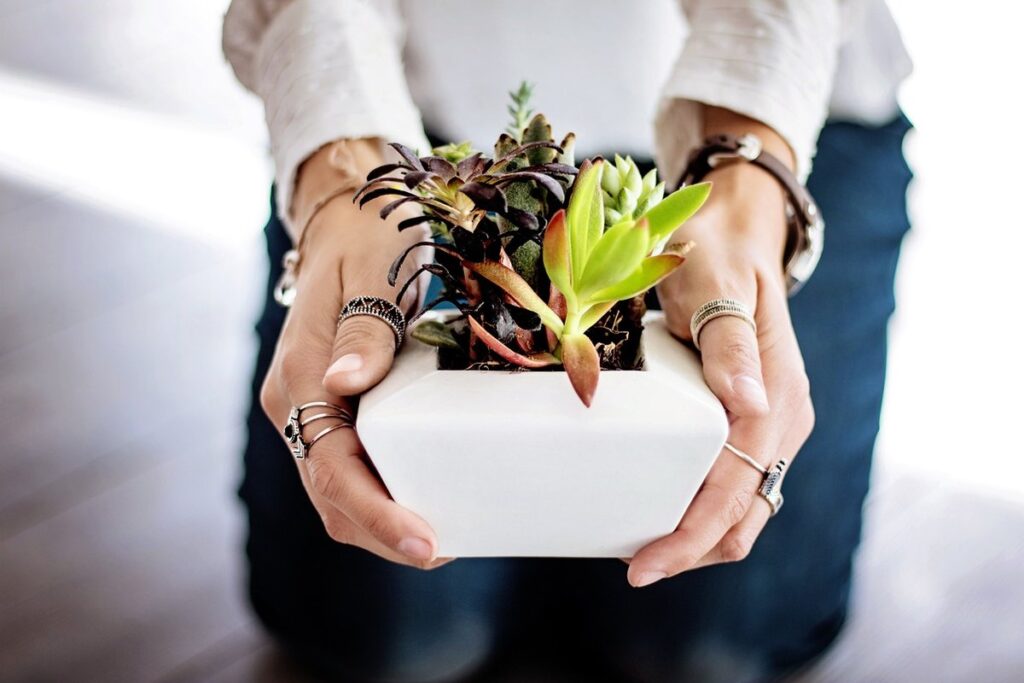
Choosing the Right Succulents for Your Space
When selecting succulents for your indoor space, consider factors such as lighting, temperature, and maintenance needs to ensure a perfect match for your home. Think about which species will thrive in your specific environment.
Understanding Succulent Types
When it comes to choosing the right succulents for your indoor space, understanding the different types is crucial. Succulents come in a wide range of shapes, sizes, and characteristics, making each one unique. Let’s explore some popular varieties like Aloe, Echeveria, and Crassula.
Aloes are known for their soothing gel-filled leaves, often used to treat burns and skin irritations. With over 500 species, you’ll find a variety of shapes and sizes, from the compact ‘Blue Elf’ to the towering ‘Aloe striatula’. Their gel can be used as a natural remedy, making them an excellent addition to any indoor space.
Echeverias are popular for their vibrant colors and delicate rosettes. With over 150 species, they come in various shapes and sizes, ranging from small, rounded plants like ‘Perle von Nurnberg’ to larger, more dramatic ones like ‘Black Prince’. Echeverias can thrive in low-light conditions, making them ideal for indoor spaces with limited natural light.
Crassulas are often mistaken for miniature trees due to their branching stems and small leaves. With over 400 species, they offer a wide range of possibilities, from the compact ‘Jade Plant’ to the sprawling ‘Orbifolia’. They prefer bright, indirect light and infrequent watering, making them perfect for busy indoor gardeners.
These are just a few examples of the many succulent types available. Each one has unique characteristics that can either complement or conflict with your indoor space’s conditions. Understanding these differences will help you choose the perfect plants to thrive in your home.
Selecting the Perfect Succulent for Your Climate
When selecting succulents for your indoor space, it’s essential to consider your local climate. Different regions have unique temperature, humidity, and light exposure profiles that can impact your succulent’s health. For instance, if you live in a hot and dry desert region like Phoenix, Arizona, you’ll want to choose succulents adapted to extreme heat and arid conditions.
On the other hand, if you reside in a humid and temperate climate like San Francisco, California, you’ll need to opt for succulents that can thrive in low-light conditions. Factors such as temperature fluctuations, air circulation, and humidity levels should also be taken into account.
To choose the perfect succulent for your climate, research the specific needs of various species. For example, Aloe vera is ideal for hot and dry environments, while Echeveria prefers cooler temperatures and higher humidity. Consider your local USDA Hardiness Zone to determine which succulents are best suited for your area. This will ensure you’re selecting plants that can adapt to your environment and provide the necessary care for them to thrive.
Preparing the Environment for Optimal Growth
To give your succulents the best chance at thriving, you’ll want to create a suitable environment that meets their unique needs. This includes selecting the right location and setting up proper lighting for healthy growth.
Lighting Requirements for Indoor Succulents
When it comes to providing your indoor succulents with the right amount of light, it’s essential to understand the different types of lighting they require. Most succulent species thrive in bright, indirect sunlight, which is ideal for south-facing windows or a sunroom. However, if you don’t have access to direct sunlight, don’t worry – many succulents can also tolerate low-light conditions.
When choosing artificial lighting options, consider using LED grow lights specifically designed for plants. These energy-efficient lights emit a broad spectrum of light that promotes healthy growth and color development in your succulents. For example, the popular ‘Aloe Vera’ plant does well under indirect sunlight, while ‘Echeveria’ prefers bright, indirect light.
To replicate natural sunlight indoors, position your succulents 1-2 feet away from a window or use a sheer curtain to filter direct sunlight. If using artificial lighting, follow the manufacturer’s instructions for placement and intensity settings to avoid burning your plants’ leaves. By understanding the specific lighting needs of your indoor succulents, you can provide them with the perfect environment for optimal growth and flowering.
Humidity Control: How to Maintain a Suitable Environment
Maintaining optimal humidity levels is crucial for indoor succulent care. Succulents thrive in environments with low to moderate humidity, typically between 40-60%. If the air is too humid, it can lead to root rot and other issues.
To control humidity, you can use a dehumidifier or place your succulents on a tray filled with water and pebbles. As the water evaporates, it will increase the surrounding humidity without overwatering your plants. You can also group plants together, allowing them to share a microclimate that maintains optimal humidity levels.
Monitor your indoor space’s humidity levels using a hygrometer. If your home is particularly humid due to factors like proximity to a bathroom or kitchen, consider moving your succulents to a more suitable location. By maintaining the right balance of moisture, you’ll promote healthy growth and prevent common issues that can arise from overwatering.
Watering Techniques for Indoor Succulents
When it comes to indoor succulent care, getting the watering just right can be a challenge. Let’s dive into some effective techniques for giving your indoor succulents exactly what they need.
Understanding Water Requirements
Understanding when your indoor succulents need water is crucial for their survival. A common mistake many succulent owners make is overwatering, which can lead to root rot and other problems. To determine if your succulent needs water, start by checking the soil moisture. Stick your finger into the soil about an inch deep; if it feels dry, it’s time to water.
Look for signs of underwatering, such as leaf drooping or shriveling. These plants can tolerate some neglect, but prolonged drought can cause damage. Check the leaves’ color and texture – if they’re pale or wrinkled, it may be a sign that your succulent needs attention. Water only when necessary to prevent overwatering.
A good rule of thumb is to water your indoor succulents sparingly, allowing the soil to dry out completely between waterings. This will help them develop strong roots and resist disease. Be mindful of temperature fluctuations, as this can affect watering frequency – in warmer temperatures, they’ll need more moisture.
Avoiding Overwatering: Tips and Tricks
Overwatering is one of the most common mistakes succulent owners make. It’s easy to get carried away with watering, but remember that these plants are adapted to survive in dry conditions and can quickly rot if their roots are consistently waterlogged.
To avoid overwatering, try watering your succulents in the morning. This allows any excess moisture to evaporate throughout the day, reducing the risk of root rot. You can also use a moisture meter to determine when your plant needs water. These devices measure the soil’s water levels and provide an accurate reading, eliminating guesswork.
Another tip is to check the drainage holes on your pot. If the holes are clogged or small, it can cause water to collect in the soil, leading to overwatering. Make sure to repot your succulent if you notice this issue. Finally, water your succulents sparingly until they’re established in their new home. This will help them develop strong roots and reduce the risk of root rot.
By following these tips, you’ll be well on your way to becoming a succulent expert and avoiding one of the most common mistakes indoor plant owners make.
Soil and Fertilization for Healthy Succulents
When it comes to giving your indoor succulents the best chance at thriving, understanding how to properly care for their soil and fertilization needs is crucial for healthy growth. Proper soil and fertilization will help prevent common issues like nutrient deficiencies and root rot.
Selecting the Right Potting Mix
When it comes to selecting the right potting mix for your indoor succulents, choosing one that’s specifically designed for cacti and succulents is crucial. These plants have unique watering needs, and a regular potting mix can retain too much water, leading to root rot and other problems.
A well-draining potting mix, on the other hand, allows excess water to escape quickly, preventing waterlogged soil that can be detrimental to your plant’s health. Look for mixes labeled as “cactus or succulent potting mix” or “well-draining potting mix.” These products typically contain a combination of perlite, vermiculite, and sand, which provide excellent drainage while retaining moisture.
Some popular alternatives to traditional potting mixes include coconut coir and orchid bark. Coconut coir is an eco-friendly option that’s gentle on roots and retains moisture well, while orchid bark provides excellent drainage and aeration. Remember, a good potting mix can make all the difference in keeping your succulents happy and thriving at home.
When selecting a potting mix, be sure to read the label carefully, looking for ingredients specifically designed to promote drainage and prevent water retention. You can also experiment with homemade mixes using perlite, vermiculite, or sand as a base.
Fertilizing Your Succulent: A Beginner’s Guide
Fertilizing your indoor succulents is an essential part of their care, and it’s often overlooked by beginner plant enthusiasts. However, fertilizing provides numerous benefits that will keep your plants thriving. By providing the necessary nutrients, you promote healthy growth, prevent nutrient deficiencies, and even help your succulents bloom more vibrantly.
Succulents, like all plants, require a balanced diet of essential nutrients such as nitrogen (N), phosphorus (P), and potassium (K). These elements are responsible for various plant functions: N for growth, P for root development, and K for overall health. When your succulent is not getting enough of these nutrients from its soil, it may display symptoms like pale leaves, stunted growth, or even die-back.
To fertilize your indoor succulents effectively, choose a balanced fertilizer specifically designed for cacti and succulents. Follow the instructions on the label carefully, as over-fertilizing can be detrimental to your plants’ health. Dilute the recommended amount with water, especially during the summer months when succulents are actively growing.
Common Problems and Solutions in Indoor Succulent Care
As you care for your indoor succulents, you may encounter common issues that can be frustrating to resolve. Let’s address these problems together and find easy solutions.
Identifying Signs of Underwatering or Overwatering
When it comes to indoor succulent care, proper watering is crucial for their survival. One common mistake many succulent enthusiasts make is either underwatering or overwatering their plants, leading to a range of problems. To identify if you’re providing the right amount of water for your succulents, look out for these telltale signs.
Droopy leaves are often a sign that your succulents need more water. This can happen when the soil is too dry, causing the plant to wilt and lose its turgidity. On the other hand, soft stems and plump leaves may indicate overwatering, where the roots are rotting due to excess moisture. If you notice any of these symptoms, it’s essential to adjust your watering schedule accordingly.
Check for droopy leaves and stems regularly to catch any issues early on. Water your succulents sparingly until they show signs of recovery, and then gradually return to a normal watering routine.
How to Treat Pests and Diseases on Your Indoor Succulents
When it comes to indoor succulent care, pests and diseases can be a major threat to their health. Mealybugs, spider mites, and scale are common pests that feed on the sap of your succulents, causing them to become weak and susceptible to further infestations. To treat mealybugs, isolate the affected plant and gently brush off as many bugs as possible with a soft-bristled toothbrush. Mix 1 tablespoon of neem oil with 2 tablespoons of water and spray it on the affected areas. Repeat this process every few days until the mealybugs are gone.
Root rot is another common issue that can be caused by overwatering, which can lead to the roots rotting away. To treat root rot, carefully remove the succulent from its pot and trim off any soft or mushy roots with a sterile tool. Repot the plant in well-draining soil, and reduce watering to prevent further waterlogged conditions.
Preventing pests and diseases requires regular monitoring of your plants, along with good hygiene practices such as washing your hands before handling your succulents and avoiding overwatering. By staying vigilant and taking prompt action when issues arise, you can keep your indoor succulents thriving and healthy for years to come.
Propagation and Repotting for Healthy Growth
To keep your indoor succulents thriving, it’s essential to know when and how to propagate new plants, as well as repot them into fresh soil. Let’s dive into these crucial care techniques.
Methods of Succulent Propagation
When it comes to expanding your succulent collection, propagation is a simple and effective way to go about it. There are several methods of succulent propagation that you can try, each with its own advantages and success rates.
One popular method is leaf and stem cutting. This involves carefully removing a healthy leaf or stem from the mother plant, allowing it to dry for 2-5 days to form a callus, and then planting it in well-draining soil. With proper care, this can lead to a new plant growing from the base of the leaf.
Another method is division, which involves separating the roots of an overgrown succulent pot into multiple smaller sections. This is often done during repotting, when the plant needs to be transferred to a larger container anyway. Make sure each section has at least one ‘eye’ or growth node before replanting.
For those who want to try something new, seed starting can be a fun and rewarding experience. Sow seeds in a small pot filled with well-draining soil and keep it moist but not waterlogged until germination occurs. With proper care, the young plant will grow into a mature succulent in no time.
When to Repot Your Succulent: A Guide
Repotting your indoor succulents regularly is crucial for their continued health and growth. One of the most obvious signs that it’s time to repot is when the plant has outgrown its current container. If you’ve noticed that the pot size is becoming too small, it’s likely time to give your succulent some extra space.
Another sign to look out for is root growth. As your succulent grows, its roots will start to spread and fill the pot. You can check for this by gently removing the plant from its container and examining the roots. If they’re circling or starting to grow out of the drainage holes, it’s time to repot.
In general, most indoor succulents need to be repotted every 6-12 months. However, some species may require more frequent repotting due to their rapid growth rate. It’s also worth noting that succulents grown in areas with high humidity or prone to overwatering may benefit from being repotted more frequently.
Remember to choose a pot that is slightly larger than the original one and has good drainage holes to prevent waterlogged soil.
Frequently Asked Questions
Can I propagate succulents from leaves, or do I need to use stem cuttings?
You can propagate many succulent species from leaves, but it’s not always the best method. Leaf propagation is often used for softer-leaved plants like aloe and agave. For harder-leaved plants like echeveria and crassula, stem cuttings are usually more effective.
How do I know when my indoor succulents need fertilization?
Most indoor succulents require fertilization during the growing season (spring and summer). Fertilize your plants with a balanced, water-soluble fertilizer at half the recommended strength. You can also use a fertilizer specifically formulated for cacti and succulents.
What’s the best way to repot my succulent, and how often should I do it?
Repot your succulent in the spring when it becomes pot-bound (the soil is packed tightly around the roots). Choose a well-draining potting mix and a container that’s only slightly larger than the original one. Repot every 1-3 years to maintain optimal growth.
Can I grow succulents outdoors year-round, or do they need protection during extreme weather?
Succulents can tolerate some outdoor exposure, but they may need protection from extreme temperatures (below -10°C/14°F or above 38°C/100°F), heavy rain, and intense sunlight. Bring your plants indoors during harsh winter months or provide shade cloth for protection.
How do I identify signs of pests on my indoor succulents, and what can I do to prevent infestations?
Check your plants regularly for signs of pests like mealybugs, spider mites, and scale. Look for white cottony growths, fine webbing, or sticky substance on the leaves or stems. Use neem oil or insecticidal soap to treat infestations, and maintain good air circulation to prevent future problems.