
Are you tired of constantly worrying about watering your indoor plants? Do you wish there was a way to care for them without sacrificing an hour of your weekend every week? Well, you’re in luck! Indoor plants that require minimal watering are not only possible but also incredibly beneficial for both you and the environment. By learning how to water your indoor plants once a month, you’ll be able to enjoy the numerous benefits of having lush greenery indoors while reducing your water consumption. In this article, we’ll explore the ins and outs of infrequent watering for indoor plants, covering everything from the science behind why it works to expert tips on transitioning your plants to a low-water routine.
Benefits of Infrequent Watering
While it may seem counterintuitive, infrequently watering your indoor plants can have several surprising benefits that will keep them thriving. In this section, we’ll explore these advantages up close.
Why Overwatering is a Common Problem
Overwatering is one of the most common mistakes plant enthusiasts make when it comes to their indoor plants. It’s easy to get carried away with the idea that more water means a healthier plant, but in reality, this couldn’t be further from the truth.
When you overwater your indoor plants, you risk developing root rot – a condition where the roots of the plant begin to break down and decay due to excess moisture. This can lead to fungal diseases such as leaf spot, which can spread quickly through the plant, causing unsightly lesions on the leaves.
In addition to root rot and fungal diseases, overwatering also makes your plants more susceptible to pest infestations. Aphids, mealybugs, and spider mites are just a few common pests that thrive in moist environments and will move in on an unsuspecting plant if it’s waterlogged.
By adopting the monthly watering schedule outlined in this guide, you can avoid these risks and give your plants the best chance of thriving indoors. By trusting the soil to tell you when it needs water, rather than following a fixed schedule, you’ll be amazed at how much healthier and more resilient your indoor plants become.
How Infrequent Watering Promotes Healthy Roots
Watering once a month may seem counterintuitive for promoting healthy roots, but it’s actually a key principle behind developing strong, nutrient-absorbing root systems. When plants receive regular watering, their roots tend to grow outward and become surface-oriented, searching for water rather than nutrients.
This is known as “wet soil” or “drowning” the plant, which can lead to shallow root growth and increased susceptibility to disease. By contrast, infrequent watering encourages roots to dig deeper in search of moisture, developing a more extensive network that’s better equipped to absorb essential nutrients from the soil.
As a result, plants watered once a month tend to have thicker, more fibrous roots that are less prone to damage from overwatering or nutrient deficiencies. This root structure also enables plants to withstand drought periods and other environmental stressors with greater resilience.
To replicate this effect in your own indoor space, simply reduce the frequency of watering for your plants, gradually introducing a once-a-month schedule as they acclimate. Monitor their response closely, adjusting as needed to ensure optimal health and growth.
Choosing Plants That Thrive on Infrequent Watering
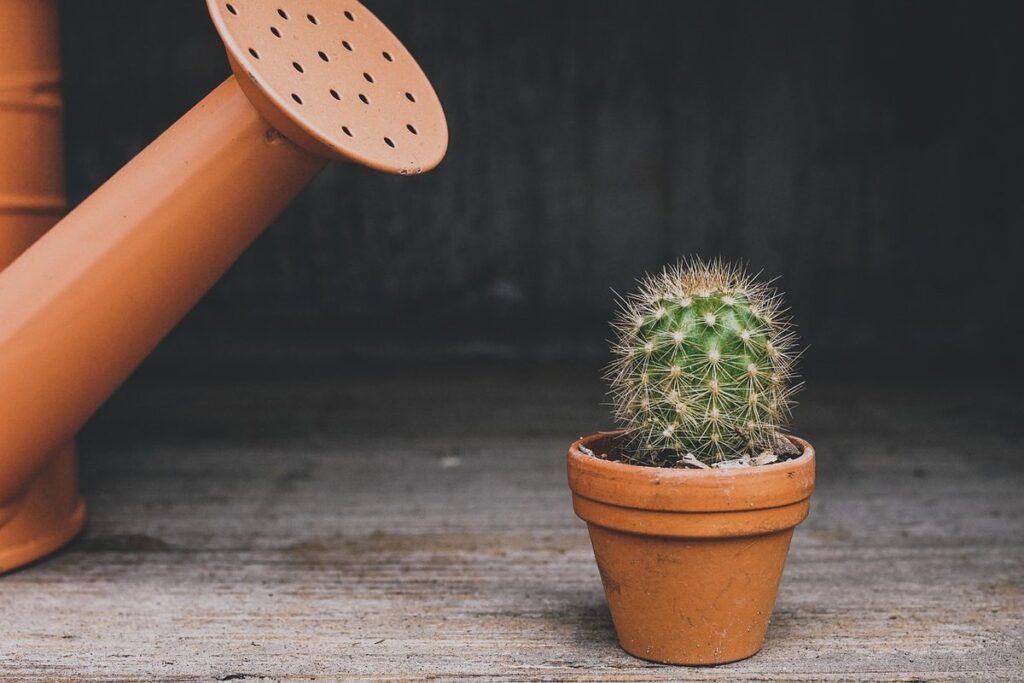
To help you get started, look for plants that have adapted to survive in dry conditions, such as succulents and cacti. These low-maintenance options will thrive on your infrequent watering schedule.
Low-Maintenance Plants for Indoor Spaces
When it comes to low-maintenance plants that can thrive on infrequent watering, you’ll find some fantastic options for indoor spaces. These plants are perfect for busy individuals or those who tend to forget to water their plants (no judgment here!). Let’s take a look at some of the best low-maintenance plants that can tolerate infrequent watering:
Cacti and succulents are among the most popular choices for indoor spaces, and for good reason. They’re incredibly hardy and can survive with minimal watering. In fact, overwatering is often the death knell for these plants. Make sure to water them sparingly, allowing the soil to dry out completely between waterings.
Air plants, also known as tillandsia, are another great option for infrequent watering. They don’t require soil and can thrive in bright, indirect light. Simply mist them with water 1-2 times a month, or submerge them in water for 1-2 hours to give them a good soaking.
If you’re new to low-maintenance plants, consider starting with a small cactus or succulent arrangement. These plants are easy to care for and can add a touch of natural beauty to any room. Remember, the key is to keep things simple and not overwater – your plants will thank you!
Factors to Consider When Selecting a Plant
When selecting plants that can thrive on infrequent watering, it’s essential to consider factors that will affect their performance in your indoor environment. Light exposure is a critical factor to consider, as some plants require direct sunlight while others prefer indirect light. If you have a south-facing window with bright sunlight, choose plants like succulents or cacti that can handle the intense light. On the other hand, if your space receives limited natural light, opt for low-light tolerant plants such as Chinese Evergreen or Pothos.
Another crucial consideration is temperature. Some indoor plants are sensitive to extreme temperatures, so ensure you have a consistent range in your home. For example, tropical plants like Bromeliads and Peace Lilies prefer warmer temperatures above 65°F (18°C), while plants like Snake Plants can tolerate cooler temperatures around 55°F (13°C). Finally, consider the humidity level in your space. If it’s dry, choose plants that are adapted to low humidity environments, such as Spider Plants or Air Plant.
By taking these factors into account, you’ll be able to select plants that will not only survive but thrive on infrequent watering.
Understanding Water Requirements for Indoor Plants
To ensure you’re giving your plants exactly what they need, let’s dive into understanding their specific water requirements and how to assess when it’s time to water.
How to Determine Water Needs
To determine your indoor plant’s water needs, you need to consider several factors that can affect its watering schedule. One key factor is the pot size. Smaller pots dry out faster than larger ones because there’s less soil to absorb and store water. For example, a 4-inch pot requires more frequent watering than an 8-inch one.
Another crucial aspect is the type of soil used in your plant’s pot. Some soils are designed to retain moisture better than others, so if you’re using a well-draining mix, your plant will likely need less water. Conversely, plants in pots with dense, water-holding soils may require more frequent watering.
Environmental conditions also play a significant role in determining your plant’s water needs. Temperature and humidity levels can greatly impact the rate at which your plant absorbs water from its soil. In general, indoor plants grown in cooler temperatures and lower humidity require less water than those exposed to warmer conditions.
Signs of Underwatering vs. Overwatering
When it comes to indoor plants water once a month, it’s essential to identify the signs of underwatering versus overwatering. This can be challenging, but knowing what to look for will help you adjust your watering schedule accordingly.
Underwatered plants often exhibit visible wilting or drooping leaves, which may also appear crispy and dry to the touch. The soil feels extremely dry when touched, and new growth is sparse or nonexistent. On the other hand, overwatered plants show signs of excess moisture, such as soft, mushy stems and roots that are prone to rot. The leaves may turn yellow or develop brown spots due to fungal infections caused by waterlogged conditions.
To determine whether your plant needs more or less water, perform a simple check: stick your finger into the soil up to the knuckle. If it feels dry, it’s time to water; if it’s damp but not soggy, wait another week before checking again. By paying attention to these visual cues, you’ll be able to fine-tune your watering schedule and provide optimal care for your indoor plants.
Some common mistakes people make when watering their indoor plants include ignoring the soil moisture levels or assuming that once-a-month watering applies to all types of plants equally. Each species has unique water requirements, so research what works best for yours.
Preparing for Infrequent Watering
To make infrequent watering a success, you’ll need to prepare your plants for the dry spell ahead by monitoring their soil moisture and adjusting their care routine accordingly. This is where things get really important!
Soil Mixes and Potting Conditions
When it comes to indoor plants that only need watering once a month, proper soil mix and potting conditions play a vital role in their survival. A well-draining potting mix is essential as it prevents waterlogged soil, which can lead to root rot and other problems.
To choose the right potting mix, look for one that contains ingredients like perlite, vermiculite, or sand. These materials help improve drainage and aeration in the soil. Avoid mixes with high peat moss content, as they tend to retain water and can cause more harm than good.
In addition to selecting the right potting mix, repot your plants every 6-12 months to maintain optimal soil health. Over time, the soil’s nutrient levels will decrease, and its ability to drain water efficiently will deteriorate. By repotting your plant into fresh potting mix, you’ll give it a new lease on life and ensure that it continues to thrive under infrequent watering conditions.
By using well-draining potting mixes and repotting plants as needed, you can create an ideal environment for your indoor plants to survive and even flourish with minimal watering.
Monitoring Plant Health During Drought Periods
Monitoring plant health during drought periods is crucial when you’re watering once a month. One way to do this is by tracking water consumption. You can use a moisture meter to measure the soil’s dryness, and also keep an eye on your plants’ behavior. If leaves start to wilt or drop, it may be a sign that the plant needs more water.
Another approach is to observe changes in your plant’s growth rate. Drought-stressed plants might experience reduced growth or even stop producing new leaves altogether. Adjusting care routines as needed can help prevent damage. For example, if you notice your plant’s leaves are browning due to drought stress, you may want to increase the frequency of fertilization to compensate for any nutrient deficiencies.
Keep an eye out for pests like spider mites and mealybugs that thrive in dry conditions. Regularly inspecting your plants can help catch these issues early on.
Common Myths and Misconceptions About Infrequent Watering
One of the biggest challenges to embracing a once-a-month watering schedule is separating fact from fiction, particularly when it comes to the effects on your plants’ health and longevity. Let’s debunk some common misconceptions about infrequent watering.
Debunking the “More Water is Better” Myth
Many of us have been conditioned to believe that more water is always better for our indoor plants. However, this couldn’t be further from the truth. Overwatering is one of the most common mistakes plant enthusiasts make, and it can lead to a host of problems including root rot, yellowing leaves, and even the death of your beloved plant.
The idea that “drought-tolerant” plants need more water to survive is also a myth. In reality, these plants have adapted to conserve water in their natural habitats and will continue to thrive with less frequent watering. In fact, some studies have shown that plants can actually suffer from stress when exposed to too much water.
So, how often should you water your indoor plant? A good rule of thumb is to water your plant once a month during the winter months and every 2-3 weeks during the spring and summer. Check the soil moisture by sticking your finger into the soil up to the first knuckle. If it’s dry, it’s time for watering.
Remember, it’s always better to err on the side of caution and underwater than overwater your plant. With a little practice and observation, you’ll get a feel for when your plant needs water, and you can enjoy healthy, thriving plants year-round.
Real-World Examples of Plants Thriving on Infrequent Watering
One of the most impressive aspects of infrequent watering is its ability to help plants adapt and thrive. Take, for instance, the case of the Prayer Plant (Maranta leuconeura), which can survive with minimal water once it’s established. In a study conducted by a renowned indoor plant expert, participants were able to keep their Prayer Plants happy and healthy with just one monthly watering session. The key to this was ensuring the soil had good drainage and using a potting mix designed for low-water plants.
Another example is the beautiful Snake Plant (Sansevieria Trifasciata), which can go weeks without water and still look stunning. In fact, allowing it to dry out slightly between waterings can actually help prevent root rot. By adopting this strategy, many gardeners have successfully grown thriving Snake Plants with minimal maintenance.
It’s worth noting that both of these plants prefer well-draining soil and indirect sunlight, making them perfect for indoor spaces. To replicate their success in your own home, remember to monitor the moisture levels of your plant’s soil, and only water when necessary.
Tips for Transitioning to an Infrequent Watering Schedule
Now that you’ve successfully transitioned your indoor plants to a once-a-month watering schedule, let’s talk about what happens next: adjusting your routine. We’ll explore essential tips for seamless adaptation.
Gradual Adjustment to Avoid Shock
When adjusting to an infrequent watering schedule, it’s essential to avoid shocking the plant’s roots. Shocking occurs when a plant is suddenly deprived of water, causing its roots to dry out and potentially leading to damage or death.
To prevent this, gradually adjust the watering schedule over time. Start by reducing the frequency of watering by one day every week for the first month. For example, if you normally water your plants every 7 days, reduce it to once every 8-9 days during the transition period. Monitor the plant’s response and adjust as needed.
During this adjustment phase, keep a close eye on the soil moisture levels. Check the top inch of soil for dryness before watering again. If the soil feels slightly moist but not waterlogged, you’re likely adjusting correctly.
Gradual adjustments will give your plants time to adapt to the new watering schedule, ensuring they remain healthy and thriving even when only watered once a month.
Monitoring Plant Response During Transition Periods
When transitioning to an infrequent watering schedule, it’s crucial to monitor your plant’s response closely. During this period, plants may undergo a range of changes as they adjust to the new water regime.
Keep a close eye on your plant’s leaves, stems, and roots for signs of stress or adaptation. Water-stressed plants often develop wilted or yellowing leaves, while those adjusting well might display vibrant green colors. Observe any changes in your plant’s growth pattern, such as stunted or accelerated growth.
Regularly inspect the soil moisture to ensure it’s not too dry or waterlogged. Check for root bound conditions by gently removing the plant from its pot and examining the roots’ appearance. Adjust your care routine accordingly – if you notice signs of stress, increase watering frequency temporarily until the plant stabilizes.
Monitor temperature fluctuations in your home, as these can impact plant adaptation to an infrequent watering schedule. For example, warmer rooms may require more frequent watering during transition periods than cooler ones. Make a note of any changes and adjust your care routine accordingly to ensure a smooth transition for your indoor plants.
Frequently Asked Questions
Can I use this method for outdoor plants as well?
No, infrequent watering is particularly beneficial for indoor plants due to their controlled environment. Outdoor plants require more frequent watering, taking into account weather conditions and soil moisture levels.
How long does it take for my plants to adjust to the new watering schedule?
The adjustment period typically ranges from 2-6 weeks, depending on the plant’s species and adaptability. Be patient and monitor your plants’ response during this time.
What happens if I accidentally overwater my plant despite following a monthly watering schedule?
If you notice signs of overwatering (yellow leaves, droopy stems), reduce water intake immediately or repot with fresh soil to prevent further damage.
Can I use any type of potting mix for infrequent watering plants?
While some general-purpose mixes can work, consider using well-draining mixes specifically designed for low-water plants. This will help prevent root rot and ensure your plant’s health.
How do I know if my plant needs more water than the once-a-month schedule suggests?
Monitor your plant’s leaves and stems; if they appear parched or wilted, it may be a sign that the plant requires additional water between scheduled waterings. Adjust accordingly based on the plant’s unique needs.