
As an indoor plant enthusiast, you’re likely no stranger to the joy of nurturing beautiful greenery in your home. But with great care comes great responsibility – like dealing with pesky pests that can quickly turn a thriving plant into a struggling one! Indoor plant pests are a common problem many gardeners face, and if left unchecked, they can cause irreparable damage to your beloved plants.
Fortunately, there’s hope for the best part of your indoor gardening experience. In this article, we’ll delve into the world of organic pest control methods that will save you from using harsh chemicals in your home. We’ll explore the effective use of neem oil applications and insecticidal soap solutions to treat common pests like spider mites, mealybugs, and aphids. And, we’ll also share prevention strategies to keep your plants pest-free for good!
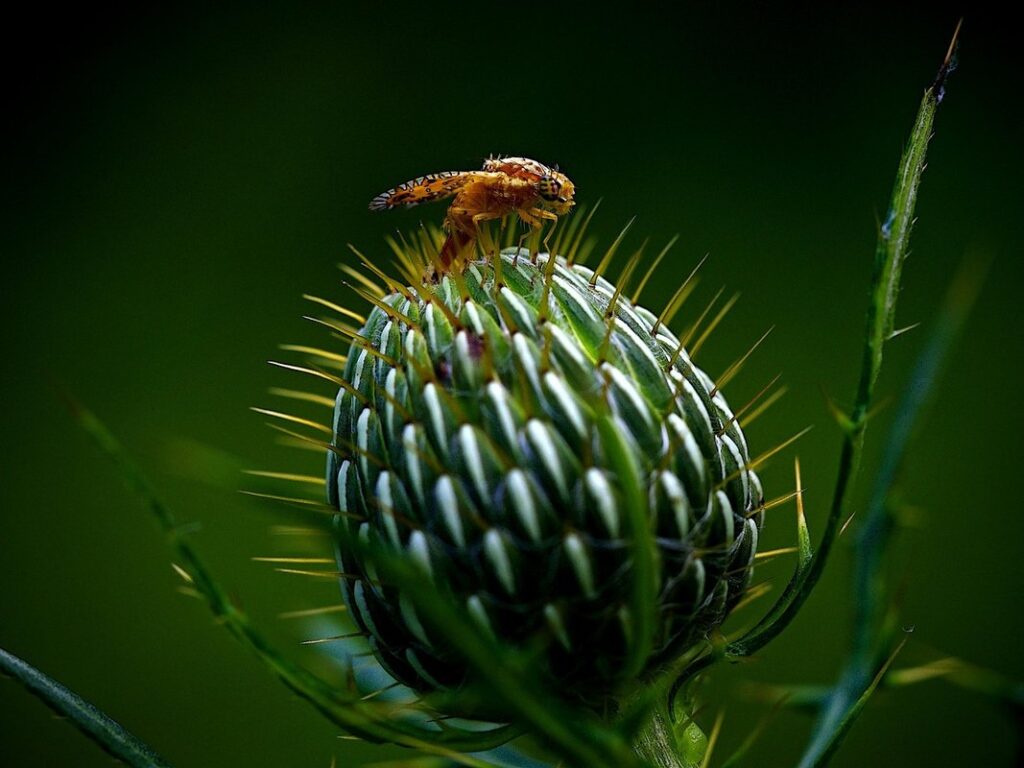
Common Indoor Plant Pests
Some of the most frustrating pests you’ll encounter when caring for your indoor plants are spider mites, mealybugs, and scale insects. Let’s take a closer look at how to identify these common culprits.
Identifying Pests by Appearance
When it comes to identifying indoor plant pests by appearance, there are several common culprits to look out for. One of the most recognizable is the spider mite. These tiny arachnids have a distinctive orange or yellow color and appear as fine threads on the leaves and stems of your plants.
Mealybugs are another pest that can be easily identified by their appearance. They have a white, cottony coating on their bodies and often appear in large numbers on the undersides of leaves. To confirm, gently rub the affected area with a soft brush to see if the “cotton” comes off.
Scale insects, as their name suggests, have a hard, protective scale covering their bodies. They can be grayish-brown or white in color and often appear as small, immobile dots on the leaves and stems of your plants.
Aphids are another common pest that can be identified by their pear-shaped bodies and long legs. They can range in color from green to yellow to black, and often appear in clusters on the undersides of leaves or along the stems of your plants.
When examining your plants for these pests, look for signs such as white powder, sticky honeydew droplets, or actual insects themselves. Regularly inspecting your plants will help you catch any infestations early, before they become a serious problem.
Signs of Pest Infestation
Identifying the signs of pest infestation on indoor plants can be crucial in preventing further damage and taking prompt action. One of the most common indicators is discolored leaves, which may appear yellowish, brown, or develop black spots. Distorted growth patterns are another red flag, as pests like spider mites, mealybugs, and scale insects feed on plant sap, causing stunted or misshapen leaves.
A sticky substance on the leaves, often referred to as “honeydew,” is a telltale sign of aphid infestation. These small, soft-bodied insects secrete this sweet-tasting liquid as they feed on plant sap. White powdery patches can be indicative of mealybug or powdery mildew infestations. Upon closer inspection, you may also notice eggs, eggshells, or actual pests on the undersides of leaves or stems.
If you suspect a pest infestation, inspect your plants carefully and take note of any unusual growth patterns, sticky substance, or white patches. Keeping a watchful eye for these signs will help you catch infestations early, reducing the need for more aggressive treatments down the line.
Understanding the Causes of Indoor Plant Pests
To effectively treat indoor plant pests, it’s crucial to understand what causes them in the first place, and that starts with identifying the most common culprits behind these infestations. Let’s take a closer look at these pesky pests’ root causes.
Poor Plant Care Habits
When it comes to attracting indoor plant pests, poor plant care habits are often a major contributor. One of the most common mistakes is overwatering, which can create an ideal environment for pests like mealybugs and spider mites to thrive. These pests feed on the sap of your plants, weakening them and making them more susceptible to other infestations.
On the other hand, underwatering can also lead to pest problems. When plants are stressed from lack of water, they may become more vulnerable to attacks from pests like aphids and whiteflies.
So, how can you prevent these pest-related issues? Start by checking your watering schedule regularly. Make sure not to overwater or underwater your plants. Instead, opt for a consistent watering routine that meets the specific needs of each plant species. Also, ensure good air circulation around your plants to prevent moisture buildup and reduce the risk of fungal diseases.
To improve your plant care habits, try these tips:
* Water your plants in the morning, so the soil has time to dry slightly before nightfall
* Check the soil moisture by sticking your finger into the soil up to the first knuckle
* Avoid getting water on the leaves to prevent fungal diseases
Environmental Factors
Environmental factors play a significant role in contributing to indoor plant pest problems. One of the primary environmental contributors is humidity. Plants thrive in humid environments between 40-60% relative humidity. However, when this range is exceeded or falls short, it creates an ideal breeding ground for pests like spider mites, mealybugs, and scale insects.
Temperature also significantly affects plant health and pest susceptibility. Most houseplants prefer daytime temperatures between 65°F to 75°F (18°C to 24°C) and nighttime temperatures around 55°F to 65°F (13°C to 18°C). Pests tend to thrive in warmer temperatures, often leading to infestations.
Air circulation is another crucial factor. While it’s essential for plant growth, poor air circulation can lead to stagnation of water vapor near the leaves’ surface, creating an environment conducive to fungal and bacterial diseases that pests can exploit. To mitigate these issues, ensure proper ventilation in your indoor spaces, use fans to circulate air, and maintain optimal humidity levels using a humidifier or dehumidifier.
Maintaining a balanced and stable indoor environment is crucial for preventing pest infestations. Regularly check and adjust the temperature, humidity, and air circulation around your plants to prevent creating an ideal breeding ground for pests.
Organic Treatment Methods
For those looking for a more eco-friendly approach, organic treatment methods offer a great alternative to chemical pesticides, and we’ll be exploring some effective options in this section.
Neem Oil Applications
Neem oil is an effective and organic treatment method for various types of indoor plant pests. One of its key benefits is that it can be used to control a wide range of pests, including aphids, whiteflies, mealybugs, spider mites, and scale insects. To use neem oil, mix 2-3 tablespoons with 1 quart (960 ml) of water in a spray bottle. Add a few drops of mild dish soap to help the neem oil emulsify with the water.
When applying neem oil, make sure to cover the entire plant, including undersides of leaves and stems. Spray it thoroughly, but avoid getting the oil on any desirable plants nearby, as it can harm them. Repeat application every 7-10 days until pests are gone. You can also mix neem oil with other natural ingredients like garlic or hot pepper sauce for added potency.
Some essential tips to keep in mind: always read and follow the label instructions, use protective gear when handling neem oil (gloves, goggles), and avoid applying it during scorching heat or direct sunlight. With its potent yet gentle properties, neem oil is an excellent addition to your indoor plant pest control arsenal.
Insecticidal Soap Solutions
Insecticidal soap solutions are a popular organic treatment option for indoor plant pests. These gentle yet effective products work by suffocating soft-bodied insects like mealybugs, spider mites, and scale insects. To prepare an insecticidal soap solution, mix 2-3 tablespoons of mild dish soap with 1 quart of water in a spray bottle.
It’s essential to use a mild dish soap that is free of harsh chemicals and dyes, as these can damage your plants’ leaves or harm beneficial microorganisms. When applying the solution, make sure to thoroughly wet all surfaces of the plant, including the undersides of leaves and stems. Repeat applications may be necessary for severe infestations.
Some benefits of using insecticidal soap solutions include their ability to break down and dissolve insect eggs and nymphs, as well as their non-toxic nature that makes them safe for use around pets and children. However, it’s crucial to avoid over-spraying or frequent applications, as this can damage your plants’ leaves and roots.
To maximize the effectiveness of your homemade soap solution, consider adding a few drops of neem oil or tea tree oil to enhance its insecticidal properties. Always test a small area of the plant before applying the solution to ensure you’re not causing any harm to your beloved indoor plants.
Chemical Treatment Methods
When it comes to ridding your indoor plants of pests, chemical treatment methods can be a fast and effective solution. Let’s take a closer look at some common treatments used in this approach.
Systemic Insecticides
Systemic insecticides are absorbed by the plant through its roots or leaves and distributed throughout its tissues. This allows them to target pests that feed on the plant’s sap, such as aphids, whiteflies, and spider mites.
One of the key benefits of systemic insecticides is their effectiveness against pests that are difficult to control with contact treatments. For example, if you’re dealing with a severe aphid infestation, a systemic insecticide can help prevent the aphids from multiplying and reduce the risk of secondary pest outbreaks.
When using systemic insecticides, it’s essential to follow the product label instructions carefully. This may involve mixing the insecticide with water according to specific ratios or applying it at a certain time of day when pests are most active. Some popular systemic insecticides for indoor plants include neonicotinoids and pyrethroids.
To maximize their effectiveness, make sure to spray the underside of leaves and stems where pests tend to congregate. This will help ensure that the insecticide comes into contact with as many pests as possible. Regular monitoring and inspections can also help you identify when systemic insecticides are needed, reducing the risk of overuse or underuse.
Contact Insecticides
Contact insecticides are a popular choice for indoor plant pest control because of their ability to kill pests on contact. These types of insecticides work by using active ingredients that can penetrate the insect’s exoskeleton, ultimately leading to death.
Some common active ingredients found in contact insecticides include permethrin, pyrethrum, and neem oil. Permethrin is a synthetic version of natural pyrethrins derived from chrysanthemum flowers. It’s highly effective against a wide range of pests, including aphids, whiteflies, and spider mites. Pyrethrum, on the other hand, is a natural insecticide that’s often used in combination with permethrin to enhance its effectiveness.
When using contact insecticides, it’s essential to follow the label instructions carefully. This includes wearing protective gear such as gloves and a mask, as well as ensuring good ventilation in the area where you’re applying the product. Neem oil is a gentle alternative that can be used on indoor plants, but it may require repeated applications for best results.
If you’re considering using contact insecticides, make sure to choose a product that’s specifically labeled for use on indoor plants and follow all safety precautions carefully.
Prevention and Maintenance
To keep those pesky pests at bay, it’s essential to understand how to prevent infestations from happening in the first place. This section covers practical tips for maintaining healthy plants.
Quarantine New Plants
When bringing new plants into your indoor plant collection, it’s essential to take a few precautions to prevent pest transfer. One crucial step is to quarantine new plants for a few weeks before introducing them to the rest of your collection. This simple yet effective measure can save you from the frustration and hassle of dealing with pest infestations.
During this quarantine period, monitor your new plant closely for any signs of pests, such as white powdery residue on leaves or stems, sticky honeydew droplets, or actual insects like spider mites, mealybugs, or scale. Inspect the plant’s soil and roots as well, as pests can often be hiding in these areas.
If you do find any pests on your new plant during quarantine, isolate it further and treat it immediately to prevent the pest from spreading to other plants. This may involve using insecticidal soap, neem oil, or systemic pesticides, depending on the type of pest.
Quarantining new plants allows you to identify potential problems early on and take action before they become a bigger issue. It’s a simple habit to get into and can save you a lot of stress and trouble in the long run.
Regular Inspections
Regular inspections are crucial when it comes to catching pest infestations early on. When you notice pests right away, it’s much easier to treat them before the problem escalates. Take a closer look at your plants regularly, ideally once a week, and check for any signs of pests such as white powdery residue, sticky substance, or actual insects.
Some areas to focus on during inspections include undersides of leaves, stems, and soil around the plant’s base. Also, be sure to inspect nearby plants as well, since pests can easily spread from one to another. If you notice any signs of infestation, act quickly – isolate the affected plant to prevent further contamination, and research treatment options.
Remember, prevention is key when it comes to managing indoor plant pests. Regular inspections allow you to catch issues before they become severe. By staying on top of this habit, you’ll be able to maintain healthy plants for years to come.
Case Studies and Success Stories
Let’s take a look at real-life scenarios where indoor plant pests were successfully treated, from fungal diseases to infestations. You’ll learn how these situations were resolved.
Real-Life Examples of Pest Control
Let’s take a look at some real-life examples of successful pest control methods. For instance, Sarah, an avid indoor gardener, had a severe infestation of spider mites on her prized succulents. She tried treating them with neem oil and soap solution, but the pests persisted. It wasn’t until she introduced beneficial insects like ladybugs and lacewings that the population began to dwindle.
On the other hand, Emily’s apartment was overrun with mealybugs on her peace lilies. She opted for a systemic insecticide, which provided short-term results. However, this method had long-term consequences, such as stunted plant growth and potential harm to pets. A more effective approach would have been to use a combination of physical barriers (like fine mesh screens) and targeted treatments with diatomaceous earth.
In both cases, it’s essential to identify the pest correctly before selecting an appropriate treatment. For example, if you’re dealing with scale insects, a gentle horticultural oil could be just what you need. But for caterpillars or beetles, more aggressive measures might be required. By understanding your specific indoor plant pests and choosing the right method, you’ll be well on your way to a pest-free indoor garden.
Tips for Large-Scale Indoor Plant Collections
As an indoor plant collector with a large collection, you’re likely aware of the challenges that come with maintaining a sprawling array of plants. With more plants comes increased potential for pest infestations, which can be catastrophic if left unchecked. To manage this risk effectively, consider implementing these strategies tailored specifically to your situation.
Start by categorizing and grouping your plants according to their susceptibility to pests. This will enable you to target high-risk areas with focused treatment methods. For instance, you may have a dedicated area for more sensitive plants that require regular inspections and swift action if infestations occur.
Another crucial step is to adopt integrated pest management (IPM) practices, which involve combining physical barriers, biological controls, and chemical treatments as needed. Regularly inspect your plants, monitoring for signs of pests such as eggs, larvae, or actual insects themselves.
To further minimize the risk of pest infestation, maintain a clean environment by promptly disposing of dead plant matter and debris. Ensure that all new acquisitions are thoroughly inspected before introducing them to your existing collection.
Frequently Asked Questions
Can I use neem oil on sensitive plants?
Neem oil can be used on most indoor plants, but it’s essential to start with a small test area to ensure your plant doesn’t have any adverse reactions. Start by mixing 2-3% neem oil with water and apply it to a single leaf. Monitor your plant for any signs of stress or discoloration before applying the solution to the entire plant.
How often should I inspect my plants for pests?
Regular inspections are crucial in preventing pest infestations. Set aside time each week to visually inspect your plants, looking for signs of pests like eggs, white powdery coatings, or actual insects on the leaves and stems. Use this opportunity to also check for environmental factors that might be contributing to pest issues.
Can I use a single treatment method for all types of indoor plant pests?
No, different pests require targeted treatments. For example, spider mites are best treated with neem oil applications, while mealybugs respond well to insecticidal soap solutions. Understanding the specific pest you’re dealing with will help you choose the most effective treatment method.
What’s the best way to prevent re-infestation after treating my plants?
Prevention is key in maintaining a healthy indoor plant collection. After treating your plants for pests, make sure to quarantine new plants before introducing them to your existing collection. Regularly inspect your plants and address any environmental factors that might be contributing to pest issues.
Can I use chemical treatment methods if I’ve already tried organic options?
In severe cases where pests have caused extensive damage, chemical treatment methods may be necessary. However, it’s essential to exhaust all organic options first, as chemicals can harm beneficial insects and contribute to further environmental problems. Consider consulting a professional or taking advice from an experienced indoor gardener before resorting to chemical treatments.