
Getting started with indoor gardening can be an exciting yet overwhelming experience, especially if you’re new to growing plants. Many people are turning to indoor gardening as a way to bring some greenery into their homes and improve their mental and physical well-being. But where do you start? Choosing the right low-maintenance plants is key to success, and with so many options available, it can be hard to know which ones to pick. In this article, we’ll cover the essentials of indoor gardening for beginners, from selecting the perfect plants to optimizing lighting and troubleshooting common issues. We’ll also share some expert tips on how to keep your plants thriving even in the most challenging conditions. Whether you’re a seasoned gardener or just starting out, our comprehensive guide will have you growing like a pro in no time.
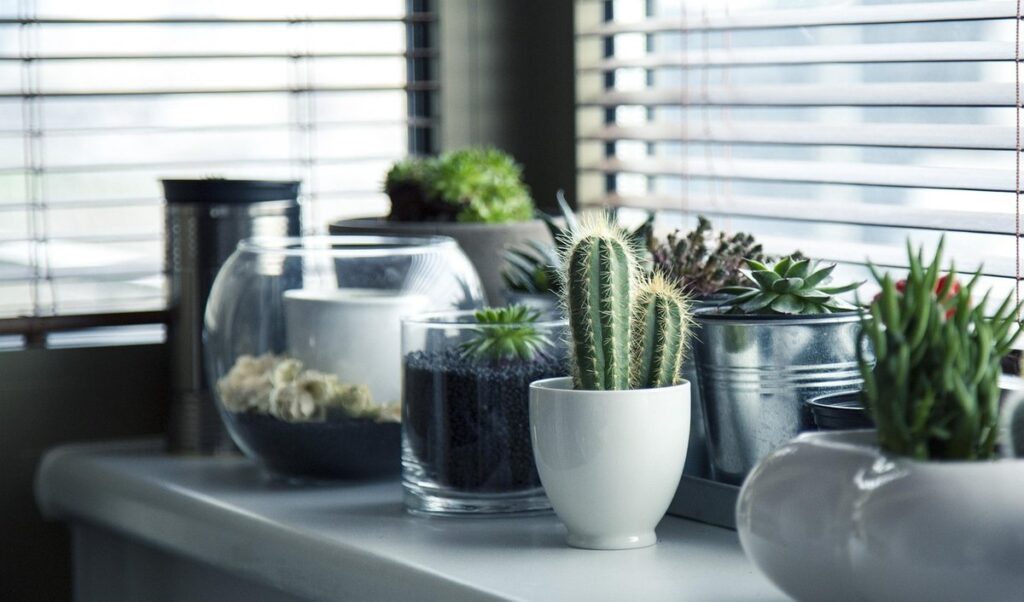
Choosing the Right Plants for Your Space
When selecting plants for your indoor space, it’s essential to consider factors such as lighting, temperature, and maintenance needs to ensure a thriving environment.
Selecting Low-Maintenance Plants
As an indoor gardening beginner, you’re likely eager to bring some greenery into your space without breaking a sweat. That’s where low-maintenance plants come in – perfect for busy people or those new to plant parenthood.
Low-maintenance plants offer numerous benefits, including reduced watering needs, lower risk of overwatering, and longer vase life (for cut flowers). Succulents and air plants are excellent choices for indoor gardening, as they’re incredibly hardy and can thrive in low-light conditions. For example, the popular aloe vera plant requires only occasional watering and can tolerate temperatures between 55-80°F.
When selecting low-maintenance plants, consider factors such as lighting, temperature, and humidity levels in your space. Most houseplants prefer bright, indirect light or partial shade. Keep in mind that some plants, like cacti, may require more direct sunlight to photosynthesize properly. By choosing the right plant for your indoor environment, you’ll enjoy a stress-free gardening experience and beautiful, healthy foliage. Research specific care requirements for each plant variety to ensure you provide the best conditions for them to thrive.
Considering Lighting Requirements
Lighting is one of the most critical factors to consider when choosing plants for your indoor space. Plants have specific light requirements, and providing the right amount of light will ensure their health and well-being. Insufficient light can lead to weak growth, discolored leaves, and reduced flowering.
To determine the lighting needs of your plants, observe the area where you plan to place them during different times of day. If it’s a spot with direct sunlight for most of the day, it’s considered bright light. North-facing windows receive soft, indirect light, while south-facing windows get intense, direct light. East- and west-facing windows fall somewhere in between.
When selecting plants, consider their specific lighting requirements. Low-light plants like Chinese Evergreen and Pothos thrive in areas with minimal natural light. Bright-light plants such as Succulents and Cacti love basking in direct sunlight. For spaces with moderate light, choose versatile plants like Spider Plants or Peperomia.
Keep in mind that even if a plant can tolerate low light, it will still benefit from some indirect light. Experiment with different lighting scenarios to find the perfect spot for your plants.
Understanding Indoor Gardening Basics
Getting started with indoor gardening can be overwhelming, so let’s break down the fundamentals and cover the essential basics to get you growing. We’ll explore the key principles of starting a thriving indoor garden.
Soil Selection: The Foundation of Healthy Plants
Soil selection is often an afterthought for indoor gardeners, but it’s actually the foundation of healthy plants. Good soil provides essential nutrients, structure, and water-holding capacity that support plant growth and development.
There are several types of potting soil to choose from, each with its own strengths and weaknesses. Organic potting mixes are a popular choice because they’re free of synthetic additives and promote healthy microbial activity. Peat-based soils, on the other hand, retain moisture well but can be acidic. Coconut coir is another option that’s sustainable and has excellent water-holding capacity.
If you prefer to mix your own soil, start by combining 2-3 parts compost or worm castings with one part perlite or vermiculite. This blend will provide a balanced pH and improved drainage. A general rule of thumb is to avoid using garden soil from outdoors, as it can compact in containers and prevent proper drainage.
To ensure good soil quality, test your mix periodically for pH levels and nutrient content. You can also add supplements like fertilizer or lime to adjust the soil’s chemistry. By investing time and effort into selecting the right potting soil, you’ll set yourself up for success with healthy, thriving plants that bring joy to your indoor space.
Watering Techniques: Avoiding Overwatering
As an indoor gardener, it’s easy to get caught up in the excitement of nurturing your plants and forget about one of the most critical aspects of their care: watering. Overwatering is a common mistake that can be detrimental to your plants’ health, leading to root rot, yellowing leaves, and even plant death.
So, how do you avoid overwatering? The key is to develop a routine that works for you and your plants. Start by checking the soil moisture regularly using your finger or a moisture meter. Water only when the top inch of soil feels dry to the touch. Be mindful of the pot’s size and material – smaller pots tend to dry out faster, while terracotta pots absorb more water.
To monitor water levels, use a watering schedule as a guide. Water your plants on the same day each week, taking into account factors like temperature, humidity, and light exposure. Keep an eye out for signs of overwatering, such as droopy leaves or water pooling around the base of the plant. By being attentive to these details, you’ll be well on your way to developing a watering routine that keeps your plants thriving.
Setting Up Your Indoor Garden
To start growing your indoor garden, you’ll first need to set up a space that’s perfect for your plants, including choosing the right location and selecting suitable containers. Let’s get started!
Container Options: Choosing the Right Size and Material
When it comes to choosing containers for your indoor garden, selecting the right size and material is crucial. As a beginner, you may be overwhelmed by the numerous options available. To help you make an informed decision, let’s consider the key factors: material, size, and drainage.
In terms of material, ceramic pots are a popular choice due to their durability and aesthetic appeal. However, they can be heavy and prone to cracking if dropped. Plastic containers, on the other hand, are lightweight and affordable but may not provide the same level of insulation as ceramic or terracotta options. Consider your personal preference and the specific needs of your plants when selecting a material.
When it comes to size, choose a container that is proportional to the mature size of your plant. A general rule of thumb is to select a pot that is 1-2 sizes larger than the plant’s current container. This will give the roots room to grow and prevent waterlogged soil.
Drainage is another critical factor to consider. Make sure your containers have built-in drainage holes or add some by drilling them yourself. This will prevent water from accumulating in the soil, which can lead to root rot and other issues.
When selecting a container, think about its overall size, material, and drainage capabilities. With these factors in mind, you’ll be well-equipped to create a thriving indoor garden that meets your plant’s needs.
DIY Planters and Macramé Hangers
As you start setting up your indoor garden, why not get creative with your planters and hangers? Not only will you be reducing waste and promoting sustainability, but you’ll also add a personal touch to your space. Repurposing materials is easier than you think – think old boots, wooden crates, or even plastic bottles. Clean them up, add some paint or decoupage, and voilà! You’ve got unique planters that will make your plants stand out.
If you’re feeling crafty, try making your own macramé hangers using cotton rope or twine. It’s a simple yet elegant way to display your plants without taking up too much space. To get started, you’ll need some basic knots and a bit of patience – but trust us, the end result is worth it.
One great example is using old mason jars as planters for herbs or succulents. Not only are they adorable, but they’re also inexpensive and reusable. You can even add a decorative touch by wrapping the jar with twine or paint. The possibilities are endless when you think outside the box (or planter).
Managing Pests and Diseases
Pests and diseases can be a major challenge for indoor gardeners, but don’t worry, we’ve got some practical tips to help you keep your plants healthy and thriving. We’ll cover common issues and how to prevent them from getting the best out of your indoor garden.
Common Indoor Pests: Identifying and Eliminating Them
When it comes to indoor gardening, pests can be a major problem. As a beginner, it’s essential to know what common indoor pests to look out for and how to get rid of them.
Some of the most common indoor plant pests include spider mites, mealybugs, and aphids. Spider mites are tiny, spider-like creatures that feed on plant sap, causing yellowing or bronzing of leaves. Mealybugs, on the other hand, look like small, white cottony patches on the stems and leaves. Aphids are small, soft-bodied insects that feed on plant sap, causing curled or distorted leaves.
To identify an infestation, check your plants regularly for signs of pests. Look for webbing, eggs, or actual insects on the leaves, stems, or soil. If you notice any of these signs, act quickly to treat the problem. To get rid of pests, use insecticidal soap or neem oil according to the product’s instructions. You can also try introducing beneficial insects, such as ladybugs or lacewings, which prey on common indoor pests.
Prevention is key when it comes to avoiding pest infestations. Keep your plants in well-ventilated areas and maintain good air circulation around them. Avoid overwatering, which can attract pests like aphids and mealybugs. Regularly clean the leaves with a soft brush or cloth to remove dust and debris that can harbor pests.
Preventing Disease: Understanding Causes and Solutions
As you tend to your indoor garden, it’s essential to be aware of potential plant diseases and take preventive measures. Plant disease development is often linked to environmental factors such as temperature fluctuations, high humidity, and poor air circulation. For example, fungal growth thrives in humid environments, which can be common in indoor spaces.
Watch for symptoms like yellowing leaves, black spots, or powdery white coatings on foliage. These signs may indicate the presence of root rot, leaf spot disease, or powdery mildew. To prevent these issues, ensure good air circulation by keeping plants at least 6-8 inches apart and using a fan to circulate air.
For treatment, consider organic options like neem oil, cinnamon powder, or bicarbonate-based sprays. These can help control fungal growth without exposing your plants to harsh chemicals. For instance, mix 1 tablespoon of neem oil with 1 quart of water as a spray for treating powdery mildew on susceptible plants like peace lilies.
Maintain healthy plants by repotting them regularly and using sterile potting mixes to prevent root rot. By being proactive and monitoring your plants’ health, you can enjoy a thriving and disease-free indoor garden.
Propagation Methods and Plant Spacing
When it comes to growing your indoor garden, understanding how to propagate plants and space them correctly is crucial for their health and success. Let’s dive into these essential techniques together.
Water Rooting and Leaf Propagation
Water rooting and leaf propagation are two popular methods of plant reproduction that can be done with minimal equipment and expertise. Water rooting involves placing a stem cutting into a glass of water, where it will develop roots over time. This method is ideal for plants like African Violets, Begonias, and Philodendrons.
To try water rooting at home, start by selecting a healthy stem cutting from your plant with at least two nodes (the points where leaves meet the stem). Remove lower leaves, leaving only the top pair, to prevent decay. Place the cutting in a glass of room-temperature water, making sure the node is submerged. Change the water every few days to prevent bacterial growth.
Leaf propagation is another easy method that’s perfect for plants like succulents and cacti. Simply twist or cut off a healthy leaf from the mother plant, allowing it to dry for a day or two to form a callus over the wound. Then, plant it in well-draining soil, watering sparingly until roots develop.
Some popular plants that thrive with water rooting include Pothos and Dracaena, while Spider Plant and Peperomia are great examples of leaf propagation successes.
Plant Spacing: Maximizing Your Indoor Garden’s Potential
When it comes to creating an indoor garden, plant spacing is often overlooked but plays a crucial role in maximizing your plants’ potential. As you choose the perfect spots for each plant, consider their mature size, shape, and growing habits.
For example, if you have compact or trailing plants like Pothos or Creeping Jenny, they can thrive with closer spacing – about 6-12 inches apart. In contrast, larger plants such as peace lilies or snake plants prefer more space to spread out, typically around 1-2 feet between each plant.
When planning your indoor garden layout, think about the mature size of each plant and how it will grow over time. This way, you can avoid overcrowding and ensure healthy growth for all your plants. A good rule of thumb is to leave at least a few inches of space between smaller plants to prevent competition for light and nutrients.
By considering these factors and choosing the right spacing for each plant, you’ll be well on your way to creating a thriving indoor garden that brings you joy and fresh air for months to come.
Troubleshooting Common Issues
Don’t worry if things don’t go as planned – we’ll walk you through how to identify and fix common problems that can pop up in your indoor garden. Let’s get started on troubleshooting!
Dealing with Brown or Yellowing Leaves
One of the most common issues indoor gardeners face is brown or yellowing leaves. This can be caused by a variety of factors, including overwatering, underwatering, too much direct sunlight, or inadequate air circulation.
When you notice that your plant’s leaves are turning brown or yellow, check the soil moisture first. If it’s dry to the touch, increase the frequency of watering. Conversely, if the soil feels waterlogged, allow the pot to drain thoroughly and reduce watering for a while.
It’s also essential to provide enough light and air circulation for your plants. Placing them near an east- or west-facing window is ideal, as these areas receive gentle sunlight throughout the day. However, avoid direct sunlight, which can cause leaves to become scorched.
Another factor that may contribute to leaf discoloration is fertilizer buildup. If you’re using a liquid fertilizer, try switching to a water-soluble formula or repotting your plant with fresh soil to prevent nutrient overabundance.
Monitor your plants closely and make adjustments accordingly. Keep in mind that some leaves naturally turn yellow as they age and fall off, so it’s not always a cause for concern. However, if the problem persists, inspect the roots and take action if necessary to ensure your plants receive the right balance of water, light, and nutrients.
Fungal Growth and Other Pests: Prevention and Treatment Strategies
When it comes to indoor gardening, one of the most common issues beginners face is fungal growth and other pests. To prevent these unwanted visitors from taking over your plants, make sure to maintain good air circulation by keeping a gap of at least 6-8 inches between each plant. This will also promote healthy root development.
Regular watering schedules can lead to excess moisture, creating an ideal environment for fungi to thrive. Overwatering can cause roots to rot, making your plants more susceptible to fungal diseases like root rot and leaf spot. To combat this, stick to a well-draining potting mix and water only when the top inch of soil feels dry.
If you do encounter pests or fungal growth, act quickly to prevent further damage. Treat fungal infections with a fungicide specifically designed for indoor plants. Isolate infected plants to prevent cross-contamination and remove any affected leaves or stems. Regularly inspect your plants for signs of pests like spider mites, mealybugs, and scale, and treat them promptly if you spot any.
For long-term pest prevention, use neem oil or insecticidal soap as a natural deterrent against pests. You can also introduce beneficial insects like ladybugs or lacewings to your indoor garden, which feed on pests and help maintain balance in the ecosystem.
Frequently Asked Questions
How do I know if my indoor plants need more or less light?
Consider the plant’s natural habitat, lighting requirements mentioned on the label, and observe its behavior. If it seems to be stretching towards a brighter area or developing weak spots, it may need more light.
Can I propagate new plants from just one leaf or cutting?
Yes, many low-maintenance plants like succulents, air plants, and some flowering varieties can be propagated from single leaves or cuttings. However, research specific propagation methods for your plant species to ensure success.
What are the signs of overwatering in indoor plants?
Watch for yellowing leaves, soft stems, water pooling around the base, and a general decline in plant health. Regularly check soil moisture by sticking your finger into the soil up to the first knuckle; if it’s wet or damp, wait a day before watering.
How do I choose between a self-watering pot and a regular one?
Consider the specific needs of your plants, climate, and personal preferences. Self-watering pots are ideal for busy people or those with irregular watering schedules, while regular pots require more frequent attention but offer better control over watering.
Can I use tap water to water my indoor plants, or should I opt for rainwater or filtered water?
No, using only tap water may cause mineral buildup in the soil and harm your plants. To minimize risks, mix one part tap water with one part distilled or rainwater for a balanced solution, or invest in a water filter specifically designed for indoor gardening.