
As an avid home gardener or commercial producer, you know how crucial accurate seed measurements can be. But when working with indie chard seeds, visual inspections often aren’t enough to get a precise count. That’s where calculating seeds per gram comes in – a game-changer for growers looking to optimize their production and yields. In this article, we’ll delve into the world of indie chard seeds and explore how to accurately measure them by the gram. You’ll learn essential quality control measures and discover real-world applications in both commercial production and home gardening settings. By the end of it, you’ll be equipped with the knowledge needed to take your indie chard seed game to the next level – and boost those yields!
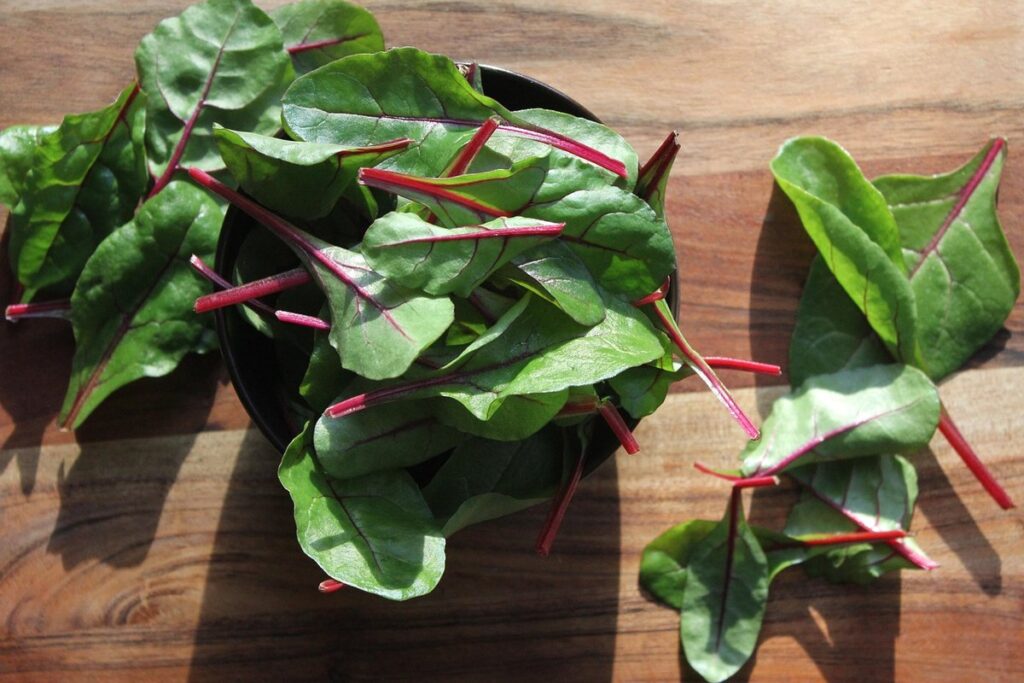
Understanding Indie Chard Seeds and Their Significance
When it comes to indie chard seeds per gram, understanding their significance is crucial for making informed decisions as a gardener. This section will break down what you need to know about these seeds and why they matter.
What are Indie Chard Seeds?
Indie chard seeds have been gaining traction among gardeners due to their unique characteristics and benefits. These seeds are essentially a type of chard seed that is grown without the use of commercial fertilizers, pesticides, or other artificial aids. They are often described as “heirloom” or “open-pollinated,” which means they can be saved and replanted from year to year.
Indie chard seeds have their roots in traditional farming practices, where gardeners would save seeds from their own crops to plant the following season. However, with the rise of large-scale industrial farming, this practice has largely been forgotten. Today, indie chard seeds are being rediscovered by a new generation of gardeners who value sustainability and self-sufficiency.
These seeds offer several advantages over commercial varieties. For one, they tend to be more resilient and adaptable to different growing conditions. Additionally, they often retain the unique characteristics of their parent plants, such as flavor and texture. As a result, indie chard seeds are becoming increasingly popular among gardeners who want to grow high-quality crops without compromising on principles.
Benefits of Growing with Indie Chard Seeds
Growing with indie chard seeds offers numerous benefits that make them an attractive choice for gardeners. One of the most significant advantages is their cost-effectiveness. Indie chard seeds are often cheaper than commercial varieties, making them a budget-friendly option for those on a tight gardening budget.
Another benefit is their high germination rates. Indie chard seeds tend to have higher success rates when it comes to sprouting, ensuring that you get more plants out of your packet. This can be especially appealing if you’re new to gardening or want to experiment with different varieties without breaking the bank.
What’s more, indie chard seeds often boast unique and heirloom varieties that can add diversity to your garden. These unusual strains may not be available through commercial channels, making them a great option for those looking to try something new. With their affordable price tag, high germination rates, and exclusive variety selection, it’s no wonder why many gardeners are turning to indie chard seeds as their go-to choice.
To make the most of your indie chard seed purchase, be sure to follow proper storage and handling techniques to ensure optimal germination rates.
Factors Affecting Seed Quality: What to Look for in Your Pack
When selecting high-quality indie chard seeds, understanding what affects their quality is crucial. Let’s break down the key factors that will help you choose a reliable pack.
Visual Inspection: Identifying High-Quality Seeds
When inspecting indie chard seeds, it’s essential to examine them visually to ensure you’re getting high-quality seeds. Start by looking at the size of the seeds. High-quality seeds should be relatively uniform in size and not too small or too large. A good rule of thumb is to look for seeds that are around 1-2 mm in diameter.
Next, examine the shape of the seeds. Indie chard seeds can come in various shapes, but they should generally be rounded or slightly elliptical. Avoid seeds that are irregularly shaped or have visible cracks. Also, pay attention to the color of the seeds. While some indie chard varieties may have a distinctive color pattern, high-quality seeds should generally be dark green or brown with no visible mold or discoloration.
Finally, examine the texture of the seeds. High-quality seeds should be smooth and glossy, not dull or chalky. Avoid seeds that feel brittle or fragile to the touch. By examining these characteristics, you can get a good idea of the overall quality of your indie chard seeds per gram.
Moisture Content and Germination Rates
When it comes to indie chard seeds per gram, understanding moisture content and germination rates is crucial for successful sowing. Seeds with optimal moisture levels are more likely to germinate and produce healthy seedlings.
Moisture content affects seed viability significantly; if the seeds absorb too much water, they may rot or develop fungal infections, leading to reduced germination rates. On the other hand, seeds that dry out can become dormant, prolonging germination times. It’s essential to check moisture levels before sowing.
To do this, gently press a few seeds between your fingers; if they feel soft and pliable but not mushy, it’s likely they have an ideal moisture content for sowing. Avoid pressing too hard as you can damage the seed. For accurate germination rates, make sure to follow these simple steps: 1) Count the number of seeds that sprout within a set timeframe (usually between 7-14 days), and then calculate the percentage based on total seed count. Regularly monitoring moisture levels can also help ensure optimal germination conditions.
For indie chard specifically, maintaining an average relative humidity (RH) level around 50-60% will promote healthy germination. Keep seeds away from direct sunlight to avoid drying them out. By taking a keen eye to moisture content and tracking germination rates, you can significantly improve seedling success rates and get the most out of your indie chard seeds per gram.
Calculating Indie Chard Seeds Per Gram: A Step-by-Step Guide
Now that you have your indie chard seeds per gram, let’s dive into calculating how many seeds you get from a single gram of seeds. This step-by-step guide is easy to follow and will give you accurate results.
Measuring Seed Count Accurately
Accurately measuring the number of seeds per gram is crucial to ensure you’re getting the right amount for planting. To do this, you’ll need a reliable scale or seed counter. A digital kitchen scale is an affordable and precise option for weighing small amounts like 1-2 grams. Simply place the seed container on the scale, zero out any excess weight, and then weigh the seeds.
If you don’t have access to a scale, a seed counter can be a useful alternative. These devices are specifically designed for counting small seeds and offer quick and accurate results. To use one, simply pour the seeds into the counter, close it, and press the count button. The device will display the exact number of seeds.
For more precise measurements, you can also use a combination of both methods. For instance, weigh the seeds using a scale to get an approximate count, then verify this count with a seed counter. This dual approach helps ensure you’re not over or underestimating your seed quantity.
Converting Seed Counts to Grams
To accurately calculate and compare indie chard seeds per gram, it’s essential to convert seed counts into grams. This process involves understanding the density of the seeds and using a standard conversion factor.
A good starting point is to know that most seed packets provide an approximate number of seeds per gram. However, this value can vary depending on factors like seed size, shape, and moisture content. To get an accurate estimate, you’ll need to research the specific type of indie chard seeds you’re working with.
As a general rule, small seeds like those found in most indie chard varieties typically range between 250-400 seeds per gram. Larger seeds can have significantly fewer, often around 150-200 seeds per gram. Keep in mind that these are rough estimates and may vary depending on the specific seed lot.
To convert your seed count to grams, you’ll need a reliable calculator or spreadsheet program. Simply divide the total number of seeds by the estimated seeds per gram for the specific type of seeds you’re using. For example, if you have 5000 seeds and assume an average of 300 seeds per gram, you can calculate that your entire packet weighs approximately 16.67 grams.
Remember to always consult reputable sources or seed suppliers for the most accurate information on seed density and conversion factors. This will ensure that your calculations are as precise as possible and allow for more reliable comparisons between different seed types.
Industry Standards and Regulations: What You Need to Know
To ensure your indie chard seeds per gram are compliant, it’s essential to understand the industry standards and regulations that govern their sale and use. Let’s break down what you need to know.
Compliance with Seed Laws and Regulations
When selling indie chard seeds per gram, it’s essential to comply with seed laws and regulations in your country or region. These regulations can be complex and vary significantly from one place to another. For instance, some countries require specific labeling on seed packets, while others may have restrictions on the types of seeds that can be sold.
In the United States, for example, the Federal Seed Act regulates seed sales and labeling. This means that you’ll need to provide accurate information about the seed’s identity, purity, and germination rate. You’ll also need to comply with state-specific regulations regarding seed sales. In contrast, the European Union has its own set of regulations on seed sales and labeling, which can be more stringent.
To ensure compliance, familiarize yourself with local laws and regulations. Check with your country’s or region’s agricultural department or equivalent authority for specific guidelines. You may also want to consider working with a lawyer or regulatory expert who is well-versed in seed law. This will help you avoid any potential fines or penalties related to non-compliance. By staying informed and up-to-date on seed laws and regulations, you can confidently sell your indie chard seeds per gram while maintaining a strong reputation in the market.
Ensuring Quality Control Measures Are in Place
When calculating indie chard seeds per gram, accuracy is crucial to ensure that you’re getting the right amount for your needs. To achieve this, it’s essential to implement quality control measures throughout the process. This includes verifying the weight of each seed packet, double-checking the calculation method, and testing the results.
For instance, some growers have reported inaccuracies in indie chard seeds per gram calculations due to incorrect measurement techniques or outdated equipment. To avoid such mistakes, consider investing in a digital balance for precise weight measurements. Moreover, it’s vital to use a consistent calculation method and ensure that all variables are accounted for in the formula.
To put this into practice, start by recalculating your current indie chard seeds per gram figures using a reliable online calculator or a spreadsheet with built-in formulas. Regularly audit your calculations and measurement techniques to identify areas for improvement. This will not only enhance the accuracy of your results but also save you time and resources in the long run.
Tips for Accurate Calculations: Minimizing Errors and Variance
When working with indie chard seeds per gram, it’s easy to introduce errors or variance in your calculations, which can significantly impact your outcomes. Here’s how to minimize these mistakes.
Using the Right Equipment for Seed Measurement
When it comes to measuring indie chard seeds per gram accurately, using the right equipment is crucial. Seed counters and digital scales are two essential tools that can help minimize errors in seed measurement.
Seed counters, also known as seed counters or seed graders, use a combination of sensors and software to accurately count and measure seeds with high precision. These devices can be particularly useful when working with small quantities of seeds or when measuring delicate or irregularly shaped seeds. For example, the Seed Counter SC-2000 is a popular choice among gardeners and farmers due to its ease of use and high accuracy.
Digital scales, on the other hand, offer precise weight measurements, which are essential for calculating seed density per gram. Look for digital scales with high resolution (at least 0.01g) and a large weighing capacity. Calibrating your digital scale regularly is also crucial to ensure accurate readings. By investing in a good quality seed counter or digital scale, you can significantly reduce errors in your measurements and get more accurate results when calculating indie chard seeds per gram.
Handling Seeds with Care: Preventing Damage and Loss
When handling indie chard seeds per gram, it’s essential to exercise care to prevent damage and loss. This is particularly crucial when performing calculations for accurate results. Seeds can be easily damaged by improper handling, leading to incorrect counts or even complete loss of valuable seeds.
To minimize the risk of damage, start by gently removing seeds from their packaging and placing them on a flat surface, such as a piece of glass or a counting tray. Avoid touching or brushing against seeds excessively, as oils from your skin can cause moisture retention and lead to mold growth. For delicate seeds like indie chard, consider using tweezers for more precise handling.
When counting seeds per gram, it’s also crucial to keep the surrounding environment clean and dust-free to prevent contamination. Work in a well-ventilated area, free from direct sunlight or heat sources that can cause moisture buildup. Keep your hands and equipment sanitized throughout the process to maintain seed integrity. By following these simple guidelines, you can ensure accurate calculations and minimize waste.
Case Studies and Real-World Applications: Putting Indie Chard Seeds Per Gram into Practice
Let’s take a look at how indie chard seeds per gram are being used in real-world applications, from urban gardens to small farms.
Successful Examples of Using Indie Chard Seeds for Commercial Production
Let’s take a look at some successful examples of commercial producers who have successfully implemented indie chard seeds per gram calculations into their operations. One such example is Green Earth Farms, a large-scale hydroponic farm in California that uses precision agriculture techniques to optimize crop yields.
By using indie chard seeds per gram calculations, Green Earth Farms was able to reduce their seed waste by 30% and increase their crop yields by 25%. This resulted in significant cost savings and improved profitability for the company. Another example is Harvest Home Farm, a small-scale organic farm in Oregon that uses a combination of traditional farming practices and precision agriculture techniques.
Harvest Home Farm implemented indie chard seeds per gram calculations to optimize their seed usage and reduce waste. As a result, they were able to save $10,000 on seeds per year and increase their crop yields by 15%. These examples demonstrate the potential benefits of using indie chard seeds per gram calculations in commercial production settings.
In both cases, the farmers were able to make data-driven decisions about seed usage and optimize their operations for maximum efficiency. This is just one example of how indie chard seeds per gram can be used in real-world applications. By applying this concept to your own farming operation, you may be able to achieve similar results and improve your bottom line.
Best Practices for Home Gardeners to Follow
When it comes to incorporating the concepts of indie chard seeds per gram into your home garden, there are several best practices you can follow. Firstly, start by selecting a high-quality seed that has been tested for germination rates and viability.
To optimize the use of indie chard seeds per gram in your garden, consider the following tips:
* Choose a variety of chard that suits your climate and growing conditions.
* Plant seeds at the correct depth (about 1/4 inch) and spacing (about 2-3 inches apart).
* Keep the soil consistently moist during the germination period (around 7-10 days), but avoid overwatering which can lead to seed rot.
For a more efficient use of seeds, consider using a seed starting mix that promotes healthy root development. This will help your chard plants establish themselves faster and more robustly.
Frequently Asked Questions
What are the ideal storage conditions for indie chard seeds to maintain their quality and viability?
Storing indie chard seeds requires attention to detail. To preserve their quality and viability, keep them in a cool, dry place (around 10°C/50°F) with minimal exposure to light. Avoid storing them near heating vents or direct sunlight. Use airtight containers to prevent moisture from seeping in.
How can I ensure accurate measurements when converting seed counts to grams?
To convert seed counts to grams accurately, use a digital balance that has been calibrated recently. Ensure you’re using the correct units (grams) and rounding your measurements appropriately. Consider taking multiple readings to account for any human error or variability in seed size.
What are some common mistakes to avoid when handling indie chard seeds?
Common mistakes include over-handling, which can damage delicate seeds; not storing them properly, leading to moisture absorption; and using low-quality equipment that can introduce inaccuracies. Be gentle when handling seeds, use clean equipment, and store them in a way that prevents exposure to air.
Can I reuse the same seed container for multiple batches of indie chard seeds?
No. Reusing containers may lead to contamination or cross-pollination between different batches of seeds. For each new batch, use a fresh, clean container specifically designated for that particular type of seed.
How do I address seed lot uniformity when calculating indie chard seeds per gram?
When addressing seed lot uniformity, calculate the average weight and number of seeds in a representative sample from your overall batch. This can help you establish an average value to use for future calculations. Be aware that slight variations may occur due to natural factors affecting seed development.
What should I do if I’m getting inconsistent results when measuring indie chard seeds per gram?
If you’re experiencing inconsistencies, double-check your equipment and procedures to identify the source of error. Consider recalibrating your balance or re-examining your storage conditions. You may also want to consult with a fellow grower or seek guidance from an industry expert to resolve any discrepancies.
Can I use indie chard seeds per gram measurements for other types of seeds as well?
While the principles are similar, each type of seed has its unique characteristics and requirements. Be cautious when applying measurements from one seed type to another; it’s best to develop a specific protocol tailored to your crop needs.