
Composting is an art that requires patience, persistence, and a keen eye for detail. As gardeners and farmers, we’re all eager to create perfect soil health for our plants, but how do you know when your compost is truly finished? Identifying the signs of fully decomposed compost can be tricky, especially if you’re new to this process. Microbial activity, texture, and aroma are just a few key indicators that can make or break your composting efforts. In this article, we’ll delve into the world of finished compost signs, exploring what to look for, how to troubleshoot common issues, and what it takes to achieve perfect soil health. By the end of this guide, you’ll be equipped with the knowledge to create nutrient-rich compost that will elevate your garden or farm to new heights.
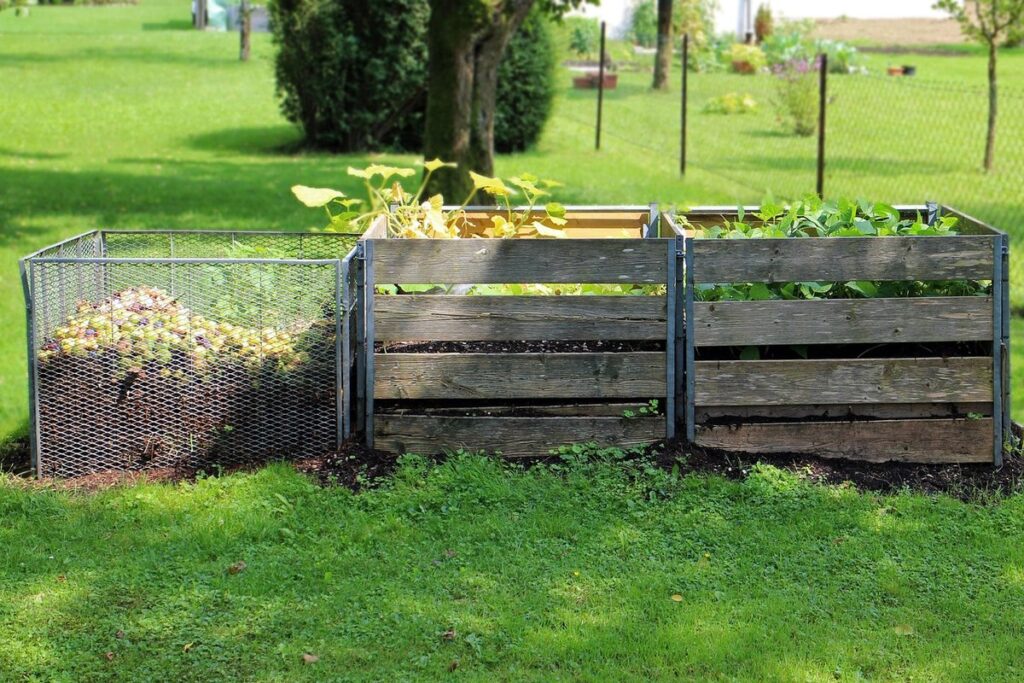
Understanding the Importance of Finished Compost Signs
Now that you have your finished compost pile, let’s explore why recognizing these signs is crucial for effective and safe use in your garden.
Recognizing the Benefits of Effective Composting
Recognizing finished compost signs is essential for gardeners and farmers to reap the numerous benefits of effective composting. At its core, compost is a natural fertilizer that enriches soil health, increases crop yields, and reduces waste. When you identify these signs, you can be confident that your compost is ready to use.
One of the primary advantages of finished compost is its ability to improve soil structure and fertility. Compost adds essential nutrients, improves water retention, and supports beneficial microbial activity in the soil. This leads to healthier plants, increased yields, and reduced susceptibility to pests and diseases. For instance, a study by the University of California found that using compost in place of synthetic fertilizers can increase crop yields by up to 25%.
By recognizing the finished compost signs, you can also reduce waste and minimize your environmental footprint. Composting helps divert organic waste from landfills and reduces greenhouse gas emissions associated with decomposition. Moreover, a study by the EPA estimates that composting can divert up to 30% of municipal solid waste.
To identify finished compost signs, look for characteristics such as an earthy aroma, dark brown color, and crumbly texture. These indicators ensure that your compost has undergone proper decomposition and is ready to use in your garden or farm. By utilizing this valuable resource effectively, you can create a more sustainable and productive gardening or farming operation.
Common Issues with Inadequate Composting Practices
When composting practices are inadequate, it can lead to serious issues with the final product. One common problem is that weed seeds remain viable, which means they can sprout and grow in the garden where you intended to use the compost. This can be frustrating and time-consuming to manage. Pathogens can also spread disease through uncomposted materials, putting your garden at risk of infection.
Another issue with incomplete composting processes is nutrient imbalances in the final product. If not enough nitrogen-rich materials are added, the compost may become too acidic and burn plant roots. Conversely, if too many nitrogen-rich materials are used, the compost can become too alkaline and inhibit beneficial microbe growth.
To avoid these problems, it’s essential to ensure that your composting process is complete before using the final product in your garden. This involves monitoring temperature, moisture, and carbon-to-nitrogen ratios to create an optimal environment for decomposition. Regular turning of the pile and aeration can also help speed up the process and eliminate pathogens and weed seeds.
Identifying Finished Compost Signs through Visual Inspection
To confirm that your compost is finished, it’s essential to know what to look for during a visual inspection of its texture and appearance. This includes examining color, structure, and overall consistency.
Color and Texture Clues to Completion
When inspecting finished compost, a keen eye for color and texture can be a valuable tool in determining its readiness for use. Dark brown to almost black hues are common in mature compost, indicating that the carbon-to-nitrogen ratio has been balanced and decomposing materials have broken down into stable humus.
A uniform crumbly consistency is another characteristic of finished compost. This texture is often achieved when microorganisms have fully digested organic matter, leaving behind a stable matrix of humic acids and fulvic acids. If the compost appears chunky or lumpy, it may indicate that decomposition is still ongoing.
Pay attention to any visible particles or fragments within the compost pile. Finished compost should be relatively smooth with no visible signs of original plant material. A well-balanced compost pile will have a neutral pH level, which can often be determined by observing its color and texture characteristics.
Moisture Content: A Critical Factor in Compost Maturity
Achieving optimal moisture levels is crucial for effective composting. It’s essential to ensure that your compost pile has adequate water content to facilitate decomposition and minimize odors. You can check the moisture level using tools like the squeeze test or finger test.
To perform a squeeze test, take a handful of compost and squeeze it tightly. If it forms a tight ball that holds its shape when released, it’s likely too dry. On the other hand, if it crumbles easily, it may be too wet. Aim for a consistency where the compost sticks together but still feels slightly damp to the touch.
The finger test is another effective way to check moisture levels. Stick your index finger into the compost pile, and then pull it out. If the compost adheres to your finger, it’s at the right moisture level. Keep in mind that compost piles can dry out quickly due to factors like wind or direct sunlight. Regularly monitoring and adjusting moisture levels will help ensure optimal decomposition rates and finished compost quality.
Understanding Microbial Activity and Finished Compost Signs
Now that you’ve created your perfect compost blend, let’s dive into the signs of finished compost and what it means for microbial activity. This includes understanding the visual and olfactory cues to confirm your compost is ready for use.
The Role of Microorganisms in Breaking Down Organic Matter
As you wait for your compost to finish, it’s essential to understand the microbial processes that break down organic matter. Microorganisms are the unsung heroes of composting, working tirelessly behind the scenes to decompose complex materials into a rich, nutrient-dense soil amendment.
Bacteria and fungi are the primary microorganisms responsible for breaking down organic matter in your compost pile. Bacteria, such as Actinobacteria and Bacillus, feed on easily available nutrients like sugars and proteins. They produce enzymes that break down cell walls and release nutrients, making them available to plants.
Fungi, including Aspergillus and Penicillium, are responsible for decomposing more complex materials like lignin and cellulose. They secrete enzymes that break down these tough substances into simpler forms, which can then be utilized by microorganisms or absorbed by plants.
As your compost matures, you’ll notice a shift in the types of microorganisms present. Early-stage composting is characterized by a predominance of bacteria, while fungi become more prominent as the pile breaks down further. This balance between bacterial and fungal activity indicates that your compost is progressing toward its finished state.
Monitoring Oxygen Levels for Optimal Composting Conditions
Monitoring oxygen levels is crucial for maintaining optimal composting conditions. Microorganisms thrive in well-oxygenated environments, which enables them to break down organic matter efficiently and produce heat. On the other hand, anaerobic conditions can lead to undesirable odors, pathogen growth, and a decrease in overall compost quality.
To prevent anaerobic conditions, ensure that your compost pile has adequate airflow. You can achieve this by:
* Turning your compost regularly (every 7-10 days) to introduce oxygen
* Leaving sufficient space between layers for air to circulate
* Avoiding over-layering or compacting the material
Aim for a moisture content of around 50-60% and maintain a pile height that allows for easy turning. Regular monitoring will help you adjust your composting strategy as needed, ensuring optimal microbial activity and finished compost quality.
In practice, checking oxygen levels is relatively straightforward: simply insert a wooden dowel or probe into the pile. If it easily penetrates 3-4 inches without resistance, oxygen flow is sufficient. However, if it encounters significant resistance, it’s likely anaerobic conditions have developed – in which case, turn your compost immediately.
Tips for Encouraging Finished Compost Signs in Your Compost Pile
Now that you’re familiar with common finished compost signs, let’s explore some essential tips to encourage these indicators in your own compost pile. Regular maintenance and patience will help your pile reach optimal decomposition levels.
Balancing Carbon-to-Nitrogen Ratios for Efficient Decomposition
Achieving the ideal Carbon-to-Nitrogen (C:N) ratio is crucial for efficient decomposition and successful composting. This ratio determines the balance between carbon-rich “brown” materials, such as dried leaves and branches, and nitrogen-rich “green” materials, like food scraps and grass clippings.
To achieve an optimal C:N ratio, aim to combine 2/3 to 3/4 brown materials with 1/3 to 1/4 green materials. For example, a mixture of 10 parts dried leaves (brown) to 3 parts kitchen scraps (green) will provide the necessary balance for efficient decomposition.
Monitor your compost pile’s moisture levels and temperature to adjust the C:N ratio as needed. Avoid overloading with too many green materials, which can lead to anaerobic conditions and unpleasant odors. Conversely, too much brown material can slow down the composting process.
A good rule of thumb is to start with a mix rich in brown materials and gradually add more green materials as decomposition progresses. By maintaining an optimal C:N ratio, you’ll be well on your way to creating finished compost that’s perfect for your garden or indoor plants.
Using Activators or Additives to Enhance Composting Efficiency
Using natural additives like brown materials like coconut coir, straw, or shredded newspaper can help balance out carbon-rich ingredients and enhance microbial activity. These add-ons also absorb excess moisture, reducing the likelihood of anaerobic conditions that hinder decomposition.
Epsom salt is another popular choice for boosting microbial growth. Rich in magnesium and sulfur, it helps create an optimal environment for beneficial microbes to thrive. Mix 1 tablespoon of Epsom salt per every 10 pounds of compost materials to stimulate activity without over-dosing.
Some commercial products like effective microorganisms (EM) or compost teas can be used as activators to accelerate the composting process. These supplements introduce a diverse range of beneficial microbes that break down organic matter more efficiently. However, follow the manufacturer’s instructions and use them judiciously to avoid over-populating your pile with unwanted organisms.
By incorporating these additives strategically, you can optimize your compost pile’s efficiency and speed up the decomposition process, resulting in high-quality finished compost.
Troubleshooting Common Issues with Finished Compost Signs
We’ve all been there: you think your compost is finished, only to realize it’s still not quite right. Let’s address some common issues that might be holding back your finished compost signs.
Addressing Nutrient Imbalances in Your Compost
When creating compost, it’s essential to strike a balance between nutrients. A common issue is excessive nitrogen levels, which can lead to an ammonia smell and inhibit microbial activity. To identify nutrient imbalances, test your finished compost with a pH meter or a nitrate/nitrite test kit.
A general rule of thumb is the 2:1:1 ratio – two parts “brown” materials (carbon-rich) to one part “green” materials (nitrogen-rich). However, this can vary depending on your specific composting process. Be cautious of overloading with high-nitrogen materials like grass clippings or manure.
To rectify nutrient imbalances:
* Add more carbon-rich materials to balance out excessive nitrogen
* Reduce the amount of green materials or switch to lower-nitrogen alternatives
* Mix in a small amount of finished compost from another batch as a “carbon boost”
Monitor your compost regularly and adjust your recipe accordingly. Remember, a balanced compost is key to optimal microbial activity, structure, and nutrient content.
Strategies for Dealing with Pathogens or Weeds in the Compost
Managing pathogens and weed seeds in your finished compost is crucial to ensure its safe use as a soil amendment. These unwanted contaminants can be detrimental to plant health and even spread diseases if not properly mitigated. Here are some strategies for dealing with pathogens or weeds in the compost:
One effective way to minimize pathogen presence is by maintaining proper carbon-to-nitrogen (C:N) ratios throughout the composting process. A balanced C:N ratio helps regulate microbial populations, which naturally break down organic matter and kill off pathogens. Aim for a mix of 2/3 “brown” materials like leaves or straw with 1/3 “green” materials such as food scraps or grass clippings.
Regular temperature monitoring can also help detect potential pathogen activity. Most compost piles should reach temperatures between 130°F to 140°F, which is hot enough to kill off pathogens. If your pile isn’t reaching these temps, it may indicate inadequate aeration or moisture levels.
To combat weed seeds, consider using weed-suppressing additives like diatomaceous earth or borate-based products during the composting process. These materials can help prevent seed germination and mitigate weed growth in finished compost.
When using finished compost as a soil amendment, always follow safe handling practices: avoid getting compost directly on plants’ foliage; mix it into the top 6-8 inches of soil to minimize potential contamination risks. By implementing these strategies, you can enjoy the benefits of rich, pathogen-free compost that supports healthy plant growth and development.
Best Practices for Maintaining Finished Compost Signs Over Time
Now that you’ve successfully created finished compost, let’s dive into some essential tips on maintaining those signs of maturity over time. This helps ensure your compost remains stable and effective for years to come.
Regular Maintenance to Prevent Re-Contamination
To ensure that your finished compost remains free from contamination and maintains its optimal condition, regular maintenance is crucial. This involves monitoring moisture levels to prevent either drought or waterlogging, which can lead to anaerobic conditions and unpleasant odors.
A simple yet effective method for maintaining optimal conditions is to turn the pile regularly. This allows for air exchange, promoting healthy microbial activity and preventing pathogens from accumulating. Aim to turn your compost pile every 7-10 days during active decomposition phases.
In addition to turning, keep an eye on temperature levels. A compost thermometer can be a valuable tool in monitoring internal temperatures, which should ideally reach between 130°F and 140°F for optimal decomposition. Maintaining these conditions will help break down organic materials efficiently and minimize the risk of re-contamination.
Another critical aspect is ensuring adequate carbon-to-nitrogen ratios. Monitor your pile’s contents regularly to ensure that it remains balanced. A higher ratio of carbon-rich materials (such as dried leaves or straw) can counterbalance excess nitrogen levels, helping maintain a stable environment conducive to composting success.
Strategies for Long-Term Storage and Utilization
When you’ve finally achieved that perfect finished compost sign, it’s time to think about long-term storage and utilization. Proper storage will help maintain its quality and usability, while efficient utilization will ensure you make the most of your hard-earned compost.
Bagging is a popular option for storing finished compost, as it allows for easy transportation and labeling. Look for bags that are specifically designed for compost, as they’ll be breathable and resistant to moisture buildup. When stacking or storing in bulk, make sure to keep it off the ground and covered to protect from pests and weather.
Incorporating your finished compost directly into garden beds is another effective strategy. Add a 2-3 inch layer of compost to the topsoil, mixing it well with existing soil and amendments. This will not only improve soil structure but also provide essential nutrients for plant growth. Consider using a ‘lasagna’ approach by layering compost, leaves, and mulch for added fertility.
Some practical tips for utilizing your finished compost efficiently include rotating crop families to avoid depleting specific nutrient reserves, incorporating it into seed starting mixes, or using it as a natural fertilizer in potting blends.
Frequently Asked Questions
How often should I turn my compost pile to ensure it reaches optimal maturity?
Turning your compost pile regularly is crucial for achieving optimal maturity, but the frequency depends on several factors, including temperature, moisture content, and material composition. Aim to turn your pile every 7-10 days during active decomposition, adjusting as needed based on your specific situation.
Can I use finished compost in containers or raised beds with poor drainage?
Yes, finished compost can be beneficial for improving soil structure and fertility in container gardens, but it’s essential to ensure the potting mix has good drainage to prevent waterlogged conditions. You may need to adjust the amount of compost used and consider adding perlite or vermiculite to improve drainage.
How do I know if my compost is too dry and needs more moisture?
Compost that’s too dry will often have a crumbly texture, while excessively moist compost will be soggy and emit strong odors. Check the moisture content by performing the “squeeze test”: if the compost holds its shape but doesn’t crumble, it’s likely in the right range.
What are some common mistakes to avoid when storing finished compost long-term?
To maintain optimal storage conditions, keep your finished compost in airtight containers or bins with proper ventilation. Avoid storing it near strong-smelling materials or direct sunlight, which can affect its quality and longevity.
Can I use finished compost as a natural pest deterrent in my garden?
Yes, finished compost is rich in beneficial microorganisms that can help repel pests and diseases. Apply a 2-inch layer of mature compost around the base of plants to create a barrier against nematodes, fungal infections, and other pests, promoting healthy plant growth and resilience.