
Unripe apples can be a frustrating problem for farmers, suppliers, and home cooks alike. Whether you’re trying to perfect your apple pie recipe or simply want to enjoy a crunchy snack, unripe fruit can be a major disappointment. But why do apples go bad before they’re ready? Is it something to do with environmental factors like temperature and sunlight, or are some varieties more prone to this issue than others? In this comprehensive guide, we’ll delve into the causes of unripe apples, exploring everything from quality control challenges to variety-specific issues. We’ll also cover practical solutions for identifying and avoiding these problems, so you can enjoy perfectly ripe apples every time. From the orchard to your kitchen table, let’s get to the bottom of this common problem.
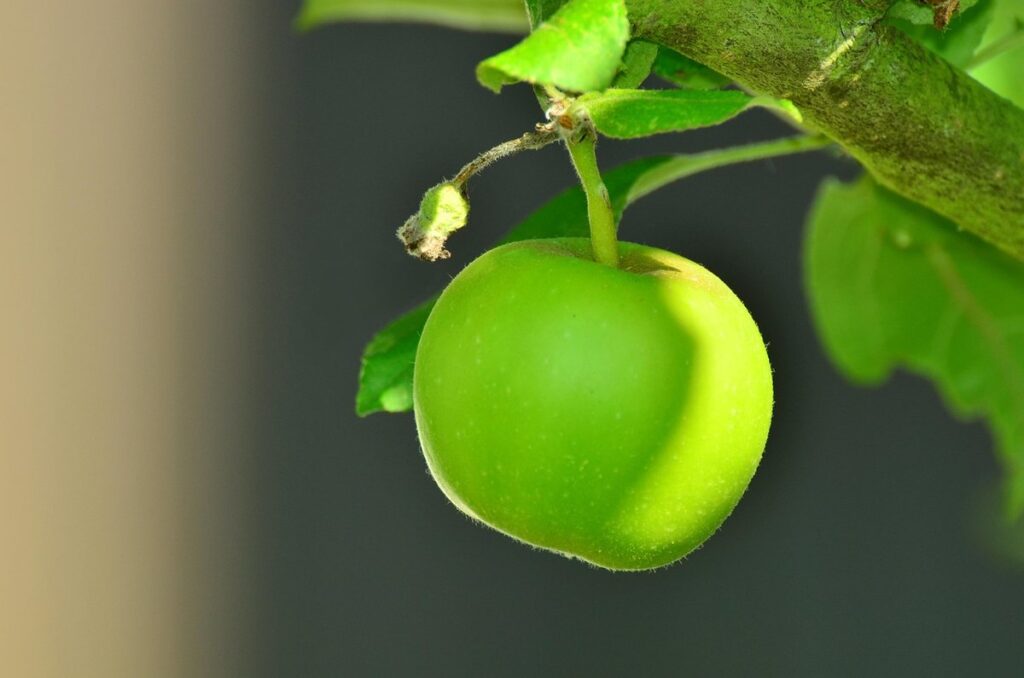
What is an Unripe Apple?
You’re probably wondering what makes an apple unripe, so let’s dive into the specifics of how to identify and understand unripe apples.
Definition of Unripeness
An unripe apple is characterized by its low sugar content, high acidity, and firm texture. To determine if an apple is ripe, you need to consider these factors collectively. Sugar content affects the sweetness of the apple, with unripe apples being tart and having a lower Brix reading (a measure of sugar concentration). On the other hand, acidic apples tend to be more sour.
When it comes to texture, an unripe apple will typically feel hard or crunchy on the outside, and may have a grainy or woody interior. This is due to the lack of starch conversion into sugars, which occurs as the fruit ripens. For instance, a Granny Smith apple may remain green even when ripe, but its texture will change from firm to tender.
To gauge an apple’s unripeness, you can gently press your thumb into the skin at the stem end. A ripe apple will yield slightly to pressure and feel springy, while an unripe one will resist pressure or be too hard to compress. Keep in mind that some apples may appear overripe due to bruises or brown spots but still taste fine, so it’s essential to check both appearance and texture before consumption.
Common Signs of Unripeness
When examining an apple for ripeness, there are several visual and physical signs to look out for. A green skin is one of the most obvious indicators that an apple may be unripe. However, it’s essential to note that some varieties of apples retain their green color even when fully ripe. To ensure you’re not picking a Granny Smith every time, gently squeeze the apple.
If it feels hard and unyielding, chances are it needs more time on the tree or in storage. Compare it to a ripe apple by checking its firmness – a ripe apple should yield slightly to pressure but still feel substantial. Unripe apples often have a waxy texture that’s difficult to dent with your fingers.
When selecting apples from a store, don’t rely solely on appearance; ask the vendor about their ripeness or give them a gentle squeeze. Some signs of unripeness are more apparent when you cut into an apple – unripe flesh will appear pale and lack the characteristic red or pink hue found in ripe varieties.
Causes of Unripe Apples
So, why do some apples simply refuse to ripen? Let’s explore the common causes behind unripe apples and how they can affect your harvest.
Environmental Factors
Weather conditions, soil quality, and climate can significantly impact the development of apples on trees. Extreme temperatures, either too high or too low, can cause stress to the tree, leading to unripe fruit. A prolonged spell of cold weather during spring may slow down the ripening process, resulting in unripe apples.
Soil quality also plays a crucial role in apple production. Poor soil nutrients and lack of essential minerals can affect the sugar content and starch conversion within the fruit, making it harder for apples to ripen properly. For instance, if your orchard’s soil is deficient in phosphorus or potassium, the trees may struggle to produce well-ripened apples.
Climate change has also been linked to unripe apples. Weather patterns such as frost, droughts, and heavy rainfall can all have a negative impact on fruit ripening. Understanding the specific climate conditions of your region will help you make informed decisions about tree care and harvesting schedules. Keep in mind that different apple varieties respond differently to environmental factors, so be sure to research the specific needs of your trees for optimal growth and production.
Variety-Specific Issues
When it comes to unripeness in apples, not all varieties are created equal. While some types of apples are more prone to unripeness due to their genetic predisposition, others require specific growing conditions that can be challenging to replicate.
For example, the McIntosh apple is notorious for its tendency to become mealy and unripe if picked too early. This is because McIntosh apples have a high water content and a thin skin, making them more susceptible to spoilage. On the other hand, Granny Smith apples are often left on the tree longer than other varieties, as they require more time to ripen.
Other factors can also contribute to unripeness in specific apple varieties. For instance, apples grown in cooler climates or at high elevations may take longer to mature due to the slower growing conditions. Conversely, apples grown in warmer regions with plenty of sunlight and water may become overripe if not picked at the optimal time.
If you’re dealing with a particular variety that’s prone to unripeness, it’s essential to research its specific needs and adjust your harvesting schedule accordingly. This might involve monitoring weather patterns, soil conditions, or even conducting regular taste tests to determine when the apples are ready.
Effects of Eating Unripe Apples
Eating unripe apples can have serious consequences, including digestive problems and allergic reactions. In this next part, we’ll explore these potential effects in more detail.
Digestive Issues
Consuming unripe apples can lead to a range of digestive problems that may be uncomfortable and even painful. One common issue is bloating, which occurs when the body struggles to break down the complex sugars present in underripe apples. As a result, gas builds up in the digestive system, causing discomfort and swelling in the abdomen.
Stomach discomfort is another potential problem associated with eating unripe apples. The high levels of malic acid in these fruits can irritate the stomach lining, leading to heartburn, nausea, and cramps. Furthermore, the fiber content in unripe apples can be difficult for some people to digest, resulting in constipation or diarrhea.
To avoid these issues, it’s essential to monitor the ripeness of your apples before consuming them. Check for a slight softening around the stem and a sweet, fruity aroma. Cooking or juicing unripe apples can also help break down some of their complex compounds, making them easier on the digestive system. However, this should be done in moderation, as overconsumption can still lead to negative effects.
Nutrient Imbalance
Eating unripe apples can lead to nutrient imbalance due to their unique composition. When an apple is not yet ripe, its natural process of ripening has not occurred, resulting in a higher concentration of starch and lower concentration of sugars. This imbalance affects the availability of essential nutrients such as fiber, vitamins, and minerals.
For instance, unripe apples contain more pectin, a type of soluble fiber that can be difficult to digest. While some fiber is beneficial for overall health, excessive amounts can cause gastrointestinal issues like bloating, gas, and abdominal discomfort. Moreover, unripe apples tend to have lower levels of vitamin C, which plays a crucial role in immune function and collagen production.
To put things into perspective, consider the nutritional profile of an apple at different stages of ripeness. A ripe apple contains about 4-5 milligrams of vitamin C per 100 grams, whereas an unripe apple may contain as little as 1-2 milligrams. This significant difference highlights the importance of choosing apples that are ripe for optimal nutrient intake.
Incorporating a balanced diet with a variety of fruits and vegetables can help mitigate any potential nutrient imbalances caused by consuming unripe apples.
Consequences for the Apple Industry
The consequences of unripe apples can be far-reaching, affecting not only apple growers but also consumers and the industry as a whole. We’ll explore how these effects ripple through the supply chain.
Economic Impact
Unripe apples can significantly impact apple production costs, yields, and market prices. One of the primary concerns is the increased costs associated with handling and storing unripe apples. These apples are more prone to spoilage, which means farmers may need to allocate additional resources for waste management and disposal.
Moreover, unripe apples often have a higher incidence of pests and diseases, further increasing production costs. In some cases, these apples may require specialized storage facilities or treatments to extend their shelf life, adding to the expenses.
In terms of yields, unripe apples can also negatively impact crop quality and quantity. If left unaddressed, these apples can spread disease to other trees in the orchard, reducing overall productivity and affecting future harvests.
To mitigate these effects, farmers can implement strategies such as regular monitoring and sorting, using advanced storage technologies, or adopting integrated pest management practices. By taking proactive measures, apple producers can minimize the economic impact of unripe apples and ensure a more sustainable and profitable operation.
Quality Control Challenges
Identifying unripe apples within the supply chain can be a daunting task for growers and packers. The complexity of large-scale operations often makes it challenging to catch these issues before they reach consumers. One major challenge is the lack of uniform standards for ripeness. Without clear guidelines, packers may rely on visual inspections, which can lead to inconsistent results.
Additionally, the unripe apple problem can stem from various factors throughout the supply chain. Growers might inadvertently select or harvest apples that are not yet ripe due to environmental conditions like uneven temperatures or inadequate sunlight exposure. Packhouses may also experience difficulties in sorting out unripe apples efficiently, particularly if their grading systems are outdated or poorly calibrated.
To mitigate these challenges, growers and packers can implement robust quality control measures such as incorporating advanced ripeness testing tools into their processes. This could include using techniques like near-infrared spectroscopy to accurately assess an apple’s sugar content and texture.
How to Identify Unripe Apples
Identifying unripe apples can be a challenge, but don’t worry, we’ve got you covered with these easy-to-spot signs of under-ripeness. Let’s take a closer look at how to check for ripeness in the next few tips.
Visual Inspection
When it comes to identifying unripe apples through visual inspection, attention to detail is crucial. Start by examining the skin color of the apple. Unripe apples tend to have a greener skin tone, often with a yellow or red tint. As the apple ripens, the skin will transition to a more vibrant, intense color. Check for any unevenness in skin tone, as this can be an indication of unripeness.
Next, inspect the texture of the apple. Unripe apples tend to feel firm and slightly hard to the touch. Gently press your finger into the skin of the apple; if it feels soft or mushy, it’s likely overripe. However, if it still feels firm, continue to monitor its ripeness by checking for color changes.
Pay attention to the stem end of the apple as well. Unripe apples often have a slightly indented stem end, whereas ripe apples tend to have a more even base. By combining these visual cues, you’ll be able to accurately assess the ripeness of your apples and enjoy them at their peak flavor and texture.
Taste Testing
When it comes to identifying unripe apples, taste testing is a crucial step that many people often overlook. However, it’s an essential method for determining the ripeness of an apple, as other indicators like color and texture can be misleading.
To perform a successful taste test, choose a small, representative sample from the batch you’re evaluating. Cut into the apple carefully to avoid bruising or crushing the flesh. Take a small bite, and pay attention to the sweetness, acidity, and overall flavor profile of the apple. A ripe apple should have a balanced sweetness and acidity, with a hint of tartness.
If the apple tastes sour or bitter, it’s likely unripe. On the other hand, if it tastes overly sweet, it may be overripe. To avoid this, taste test multiple apples and compare their flavor profiles. It’s also essential to remember that some varieties of apples are naturally sweeter or more acidic than others.
By incorporating taste testing into your assessment, you can confidently identify unripe apples and take corrective action to ensure optimal quality.
Solutions for Reducing Unripe Apples
When dealing with unripe apples, it can be frustrating when they don’t ripen on time. We’ll explore some practical solutions to help you enjoy your apples at their best possible flavor and texture.
Crop Management Techniques
When it comes to growing apples, many farmers focus on producing high-quality fruit without considering the impact of their farming practices on the ripening process. However, implementing optimal crop management techniques can significantly reduce the occurrence of unripe apples.
Firstly, pruning is a crucial aspect of apple cultivation. Proper pruning not only promotes healthy growth but also regulates the tree’s energy distribution, leading to better fruit quality and ripeness. Prune your trees annually during their dormant season, removing any weak or diseased branches, as well as thinning out the fruit to allow for even sunlight exposure.
Another essential practice is optimal irrigation management. Overwatering can lead to an increase in unripe apples, as it dilutes the sugars and flavors within the fruit. On the other hand, underwatering can cause stress to the tree, resulting in a decrease in overall fruit quality. Implement drip irrigation systems or focus on delivering water directly to the roots to minimize waste and ensure your trees receive the right amount of moisture.
By adopting these crop management techniques, you can take a significant step towards reducing the number of unripe apples in your orchard. Regular pruning and targeted watering strategies not only promote healthier trees but also encourage better fruit development, ultimately leading to more delicious, ripe apples for consumers.
Post-Harvest Handling
When handling unripe apples, proper post-harvest care is crucial to prevent further ripening and spoilage. The first step in reducing damage is to handle the fruit gently, minimizing bruising and scratching that can lead to rot and decay.
Storage procedures play a significant role in maintaining quality and freshness. Store apples in a cool, well-ventilated area with consistent temperatures between 32°F and 40°F (0°C to 4°C). Keep them away from direct sunlight, as it accelerates ripening. For longer storage periods, use controlled atmosphere storage facilities that maintain optimal oxygen levels and temperature.
Monitor the humidity level, keeping it below 90% to prevent moisture accumulation, which can lead to mold growth. Regularly inspect the apples for signs of spoilage or rot, removing affected fruits immediately to prevent further damage. Proper handling and storage procedures can significantly minimize the presence of unripe apples by preserving their quality and extending shelf life.
By following these guidelines, you can maintain the freshness and quality of your apples for a longer period.
Conclusion
In conclusion, unripe apples can be a frustrating problem for gardeners and fruit enthusiasts. By understanding the causes of unripeness, including temperature fluctuations, soil quality, and pest/disease issues, you can take proactive steps to prevent it in the future. Regularly inspect your apple trees, ensuring they receive adequate water and nutrients, can go a long way in promoting healthy growth and ripening. Additionally, consider implementing integrated pest management strategies to mitigate potential threats. Don’t be discouraged if some apples still don’t ripen as expected – every year is different, and experience will help you fine-tune your techniques for future harvests. With patience, persistence, and practice, you’ll be enjoying perfectly ripe apples in no time!
Frequently Asked Questions
What happens if I accidentally eat an unripe apple?
Eating unripe apples can cause digestive issues due to their high acidity and low sugar content. This may lead to stomach discomfort, nausea, or diarrhea in some individuals. However, the severity of these symptoms typically depends on individual tolerance and overall health.
Can any variety of apple be prone to going bad before ripening?
Yes, while some varieties are more susceptible to unripeness than others, it’s not exclusive to specific types. Factors like environmental conditions, quality control challenges, and post-harvest handling also play significant roles in determining the likelihood of an apple remaining unripe.
How can I prevent unripe apples from affecting my crop yield?
Implementing effective crop management techniques is crucial in reducing unripe apples. This includes monitoring temperature and sunlight exposure, maintaining optimal soil conditions, and selecting varieties less prone to this issue. Regularly inspecting your orchard for signs of stress or disease will also help you address potential problems early on.
What can I do with a large batch of unripe apples?
If you have an unexpectedly large quantity of unripe apples, consider using them in recipes that benefit from their tartness, such as apple sauce or cider. Alternatively, store them properly to allow for slow ripening over time. Proper storage conditions include maintaining cool temperatures and consistent humidity levels.
Can I use unripe apples in baking without sacrificing texture?
While unripe apples can be used in baked goods, their texture may not be ideal for certain recipes. To mitigate this, consider adding additional liquid or adjusting the sugar content to compensate for the unripe apple’s low sweetness and higher acidity. This will help balance out the flavor and achieve a better texture in your final product.