
Identifying winged seed pods can be a fascinating yet challenging experience for anyone who loves botany or nature photography. With so many plant species producing these unique structures, it’s essential to know how to tell them apart accurately. In this comprehensive guide, we’ll walk you through the key characteristics of winged seed pods, highlighting what makes them distinctive and how to recognize common mistakes that might lead to misidentification. From understanding the function and structure of these seed pods to advanced techniques for accurate identification, we’ll cover it all. By the end of this article, you’ll be able to confidently identify winged seed pods in your own backyard or on a hike, expanding your knowledge and appreciation of the natural world.
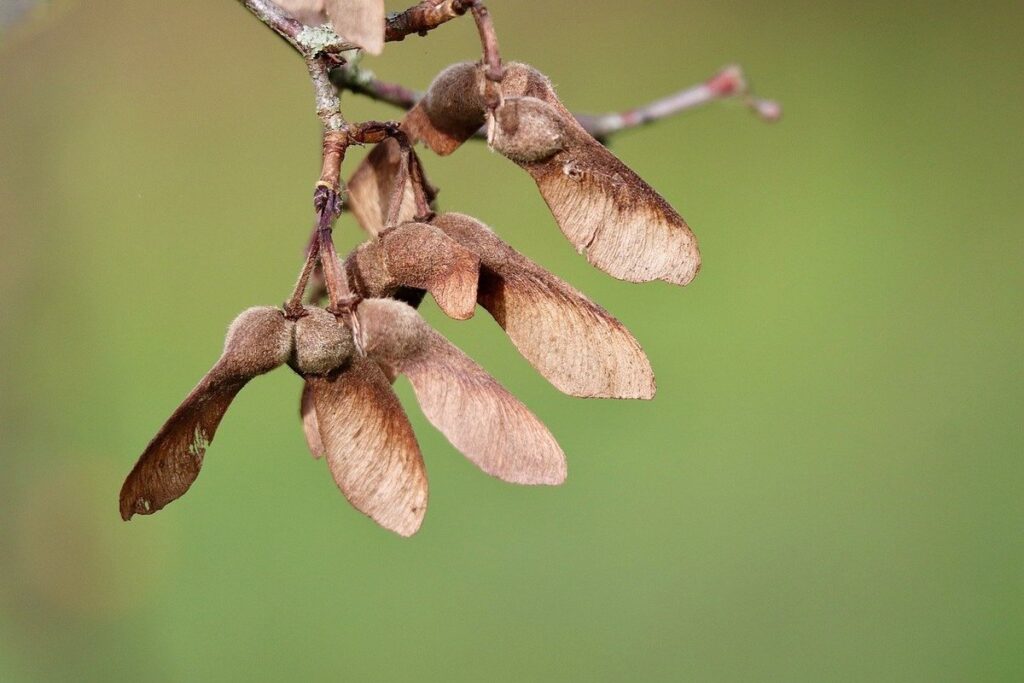
What are Winged Seed Pods?
Winged seed pods are a fascinating feature found on certain plant species, characterized by their unique shape and growth. Let’s dive into what makes them so special!
Definition and Purpose of Winged Seeds
Winged seed pods are a unique feature found on certain plant species, where seeds are attached to a wing-like structure that enables them to disperse efficiently. These structures serve multiple purposes in the plant’s life cycle. One primary function is to facilitate seed dispersal, allowing seeds to travel away from the parent plant and germinate in new locations.
The purpose of winged seeds is to increase the chances of successful reproduction by maximizing seed dispersal and distribution. This design allows seeds to be carried by wind or water currents over long distances, expanding the plant’s range and genetic diversity.
Some plants, like cottonwood trees and milkweed, rely heavily on their winged seeds for propagation. In these species, the wings are a crucial adaptation that aids in seed dispersal. By understanding what winged seed pods are and how they function, you can better identify similar features on other plant species and gain insight into their life cycles.
When observing winged seed pods, note the shape, size, and material composition of the wings to determine their potential role in seed dispersal.
Types of Plants with Winged Seeds
Winged seed pods are not exclusive to one specific type of plant. In fact, they can be found on a diverse range of species, including trees, shrubs, and flowers. One common example is the maple tree (Acer saccharum), which produces winged seeds that allow them to glide through the air for long distances before landing.
Other examples include the horse chestnut tree (Aesculus hippocastanum) and the ash tree (Fraxinus excelsior). These trees produce samaras, also known as wind-dispersed fruits, with two distinct wings that give them lift. In contrast, some shrubs like the staghorn sumac (Rhus typhina) and flowers such as the milkweed (Asclepias syriaca) also produce winged seeds.
When identifying plants with winged seed pods, it’s essential to observe their overall morphology. Note the shape, size, and color of the seeds, as well as any distinctive markings or patterns on their wings. This will help you narrow down the possibilities and make an accurate identification. Keep in mind that some species may have similar-looking seeds but belong to different genera altogether.
In terms of distinguishing between related species, consult a field guide or consult with an expert if necessary. By familiarizing yourself with various plant species and their winged seed pods, you’ll become more confident in your ability to identify these plants accurately.
Characteristics of Winged Seed Pods
Winged seed pods have several distinct characteristics that can help you identify them. Let’s dive into some key traits to look out for in these fascinating plant structures.
Shape and Size Variations
When examining winged seed pods, you’ll notice that they come in various shapes and sizes. This diversity is due to the different plant species from which they originate. For instance, the winged seed pod of the Senna hebecarpa (also known as the American senna) can grow up to 2 inches long and has a broad, flat shape.
In contrast, the winged seed pods of the Acacia tree are typically shorter in length but wider in diameter. Some species of Acacia have seed pods that resemble tiny racquets, while others have longer, more cylindrical shapes.
The size of winged seed pods can also vary significantly between plant species. The Mimosa tree produces smaller seed pods that are about 1 inch long, whereas the Cassia tree has much larger seed pods that can reach lengths of up to 3 inches. When trying to identify a particular winged seed pod, consider its overall shape and size in relation to other characteristics like color, texture, and leaf arrangement. This will help you narrow down the possible plant species it may belong to.
Color and Texture Features
When examining winged seed pods, attention to their color and texture can be invaluable for identification purposes. These characteristics often serve as a distinguishing feature between different species.
Notable colors include shades of brown, tan, and gray, which are frequently seen on mature or weathered seed pods. Conversely, younger seed pods may display vibrant hues like green, blue-green, or even reddish-brown tones before maturing to their characteristic earthy tones.
In addition to color, the texture of winged seed pods can also be a defining feature. Papery or membranous structures are common, with some species exhibiting more rigid and leathery textures. Other notable textural characteristics include:
• Smooth surfaces
• Fibrillose (fuzzy) appearance
• Scabrous (rough to the touch) texture
For example, the winged seed pods of the Elaeocarpus genus often display a smooth, papery texture with brown or tan coloration. Conversely, the seed pods of certain species within the Juglandaceae family exhibit a leathery texture with vibrant green coloration before maturing to a grayish-brown hue.
When observing winged seed pods, make note of any visible colors and textures. A combination of these features can aid in accurate identification, especially when coupled with knowledge of growth habits and environmental adaptations.
Common Mistakes in Winged Seed Pod Identification
When identifying winged seed pods, many botanists and enthusiasts often make mistakes that can be easily avoided by understanding common pitfalls and misconceptions. Let’s take a closer look at these common errors together.
Overlooking Similarities with Other Plants
One common pitfall in winged seed pod identification is overlooking similarities with other plants. When examining a potential winged seed pod, it’s easy to get caught up in its unique characteristics and overlook the possibility that it may be mistaken for another plant feature altogether.
For instance, some leaves or flowers can bear resemblance to the shape or texture of a winged seed pod, especially if they’re seen in isolation. This is particularly true when examining plants with broad, flat leaves like those found on species within the Peony family (Paeoniaceae) or the Walnut family (Juglandaceae). These leaves can easily be mistaken for the flat, broad shape of a winged seed pod.
To avoid this mistake, take a step back and examine the entire plant. Look for other distinctive features like the arrangement of leaves on the stem, the color and texture of flowers, or any unique markings on the stem itself. By considering these details, you can build a more accurate picture of what you’re looking at and avoid misidentifying a winged seed pod as something else entirely.
Underestimating the Importance of Habitat
When venturing into the world of winged seed pods identification, it’s easy to overlook the significance of habitat and environment. However, this crucial aspect can make all the difference between accurate identification and misidentification.
The truth is that different species often thrive in unique environments, making their habitats a key distinguishing factor. For instance, the majestic Senna plant produces distinctive winged seed pods with a characteristic red color, but it only grows in areas with high humidity, such as tropical regions. In contrast, the similar-looking Cassia plant prefers well-drained soils and can be found in drier climates.
To ensure accurate identification, take note of the surrounding environment when observing winged seed pods. Consider factors like temperature, precipitation, soil type, and nearby vegetation. This will help you narrow down your options and make a more informed decision. As with any botanical identification, attention to detail is essential, especially in understanding the complex relationships between plants and their habitats. By factoring in these environmental considerations, you’ll be well on your way to becoming a proficient winged seed pod identifier.
Using Reference Materials for Identification
When you’re stuck trying to identify a tricky winged seed pod, turn to trusted reference materials that can provide crucial information and clues to help you pinpoint its type. Consult field guides, online databases, and expert resources for guidance.
Field Guides and Online Resources
Using field guides and online resources can be incredibly valuable when it comes to identifying winged seed pods. These tools can provide you with detailed descriptions, images, and even expert opinions to help narrow down your identification.
Field guides are an excellent place to start, offering a wealth of information on various plant species, including their distinctive characteristics and growth habits. For example, the National Audubon Society Field Guide to Trees is a comprehensive resource that features detailed photos and descriptions of tree species found throughout North America.
Online forums like iNaturalist and Reddit’s r/Whatsthisplant are also great resources for getting help with winged seed pod identification. These platforms allow you to post photos of the seed pod in question and receive input from experienced botanists, naturalists, and enthusiasts who can offer guidance and insights based on their knowledge.
When using these online resources, be sure to provide as much information as possible about the seed pod, including its size, color, shape, and any notable features. This will help experts give you more accurate and helpful advice.
Creating a Personalized Plant Journal
Keeping a plant journal is an essential tool for anyone serious about identifying winged seed pods. It allows you to record observations, note patterns, and save photos of the various types you encounter. A well-organized journal will help you track your progress, identify recurring characteristics, and develop a deeper understanding of these unique seed pods.
Start by designating a specific notebook or digital file for your plant journal. Consider adding tabs or folders to categorize entries by location, date, or type of winged seed pod. When recording observations, include details such as the size, shape, color, and texture of the seed pod, as well as any notable features like ridges, bumps, or other distinguishing characteristics.
In addition to written notes, it’s also helpful to capture photos of each specimen from multiple angles. This will allow you to study the seed pods more closely later on and make comparisons between different types. As you continue to add entries to your journal, look for patterns and commonalities among the various winged seed pods you’ve encountered. This will help you refine your identification skills and improve your chances of accurately identifying new specimens.
Advanced Techniques for Winged Seed Pod Identification
Now that you’re familiar with the basics, it’s time to take your skills to the next level with advanced techniques for identifying winged seed pods. These expert methods will help you accurately identify even the most challenging specimens.
Using Microscopy for Detailed Examination
When examining winged seed pods, microscopy can be an invaluable tool for unlocking their intricate details. By using a microscope, you can observe features that are not visible to the naked eye, such as cell morphology and fine structures.
To begin with, it’s essential to select the right type of microscope for your needs. A compound light microscope or a stereomicroscope would be ideal for examining winged seed pods, as they offer higher magnification power and more detailed images. Once you have chosen your equipment, carefully prepare the sample by fixing and staining the pod if necessary.
Using a 40x to 100x objective lens, examine the surface features of the winged seed pod, such as ridges, veins, or hairs. Note the shape, size, and arrangement of these structures, which can provide valuable information for identification purposes. Additionally, observe the stomata (pores) on the pod’s surface and their distribution pattern. This level of detail can help distinguish between different species and inform conservation efforts.
When documenting your findings, be sure to note the magnification power used and any specific staining or fixation techniques employed. By combining microscopy with traditional identification methods, you’ll gain a more comprehensive understanding of winged seed pods and their characteristics.
Analyzing Seed Morphology and Anatomy
When attempting to confirm the identification of winged seed pods, one crucial aspect to consider is analyzing their morphology and anatomy. This involves a thorough examination of the seed’s physical characteristics, such as its shape, size, color, texture, and internal structure. By closely examining these features, you can gain valuable insights that will aid in distinguishing between different species.
To begin with, observe the seed’s overall shape and size. Note whether it is elongated, spherical, or angular. Also, take into account any distinctive markings or patterns on its surface. For example, some winged seed pods may feature a ridged or striated texture that can be a key identifying characteristic.
Furthermore, inspect the internal anatomy of the seed by cutting it open carefully. This will reveal the seed’s composition and arrangement of tissues. Be aware of any notable features such as seed coat thickness, embryo position, or endosperm structure. By analyzing these details, you can build a more accurate picture of the seed’s identity. It is essential to consider multiple characteristics when making an identification to ensure accuracy and avoid potential misidentification.
Conclusion: Accurate Identification through Practice and Patience
Now that you’ve mastered the art of identifying winged seed pods, it’s time to refine your skills with practice and patience. With regular effort, you’ll become an expert in no time!
Recap of Key Takeaways
In conclusion to our comprehensive guide on winged seed pods identification, let’s recap the key takeaways. Accurate identification requires practice and patience, as we’ve emphasized throughout this journey. To solidify your understanding, revisit the different types of winged seed pods, including the characteristics that distinguish them from one another.
Key differences between deciduous and evergreen trees, as well as identifying features such as leaf shape, size, and arrangement, were discussed in detail earlier on. Furthermore, we explored the various methods for collecting and preparing specimens for identification, which is crucial for making accurate observations.
Through this guide, you’ve learned how to observe and record critical characteristics like seed pod color, texture, and the presence of hairs or other features. Practice these skills by examining different specimens, either from your own collection or through online resources.
As you continue on this journey, remember that patience is essential for developing expertise in winged seed pods identification. By combining practice with a systematic approach to observation and recording, you’ll become more confident in your abilities and better equipped to identify even the most challenging specimens.
Encouragement for Further Exploration and Research
As you’ve now grasped the basics of identifying winged seed pods, it’s time to take your knowledge to the next level. There’s still so much to learn and discover about these fascinating structures, and we encourage you to continue exploring and deepening your understanding.
Start by delving into the unique characteristics and adaptations that make each type of winged seed pod distinct. Observe how different plant species utilize their seed pods for dispersal, such as in the case of cottonwood trees or maple trees. Explore the various shapes, sizes, and materials used to create these structures, from papery thin membranes to woody appendages.
You can also expand your knowledge by researching the ecological role winged seed pods play in their respective ecosystems. How do they contribute to seed dispersal, pollination, and plant succession? What are some common challenges or obstacles faced by plants that rely on winged seed pods for reproduction?
As you continue to learn and explore, don’t be afraid to venture outdoors and observe these structures up close. Take notes, sketch their shapes, and record your observations. This hands-on approach will not only deepen your understanding but also help you develop a keen eye for detail – essential skills for any plant enthusiast or naturalist.
Frequently Asked Questions
How do I identify winged seed pods in the field without a guidebook?
In the absence of a guidebook, observe the overall shape and size of the seed pod, taking note of its unique features such as the presence of wings or distinct shapes. Compare your findings with images or illustrations of known plant species online, paying attention to subtle details like coloration and texture.
Can I use a smartphone app for accurate identification of winged seed pods?
Yes, many plant identification apps can be useful for identifying winged seed pods, especially if you have a clear image of the specimen. However, be cautious not to rely solely on these apps, as their accuracy may vary depending on the data and algorithms used.
How do I distinguish between similar-looking winged seed pod types?
When encountering multiple winged seed pod types, observe the shape and size variations carefully, taking note of any distinctive features such as coloration or texture. Consult online resources or field guides for detailed descriptions and images to help with identification.
Can I use microscopy to examine winged seeds in more detail?
Yes, using a microscope can provide valuable insights into the morphology and anatomy of winged seeds. This technique is particularly useful when trying to identify rare or unusual plant species.
How do I store and preserve specimens for further examination?
To store and preserve specimens, carefully collect winged seed pods in a sealed container with silica gel or desiccant packets to control humidity. Label the container with relevant information about the specimen’s location and date of collection for future reference.