
If you’re a lemon tree owner, chances are you’ve encountered some issues with your prized citrus tree at some point. Whether it’s a fungal infection or pest-related problem, identifying common lemon tree diseases can be a daunting task, especially when they’re visible in the naked eye. This is where our comprehensive guide comes in – featuring pictures of affected trees to help you quickly and accurately identify potential problems. Our guide will walk you through the symptoms, causes, and effective treatment options for various common lemon tree diseases, from root rot to scale infestations. With this knowledge, you’ll be equipped to tackle any issues that arise and keep your lemon tree healthy and thriving. By the end of this article, you’ll know how to identify common problems and take action to prevent further damage.
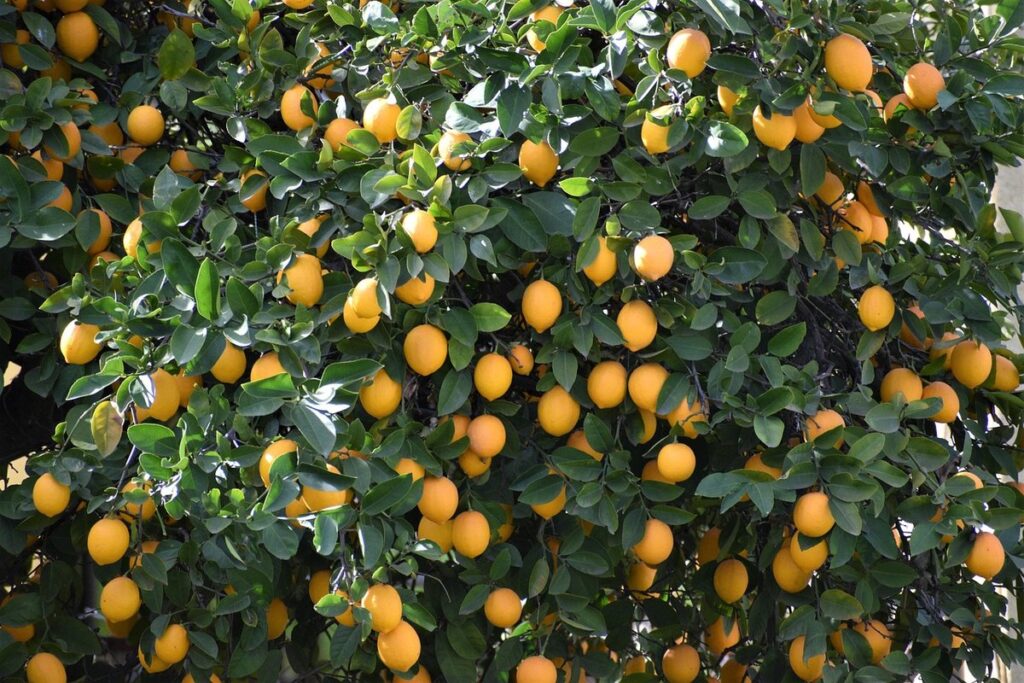
Common Lemon Tree Diseases
Lemon trees are susceptible to several common diseases that can cause damage and reduce fruit production. In this section, we’ll explore these prevalent issues in detail.
Identifying Fungal Diseases
Fungal diseases are some of the most common issues affecting lemon trees, causing significant damage and loss if left untreated. Root rot, leaf spot, and powdery mildew are three prevalent fungal diseases that can have devastating effects on your citrus tree’s health.
Root rot is caused by fungi such as Phytophthora or Pythium, which infect the roots of the tree through waterlogged soil conditions. Visual signs include yellowing leaves, stunted growth, and a general decline in overall health. If you suspect root rot, inspect the roots carefully for any soft spots or discoloration.
Leaf spot, on the other hand, presents as circular or oval-shaped lesions on the leaves, often with a dark center surrounded by a lighter-colored ring. These lesions can merge to form larger patches of decay, leading to premature defoliation. Powdery mildew appears as a white, powdery coating on the upper surfaces of leaves and stems, giving them an unhealthy appearance.
To prevent these diseases from taking hold, make sure your soil drains well and avoid overwatering. Regularly inspect your tree for signs of fungal infection and take action promptly to minimize damage.
Bacterial and Viral Infections
Bacterial and viral infections can be some of the most challenging diseases to diagnose and treat on lemon trees. One such infection is citrus canker, a bacterial disease caused by Clavibacter methylotrophus. It’s characterized by lesions or blisters on leaves, stems, and fruit, which eventually turn yellow and fall off. If left untreated, citrus canker can lead to significant yield loss.
Another notable infection is greasy spot disease, caused by the bacterium Xanthomonas axonopodis pv. citri. This disease manifests as small, circular lesions on leaves that may appear greasy due to the presence of bacteria. Over time, these lesions merge and cover larger areas of the leaf, causing significant damage.
When dealing with bacterial or viral infections, it’s essential to maintain strict sanitation practices, including pruning infected branches and disinfecting tools. In severe cases, a bactericide or fungicide treatment may be necessary to prevent further spread. By recognizing visual signs and symptoms early on, you can take prompt action to treat your lemon tree effectively.
Root Rot and Other Soil-Borne Diseases
Root rot and other soil-borne diseases can sneak up on even the healthiest-looking lemon tree, causing irreversible damage if left untreated. Let’s identify the signs of these stealthy pests.
Root Rot Causes and Symptoms
Root rot is one of the most common diseases affecting lemon trees, causing significant damage to the plant’s roots and eventually leading to its decline. There are several causes that contribute to root rot in lemon trees, including overwatering, poor drainage, and high humidity. When the soil surrounding the tree’s roots becomes waterlogged, it creates an ideal environment for pathogens like Phytophthora and Pythium to thrive.
As a result of root rot, you may notice yellowing leaves and wilted branches on your lemon tree. This is because the roots are no longer able to absorb essential nutrients and water from the soil, causing the above-ground parts of the plant to suffer. To visually identify root rot, look for signs such as:
• Soft, mushy roots or a rotten smell emanating from the base of the tree
• Water pooling around the base of the tree, indicating poor drainage
• Leaf drop and branch dieback
If you suspect your lemon tree has root rot, it’s essential to take immediate action. Reduce watering frequency and improve soil drainage by adding organic matter like compost or perlite. Prune any affected branches to prevent further damage.
Treatment Options for Root Rot
Root rot is a serious issue for lemon trees, and treating it requires a combination of pruning infected roots, improving soil drainage, and using fungicides. To start, inspect the tree’s roots carefully and remove any affected areas to prevent the fungus from spreading further. Cut away the infected roots at least 2-3 inches below the visible signs of decay, making clean cuts with a sterile tool.
Next, address the underlying issue by improving soil drainage around your lemon tree. Add organic matter like compost or well-rotted manure to increase the soil’s water-holding capacity and prevent waterlogged conditions that contribute to root rot. Mulch around the base of the tree can also help retain moisture in the soil while preventing excessive evaporation.
If the root rot is severe, consider using fungicides specifically labeled for citrus trees. These products contain active ingredients like copper or chlorothalonil that target fungal pathogens and prevent further infection. Always follow the product instructions carefully to avoid harming your lemon tree.
Pest-Related Diseases
When it comes to pest-related diseases, identifying their symptoms is crucial to preventing further damage to your lemon tree. Let’s explore some common culprits and how to spot them in this section.
Common Pests Affecting Lemon Trees
Aphids, whiteflies, and spider mites are some of the most common pests that can cause disease in lemon trees. These tiny insects can be a nuisance to your tree’s health, causing damage that goes beyond just cosmetic issues. For instance, aphids secrete a sticky substance called honeydew on the leaves and branches, which can attract other pests like ants and encourage the growth of sooty mold.
Whiteflies, on the other hand, feed on sap from the tree’s leaves, causing yellowing or stunted growth. Spider mites are particularly problematic, as they suck the sap from the leaves, causing them to turn yellow and eventually drop off. These pests can weaken your lemon tree’s immune system, making it more susceptible to other diseases.
To control these pests, you should inspect your tree regularly for signs of infestation, such as curled or distorted leaves, sticky honeydew droplets, or fine webbing on the leaves. If you do find an infestation, use neem oil or insecticidal soap to treat the affected areas, making sure to follow the product’s instructions carefully.
You can also try introducing beneficial insects like ladybugs or lacewings, which prey on these pests naturally. Keeping your tree healthy through proper watering, fertilization, and pruning practices will also help prevent pest infestations from taking hold in the first place.
Managing Pest-Related Diseases
Managing pest-related diseases effectively requires a multi-faceted approach that incorporates both chemical and biological controls. One of the simplest yet effective methods is using insecticidal soap to control pests like mealybugs, aphids, and whiteflies. Mix the recommended concentration with water and spray it on the tree, taking care to avoid direct sunlight or water runoff.
Another popular option is neem oil, derived from the seeds of the neem tree. Neem oil disrupts insect growth and development, ultimately leading to their death. Apply neem oil as a soil drench or foliar spray, following the product’s instructions for dilution rates and application intervals.
To introduce beneficial insects, consider attracting natural predators like ladybugs, lacewings, or parasitic wasps. Plant flowers that attract these beneficials, such as marigolds, basil, or nasturtiums, around your lemon tree to create a welcoming environment. Regularly inspect your tree for signs of pests and disease, taking swift action when necessary to prevent the issue from escalating.
This holistic approach not only reduces chemical usage but also promotes a balanced ecosystem, encouraging beneficial relationships between insects and plants.
Nutritional Deficiencies and Toxicities
You may be wondering if your lemon tree’s nutritional deficiencies are actually causing its disease symptoms, and what toxic substances could be lurking in the soil. Let’s explore these potential causes together.
Common Nutrient Deficiencies in Lemon Trees
A nutrient deficiency can be a major contributor to disease in lemon trees. Nitrogen deficiency is one of the most common issues, causing weakened growth and reduced fruit production. Visual signs include yellowing leaves, slow growth rate, and a general lack of vigor. To identify nitrogen deficiency, look for interveinal chlorosis – the yellowing of leaf tissue between the veins.
Other nutrient deficiencies to watch out for include potassium (K) and magnesium (Mg) deficiencies. Potassium deficiency causes scorching of leaves and sunken areas on fruit, while magnesium deficiency leads to stunted growth and smaller fruit size. Zinc (Zn) deficiency can cause deformed or missing buds and poor flower production.
If you suspect a nutrient deficiency in your lemon tree, test the soil first to determine the best course of action. Fertilization is often the solution, but be sure to choose a balanced fertilizer that meets the specific needs of your tree. Regular maintenance and monitoring will help prevent nutrient deficiencies from taking hold and reduce the risk of disease.
Recognizing Nutritional Toxicities
Nutritional toxicities can have detrimental effects on lemon tree health, often manifesting as symptoms that might be mistaken for common diseases. One such toxicity is iron overdose, which can occur due to the use of high-phosphorus fertilizers or from soil contaminated with iron deposits.
Symptoms of iron toxicity in lemon trees may include yellowing or bronzing of younger leaves, stunted growth, and a general decline in tree health. Affected trees might also exhibit interveinal chlorosis, where veins remain green but surrounding tissue turns yellow.
To identify potential nutritional toxicities in your lemon trees, it’s essential to understand safe levels for essential nutrients. The recommended nutrient ranges can be found on fertilizer packaging or through consulting with local agricultural extension services. If you suspect iron toxicity, prune affected leaves and branches, and consider removing contaminated soil or using a chelating agent to bind excess iron.
In severe cases of nutritional toxicities, treatment may require a comprehensive approach that involves adjusting your fertilization schedule and practicing more targeted pruning techniques.
Precautions for Disease Prevention
To effectively prevent disease, it’s crucial you take immediate action if you notice any signs of illness on your lemon tree. This section will walk you through essential precautions to safeguard your tree’s health.
Best Practices for Lemon Tree Care
Regularly inspecting your lemon tree’s health is essential to prevent diseases from taking hold. However, even with vigilant monitoring, disease can still occur. To minimize the risk of disease and promote overall tree health, establish a routine care plan that includes regular watering, pruning, and fertilization.
Watering should be done deeply but infrequently to encourage deep root growth and make the tree more resistant to disease. Aim for about 1 inch of water per week during the growing season. Over-watering can lead to root rot, a common precursor to various diseases.
Pruning is another critical aspect of lemon tree care that helps prevent disease by removing infected or damaged branches. Prune your tree at least once a year, in late winter or early spring, and again after harvest. Remove any weak or crossing branches to maintain an open center and promote air circulation.
Fertilize your lemon tree regularly, using a citrus-specific fertilizer during the growing season (spring-fall). Avoid over-fertilizing, as this can damage the tree’s roots and increase its susceptibility to disease.
Maintaining a Healthy Garden Environment
Maintaining good garden hygiene is crucial in preventing the spread of diseases that affect lemon trees. One key aspect of garden hygiene is proper waste disposal. This includes disposing of infected plant material, pruning tools, and other equipment to prevent the transfer of disease-causing pathogens. For instance, if you notice any diseased branches on your lemon tree, make sure to remove them immediately and dispose of them in a sealed bag.
Crop rotation is another essential practice that helps prevent the spread of diseases. By rotating your crops, you break the disease cycle and reduce the risk of re-infestation. For example, if you’ve had a problem with root rot on your previous crop, it’s best to avoid planting citrus trees in the same spot for at least two years.
Soil management is also vital in maintaining a healthy garden environment. Ensure that your soil has good drainage and aeration, as poor soil conditions can contribute to disease development. Regularly test your soil to determine its pH level and nutrient content, and amend it accordingly to create an optimal growing environment for your lemon tree.
Frequently Asked Questions
If you’re unsure about a particular symptom or treatment, don’t worry – we’ve got answers to some of the most commonly asked questions about lemon tree diseases. Check out our FAQ section below!
Common Disease Symptoms and Causes
One of the most critical aspects of managing lemon tree diseases is being able to identify their symptoms and understand their possible causes. As a citrus grower, you’ve likely encountered at least one of these issues at some point.
Here are some common symptoms and potential causes of lemon tree diseases:
* Citrus canker: characterized by yellow or white spots on the leaves, which eventually turn black and fall off; caused by bacterium Xanthomonas axonopodis.
* Root rot: manifested by droopy leaves, stunted growth, and a sour smell from the soil; often caused by overwatering or poor drainage.
* Scab: displayed as rough, brown spots on the fruit and branches; triggered by wet weather conditions and high humidity.
* Greening (Huanglongbing): marked by yellow mottling of leaves, premature fruit drop, and reduced yields; spread through infected vector insects.
Regular observation is key to catching disease symptoms early. Look for any unusual changes in your tree’s appearance, such as discoloration or lesions on the leaves, branches, or fruits. Check for pests like aphids, whiteflies, or scale that can spread diseases.
If you notice any suspicious signs, take action immediately. Prune infected areas to prevent further spread and disinfect pruning tools between cuts. Also, maintain good gardening practices, such as watering wisely, providing adequate nutrients, and controlling weeds that can harbor diseases.
When in doubt about the health of your lemon tree, consult with a certified arborist or nursery professional who has experience with citrus cultivation. They will be able to diagnose the issue accurately and recommend treatment options.
Additionally, the United States Department of Agriculture (USDA) and local cooperative extensions often offer resources for citrus growers, including disease management guidelines and best practices for integrated pest management.
Frequently Asked Questions
What are the key signs that I should inspect my lemon tree more closely for potential diseases?
Inspect your lemon tree regularly for yellowing leaves, black spots, or white powdery patches on the leaves and fruit. These visual cues can indicate fungal infections such as root rot, leaf spot, or powdery mildew.
Can I treat lemon tree diseases with over-the-counter products available at gardening stores?
While over-the-counter products can provide temporary relief, they may not address the underlying issue. Consult a gardening expert or a certified arborist to determine the best treatment options for your specific disease and tree condition.
How do I prevent fungal diseases from affecting my lemon tree in the first place?
Maintain good air circulation around your lemon tree, ensure proper watering habits (avoid overwatering), and provide adequate space between trees. Regularly inspect your tree for signs of disease and take prompt action if you notice any issues.
Are there any natural remedies or home treatments that can help control pest-related diseases in my lemon tree?
Yes, neem oil and insecticidal soap can be effective in controlling scale infestations and other pest-related diseases. However, it’s essential to follow the product instructions carefully and consider the potential impact on beneficial insects.
What should I do if I suspect that a disease is spreading from one part of my garden to another?
Take immediate action by isolating the affected area, removing any infected plants or debris, and disinfecting your gardening tools. Consider consulting with a gardening expert to develop a comprehensive plan for managing the spread of diseases in your garden.