
Are you an outdoor enthusiast who loves hiking or camping? Or perhaps you’re just someone who likes spending time in their own backyard. Whatever your reason for being outdoors, it’s essential to know how to identify poison ivy. This common plant can be found throughout much of North America and is notorious for causing painful rashes and blisters after contact.
In this article, we’ll take a closer look at the characteristics that distinguish poison ivy from similar plants like oak and sumac. We’ll explore its habitat and growth patterns, as well as provide some crucial safety precautions to help you avoid exposure altogether. By the end of this post, you’ll be able to confidently identify poison ivy and steer clear of it during your next outdoor adventure.
Understanding Poison Ivy Basics
To truly conquer poison ivy, you need a solid understanding of its basic characteristics and habits. This knowledge will help you identify it quickly and confidently in the wild.
What is Poison Ivy and Its History
Poison ivy is one of North America’s most infamous and irritating plants. But before we dive into how to identify it, let’s take a brief look at its background. Also known as Toxicodendron radicans, poison ivy belongs to the Anacardiaceae family, which includes other notorious plants like poison oak and poison sumac.
Interestingly, poison ivy has been used historically for various purposes. The plant’s resin, found in its leaves and roots, contains an oil called urushiol, which is responsible for its infamous rash-causing properties. In the past, Native American tribes used this oil to make paints and varnishes, as well as for medicinal purposes.
However, it wasn’t until the 19th century that poison ivy’s irritating effects were fully understood. European settlers learned the hard way about the plant’s potency after accidentally using its resin in their clothing and tools. Today, we know to approach poison ivy with caution – and that’s exactly why understanding how to identify it is crucial for avoiding those pesky rashes.
Despite its dangers, poison ivy is a vital part of many ecosystems, providing food and shelter for various wildlife species. Its ability to thrive in a wide range of environments also makes it a fascinating plant from a botanical standpoint. But let’s not get too caught up in its charm – the key takeaway here is knowing how to spot it so you can steer clear!
Identifying Key Characteristics
When it comes to identifying poison ivy, there are several key characteristics to look out for. One of the most distinctive features is the shape and arrangement of its leaves. Poison ivy typically has three leaflets that grow from a single stem, with each leaflet being roughly the same size and having a pointed tip. These leaflets often have a smooth edge and a glossy appearance.
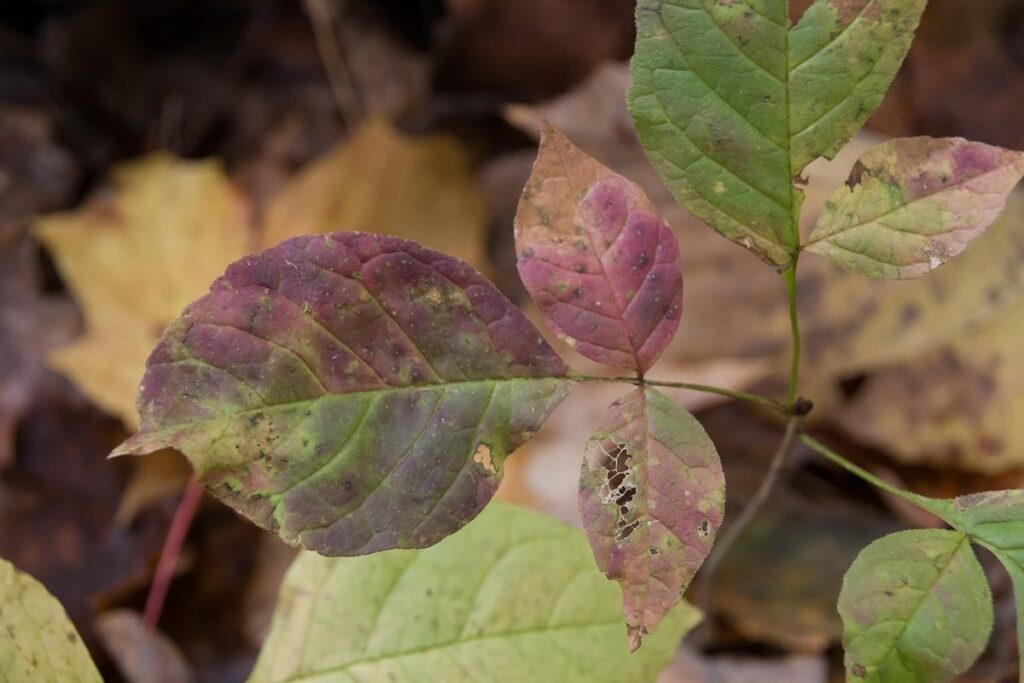
Another important characteristic to note is the color of the leaves. While they can be a variety of shades, poison ivy’s leaves are usually green on top and lighter underneath. The stems of poison ivy plants are also worth noting – they’re typically hairy and reddish in color, especially when they’re young.
It’s easy to confuse poison ivy with other plants like poison oak or sumac, but there are some key differences to look out for. For example, poison oak has lobed leaves that resemble a teardrop shape, while sumac has compound leaves with 7-13 leaflets. By paying attention to these characteristics and taking the time to observe your surroundings carefully, you can confidently identify poison ivy and steer clear of its irritating oils.
Habitat and Distribution
Poison ivy can be found growing wild throughout much of North America, so it’s essential to know its preferred habitats and geographic range. From woodlands to backyards, this section will help you understand where to expect poison ivy to thrive.
Understanding Where Poison Ivy Grows
Poison ivy is notorious for its ability to thrive in various environments, making it essential to understand where it commonly grows. Typically, you can find poison ivy in forests and woodlands, particularly in areas with rich soil conditions and high humidity levels.
These environments provide the perfect conditions for poison ivy to spread and grow. The plant loves moist, fertile soil that’s often found near streams or rivers. Be cautious when hiking or walking through these areas, as poison ivy can be hidden among the foliage, waiting to cause an itchy encounter.
In addition to forests and woodlands, poison ivy also grows in areas with rich soil and high humidity levels. This might include ravines, gorges, and even urban parks with well-manicured lawns. Remember that poison ivy is a adaptable plant and can grow in various light conditions, from full sun to partial shade.
When exploring these environments, keep an eye out for the distinctive characteristics of poison ivy, such as its reddish-green stems and compound leaves. By being aware of where poison ivy typically grows, you’ll be better equipped to identify it and avoid those pesky rashes.
Regional Variations and Adaptability
Poison ivy is incredibly adaptable and can thrive in various environments across different regions. In the southeastern United States, for example, it tends to grow as a woody vine along trees and fence lines. But in cooler climates like the Pacific Northwest or Northeast, it often takes on a more shrub-like form.
In warm and humid climates like Florida or Hawaii, poison ivy can become particularly aggressive, with vines stretching up to 100 feet long. In contrast, drier regions like Arizona or Texas tend to host smaller, more isolated patches of poison ivy.
When identifying poison ivy in different parts of the country, it’s essential to consider its adaptations to local ecosystems and climates. For instance, in areas with frequent flooding or standing water, poison ivy may develop a more aquatic appearance, with longer stems and narrower leaves. In dry environments, on the other hand, it might appear as small, isolated clumps.
To accurately identify poison ivy in your region, familiarize yourself with local variations and keep an eye out for its characteristic features: compound leaves with three leaflets, white or greenish-yellow flowers, and red berries in the fall.
Recognizing Poison Ivy’s Appearance
When it comes to identifying poison ivy, knowing what to look for is crucial. This section will guide you through recognizing its distinctive leaf patterns and characteristics.
Leaf Shapes and Arrangements
When it comes to identifying poison ivy, understanding its leaf shapes and arrangements is crucial. Poison ivy leaves are typically ovate or elliptical in shape, with three pointed lobes on each leaf. The most distinctive feature of poison ivy leaves is the presence of these lobes, which can be quite pronounced.
In terms of arrangement, poison ivy leaves grow in an alternate pattern along the stem, meaning that each leaf is positioned at a 90-degree angle to the one above and below it. This pattern can help distinguish poison ivy from similar-looking plants like poison oak and sumac.
As the seasons change, so do the characteristics of poison ivy’s leaves. In spring, new growth often appears with fewer lobes or even rounded tips. By summer, the characteristic three-lobed shape is more pronounced, but as fall sets in, the leaves may start to turn red or yellow and eventually drop from the plant.
Take a closer look at the stems of suspected poison ivy plants: if you notice clusters of thorns or hairs, it’s likely not poison ivy.
Buds, Stems, and Roots
When examining poison ivy, it’s essential to consider more than just its leaves. The bud appearance, stem coloration, and root structures can all provide valuable clues for accurate identification.
Buds are typically small, rounded, and often green or reddish in color. When poison ivy is preparing to grow new leaves, these buds will swell with the leaflets unfolding as they emerge. In contrast, some other plants may have more elongated or pointed buds. Take note of whether the bud is single or compound – poison ivy’s usually has one small bud where a single leaflet emerges.
Stems can also be a distinctive feature, especially in mature plants. Poison ivy stems are often hairy, smooth, and thin, while some similar plants may have thicker, hairless, or fuzzy stems. Be mindful of the stem’s coloration as well – poison ivy tends to have greenish stems with light-colored spots or stripes.
When digging up a plant you suspect is poison ivy, examine its root structures. Poison ivy roots are usually long and thin, often growing in runners or above-ground stems that produce new plants at nodes.
How to Identify Poison Ivy in Different Stages
As you venture into the great outdoors, it’s essential to know what to look for when identifying poison ivy at various stages of growth. We’ll guide you through the distinctive characteristics of each stage.
Springtime Identification
As spring arrives, poison ivy begins to show its vibrant colors and distinctive features. This is an excellent time to identify the plant, as new growth emerges from underground roots. Look for small, round leaf buds that will eventually develop into typical ivy leaves. These buds are usually a lighter shade of green than mature leaves and may appear slightly fuzzy.
In early spring, poison ivy often displays clusters of tiny white or yellowish flowers along its stems. These flowers can help confirm the plant’s identity, as they’re rarely found on other species. Keep in mind that these blooms are short-lived and typically disappear by late spring. As the season progresses, new leaves will unfurl, showcasing the characteristic lobed shape and pointed tips.
When identifying poison ivy in the spring, be aware of its habit of growing along trails, trees, and rocks. This is a good opportunity to inspect the plant’s roots, which can also aid in identification. Take note that some varieties of poison ivy may not exhibit all these characteristics simultaneously, so observe multiple features to ensure accurate identification.
Summer and Fall Characteristics
As we’ve discussed the identification of poison ivy during its most common stages, it’s essential to understand that its appearance changes significantly with the seasons. During full foliage development, typically from late spring through early summer, poison ivy can be identified by its distinctive compound leaves with three leaflets that are pointed at the tip and have a smooth edge.
As summer progresses, poison ivy begins to produce fruiting structures, including green or yellowish berries that grow in clusters. These berries contain seeds that help the plant spread its roots, allowing it to grow and thrive in new areas. During this time, the leaves may appear more vibrant and full of color due to the increased availability of sunlight.
As fall approaches and winter dormancy sets in, poison ivy undergoes a transformation. The leaves turn red or yellow before falling off, leaving behind bare stems that will remain dormant until the next growing season. Understanding these seasonal changes can help you recognize poison ivy even when it’s not in its most recognizable stage, making identification easier and more effective throughout the year.
Safety Precautions and Handling
When handling poison ivy, it’s essential to take precautions to avoid exposure and potential allergic reactions. This section will walk you through safe handling practices and procedures.
Protective Gear and Clothing
When venturing outdoors to identify poison ivy, it’s essential to take the necessary precautions to avoid skin contact and exposure. To minimize the risk of an allergic reaction, wear protective clothing that covers your skin from head to toe. This includes long-sleeved shirts, pants, and closed-toe shoes.
In addition to protective clothing, apply topical treatments to exposed areas such as your hands, face, and neck. Look for products containing ingredients like calamine lotion or hydrocortisone cream. These will help reduce the severity of any potential reaction. If you plan on working in an area with dense vegetation, consider applying a barrier cream to prevent urushiol oil from penetrating your skin.
When handling tools or equipment, make sure they are clean and free of any potential irritants. Wash your hands thoroughly after completing your task, and avoid touching your face or eyes until your skin has been washed. By taking these simple precautions, you can significantly reduce the risk of an allergic reaction and ensure a safe and successful identification process.
First Aid Procedures in Case of Exposure
If you’ve been exposed to poison ivy’s urushiol oil, it’s essential to take immediate action to prevent further irritation and potential long-term damage. The first step is to wash the affected area thoroughly with soap and water as soon as possible. This can help remove some of the oil from your skin, reducing the severity of the reaction.
Use a mild soap, such as dial or gentle dish soap, and warm water to clean the area. Avoid using harsh soaps or abrasive cleaners, which can further irritate the skin. Repeat this process several times until you’re confident that most of the oil has been removed. Be sure to wash your hands thoroughly after handling the affected area.
In some cases, exposure to poison ivy can lead to severe reactions, including anaphylaxis. If you experience symptoms such as difficulty breathing, rapid heartbeat, or swelling of the face, throat, or mouth, seek medical attention immediately.
Common Misidentifications and Confusions
You’ve probably seen some plants that resemble poison ivy, but aren’t quite it. In this section, we’ll explore the most common lookalikes to watch out for in the wild.
Poison Ivy vs. Oak and Sumac
When it comes to poison ivy, many people get confused with its more toxic relatives: poison oak and poison sumac. While all three plants contain urushiol, the oil that causes the irritating rash, they have distinct differences in appearance and habitat.
Poison oak (Toxicodendron diversilobum) is found primarily on the West Coast and has lobed leaves that resemble a shamrock or an oak leaf. It can grow as a vine, shrub, or small tree, making it difficult to identify without proper knowledge. Poison sumac (Rhus vernix), on the other hand, is found in the southeastern United States and has white berries in clusters of 2-5. Its leaves have 7-13 pointed lobes and grow up to 10 inches long.
To distinguish between these plants, look for the following characteristics: poison oak’s lobed leaves with rounded tips, poison sumac’s compound leaves with 7-13 pointed lobes, and the distinctive white berries of poison sumac. If you’re still unsure, consider the plant’s habitat – poison ivy is typically found in eastern and central North America, often growing as a vine on trees or as a groundcover.
Remember, the key to avoiding a painful encounter with these plants is knowledge and awareness. By learning how to identify them accurately, you can enjoy the outdoors without worrying about getting a rash from their irritating oil.
Similar-Looking Plants and Their Characteristics
When identifying poison ivy, it’s not uncommon to mistake it for other plants that share similar characteristics. Two trees that often cause confusion are black walnut (Juglans nigra) and boxelder (Acer negundo). Both of these trees have compound leaves with a similar shape to poison ivy, but they lack the distinctive leaflets that typically grow in clusters of three on poison ivy stems.
Black walnut has larger leaves with 13-23 leaflets, whereas boxelder’s leaves have 3-5 leaflets. However, it’s essential to note that both trees can grow quite large and may not always display their characteristic leaf patterns close to the ground where poison ivy tends to thrive. When in doubt, look for the urushiol oil present on the sap of poison ivy, which causes an allergic reaction in most people.
Here are some tips to help you differentiate between these trees and poison ivy:
* Look for the number of leaflets: Poison ivy typically has 3 leaflets per stem, while black walnut has 13-23.
* Observe the shape and size of the leaves: Black walnut leaves are larger and more rounded than poison ivy’s.
* Be aware of the growth habits: Both black walnut and boxelder trees can grow quite large, so it’s essential to inspect the area thoroughly.
Prevention and Management
Now that you’ve identified poison ivy, it’s essential to know how to prevent future encounters and manage any reactions that may occur. This section will guide you through both prevention and management strategies for safe coexistence with poison ivy.
Avoiding Exposure in Nature
When venturing into nature, it’s easy to get caught up in the excitement of exploring new trails and discovering hidden gems. However, with over 500,000 cases reported annually, poison ivy is a common threat that can quickly turn an enjoyable hike into a painful experience. To minimize your encounters with this pesky plant, it’s essential to be aware of your surroundings and take proactive steps.
When choosing trails, opt for well-maintained paths and avoid areas with dense undergrowth or overgrown vegetation. A good rule of thumb is to stick to trails that are regularly used by others – they’re more likely to have been cleared of poison ivy. Always inspect the trail ahead before proceeding, keeping an eye out for telltale leaves and vines.
Educate yourself on what poison ivy looks like (check the guide for a comprehensive description) and teach others about its dangers. When hiking with friends or family, designate one person to be the “poison ivy scout,” responsible for identifying potential threats and alerting others.
Treatment Options and Remedies
If you’ve come into contact with poison ivy and are experiencing symptoms such as itching, redness, and blistering, there are several treatment options available to alleviate your discomfort. Over-the-counter (OTC) creams and ointments can be an effective starting point for mild cases of exposure.
Calamine lotion is a popular choice for treating poison ivy rash due to its soothing properties. It’s easy to apply and can help reduce itching and redness. Another option is hydrocortisone cream, which contains steroids that can help reduce inflammation and swelling. However, it’s essential to follow the product instructions carefully and not overuse these creams, as this can lead to skin thinning.
In more severe cases of exposure or if you’re experiencing difficulty breathing, swallowing, or have widespread rashes, seek medical attention immediately. Your doctor may prescribe stronger medications such as oral antihistamines or corticosteroids to manage symptoms. In some instances, they may also recommend a tetanus shot if your skin is broken due to the poison ivy rash.
It’s crucial to note that prevention is often the best medicine when it comes to poison ivy. However, understanding and having access to effective treatment options can make a significant difference in your quality of life after exposure.
Frequently Asked Questions
What if I’m still unsure about poison ivy identification after reading this article?
If you’re still struggling to identify poison ivy, consult with a trusted field guide or expert for personalized guidance. It’s also essential to familiarize yourself with the plant’s common habitats and growth patterns in your region.
Can I use over-the-counter treatments for poison ivy exposure immediately after contact?
No, it’s crucial to wash the affected area thoroughly with soap and water as soon as possible after exposure. Over-the-counter treatments can be applied later, but immediate washing is key to preventing the oil from spreading further.
What are some common areas where I might encounter poison ivy in its various stages of growth?
Be aware that poison ivy can grow as a vine, shrub, or even a small tree. Look for it along streams, rivers, and wooded areas, particularly during springtime when new leaves emerge.
Can I use the same treatment methods for oak and sumac exposure?
No, each plant has its unique characteristics, and treatments may vary. Always identify the specific plant causing irritation to ensure proper treatment and avoid any potential allergic reactions.
How can I teach others about poison ivy identification and prevention?
Share your knowledge with family and friends by creating a simple guide or workshop that focuses on key identifying features and safety precautions. This will help spread awareness and encourage responsible outdoor behavior.