
Plant identification can be a daunting task, especially when you’re surrounded by lush greenery and don’t know where to start. But have you ever stopped to think about how easily you could identify a plant simply by examining its leaf? Leaf shape, size, color patterns – all these characteristics can be telling signs of what type of plant you’re looking at. In this comprehensive guide, we’ll walk you through the key factors to consider when identifying plants by leaf, from the simplest features like leaf arrangement and margin, to more complex traits like venation and flower patterns. By mastering these techniques, you’ll be able to confidently identify even the most mysterious plants in your garden or on your next outdoor adventure.
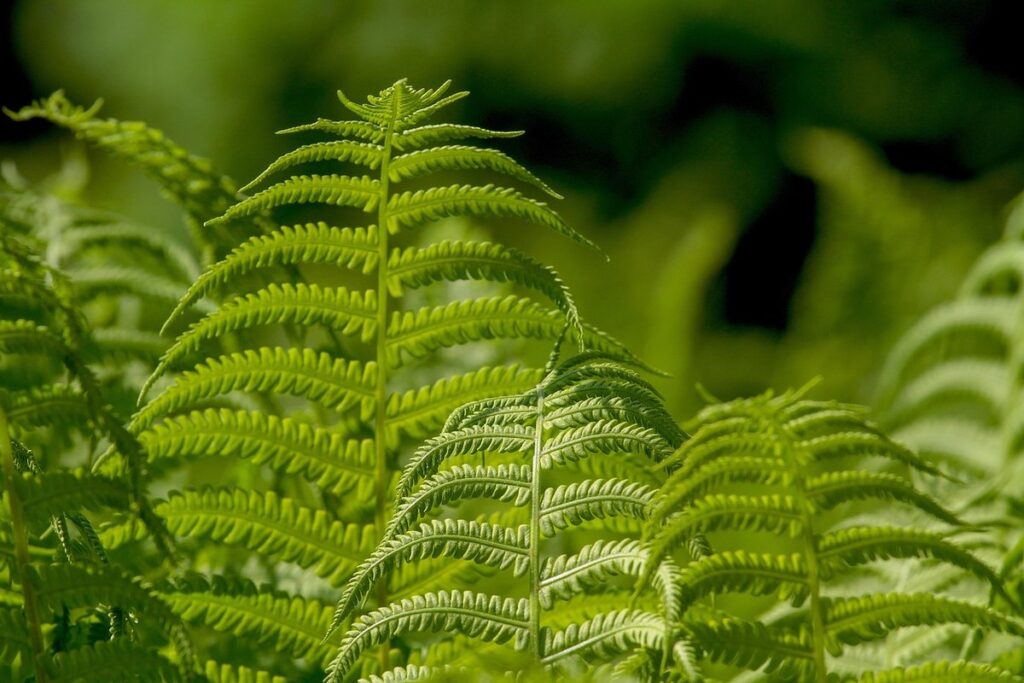
Understanding Plant Leaves and Their Characteristics
When it comes to identifying plants by leaf, understanding their unique characteristics is key. Let’s break down the essential features of plant leaves that will help you narrow down your search.
The Importance of Leaf Shape in Plant Identification
Leaf shape is one of the most critical characteristics used in plant identification. It can help narrow down the possibilities to a specific family or even genus. Let’s take a closer look at some common leaf shapes and their corresponding plant families.
Oval-shaped leaves are typical of the rose and apple families, while heart-shaped leaves are characteristic of plants like the magnolia and the bay laurel. The shape of a leaf can also give clues about its function. For example, needle-like leaves, often found in conifers, help to reduce water loss by minimizing surface area.
Some plant families have distinctive leaf shapes that make identification easier. Palm trees, for instance, have large, pinnate leaves with multiple leaflets growing from a central stem. Similarly, the fig family is easily identified by its simple, ovate-shaped leaves with entire margins.
When examining a leaf’s shape, look at its overall form, including any lobes or indentations. This will help you determine if it’s a simple or compound leaf. Take note of any distinguishing features like the presence of teeth or hairs on the margin. By paying close attention to these details, you’ll become more confident in your ability to identify plants using their leaves.
Leaf Margin Types and Their Significance
When examining a plant’s leaves, one of the key characteristics to observe is the type of margin it has. The margin refers to the edge of the leaf, and there are several distinct types that can aid in identification.
Serrated margins, for example, have small teeth or notches along the edge, similar to a knife’s serrations. This type of margin is common in plants like oak trees and maple trees. On the other hand, lobed margins feature deep incisions or “lobes” that divide the leaf into distinct sections. Plants with lobed margins include rhododendrons and azaleas.
Entire margins, as their name suggests, are smooth and without any notches or teeth. Leaves with entire margins often appear more delicate and can be found on plants like ferns and peace lilies.
Knowing the type of margin can help narrow down the possible plant species. For instance, if you encounter a leaf with serrated margins, it may indicate that the plant is part of the rosaceae family (such as apples or roses).
Leaf Arrangement: Understanding Alternate and Opposite Leaves
When examining a plant’s leaves to determine its identity, one crucial aspect to consider is the arrangement of leaves on the stem. This can be an effective way to narrow down potential matches and make an accurate identification.
There are two primary leaf arrangements: alternate and opposite. In an alternate pattern, leaves grow on either side of the stem, with each leaf emerging from a separate node at a 90-degree angle. This is common in many deciduous trees, such as oaks and maples.
In contrast, an opposite arrangement features pairs of leaves growing directly across from one another on the stem. This can be seen in plants like cherry laurels and willows. To identify whether a plant has alternate or opposite leaves, gently rotate the stem between your fingers while observing the leaf pattern.
To differentiate between these two arrangements, simply count the number of nodes (the joint where a leaf meets the stem) between each pair of leaves. If there’s one node, it’s an opposite arrangement; if there are multiple nodes, it’s likely an alternate arrangement. This technique requires patience and attention to detail but can significantly aid in plant identification.
Key Features for Plant Identification by Leaf
When identifying plants by leaf, some key features can make all the difference in pinpointing a specific species. We’ll break down these crucial characteristics to help you get started.
The Role of Leaf Size in Plant Identification
When examining a leaf for identification purposes, its size can be a crucial factor in narrowing down potential plant possibilities. Large-leaved plants, such as the Philodendron selloum and the Monstera deliciosa, can often be easily distinguished from smaller-leaved varieties due to their impressive scale.
In contrast, small-leaved plants like succulents and cacti are typically easy to identify by their diminutive foliage. For example, Aloe vera is a popular household plant known for its compact leaves, whereas the Echeveria genus boasts a wide range of small-leaved species with vibrant colors and unique shapes.
When observing leaf size, consider not only the overall length but also the width and shape. Some plants, such as ferns, have delicate fronds that can be quite long yet narrow, while others like the Banyan tree boast broad leaves that can reach up to 2 feet in diameter.
To make use of this characteristic during plant identification, take note of the size of the leaf you’re examining and compare it to any available reference images or descriptions. This will help you rule out certain possibilities based on the size alone, making further examination and identification more manageable.
Leaf Coloration: Understanding Its Significance in Plant Identification
Leaf coloration is one of the most distinctive and useful features for plant identification by leaf. Different colors, patterns, or textures on leaves can be used to identify specific plants, making it an essential aspect of botanical identification. Variegation, for instance, refers to the presence of distinct markings or colors on a leaf’s surface. This can range from stripes or spots to intricate patterns and shapes.
Leaf sheen is another characteristic that plays a significant role in plant identification. Leaves with a glossy finish tend to indicate a higher water content, while those with a matte finish often come from plants adapted to dry environments. For example, the leaves of orchids typically have a waxy texture and a high gloss, which helps them retain moisture in arid conditions.
To observe leaf coloration effectively, examine your specimen under both natural and artificial light. Note any variations in color intensity or patterns across different parts of the leaf. Additionally, consider factors like the plant’s growth habits, habitat, and geographical distribution to better understand its adaptations and environmental influences.
Veins and Venation Patterns for Plant Identification
When examining a leaf for identification purposes, it’s essential to consider not just its shape and size but also the intricate patterns of veins that crisscross its surface. Veins are responsible for transporting water and nutrients throughout the plant, and their unique arrangements can be a distinctive characteristic shared by certain species.
There are several key aspects of vein arrangement to look out for when attempting to identify a leaf. The primary vein, or midrib, runs along the length of the leaf and is often thicker than other veins. Secondary veins branch off from the primary vein at regular intervals, forming a network that can be either parallel, net-like (reticulate), or pinnate.
Observe how these secondary veins intersect with each other – this can sometimes create unique patterns, such as palmate or lobed leaves. Some plants have very distinct venation patterns, like the net-veined leaves of succulents or the characteristic ladder-like pattern found on certain species of ferns.
When examining a leaf’s venation pattern, take note of its orientation: are veins parallel to each other and the edge of the leaf, or do they run at an angle? This information can help narrow down your identification options.
Leaf Patterns and Their Importance in Plant Identification
When it comes to identifying plants, leaf patterns can be a crucial clue. In this next part of our guide, we’ll explore how these patterns help us identify different species.
Understanding Leaf Arrangement Patterns: Whorled Leaves
Whorled leaves are one of the most distinctive leaf arrangement patterns found in plants. These leaves emerge from the stem in a circular pattern, forming a whorl around it. One way to identify whorled leaves is to look for the number of veins or leaflets that radiate out from the center of the leaf. Plants with whorled leaves often have multiple leaves that are attached at the same point on the stem.
Some common plants with whorled leaves include the bleeding heart (Dicentra spectabilis) and the coral bells (Heuchera spp.). When identifying a plant with whorled leaves, it’s essential to note the number of leaves in each whorl, as well as their size and shape. For example, some plants may have single whorls, while others may have multiple whorls that alternate along the stem.
To accurately identify a plant using its leaf arrangement, observe how the leaves are attached to the stem. Are they directly opposite one another (opposite), or do they form an alternating pattern? In the case of whorled leaves, it’s often more challenging to distinguish between plants with similar leaf arrangements. However, by observing other characteristics such as leaf shape, size, and color, you can narrow down the possibilities and make a more informed identification.
Leaf Venation Patterns for Beginners
Leaf venation patterns are an essential aspect of leaf morphology that can aid in plant identification. As a beginner, understanding these patterns will help you decipher the characteristics of various plants. The most common types of venation patterns are parallel, netted, and pinnate.
Parallel venation is characterized by veins that run alongside each other in a straight line, without intersecting or meeting at any point. This pattern is commonly found in succulents, cacti, and grasses. On the other hand, netted venation features a network of veins that intersect and meet at various points. Examples include maples, oaks, and beech trees.
Pinnate venation, also known as feather-like venation, has veins that branch out from a central point like fingers on a hand. Palm trees and many tropical plants exhibit this pattern. To observe these patterns closely, hold the leaf in front of a light source or under magnification. Study how the veins radiate from the stem, intersecting with each other at varying angles. By becoming familiar with different venation patterns, you’ll be better equipped to identify plant species based on their unique characteristics.
Case Studies: Real-Life Examples of Plant Identification by Leaf
Let’s dive into real-life examples of plant identification by leaf, where we’ll explore actual cases and learn from their successes and challenges. This section will showcase how accurate leaf identification can make a difference in everyday life.
Using Leaf Characteristics to Identify Common Garden Plants
When it comes to identifying common garden plants, leaf characteristics are often the most visible and accessible features to examine. By paying attention to shape, size, color, texture, and arrangement of leaves, you can narrow down the possibilities and make a more accurate identification.
For example, if you notice that your plant has compound leaves with multiple leaflets, it could be an Ash tree (Fraxinus spp.) or a Walnut tree (Juglans spp.). On the other hand, if your plant has large, thick leaves with wavy edges, it might be a Monstera deliciosa.
To get started with identifying common garden plants by leaf characteristics, begin by observing and recording details such as:
* Leaf shape: Are they oval, lance-shaped, or deeply lobed?
* Size: How long are the leaves? Are they large or small in comparison to the plant’s stem?
* Color: What color is the leaf? Are there any variegations or patterns?
* Texture: Is the leaf smooth, hairy, or waxy?
* Arrangement: Do the leaves grow opposite each other on the stem, or are they alternately arranged?
By taking note of these features and consulting a field guide or plant identification resource, you can confidently identify many common garden plants.
Identifying Exotic or Rare Plants with Leaf Features
Identifying exotic or rare plants with unique leaf features requires a combination of close observation and knowledge of plant morphology. Take, for instance, the Corpse Flower (Amorphophallus titanum), native to the rainforests of Sumatra. Its massive leaves can grow up to 6 feet long and 2 feet wide, featuring a distinctive pointed tip and a wavy margin. By observing these characteristics, botanists can identify the plant with high accuracy.
Another example is the Ghost Orchid (Dendrophylax lindenii), found in the tropical forests of Central and South America. Its leaves are long and thin, often curled up at the tips, and feature a unique pattern of veination. By studying these leaf features, even experienced botanists can mistake it for other similar species.
To identify exotic or rare plants with unique leaf features, follow these steps: first, observe the overall shape and size of the leaves; note any distinctive patterns, shapes, or colors; and look for any characteristic markings, like veins or margins. Consult field guides, online resources, or consult with experts if necessary to confirm your identification. With practice and experience, you’ll become more adept at recognizing these unique features and confidently identifying exotic plants.
Tips for Mastering Plant Identification by Leaf
Mastering plant identification by leaf requires attention to detail and practice, but with these expert tips, you’ll be well on your way to becoming a pro. Here are our top tips for identifying plants with ease.
Best Practices for Observing and Recording Leaf Characteristics
When observing and recording leaf characteristics, it’s essential to be meticulous and thorough. Start by examining the overall shape and size of the leaf, noting its margin, apex, and base. Look for distinctive features such as teeth, lobes, or serrations. Take note of the leaf’s texture, whether it’s smooth, hairy, or waxy.
To capture these details effectively, try taking clear photographs of the leaf from multiple angles. Use a macro lens or a smartphone with good zoom capabilities to get up close and personal. When photographing, ensure good lighting, ideally natural light, to avoid shadows and highlights that might distort the image.
When recording notes, use a standardized format to ensure consistency. Start by documenting the plant’s common name, scientific name (if known), and any relevant habitat or distribution information. Then, focus on the leaf characteristics you observed, using descriptive language to convey your findings. For example, “The leaves are ovate with entire margins and a cuneate base.” By following these steps, you’ll develop a keen eye for detail and be well-equipped to record and identify plant species by their leaves.
Resources for Further Learning and Practice
If you’re eager to take your plant identification skills to the next level, there are numerous resources available for further learning and practice. Online courses can be an excellent way to dive deeper into plant anatomy and taxonomy. Websites like Coursera, edX, and Udemy offer a range of courses on botany and plant identification, often taught by expert professors or professionals in the field.
Field guides are also a vital tool for any serious plant enthusiast. The classic “New Manual of Botany” by Gleason and Cronquist is a comprehensive guide that covers over 4,000 species found in North America. However, it can be bulky to carry around on field trips. Digital alternatives like PlantSnap or Leafsnap offer similar functionality but with the convenience of a mobile app.
In addition to these resources, there are many apps available for plant identification. PlantSnap and Leafsnap allow users to upload photos of leaves or flowers and receive instant identifications. For more in-depth learning, try exploring botanical gardens’ websites, which often feature educational materials, tutorials, and workshops on plant identification.
Frequently Asked Questions
How do I apply my newfound knowledge of leaf characteristics to everyday plant identification?
When out in nature or tending to your garden, actively look for leaf shapes, sizes, colors, and patterns. Take note of these characteristics by sketching or photographing the leaves. This will help you develop a keen eye for detail and make it easier to identify plants in the future.
Can I use online resources to verify my plant identification skills?
Yes, there are numerous online databases and apps that can aid in plant identification using leaf characteristics. Utilize these tools alongside your own observations to increase accuracy. Some popular options include Leafsnap, PlantSnap, and iNaturalist.
What if I’m unsure about the leaf venation pattern or other advanced features?
Leaf venation patterns can be complex, but it’s not always necessary to identify every detail. Focus on general trends and characteristics that fit your plant. If you’re still unsure, consult multiple sources or seek guidance from a botanist or experienced gardener.
How do I differentiate between similar-looking plants with identical leaf shapes?
When dealing with plants sharing similar leaf shapes, look for other distinctive features like leaf arrangement, size, coloration, and any notable patterns. Also, consider the plant’s growth habits, stem characteristics, and flowers or fruits (if present).
Can I use leaf characteristics to identify plants from seedlings or immature leaves?
Yes, many of the characteristics discussed in this guide can be applied to seedlings or immature leaves. However, keep in mind that some features may not be as pronounced until the plant reaches maturity. Be prepared to revisit your observations and adjust your identification accordingly.