
Hot peppers are a staple in many cuisines around the world, adding flavor and heat to dishes from spicy stir-fries to tangy sauces. But have you ever stopped to think about the different types of hot peppers out there? With so many varieties to choose from, it can be tricky to know which one to pick for your next recipe. Whether you’re a seasoned chef or a beginner cook, being able to identify hot peppers by their shape, color, and heat level can make all the difference in elevating your cooking game.
In this comprehensive guide, we’ll take you on a journey through the world of hot peppers, covering everything from types and growing conditions to how to tell whether a pepper is scorching hot or just mildly spicy. By the end of it, you’ll be able to confidently identify even the most obscure varieties, ensuring that your cooking adventures are always a success.
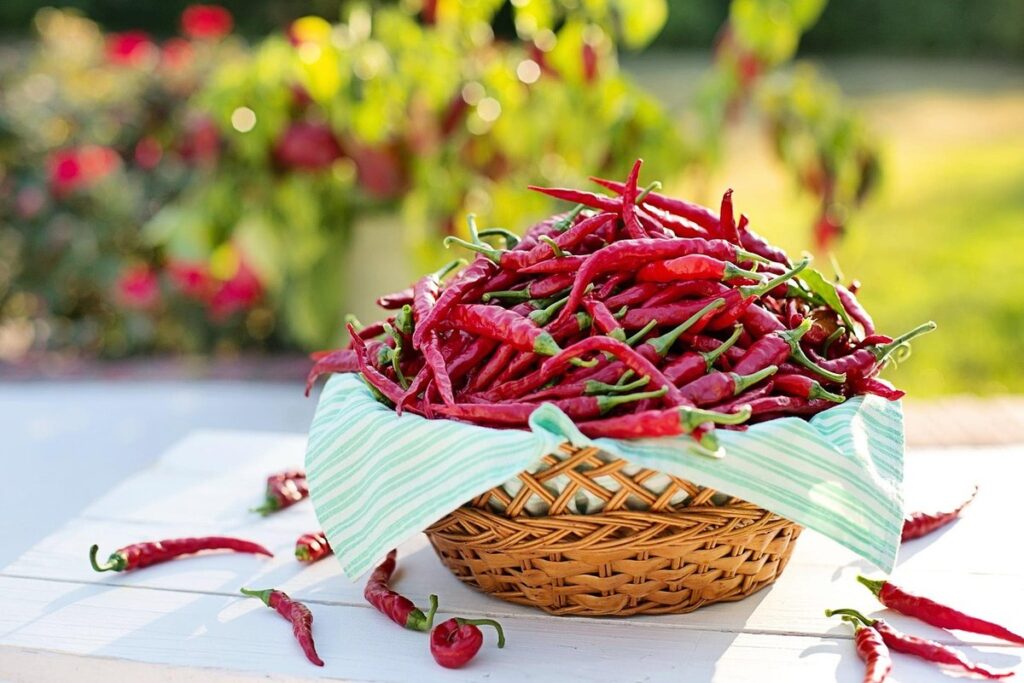
Understanding Hot Peppers
Let’s dive into the fascinating world of hot peppers and explore what makes them so unique, from their origin to their heat level. We’ll break down the key characteristics that distinguish one hot pepper from another.
The Basics of Hot Peppers
Hot peppers have been a staple ingredient in many cuisines around the world for thousands of years. Originating from the Americas, hot peppers were first cultivated by the Incas and Aztecs, who prized them not only for their flavor but also for their medicinal properties.
Today, hot peppers are a fundamental component of many international cuisines, including Asian, African, Latin American, and Indian cooking. In fact, it’s estimated that over 90% of the world’s population consumes some form of hot pepper on a regular basis. This widespread adoption can be attributed to the incredible diversity of hot peppers, with over 200 known varieties, each offering a unique flavor profile and level of heat.
From the mild Anaheim pepper to the scorching Ghost Pepper, there’s a hot pepper out there for every palate. But before we dive into identifying specific types of hot peppers, it’s essential to understand their basic characteristics and uses in cooking. With this knowledge, you’ll be well-equipped to navigate the world of hot peppers and choose the perfect variety for your next culinary adventure.
Types of Hot Peppers
When it comes to hot peppers, you’ll often come across various categories that cater to different tastes and preferences. One of the most common types is sweet peppers, which are technically not as spicy as they’re perceived. These mild-to-medium hot peppers have a sweeter flavor profile and a crunchy texture, making them an excellent choice for salads, stir-fries, or roasted as a side dish.
Hot paprika, on the other hand, falls into the slightly spicier category. It’s made from ground bell peppers that are smoked or dried to enhance their flavor and heat level. This versatile spice is commonly used in Hungarian and Spanish cuisine, adding depth and warmth to dishes like goulash, stews, or roasted vegetables.
Specialty peppers, however, take the heat up a notch with varieties like ghost peppers (Bhut Jolokia) and scorpion peppers (Pakistani Naga). These extremely hot peppers are not for the faint of heart, but they’re perfect for adventurous eaters who want to test their tolerance. When working with these peppers, it’s essential to handle them carefully, as the oils in their flesh can cause skin irritation.
Incorporating different types of hot peppers into your cooking can add a world of flavors and heat levels to your dishes. Experimenting with various categories will help you find the perfect balance for your taste buds.
Identifying Hot Pepper Shapes
When it comes to hot pepper identification, recognizing different shapes is a crucial step in pinpointing a specific variety. Let’s explore some of the most common shapes you’ll encounter in this guide.
Bell-Shaped Hot Peppers
Bell-shaped hot peppers are one of the most recognizable and sought-after varieties among chili enthusiasts. These peppers typically have a symmetrical, rounded shape with four lobes, resembling the classic bell pepper but with a slightly more angular appearance. In terms of color, bell-shaped hot peppers come in an array of vibrant shades, including green, red, yellow, orange, purple, and even white.
When it comes to cooking, bell-shaped hot peppers are incredibly versatile. Their mild to moderate heat level makes them perfect for adding a subtle kick to dishes without overpowering the other flavors. They’re commonly used in salsas, salads, stir-fries, and as a topping for tacos, pizzas, and sandwiches. One of the most popular ways to use bell-shaped hot peppers is to stuff them with cheese, herbs, or meats and bake until tender.
To identify bell-shaped hot peppers, look for their characteristic rounded shape, four distinct lobes, and vibrant coloration. If you’re new to growing your own hot peppers, consider starting with a bell-shaped variety like the popular ‘Jalapeño Bell’ or ‘Cubanelle’. With proper care, these plants will reward you with an abundance of delicious, bell-shaped peppers perfect for adding heat and flavor to your favorite dishes.
Slim Hot Peppers
Slim hot peppers are characterized by their elongated shape and narrow profile. They typically range from 2 to 4 inches in length, with a pointed tip at one end and a slight tapering towards the other. One of the most distinctive features of slim hot peppers is their moderate to intense heat level, often falling between 15,000 and 30,000 Scoville Heat Units (SHU).
Their slender shape makes them ideal for slicing into thin strips or rings, allowing for even heat distribution in dishes. In culinary applications, slim hot peppers are often used as a garnish or added raw to salads, salsas, and sandwiches for an extra burst of flavor.
One popular example is the Anaheim pepper, commonly used in Mexican and Southwestern cuisine. Its mild to medium heat level and crunchy texture make it perfect for stuffing with cheese or other fillings before baking. When selecting slim hot peppers, look for those that are firm and have a glossy appearance, indicating optimal freshness and flavor potential.
Recognizing Hot Pepper Colors
When it comes to hot pepper identification, being able to recognize the different colors of peppers is a crucial skill to master. Let’s take a closer look at how to identify various hot pepper colors in this section.
Red Hot Peppers
Red hot peppers come in a range of vibrant red shades that can significantly impact their flavor profiles. The most common red hot pepper is the bright fire engine red color, commonly associated with habaneros and Scotch bonnets. These peppers are often used to add intense heat and fruity notes to dishes.
On the other end of the spectrum, deep crimson-colored hot peppers like the Red Cayenne or Red Fresno offer a more subtle flavor and slightly sweeter taste compared to their bright red counterparts. The deeper red hue is also indicative of higher sugar content, which contributes to a more balanced heat-to-sweetness ratio.
When working with red hot peppers, it’s essential to note that their color can be affected by factors like soil quality, climate, and ripeness. A deep crimson color often signals maturity and optimal flavor, while bright red may indicate younger peppers or those harvested before full ripeness. Keep this in mind when selecting the perfect pepper for your recipe.
The choice of red hot pepper ultimately depends on personal taste preferences and the desired level of heat and sweetness in a dish. By understanding the various shades of red hot peppers and their flavor profiles, you can make informed choices to elevate your cooking and take advantage of these versatile ingredients.
Green Hot Peppers
Green hot peppers are often preferred for certain dishes due to their unique characteristics. When green, they tend to be more firm and less sweet than their ripe counterparts. This texture makes them an excellent choice for adding a crunchy bite to salads, stir-fries, or as a topping for tacos.
One of the main reasons chefs prefer using green hot peppers is that their flavor profile is milder, allowing other ingredients to take center stage. For instance, in some Asian-inspired dishes, green chilies are used to add heat without overpowering the delicate flavors of seafood or poultry.
In terms of identification, green hot peppers can be distinguished from others by their bright green color and typically smooth skin. They may also have a slightly glossy appearance due to their high water content. When selecting green hot peppers for cooking, look for ones that are firm but not hard, as this indicates optimal freshness. Simply rinse them under cold running water before slicing or chopping, and they’re ready to be added to your recipe.
Measuring Hot Pepper Heat
When it comes to hot peppers, knowing their Scoville heat units (SHU) is essential for understanding just how spicy they are. We’ll walk you through the process of measuring hot pepper heat below.
The Scoville Scale
The Scoville scale is a widely recognized method for measuring the heat level of hot peppers. Developed by Wilbur Scoville in 1912, it’s a subjective assessment that involves extracting the capsaicinoids from a pepper and then quantifying their presence through a taste test. The higher the concentration of capsaicinoids, the more intense the burning sensation experienced by the taster.
While the Scoville scale is not an exact science, it provides a reliable way to estimate a pepper’s heat level. The scale ranges from 0 SHU (Scoville Heat Units) for sweet peppers to over 2 million SHU for some of the hottest varieties like the Carolina Reaper or Trinidad Moruga Scorpion.
For hot pepper enthusiasts, understanding the Scoville scale can help you navigate the world of increasingly spicy peppers. If you’re new to the game, start with milder varieties and work your way up, gradually increasing the heat level as your taste buds become accustomed to it. When trying new peppers, remember that individual tolerance to capsaicinoids can vary greatly – be sure to have a glass of milk nearby to help alleviate any discomfort!
Commonly Confused Peppers
When working with hot peppers, it’s not uncommon for even experienced growers and cooks to get some varieties mixed up. Two of the most frequently misidentified peppers are the habanero and the Scotch bonnet.
To distinguish between these two, look closely at their shape. Habaneros tend to be slightly more oval in shape, whereas Scotch bonnets have a more rounded body. Another key difference is size – habaneros typically range from 1-3 inches in length, while Scotch bonnets are usually around 2-4 inches.
It’s worth noting that both peppers have a similar, intense heat level (measured at over 100,000 Scoville units). However, the flavor profiles differ significantly. Habaneros tend to be more fruity and slightly sweet, while Scotch bonnets have a sharp, smoky taste.
When shopping for either of these peppers, make sure you’re aware of their distinctive characteristics. If in doubt, consult with a trusted vendor or expert – it’s always better to double-check than risk using the wrong pepper in your recipe.
Cultivating Hot Peppers
To grow these fiery friends, you’ll want to learn how to cultivate hot peppers effectively, which starts with choosing the right soil and temperature conditions. Let’s dive in!
Choosing the Right Variety
When it comes to cultivating hot peppers, choosing the right variety is crucial. The climate and region you’re growing in play a significant role in determining which varieties will thrive. If you live in a hot and dry area, you’ll want to focus on heat-tolerant and drought-resistant varieties like ‘Fresno’ or ‘Jalapeño’. On the other hand, if your area experiences cooler temperatures, look for varieties with higher sugar content that can handle frost, such as ‘Bell Boy’ or ‘Purple Jalapeño’.
Consider the length of your growing season when selecting a variety. If you have a short growing season, opt for early maturing varieties like ‘Thai Chili’ or ‘Cayenne’. For areas with longer seasons, you can choose from a wider range of varieties that take longer to mature.
It’s also essential to think about the flavor and heat level you prefer in your hot peppers. Do you like them mild and sweet or spicy and smoky? Choose a variety that suits your taste buds, such as ‘Habanero’ for intense heat or ‘Poblano’ for a milder flavor.
Ultimately, selecting the right variety will depend on your specific climate, growing conditions, and personal preferences. Take these factors into account to ensure you choose a hot pepper variety that thrives in your garden.
Growing Conditions
When cultivating hot peppers, it’s essential to provide them with optimal growing conditions for maximum production. Hot peppers are relatively easy to grow and can thrive in a variety of environments. To start, choose a location that receives full sun (at least 6 hours of direct sunlight) and has well-draining soil.
The ideal temperature range for hot pepper growth is between 65°F to 85°F (18°C to 30°C), making them suitable for most regions worldwide. However, they can tolerate some heat and may require shade in warmer climates to prevent scorching.
In terms of soil care, hot peppers prefer a slightly acidic pH between 6.0 and 7.0. To ensure optimal growth, add a balanced fertilizer (10-10-10 NPK) once a month, following the package instructions carefully. Water your hot pepper plants regularly, but avoid overwatering, which can lead to root rot.
For optimal production, keep your soil consistently moist during fruit set and flowering stages. Prune your plants regularly to promote bushy growth and encourage more fruit development. With proper care and attention, you’ll be enjoying a bountiful harvest of hot peppers in no time!
Frequently Asked Questions
What are the most important factors to consider when choosing a hot pepper variety for my garden?
When selecting hot peppers, consider factors like climate, soil type, and personal preference for heat level. Research popular varieties suitable for your region and growing conditions to ensure success.
Can I use a Scoville scale unit calculator to determine the heat of an unknown hot pepper?
Yes. A Scoville scale unit calculator can be a useful tool in estimating the heat of an unfamiliar hot pepper. By entering known measurements or using an online converter, you can get a reliable estimate.
Are there any safety precautions I should take when handling extremely hot peppers?
Yes. When working with extremely hot peppers, wear gloves to protect your skin and eyes from irritation. Avoid touching sensitive areas and wash hands thoroughly after handling.
How can I differentiate between closely related hot pepper varieties in a market or store setting?
In a market or store setting, inspect the shape, color, and size of the hot peppers. Also, check for any identifying labels or packaging that may indicate specific heat levels or types.
Can I grow multiple hot pepper varieties in the same garden bed without worrying about cross-pollination?
Generally, yes. Most hot pepper varieties are self-pollinating and do not require isolation to prevent cross-pollination. However, keep in mind that some varieties may have different growth habits or requirements for optimal yields. Research specific needs for each variety to ensure optimal growing conditions.