
Identifying garden pests can be a frustrating experience for any gardener. Not only do these unwanted visitors cause damage to your plants, but they also suck away precious time and resources. But don’t worry, you’re not alone in this battle. With a little knowledge and the right techniques, you can protect your garden from common pests like aphids, slugs, and caterpillars. In this article, we’ll guide you through the process of identifying these pesky creatures and understanding their causes, so you can implement effective organic pest control methods to keep them at bay. We’ll cover the signs of infestation, how to prevent pest problems, and natural ways to manage your garden’s pest population, all while keeping your garden safe for the environment and your family.
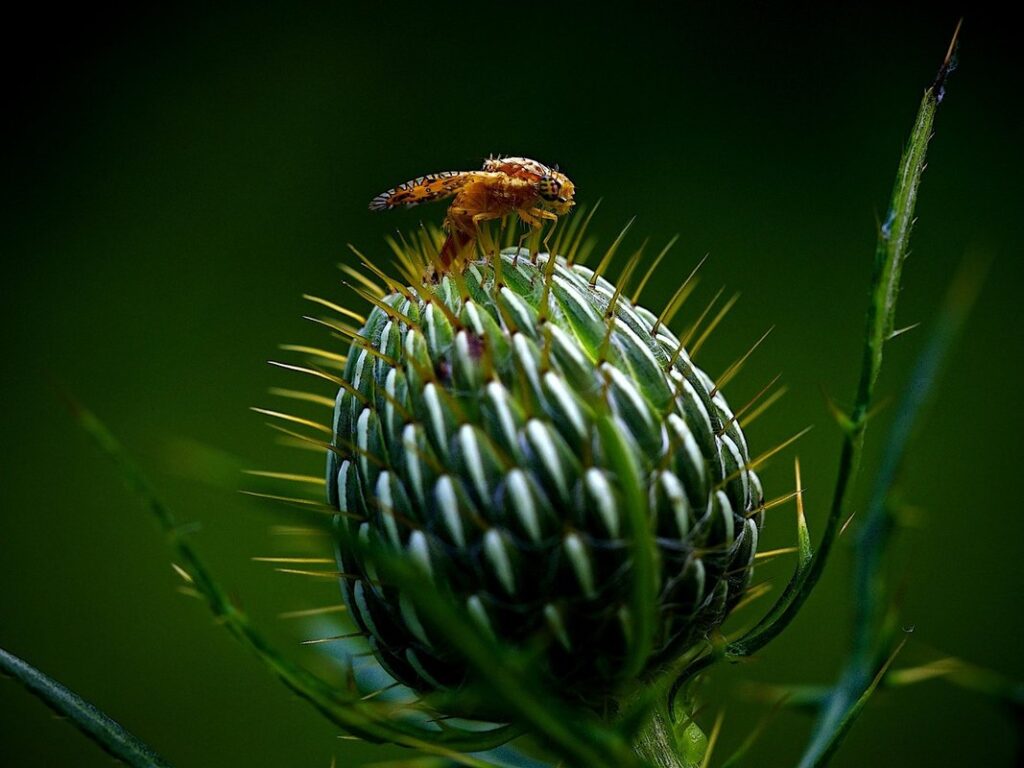
Understanding Garden Pests
When it comes to garden pests, understanding what’s out there is key to taking control of your garden. Let’s dive into the common culprits that can be causing you trouble.
Common Types of Garden Pests
Garden pests can be a frustrating problem for many gardeners. Identifying the type of pest you’re dealing with is crucial to effectively controlling and preventing damage. There are several common types of garden pests, including insects, rodents, and other animals.
Insects such as aphids, whiteflies, and spider mites are common pests that can feed on plant sap, causing curled or distorted leaves. Slugs and snails are also notorious for their ability to chew holes in leaves and fruits. Rodents like mice and voles can gnaw on plant stems and roots, while birds may peck at fruits and flowers.
Other animals, such as rabbits and deer, can cause significant damage by feeding on plants, especially during winter when other food sources are scarce. Even smaller creatures like caterpillars, aphids, and mealybugs can multiply quickly and overwhelm a garden if not addressed promptly.
By recognizing the signs of these common pests, you can take action to control their populations and prevent further damage. Keep in mind that prevention is key, so consider using physical barriers, introducing beneficial insects, or implementing integrated pest management strategies to maintain a balanced ecosystem in your garden.
Signs of Pest Infestation
When detecting pest infestations in your garden, it’s essential to look out for specific signs that indicate an issue. Damaged leaves are one of the most common indicators of a pest problem. Check for holes, tears, or discoloration on leaves, as these can be caused by insects like aphids, whiteflies, and caterpillars. Inspect fruits and vegetables closely for holes, punctures, or other damage, which may be signs of pests like slugs, snails, or rodents.
Unusual droppings or debris in your garden can also indicate a pest infestation. For example, if you notice small, dark pellets on your plants, it could be the work of aphids or caterpillars. Similarly, if you see larger, more irregular droppings, it may be indicative of slugs or snails.
Keep an eye out for these signs and take action promptly to prevent further damage. Regularly inspecting your garden will help you catch pest infestations early on, allowing you to address the issue before it gets out of hand. By being vigilant and knowing what to look for, you can protect your plants from harm and maintain a healthy, thriving garden.
Causes of Garden Pests
Garden pests can be caused by a variety of factors, including soil conditions, poor garden maintenance, and nearby infestations from neighboring gardens. Understanding these causes is key to effective pest management.
Overcrowding and Poor Gardening Practices
When it comes to garden pests, overcrowding plants and poor gardening practices can play a significant role in attracting unwanted visitors. Overcrowding, for instance, creates an ideal environment for pests like aphids, whiteflies, and spider mites to thrive. These pests feed on plant sap, causing damage and spreading diseases.
Crop rotation is crucial in preventing pest infestations. By changing the location of your crops seasonally, you break the life cycle of pests that are specific to certain plants. For example, if you grow tomatoes in the same spot year after year, you’ll likely encounter tomato hornworms, which prefer the same soil conditions.
Companion planting is another effective way to deter pests. Certain plants, such as basil and mint, repel pests like aphids and mosquitoes. Nasturtiums, for example, can help protect your garden from aphids, whiteflies, and squash bugs. Plant these companions strategically around your garden to create a pest-repellent barrier.
By adopting crop rotation and companion planting practices, you’ll not only reduce the risk of pest infestations but also promote healthy soil and biodiversity in your garden.
Climate and Environmental Factors
Climate and environmental factors play a significant role in contributing to garden pest problems. Rising temperatures due to climate change have led to an increase in pest populations, making it essential for gardeners to understand the impact of these changes on their gardens.
Droughts and extreme weather conditions can also lead to pest infestations. For example, drought-stricken areas are more susceptible to spider mites and aphids, which thrive in dry conditions. Conversely, heavy rainfall can trigger fungal diseases that attract pests like slugs and snails.
Environmental factors such as nearby water sources, dense vegetation, and soil type can also contribute to pest problems. For instance, a garden near a pond may experience an influx of mosquitoes, while areas with high humidity are more prone to mold growth, attracting mold-feeding pests.
To mitigate the effects of climate and environmental factors on your garden, consider implementing sustainable practices such as companion planting, crop rotation, and integrated pest management (IPM) strategies. These methods not only reduce pesticide use but also promote a balanced ecosystem, making it easier to manage pest populations.
Identifying Garden Pests
To effectively manage your garden, it’s crucial to identify potential pests that could be harming your plants. Let’s dive into the common garden pests you need to watch out for.
Visual Identification Methods
When it comes to identifying garden pests, visual identification methods are often the most effective and straightforward approach. One of the simplest tools you can use is a magnifying glass or hand lens. These devices allow you to get a closer look at the pest’s physical characteristics, such as its shape, color, and size.
Observe the pest’s behavior patterns, too, for more clues about what it might be. For example, if the pest is moving slowly and deliberately across your plants, it may be an aphid or whitefly. On the other hand, if it’s jumping around quickly, it could be a lady beetle or lacewing.
Examine the pest’s physical characteristics, as well. Look for distinctive markings, such as stripes or spots, which can help identify certain pests. For instance, if you see a small, oval-shaped insect with yellow and black stripes, it might be a squash bug. Note that some pests may change color or shape depending on their life stage, so keep this in mind when making your identification.
By combining these visual cues, you’ll be able to accurately identify common garden pests and take the necessary steps to manage them effectively.
Using Traps and Monitoring Devices
Using traps and monitoring devices is an effective way to detect pest infestations early on. Sticky traps are a popular choice for catching flying pests like aphids, whiteflies, and thrips. These adhesive-coated surfaces trap the pests, allowing you to monitor their population and make informed decisions about management.
Pheromone traps are another type of monitoring device that uses synthetic pheromones to attract specific pest species. For example, codling moth traps use a pheromone lure that mimics the scent of a female codling moth, drawing in male moths that can then be trapped and counted. By monitoring the number of pests caught in these traps, you can determine the severity of an infestation and take targeted action to control it.
When setting up sticky or pheromone traps, choose locations where pests are most likely to congregate, such as near plants with high pest pressure or in areas with recent pest activity. Regularly check the traps to monitor pest populations and make adjustments to your management strategy as needed.
Organic Pest Control Methods
When it comes to keeping your garden pest-free, there are many effective methods that don’t harm the environment. Let’s explore some organic approaches to manage common pests.
Companion Planting
Companion planting is a natural and effective way to deter garden pests without using chemical pesticides. By strategically pairing plants that repel common pests, you can create a balanced ecosystem that promotes healthy growth and minimizes infestations. For example, basil and mint are known to repel aphids, whiteflies, and mosquitoes, making them excellent companions for vegetables like tomatoes and cucumbers.
Marigolds and nasturtiums, on the other hand, are natural predators of nematodes and squash bugs. Planting these flowers alongside your vegetable crops can help protect them from damage. Some popular plant pairings that repel pests include:
* Nasturtiums and cabbage: repels aphids and whiteflies
* Basil and beans: repels spider mites and bean beetles
* Radishes and cucumbers: repels cucumber beetles
When implementing companion planting, remember to choose plants that have similar growing conditions and space requirements. Also, be mindful of the mature size of the companion plant, as it should not compete with your main crop for resources like light and water. With a little planning and experimentation, you can create a pest-free garden using the power of companion planting.
Neem Oil and Other Natural Pesticides
When it comes to controlling garden pests, many of us turn to chemical-based pesticides. However, these chemicals can harm not only the targeted pests but also beneficial insects and even people and pets that come into contact with them. Fortunately, there are effective and safer alternatives like neem oil and other natural pesticides.
Neem oil is extracted from the seeds of the neem tree (Azadirachta indica) and has been used for centuries in traditional Indian medicine to control pests. It’s a broad-spectrum pesticide that can be used to control a wide range of pests, including insects, mites, and even fungal diseases. To use neem oil effectively, mix it with water according to the label instructions and spray it on the affected plants. Be sure to spray the undersides of leaves and stems as well, as this is where many pests tend to hide.
Some other natural pesticides worth considering include pyrethrin sprays derived from chrysanthemum flowers, insecticidal soap, and horticultural oil. These alternatives may require more frequent applications than chemical pesticides but are generally safer for the environment and human health. When using any pesticide, be sure to follow the label instructions carefully and take necessary precautions to avoid exposure.
Integrating Pest Management (IPM) Strategies
To successfully manage garden pests, it’s essential to integrate pest management strategies into your overall gardening approach. This involves combining physical barriers, cultural controls, and targeted treatments for optimal results.
Creating a Pest-Management Plan
Creating a comprehensive Integrated Pest Management (IPM) plan is essential for maintaining a healthy and balanced garden ecosystem. This approach not only minimizes harm to beneficial insects but also reduces the need for chemical pesticides, which can be detrimental to human health and the environment.
To create an effective IPM plan, start by setting clear goals for your garden. Identify what you want to achieve – whether it’s reducing pest damage, conserving water, or promoting biodiversity. Consider factors like climate, soil type, and plant selection when developing your plan.
Regular monitoring is crucial in detecting pest issues early on. Set up a pest-tracking system to record observations of pests, their populations, and the severity of infestations. This information will help you identify patterns and make informed decisions about control measures.
Prevention is key in IPM. Implement measures like crop rotation, companion planting, and physical barriers to deter pests. Consider using organic or natural controls for minor infestations, such as neem oil or insecticidal soap.
Remember that no two gardens are alike, so be prepared to adapt your plan as needed. Continuously assess the effectiveness of your IPM strategy and make adjustments based on observations and results.
Monitoring and Record Keeping
Regular monitoring and record keeping are crucial components of effective pest management. By tracking weather patterns, soil conditions, and pest activity, you can anticipate potential infestations and take proactive measures to prevent them. Start by creating a logbook or spreadsheet to document observations, note any changes in plant health, and record the presence of pests.
Pay attention to seasonal fluctuations in pest populations. For example, aphids are more common during warm, dry periods, while slugs thrive in moist environments. Keep an eye on temperature and precipitation forecasts to anticipate when conditions might become favorable for certain pests.
When monitoring soil conditions, look for signs of nutrient deficiencies or waterlogging, which can attract pests. Also, keep track of the type and timing of irrigation, as overwatering can lead to root rot and other issues. Regularly inspect plants for early warning signs of infestation, such as discoloration, distorted growth, or actual pests visible on the surface.
By maintaining accurate records and staying attuned to environmental conditions, you’ll be better equipped to identify garden pests before they become serious problems. This will enable you to respond promptly with targeted control measures, minimizing harm to your plants while protecting the ecosystem.
Managing Large-Scale Pest Infestations
When dealing with large-scale pest infestations, it can be overwhelming to know where to start and how to effectively manage the problem. This guide will walk you through a step-by-step approach to tackle severe pest infestations.
Chemical-Based Pest Control Methods
When dealing with large-scale garden pest infestations, chemical-based methods can be an effective solution. However, it’s essential to weigh the benefits against the potential risks and consider more sustainable alternatives before opting for chemical treatments.
Chemical pest control methods involve using synthetic pesticides to kill or repel pests. These can range from insecticides to fungicides, each targeting specific types of garden threats. Benefits include quick results and ease of application, especially in cases where manual removal is impractical or impossible. For instance, a severe aphid infestation on a large crop may require chemical intervention to prevent further damage.
However, there are risks associated with chemical-based pest control methods. Overuse or misuse can lead to the development of pesticide-resistant pests, contaminating soil and water, and posing health risks to humans and wildlife. To minimize these risks, it’s crucial to follow label instructions carefully and apply chemicals at the recommended times and in the correct amounts.
Some gardeners also find that a combination of chemical treatments with integrated pest management (IPM) techniques can be an effective approach for managing large-scale infestations. IPM involves using multiple methods, including physical barriers, cultural controls, and biological agents, to create a holistic pest management strategy.
Collaborating with Professionals
When dealing with severe pest infestations that require specialized expertise, collaborating with gardening professionals or entomologists is crucial. These experts have extensive knowledge and experience in managing large-scale pest infestations and can provide valuable guidance on effective treatment plans.
They can help you identify the pest species, assess the extent of the infestation, and recommend integrated pest management (IPM) strategies that minimize harm to your garden and the environment. For instance, a professional might suggest using biological control methods such as introducing natural predators or parasites of the pest species, which is a more environmentally friendly approach compared to chemical pesticides.
By seeking advice from experts, you can also gain insights into preventative measures to avoid future infestations, ensuring your garden remains healthy and thriving. This collaborative approach not only yields better results but also saves you time, money, and effort in the long run. If you’re unsure about how to tackle a severe pest infestation, don’t hesitate to reach out to a local nursery, gardening association, or entomologist for guidance.
Preventing Future Pest Infestations
Now that you’ve identified the pests in your garden, let’s focus on putting measures in place to prevent future infestations from occurring. We’ll explore simple steps to safeguard your plants and garden ecosystem.
Maintaining a Healthy Garden Ecosystem
Maintaining a healthy garden ecosystem is crucial to preventing future pest infestations. By adopting some simple strategies, you can create an environment that fosters balance and diversity, making it harder for pests to thrive.
Crop rotation is one effective technique for promoting soil health and reducing pest populations. This involves changing the location of different crops within your garden each season, which breaks the life cycle of pests and prevents them from adapting to specific conditions. For example, if you grew tomatoes in a particular spot last season, try planting something else like broccoli or carrots this time around.
Soil management is also vital for maintaining a balanced ecosystem. This includes practices like composting, mulching, and avoiding over-tilling, which helps retain moisture and nutrients while reducing the risk of soil-borne pests. By creating a diverse range of microorganisms in your soil through these methods, you’ll build a robust defense against pests.
Promoting biodiversity is another key strategy for maintaining a healthy garden ecosystem. This can be achieved by planting a variety of flowers, herbs, and vegetables that attract beneficial insects like bees, butterflies, and ladybugs. These natural predators feed on pests, keeping their populations under control and reducing the need for chemical pesticides.
Educating Yourself and Others
As you continue to tend to your garden, it’s essential to remember that preventing pest infestations is an ongoing process. This means staying informed about common pests, their habits, and the best methods for controlling them. Regular education and awareness-raising efforts can go a long way in safeguarding your garden.
One way to educate yourself is by attending workshops, seminars, or online courses on gardening and pest management. These resources can provide you with expert knowledge on identifying pests, understanding their life cycles, and implementing effective control measures. You can also join local gardening groups or clubs to network with fellow gardeners who may have valuable experiences to share.
In addition to personal education, consider sharing your knowledge with others. This could be through writing articles, creating videos, or simply talking to friends and family about the importance of integrated pest management (IPM). By spreading awareness, you can help prevent pest infestations not just in your own garden but also among those around you.
For example, a local gardening community might organize a workshop on beneficial insects, such as ladybugs and lacewings, which can be used to control pests naturally. By participating in these educational events, you’ll not only gain knowledge but also contribute to creating a pest-conscious gardening culture within your community.
Frequently Asked Questions
What should I do if I’ve identified a pest problem, but I’m not sure how to implement organic pest control methods?
Start by assessing the severity of the infestation and prioritizing the most affected plants. Then, research specific natural pest control methods that target your identified pests, such as neem oil for caterpillars or diatomaceous earth for slugs. Always follow label instructions and take necessary safety precautions when applying any pesticide.
How can I prevent future pest infestations in my garden?
Preventing future pest problems involves a combination of good gardening practices, such as crop rotation, composting, and maintaining soil health. Regularly inspect your plants for signs of pests, and address issues promptly to prevent populations from getting out of control. Consider implementing companion planting strategies or using natural repellents like garlic or hot peppers.
What if I’ve tried organic pest control methods but the problem persists?
If you’ve already attempted organic methods with no success, it may be time to reassess your garden’s ecosystem and consider more intensive management strategies. This could involve consulting with a gardening expert or professional, using traps or monitoring devices to better understand the pest’s habits, or exploring integrated pest management (IPM) approaches that combine multiple control methods.
Can I use companion planting as a standalone solution for managing pests?
While companion planting can be an effective tool in pest management, it is often most successful when combined with other methods. Certain plants, like marigolds and basil, have natural repellent properties that can deter pests, but they may not completely eliminate the problem. Consider using companion planting as part of a comprehensive IPM strategy.
How do I know which organic pesticides to use safely in my garden?
When selecting organic pesticides, always read and follow label instructions carefully. Look for products certified by organizations like OMRI (Organic Materials Review Institute) or USDA Organic. Be aware that some natural pesticides, such as neem oil, can be toxic to beneficial insects if not used properly. Always take necessary safety precautions when applying any pesticide, including wearing protective gear and keeping children and pets away from treated areas.