
Hyssop is more than just a fragrant herb with medicinal properties. It’s also a versatile addition to your garden, bringing numerous benefits when paired with other plants. As you plan for your next gardening project, consider the importance of companion planting with hyssop. Not only will it enhance growth and flavor, but it can also help deter pests and diseases in various climates. Whether you’re a seasoned gardener or just starting out, this article is your ultimate guide to getting started. We’ll delve into the top pairing options for hyssop, including its benefits and drawbacks, as well as provide expert tips for incorporating it into your garden. From improving soil health to repelling unwanted visitors, discover how companion planting with hyssop can take your gardening skills to the next level.
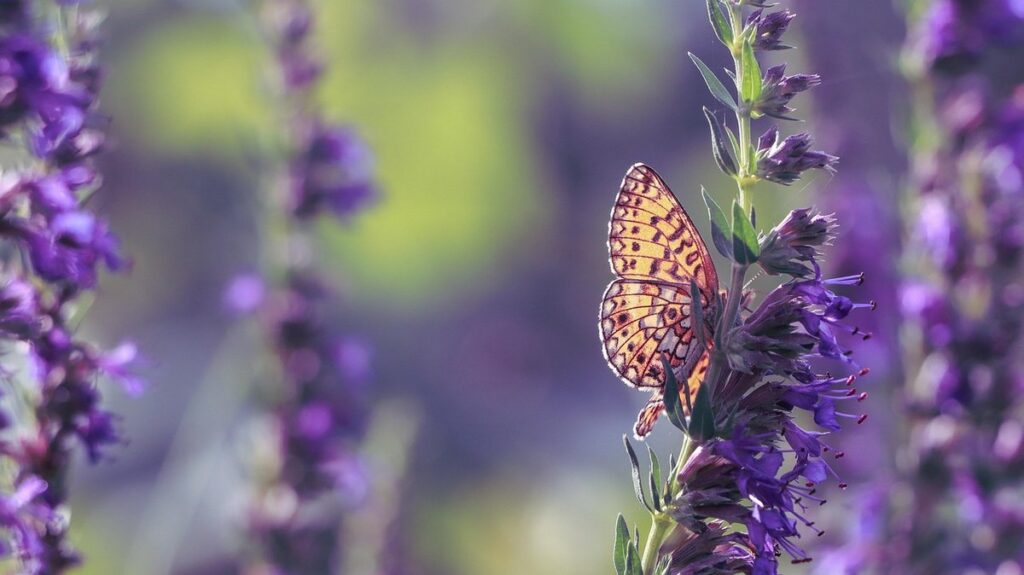
What are Hyssop Companion Plants?
You’re probably wondering what companion plants even are, and more importantly, how hyssop benefits from having some friends by its side in the garden. In this section, we’ll explore those friendships and their advantages.
Benefits of Using Hyssop as a Companion Plant
Using hyssop as a companion plant offers numerous benefits that can enhance the health and productivity of your garden. One of its most significant advantages is its ability to repel pests, such as mosquitoes, flies, and aphids. The essential oils present in hyssop leaves have been shown to be effective in deterring these unwanted visitors from your plants.
In addition to pest control, hyssop also attracts beneficial insects like bees and butterflies, which are essential for pollination. This makes it an excellent choice as a companion plant for gardens with fruit-bearing trees or flowers that rely on pollinators. To get the most out of this benefit, consider planting hyssop near areas where these beneficial insects tend to congregate.
When using hyssop as a companion plant, be sure to prune it regularly to encourage bushy growth and prevent it from becoming too leggy. This will also help to release more essential oils into the air, maximizing its pest-repelling properties. By incorporating hyssop into your garden design, you can create a healthier and more sustainable growing environment for all your plants.
Choosing Companions for Hyssop
When it comes to choosing companions for hyssop, selecting compatible plants is crucial. Hyssop’s needs and growth habits must be taken into account to ensure a harmonious relationship between the plants. For instance, tall-growing plants like sunflowers or corn can provide shade and support for hyssop, which prefers partial shade and well-draining soil.
On the other hand, delicate plants such as lettuce or herbs may not thrive under hyssop’s dense foliage, so it’s essential to consider their specific growing requirements. For example, marigold repels nematodes that can harm hyssop roots, making them a suitable companion plant.
To choose effective companions for your hyssop, observe the following: evaluate the mature size of each plant to ensure they won’t overcrowd or compete with hyssop; consider plants with different growth habits and heights to create visual interest; select plants that complement hyssop’s fragrance or texture. By choosing the right companions, you can create a balanced garden ecosystem where every plant thrives.
Top Plants to Pair with Hyssop
When working with hyssop, choosing complementary plants is key. We’ve rounded up our top picks for pairing with this versatile herb, guaranteed to boost its benefits and beauty.
Fragrant Flowers: Lavender and Rosemary
When it comes to pairing plants with hyssop, two fragrant flowers that complement its scent and create a harmonious atmosphere in gardens are lavender and rosemary. These blooms not only add visual appeal but also contribute to the sensory experience of strolling through your garden.
Lavender’s calming properties and soothing fragrance work well with hyssop’s pungent aroma, creating a balanced sense of calmness. Consider planting English lavender (Lavandula angustifolia) or sweet lavender (Lavandula latifolia) alongside your hyssop for a beautiful display of purple hues.
Rosemary, on the other hand, has a more uplifting and invigorating scent that complements hyssop’s earthy undertones. Its piney fragrance also helps repel pests that might target hyssop plants, such as aphids and whiteflies. Look for compact rosemary varieties like ‘Hill Hardy’ or ‘Miss Jessopp’s Upright’ to pair with your hyssop.
When pairing these fragrant flowers with hyssop, remember to consider their growth habits and space requirements. Plant them in areas where they receive sufficient sunlight and well-draining soil to ensure optimal growth and fragrance release.
Herbs: Basil, Thyme, and Oregano
When it comes to pairing hyssop with other plants, herbs are an excellent choice. Herbs like basil, thyme, and oregano share similar growing conditions and requirements, making them ideal companions for hyssop. These herbs thrive in well-drained soil and full sun, just like hyssop.
Basil, in particular, is a great match for hyssop. Its sweet fragrance can help mask any potential bitterness from the hyssop, creating a balanced flavor profile. Plus, basil’s tall stems won’t compete with hyssop’s growth. To pair them effectively, plant basil around the base of your hyssop plant or intersperse it among other companion plants.
Thyme and oregano are also great choices for pairing with hyssop. Like basil, they prefer well-drained soil and full sun, making them low-maintenance companions. Thyme’s woody stems can even help to support hyssop’s growth, while oregano’s pungent flavor can add depth to your herb garden. To make the most of these pairings, be sure to plant the herbs at a similar height to avoid shading each other out. By pairing hyssop with these herbs, you’ll create a harmonious and thriving herb garden that’s perfect for cooking up delicious dishes.
Vegetable Companion Planting with Hyssop
Hyssop is a natural pest repellent and its fragrance can also enhance the flavor of nearby vegetables, making it a valuable addition to your garden. Let’s explore how to pair hyssop with various veggies for optimal growth and yields.
Repelling Pests: Keeping Slugs and Snails Away
When it comes to growing delicious vegetables in your garden, one of the biggest challenges is often pest control. Slugs and snails can be particularly devastating, munching through leaves and stems at night and leaving behind a trail of slime. But what if you could use a natural deterrent to keep these pests away from your precious veggies?
That’s where hyssop comes in! This versatile herb has been used for centuries as a natural pest repellent, and it’s particularly effective against slugs and snails. By planting hyssop alongside your vegetables, you can create a slug- and snail-repellent barrier that will protect your crops from damage.
To use hyssop effectively, plant it around the perimeter of your vegetable bed or interspersing it among your plants. Its strong scent is unappealing to slugs and snails, who will be discouraged from crossing its borders in search of food. You can also try crushing a few leaves and mixing them into a homemade spray to apply directly to vulnerable areas.
By incorporating hyssop into your garden, you’ll not only keep pests at bay but also attract beneficial pollinators like bees and butterflies, which will help to boost your crop yields even further!
Enhancing Growth: Companion Planting for Better Yields
When it comes to companion planting with hyssop, its growth-enhancing properties make it an excellent choice for vegetables that need a boost. By pairing hyssop with these veggies, you can expect improved yields and healthier plants.
For instance, the tall spikes of hyssop provide shade for leafy greens like lettuce and spinach, preventing them from bolting due to excessive sunlight. This simple trick allows you to harvest your greens at their best, rather than having them go to seed too quickly. Another example is pairing hyssop with broccoli, which benefits from its anti-pest properties. The strong scent of hyssop repels pests that target broccoli, such as cabbage moths and aphids.
When companion planting with hyssop, remember to plant it in between rows or around the base of your vegetables. This strategic placement allows for maximum benefit while keeping the plants’ competing roots in check. With a little creativity and planning, you can supercharge your vegetable garden using the powers of companion planting with hyssop.
Flowers That Love to Grow with Hyssop
If you’re looking for plants that complement hyssop’s benefits, this section highlights some popular flowers that love to grow alongside it in your garden. Some of these pairings are truly game-changing for gardeners!
Marigold and Zinnia: Brightening Up Gardens
Marigold and zinnia are two vibrant flowers that not only add a pop of color to gardens but also complement hyssop’s attractive foliage. These bright blooms can thrive alongside hyssop, creating a stunning visual display.
One reason these flowers pair well with hyssop is their ability to attract beneficial pollinators like bees and butterflies, which are essential for the growth of both marigold and zinnia. By planting them together, you’ll create a mini-ecosystem that promotes biodiversity and supports healthy plant growth.
When choosing between marigold and zinnia, consider your garden’s specific needs. Marigolds are more drought-tolerant and can thrive in poor soil conditions, making them an excellent choice for areas with limited water resources or where the soil may be lacking essential nutrients. Zinnias, on the other hand, prefer well-draining soil and full sun, so ensure you plant them in a location that receives at least six hours of direct sunlight.
To incorporate these flowers into your hyssop garden:
* Plant marigolds around 6-8 inches away from hyssop to prevent overcrowding.
* Sow zinnia seeds about 12-18 inches apart, allowing for proper growth and air circulation.
Dill and Borage: Attracting Pollinators
When it comes to companion planting with hyssop, two often-overlooked flowers can make a significant impact on its growth and overall health: dill and borage. Both of these plants are magnets for pollinators like bees and butterflies, which play a crucial role in the fertilization process.
Dill, in particular, is an excellent choice to pair with hyssop as it attracts beneficial insects that repel pests that might harm your hyssop plants. Bees and other pollinators are drawn to dill’s bright yellow flowers, allowing them to collect nectar and transfer pollen between plants.
Borage, on the other hand, is a natural attractant for butterflies and bees, which are essential for cross-pollination. Its vibrant blue flowers also provide a rich source of nectar, making it an excellent companion plant for hyssop. To get the most out of these beneficial relationships, be sure to space your dill and borage plants about 6-12 inches away from your hyssop, allowing ample room for growth.
Planting dill and borage alongside your hyssop will create a haven for pollinators, ultimately leading to healthier, more robust growth.
Companion Planting for Hyssop in Different Climates
If you’re growing hyssop, whether it’s in a sweltering desert climate or a chilly mountain region, companion planting can be just what your garden needs to thrive. Here we’ll explore specific pairing recommendations for different climates.
Hot and Dry Climates: Choosing Heat-Tolerant Companions
When planting hyssop in hot and dry climates, it’s essential to choose heat-tolerant companions that can thrive alongside this versatile herb. Temperature fluctuations can be extreme in these regions, making it crucial to select companions that are resistant to heat stress.
In hot and dry climates, succulents like aloe vera (Aloe barbadensis) and echeveria (Echeveria spp.) make excellent choices. These plants store water in their leaves, allowing them to withstand prolonged periods of drought. Pairing hyssop with these succulents will not only provide shade but also help retain moisture in the soil.
Other heat-tolerant options include creeping thyme (Thymus serpyllum) and rosemary (Rosmarinus officinalis). These herbs are naturally adapted to dry conditions and can tolerate high temperatures. When planting companion plants, be sure to choose ones that have similar growing requirements to hyssop, such as full sun and well-draining soil.
By selecting the right companions for your hyssop plant in hot and dry climates, you’ll create a harmonious and resilient garden ecosystem that can thrive despite extreme temperature fluctuations.
Cool and Wet Climates: Selecting Moisture-Loving Companions
In cool and wet climates, where moisture-loving plants thrive, selecting companions for hyssop requires careful consideration. These conditions favor vegetation that can tolerate excess water and cooler temperatures. When choosing companion plants, opt for species like mint, oregano, and chamomile, which not only survive but also benefit from the damp environment.
Mint (Mentha spp.) is an excellent choice, as it grows vigorously in wet conditions and repels pests that might target hyssop. Oregano (Origanum vulgare), another popular companion plant, prefers moist soil and can help prevent fungal diseases common in cool climates. Chamomile (Matricaria chamomilla) also thrives in wet environments, its soothing properties complementing the medicinal uses of hyssop.
When planting these companions alongside hyssop, ensure good air circulation to prevent moisture buildup. This will help prevent root rot and other issues associated with waterlogged soil. By selecting plants that not only tolerate but also thrive in cool, wet conditions, you can create a harmonious and resilient garden ecosystem.
Common Mistakes to Avoid When Companion Planting Hyssop
When companion planting hyssop, it’s easy to make mistakes that can harm your plants. In this crucial section, we’ll explore the most common errors to watch out for and how to avoid them successfully.
Incompatible Plants: What Not to Pair with Hyssop
When pairing plants with hyssop, it’s essential to avoid certain combinations that can lead to competition for resources, reduced growth, or even disease transmission. One of the most critical mistakes is planting herbs and flowers that are too similar to hyssop in terms of growing requirements.
For instance, basil and rosemary have similar growing conditions and can compete with hyssop for nutrients and water. Similarly, plants like dill and fennel also share similar needs, making them poor companions for hyssop. These competing plants can weaken the growth and vigor of your hyssop, ultimately affecting its medicinal properties.
Some specific examples to avoid include pairing hyssop with:
• Lavender, as it can spread too quickly and shade out the hyssop
• Lemon balm, which has similar growing requirements but can be more aggressive than hyssop
• Chives, which may attract aphids that can damage hyssop
When choosing companion plants for hyssop, remember to select varieties with different growth habits, watering needs, and pest resistance. This will ensure a harmonious coexistence and maximize the benefits of your hyssop companion planting efforts.
Overcrowding and Underplanting: Finding the Perfect Balance
When companion planting with hyssop, it’s essential to strike a balance between maximizing space and giving each plant sufficient room to grow. Overcrowding can lead to reduced air circulation, increased risk of disease, and stunted growth, while underplanting may not utilize the full potential of your garden bed.
To find the perfect balance, consider the mature size of each plant variety you’re using. For instance, if you’re pairing hyssop with marigold, which grows relatively tall, ensure that there’s enough space between them for proper air circulation and sunlight penetration. Aim to leave about 6-8 inches of space between companion plants, depending on their growth habits.
Underplanting can also be achieved by using a mix of compact or dwarf varieties alongside taller ones. For example, planting creeping thyme among taller hyssop or marigold stems will fill in gaps and prevent weeds from growing while still allowing for good air circulation. By carefully planning your companion plantings, you’ll create a thriving ecosystem that makes the most of your space without sacrificing growth potential.
Conclusion: The Power of Hyssop Companion Planting
Now that we’ve explored the many benefits of hyssop companion planting, let’s summarize the key takeaways and discuss how to make this practice a seamless part of your garden routine.
Recap of Benefits and Tips
By incorporating hyssop as a companion plant into your garden design, you’ve opened yourself up to a world of benefits. Not only does it add a pop of color and fragrance to your outdoor space, but its unique properties also make it an invaluable addition for pest control, soil health, and even medicinal uses.
Let’s recap some of the key takeaways from our guide: hyssop repels pests like mosquitoes, aphids, and whiteflies, making it an excellent companion plant for vegetables and herbs. Its strong scent also deters nematodes, a common problem in many gardens. Furthermore, its taproot helps to break up compacted soil, allowing other plants to grow more easily.
When incorporating hyssop into your garden design, consider the following tips:
* Plant it alongside vegetables like tomatoes, peppers, and eggplants to keep pests at bay.
* Use its fragrant leaves in potpourri or as a natural insect repellent for indoor spaces.
* Incorporate it into your medicinal herb garden to take advantage of its antiseptic properties.
When choosing the right location for your hyssop plants, remember that they prefer well-draining soil and full sun. Plant them near water sources like ponds or birdbaths to attract beneficial insects and add visual interest to your outdoor space.
By following these tips and understanding the benefits of using hyssop as a companion plant, you can create a more resilient, thriving garden ecosystem.
Frequently Asked Questions
Can I use hyssop companion plants indoors?
While hyssop is typically grown outdoors, you can also use it as a companion plant indoors to repel pests and improve air quality. Choose a container with good drainage and provide sufficient light for the plant to thrive.
How do I choose compatible companion plants for my specific climate?
When selecting companion plants for your garden, consider the temperature, humidity, and soil conditions of your area. For hot and dry climates, pair hyssop with drought-tolerant plants like rosemary or thyme. In cool and wet climates, opt for moisture-loving companions like marigold or zinnia.
Can I use companion planting with hyssop to repel multiple pests at once?
Yes, the essential oils in hyssop leaves have been shown to be effective against a range of pests, including mosquitoes, flies, and aphids. By using it as a companion plant, you can create a pest-repellent garden that keeps unwanted visitors away from your other plants.
How often should I water my hyssop companion plants?
Hyssop is relatively drought-tolerant but will still benefit from regular watering. Water your companion plants when the top inch of soil feels dry to the touch, and avoid overwatering, which can lead to root rot and other problems.
Can I use companion planting with hyssop in containers or raised beds?
Yes, you can use hyssop as a companion plant in containers or raised beds. This is especially useful for urban gardeners who have limited space or want to grow their plants in a controlled environment. Make sure the container has good drainage and provides sufficient light for the plant to thrive.