
The sight of your prized hydrangeas wilting away is never easy. It can be devastating to see these beautiful flowers struggling, especially after you’ve put in the effort to care for them. Hydrangea wilt can be a frustrating problem to deal with, but don’t worry – it’s not impossible to prevent or manage. The good news is that with some knowledge and simple steps, you can help your hydrangeas thrive year-round. In this article, we’ll delve into the causes of hydrangea wilt, its recognizable symptoms, and most importantly, provide effective solutions for prevention and long-term health strategies. We’ll cover everything from identifying the root cause to implementing healthy habits that will keep your hydrangeas happy and blooming all season long. By the end of this article, you’ll be equipped with the tools and knowledge to save your beloved flowers from wilted fate.
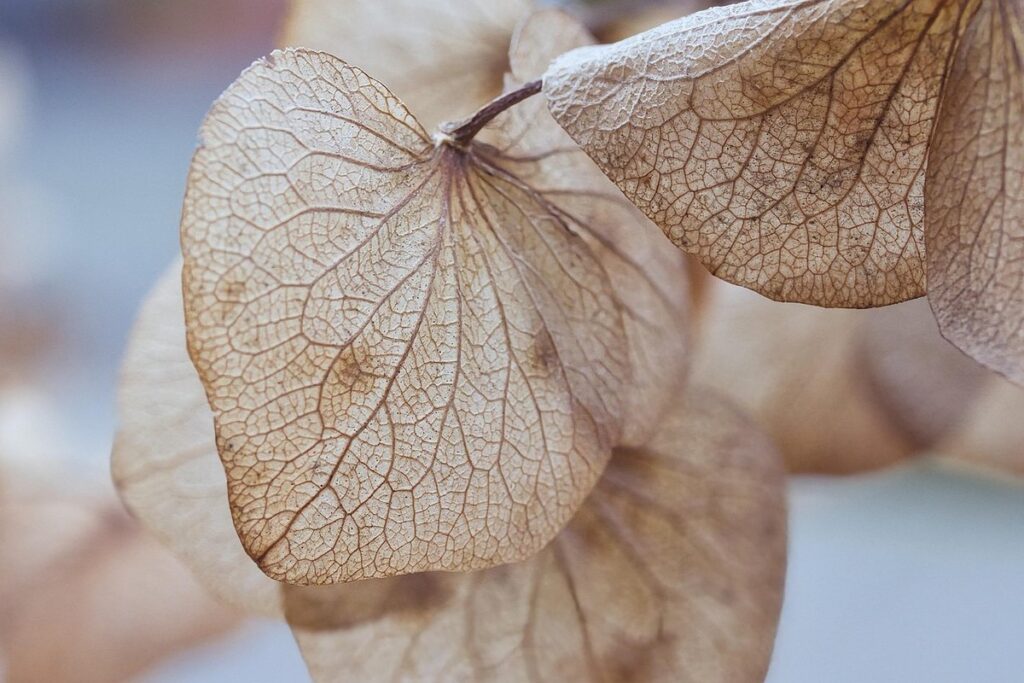
Understanding Hydrangea Wilt
So, you’ve noticed your hydrangeas are struggling and want to know what’s causing that wilted look? Let’s dive into understanding the common causes of this frustrating problem.
What is Hydrangea Wilt?
Hydrangea wilt is a condition that causes hydrangeas to suddenly lose their leaves and flowers, leaving them looking limp and lifeless. It’s a concern for gardeners because it can be caused by a variety of factors, including fungal diseases, bacterial infections, and nutrient deficiencies.
According to the American Hydrangea Society, over 50% of all hydrangea plants are affected by wilt at some point in their lives. This statistic highlights the importance of being aware of the warning signs of wilt and taking prompt action to prevent it from occurring in the first place.
Some common causes of hydrangea wilt include root rot, caused by excess moisture and poor drainage, as well as fungal diseases such as Botrytis and Cylindrocladium. These conditions can be prevented or treated with good garden hygiene practices, such as ensuring proper soil pH levels and avoiding overwatering.
By being informed about the causes of hydrangea wilt and taking proactive steps to prevent it, you can enjoy healthy and thriving plants all season long.
Causes of Hydrangea Wilt
Hydrangeas are beautiful additions to any garden, but they can be prone to wilt due to various reasons. To prevent this problem, it’s essential to understand the causes behind hydrangea wilt.
Root damage is one of the primary causes of hydrangea wilt. This can occur when the plant’s roots are injured during transplanting or digging, disrupting the flow of water and nutrients. Fungal infections, such as root rot, can also cause similar symptoms. These fungi thrive in moist environments and can be spread through infected soil or contaminated gardening tools.
Bacterial diseases like bacterial leaf spot can also lead to hydrangea wilt. This disease is often caused by overwatering, which creates an ideal environment for bacteria to grow. Environmental factors like drought or extreme temperatures can also contribute to wilting. For instance, a sudden change in temperature can cause the plant’s water pressure to drop, leading to droopy leaves.
To prevent root damage, handle your hydrangea gently during transplanting and make sure the soil is well-draining. Avoid overwatering by checking the soil moisture regularly, and consider using a drip irrigation system to deliver water directly to the roots.
Identifying the Signs of Hydrangea Wilt
Identifying the signs of hydrangea wilt can be a challenge, but knowing what to look for is crucial in preventing further damage to your plant. Let’s take a closer look at the common indicators of this condition.
Visual Symptoms of Wilting
When hydrangeas start to wilt, it can be a heartbreaking sight for gardeners. One of the most noticeable visual signs is yellowing leaves. This is often the first sign that something is amiss and can indicate that the plant is not receiving enough water or nutrients.
Another common symptom is droopy branches. If your hydrangea’s stems are starting to sag, it may be a sign that the roots are drying out. Take a closer look at the leaves – if they’re wilted, curled, or crinkled, it could indicate a more serious issue.
Hydrangeas can also experience a reduction in flower production when under stress. If your plant is normally bursting with color and now seems bare, it may be a sign of wilting.
To illustrate these symptoms, imagine a hydrangea that was once full and lush, but now has yellowing leaves, droopy stems, and few blooms. This can happen quickly if the plant is exposed to extreme temperatures, lacks proper watering, or has nutrient deficiencies.
Regularly inspect your hydrangeas for these signs, and take action promptly if you notice any of them. With prompt attention, you may be able to revive your wilted hydrangea and restore it to its former glory.
When to Expect Wilting: Growth Stages and Environmental Conditions
As you observe your hydrangeas over the growing season, it’s essential to note that different growth stages and environmental conditions can impact their susceptibility to wilt. In the spring, newly emerging buds are particularly vulnerable to damage from late frosts or sudden temperature drops, which can cause leaves to wilt and flowers to drop.
Summer months often bring hot, dry spells that can stress hydrangeas, causing them to require more frequent watering. However, overwatering can also contribute to root rot and other issues that lead to wilting. Soil type plays a significant role in this process: well-draining soil can help prevent waterlogged conditions, while heavy clay soils may exacerbate the problem.
As fall approaches, hydrangeas prepare for dormancy by slowing down their growth rate. However, if weather patterns are unusually dry or cold during this period, they may not be able to recover properly before winter, leading to increased susceptibility to wilt in the following season.
Understanding these growth stages and environmental conditions will help you take proactive steps to prevent hydrangea wilt and ensure your plants remain healthy throughout the year.
Diagnosing the Cause of Hydrangea Wilt
If you suspect your hydrangea is suffering from wilt, it’s essential to determine the underlying cause, as the solution will depend on whether the issue is due to root rot, fungal disease, or another factor. Identifying the root of the problem will save time and effort in getting your plant back on track.
Root Inspections and Soil Tests
When it comes to diagnosing the cause of hydrangea wilt, root inspections and soil tests are crucial steps that can help determine if fungal or bacterial infections are present. To inspect roots, carefully dig up a section of the hydrangea’s stem, about 6-8 inches from the base. Gently wash away any excess soil to expose the roots. Look for signs of decay, rot, or discoloration, which can indicate the presence of fungal diseases such as root rot or Phytophthora.
To collect a soil sample for analysis, dig a small hole about 12 inches deep and wide. Scoop out a handful of soil from the bottom of the hole, taking care not to contaminate it with any plant material. Place the sample in an airtight container or plastic bag and seal it. For bacterial infections, such as bacterial leaf scorch, take several leaf samples by clipping them at the base of the stem. Place these in a separate container or envelope to prevent cross-contamination.
When sending soil or root samples for analysis, make sure to include your contact information and a clear description of any symptoms observed. This will help lab technicians provide you with accurate results and recommendations for treatment.
Using Diagnostic Tools: pH Testing, Moisture Meters, and More
To effectively diagnose the cause of hydrangea wilt, gardeners can utilize various diagnostic tools that provide valuable insights into the plant’s condition. One essential tool is a pH testing kit, which helps determine if the soil pH is within the optimal range for hydrangeas (5.5-6.5). If the pH is too high or low, it may cause nutrient deficiencies or toxicity, leading to wilt.
Another crucial diagnostic tool is a moisture meter, which measures soil moisture levels and ensures that the roots receive adequate water. This is particularly important during hot summer months when hydrangeas need consistent watering. A moisture meter can also help identify overwatering, a common mistake that can lead to root rot and subsequent wilt.
Leaf tissue tests are another effective diagnostic tool that involves sending a small leaf sample to a laboratory for analysis. These tests reveal nutrient deficiencies, fungal infections, or other underlying issues contributing to wilt. By using these diagnostic tools, gardeners can pinpoint the cause of hydrangea wilt and take corrective action to prevent further damage. Regular monitoring and testing can also help identify potential issues before they become severe.
Preventing Hydrangea Wilt with Good Gardening Practices
To prevent hydrangea wilt, it’s essential to establish good gardening habits from the start, such as watering wisely and providing optimal growing conditions. Let’s explore these key practices.
Watering and Soil Care: Tips for Healthy Roots
When it comes to preventing hydrangea wilt, proper watering and soil care are crucial. Healthy roots are essential for a thriving plant, and one of the most common mistakes gardeners make is overwatering. This can lead to root rot, which can be just as damaging as drought stress. To prevent this, ensure your soil drains well by adding organic matter like compost or well-rotted manure.
Mulching around the base of your hydrangea also helps retain moisture and regulate soil temperature. Use a 2-inch layer of wood chips or bark to keep the area around the plant cool in summer and warm in winter. Consider using a soaker hose or drip irrigation system, which delivers water directly to the roots without wasting a single drop.
Composting is another key practice for healthy roots. Add a balanced fertilizer to your compost pile, and mix it into the soil when planting or repotting your hydrangea. Aim to water deeply but infrequently, encouraging deep root growth rather than shallow watering that can lead to weak roots. By following these simple tips, you’ll be well on your way to preventing hydrangea wilt and growing a robust, healthy plant.
Fertilization Strategies: Balancing Nutrient Needs with Plant Health
When it comes to preventing hydrangea wilt, fertilization plays a crucial role. Feeding your hydrangeas with the right nutrients can help them develop strong root systems and increase their resistance to disease. However, over-fertilizing can lead to weak growth, reduced blooms, and even more susceptible plants.
To balance nutrient needs with plant health, it’s essential to understand that different stages of growth require varying levels of fertilizer. For example, young hydrangeas (0-2 years) benefit from a balanced, water-soluble fertilizer (20-20-20 NPK) applied at planting time and again after 6-8 weeks. Established plants (2+ years), on the other hand, may need fewer nutrients, as excessive fertilization can promote weak growth.
Environmental conditions also impact nutrient needs. In acidic soils (pH < 6.0), add aluminum sulfate or elemental sulfur to lower the pH and reduce iron toxicity. Conversely, alkaline soils (pH > 7.0) require lime to raise the pH and improve calcium availability.
Managing Hydrangea Wilt: Treatment Options and Timing
Now that you’ve identified the cause of wilt on your hydrangeas, let’s discuss the treatment options available to nurse your plants back to health. From pruning to fungicides, we’ll cover what works and when.
Treating Fungal Infections with Chemicals and Biological Controls
When it comes to treating fungal infections on hydrangeas, you have several options at your disposal. Chemical fungicides are often the first line of defense against fungal diseases like root rot and leaf spot. However, they can also pose environmental risks and harm beneficial organisms in the soil.
A more integrated approach is to use biological controls, such as beneficial fungi or bacteria, which outcompete pathogens for resources and space. For example, Trichoderma harzianum is a fungus that produces antibiotics that inhibit fungal growth. These biological controls can be applied as powders, liquids, or even added directly to the soil.
Organic gardeners often prefer integrated pest management (IPM) strategies, which combine physical barriers, cultural practices, and biological controls to prevent disease outbreaks. This approach not only reduces chemical use but also promotes a balanced ecosystem. To implement IPM on your hydrangeas, consider adjusting watering schedules, pruning infected areas, and introducing beneficial organisms into the soil through compost or inoculants. By adopting these methods, you can minimize the need for chemicals and create a healthier environment for your plants to thrive.
Removing Infected Plants to Prevent Spread
Removing infected hydrangeas is a crucial step in preventing the spread of hydrangea wilt. When left unchecked, this disease can quickly move from one plant to another through fungal spores and contaminated soil. By promptly removing affected plants, you can significantly reduce the risk of further infection.
To dispose of infested plant material safely, make sure to handle it carefully to avoid spreading the spores. Remove any leaves or stems showing symptoms, taking care not to touch healthy areas. You can either bag the infected parts and dispose of them in a sealed bin, or bury them 12-18 inches deep in a spot where they won’t compete with other plants for resources.
It’s also essential to disinfect your gardening tools after handling infected material. Use a solution of 1 part bleach to 9 parts water, making sure to rinse thoroughly afterward. This simple step can go a long way in preventing the spread of disease. Don’t forget to clean and sanitize your garden beds as well, as fungal spores can persist in soil for months.
Reviving Wilting Hydrangeas: Step-by-Step Recovery Plans
Don’t worry if your hydrangea has wilted – we’ve got you covered! In this next step, we’ll walk you through a simple recovery plan to revive your struggling blooms.
Stages of Recovery: Monitoring Progress and Adjusting Strategies
Monitoring progress is crucial during the recovery process to ensure that your hydrangeas are receiving the right treatment. As you begin initial treatment, such as pruning affected stems or applying a fungicide, keep a close eye on plant behavior. Check for signs of improvement within 7-10 days, and adjust your approach as needed.
Some plants may require more aggressive measures, like repotting in fresh soil or replacing severely damaged roots. Be cautious not to cause further stress by handling the roots excessively. On the other hand, if a hydrangea is showing promising signs of recovery, you can start to scale back treatment and focus on nurturing its health.
To track progress, take note of changes in leaf color, stem strength, and flowering patterns. If your plant appears to be responding well, you can gradually reduce treatment frequencies or switch to preventative measures to maintain overall health.
Bringing Back Color and Vitality to Wilting Hydrangeas
When you notice that your hydrangeas have begun to wilt, it’s essential to take immediate action. One of the most common reasons for wilting hydrangeas is a lack of water, nutrients, or light. To revive them, start by checking the soil moisture. If it feels dry to the touch, give your plants a good soaking.
However, if the issue persists after watering, you may need to consider nutrient deficiencies. Fertilize your hydrangeas with an acidic fertilizer (pH 5-6) specifically designed for acid-loving plants like hydrangeas. This will provide them with the necessary nutrients to promote new growth and encourage blooms.
Pruning is another crucial step in reviving wilting hydrangeas. Cut back any dead or dying branches, making sure to remove no more than one-third of the plant’s foliage at a time. This will help redirect energy towards healthy growth. When pruning, focus on promoting new growth by cutting just above a bud eye (the small swellings on stems that produce leaves and flowers). By following these steps, you can bring back color and vitality to your wilting hydrangeas.
In severe cases of wilt, it may be necessary to repot the plant in fresh soil with added compost or well-rotted manure. This will provide a nutrient boost and help the roots establish themselves in a new growing medium.
Conclusion: Long-Term Hydrangea Health and Wilt Prevention Strategies
Now that you’ve taken steps to prevent wilt, let’s focus on maintaining your hydrangeas’ long-term health by implementing these ongoing strategies for optimal growth.
Creating a Sustainable Garden Ecosystem
To create a sustainable garden ecosystem that prevents hydrangea wilt, it’s essential to focus on three key areas: proper soil care, efficient watering systems, and regular monitoring of plant health. Start by testing your soil pH and adjusting it if necessary, as most hydrangeas prefer slightly acidic conditions between 6.0 and 7.0. This will ensure optimal nutrient uptake and prevent root damage.
Implement an efficient irrigation system that delivers the right amount of water to your plants without overwatering. Consider installing a drip irrigation system or soaker hose to reduce evaporation and runoff, while also delivering moisture directly to the roots.
Regularly inspect your plants for signs of stress or disease, such as yellowing leaves, droopy flowers, or powdery mildew on the foliage. Address any issues promptly by adjusting watering schedules, pruning affected areas, or applying organic fungicides. By maintaining a balanced ecosystem and catching problems early, you’ll be well on your way to preventing hydrangea wilt and ensuring long-term health for your plants.
Future-Proofing Your Garden Against Wilting Hydrangeas
As you’ve navigated through the causes, symptoms, and solutions of hydrangea wilt, it’s essential to think about long-term strategies for maintaining healthy plants. Creating a plan to prevent future wilt occurrences will help minimize stress on your garden and ensure beautiful blooms year after year.
To start, schedule regular maintenance checks throughout the growing season. This could be as simple as inspecting leaves for signs of dryness or monitoring soil moisture levels. Staying vigilant will allow you to catch potential issues early on and address them before they become severe. Consider implementing a watering schedule tailored to your specific climate, taking into account variables like rainfall patterns and temperature fluctuations.
Stay informed about local climate conditions by following regional weather forecasts or joining online gardening communities that share knowledge and resources. Adapt to changing environmental factors by adjusting your care routine as needed – for example, if you notice an increase in extreme heatwaves, adjust your watering schedule accordingly. By being proactive and adaptable, you’ll be better equipped to handle the unique challenges of your garden’s environment.
Frequently Asked Questions
Can I revive a hydrangea that has been suffering from wilt for an extended period?
Yes, it’s possible to revive a wilting hydrangea with proper care and attention. Focus on providing optimal watering, fertilization, and pruning practices, as well as treating any underlying fungal or bacterial infections. Be patient, as recovery may take time, but with consistent effort, your hydrangeas can regain their vitality.
What are the most common mistakes gardeners make when trying to prevent wilt in hydrangeas?
Common errors include overwatering, which can lead to root rot and other issues; neglecting soil pH balance, causing nutrient deficiencies; and failing to address fungal infections promptly. Regularly inspect your plants, monitor their water intake, and keep an eye out for signs of pests or diseases.
How often should I perform root inspections to prevent hydrangea wilt?
Regular root inspections are crucial in maintaining healthy hydrangeas. Perform checks every 2-3 months during the growing season, especially when observing changes in plant growth or foliage. Check for signs of root damage, nutrient deficiencies, and fungal infections by gently digging around the roots.
What can I do if I’ve already treated a fungal infection but still notice signs of wilt?
If you’ve treated a fungal infection but still observe wilting symptoms, it’s possible that the issue persists. Consider re-testing your soil pH levels to ensure optimal conditions for growth. You may also want to adjust your fertilization strategies or explore alternative treatment options with biological controls.
Can I use preventative measures against fungal infections if my hydrangeas are in a high-traffic area?
Yes, high-traffic areas can increase the risk of fungal infections due to soil compaction and moisture accumulation. Implement preventative measures such as improving air circulation around your plants, increasing soil drainage, or using anti-fungal treatments specifically designed for garden use.