
Hydrangeas are one of the most beautiful additions to any garden, but they require some TLC to thrive. If you’re a hydrangea owner, you know that pruning is an essential part of their care, but when to prune them can be a bit tricky. Pruning at the right time not only promotes healthy growth and bigger blooms, but it also helps maintain the shape of your plant. In this article, we’ll explore the best times to prune bigleaf, panicle, and smooth hydrangeas, as well as provide you with expert tips on how to use the right techniques and tools for each type of hydrangea. Whether you’re a seasoned gardener or just starting out, our guide will help you get the most out of your hydrangeas and enjoy their stunning blooms all season long.
Understanding Hydrangea Pruning Needs
To ensure you’re pruning your hydrangeas correctly, understanding their specific needs is crucial for optimal growth and blooming. This includes knowing when to prune and how much to cut back.
Why Prune Hydrangeas at All
Pruning hydrangeas may seem like an unnecessary task, but it’s crucial for their overall health and aesthetics. By pruning your hydrangea regularly, you’re not only maintaining its appearance, but also promoting healthy growth and encouraging blooming.
When left unpruned, hydrangeas can become leggy and lose their shape. Dead branches and twigs will detract from the plant’s beauty, and potentially harm other nearby foliage by becoming diseased or infested with pests. Pruning helps to remove these unwanted elements, ensuring your hydrangea remains a stunning addition to your garden.
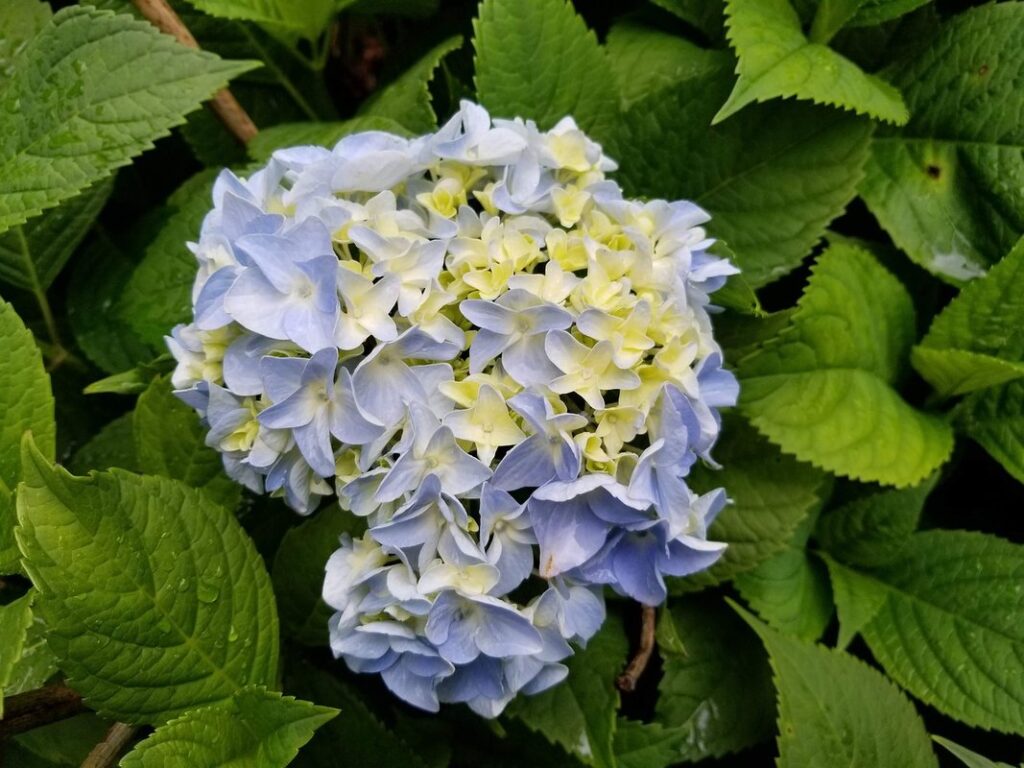
Regular pruning also encourages new growth, which can lead to more blooms in future seasons. For example, many bigleaf hydrangeas produce blue flowers when the soil is acidic and red flowers when it’s alkaline. By pruning correctly, you’re giving yourself the best chance of producing the desired flower color based on your soil conditions.
By incorporating regular pruning into your garden routine, you’ll enjoy a healthier, more vibrant hydrangea for years to come.
Different Types of Hydrangeas Require Different Approaches
When it comes to pruning hydrangeas, one size does not fit all. Bigleaf, panicle, and smooth hydrangeas have unique requirements that depend on their specific growth habits and bloom cycles. Understanding these differences is crucial for optimal blooming and overall plant health.
Bigleaf hydrangeas (Hydrangea macrophylla) require more frequent pruning to maintain shape and encourage big blooms. Cut back the entire stem to about 6-8 inches from the ground in late winter or early spring, removing any dead or damaged branches. This will promote new growth and a robust bloom.
Panicle hydrangeas (Hydrangea paniculata), on the other hand, can be pruned harder in the dormant season, cutting back stems to about 12-18 inches from the ground. This type of pruning encourages strong stem growth and more abundant blooms.
Smooth hydrangeas (Hydrangea arborescens) are relatively low-maintenance and can be pruned lightly after blooming, removing any dead or damaged branches to maintain shape and encourage new growth. It’s essential to prune these plants immediately after they finish blooming, as this will prevent seed production and direct energy towards next year’s blooms.
By understanding the specific needs of your hydrangea variety, you can tailor your pruning approach for optimal results and a stunning display of flowers each season.
When to Prune Bigleaf Hydrangeas
Pruning your bigleaf hydrangeas at the right time is crucial for optimal bloom and plant health. In this section, we’ll explore when to prune these beautiful shrubs for maximum results.
Spring vs. Fall Pruning: What’s the Best Time for Bigleaf Hydrangeas?
When it comes to pruning bigleaf hydrangeas, timing is everything. Two popular seasons for pruning are spring and fall, but which one is best? Let’s dive into the pros and cons of each season.
Pruning in the spring can promote new growth, allowing your bigleaf hydrangea to produce more blooms throughout the growing season. However, if you prune too early, you may be cutting off flower buds that would have bloomed in the current year. To avoid this, it’s best to wait until the plant has finished blooming in the spring before pruning.
On the other hand, fall pruning has its own set of benefits and drawbacks. Pruning in the fall can help control the size of your bigleaf hydrangea and encourage new growth for next year’s blooms. However, fall pruning can also cause the plant to produce flowers later than usual, which may not be ideal if you’re looking for a head start on next year’s blooming season.
It’s worth noting that bigleaf hydrangeas typically bloom on last year’s growth, so pruning in the spring or fall won’t significantly impact the timing of blooms. However, if you’re trying to promote more frequent blooming or control the size of your plant, timing your pruning correctly is crucial.
How to Prune Bigleaf Hydranges After Blooming
After bigleaf hydrangeas have finished blooming, it’s essential to prune them to maintain their health and promote new growth. This process involves cutting back old stems, which may seem daunting, but with the right approach, you can achieve a beautiful and thriving plant.
Start by removing any dead or damaged branches, as these will not recover and can harbor disease. Next, cut back about one-third of the oldest stems to the ground. This will help to control the size of the plant and encourage new growth from the base. It’s essential to make clean cuts just above a bud eye (the small swelling on the stem where leaves meet) to promote healthy regrowth.
Cutting back old stems also helps to maintain the plant’s shape and encourages more blooms in future seasons. By removing weaker branches, you’ll direct the plant’s energy towards producing new flowers. For bigleaf hydrangeas that have produced blue or pink blooms, prune immediately after flowering to encourage next year’s blooms to be a different color.
When to Prune Panicle Hydrangeas
For panicle hydrangea owners, determining when to prune your shrub is crucial for its continued health and blooming success. The timing will depend on a few key factors.
Pruning in the Spring: Encouraging Bigger Blooms
When you prune panicle hydrangeas in the spring, it encourages bigger blooms and a more robust plant. This is because pruning in the spring allows for new growth to occur throughout the summer, producing larger flowers. Cutting back old stems in the fall can limit the number of buds available for blooming in the following year.
To promote optimal growth and blooming, prune panicle hydrangeas in late winter or early spring, removing any dead, diseased, or damaged branches. This will help direct the plant’s energy towards producing new growth and flowers rather than maintaining weak or unhealthy stems. Be sure to cut back about one-third of the oldest stems to maintain a balanced structure and encourage bushy growth.
By pruning panicle hydrangeas in the spring, you’ll be rewarded with a more vibrant and productive shrub, loaded with large, showy blooms. This simple maintenance task will help your plant thrive and provide stunning flowers for years to come.
Cutting Back After Blooming for Better Growth
Cutting back panicle hydrangeas after blooming is crucial for maintaining their shape and encouraging new growth. During the blooming season, panicle hydrangeas put on a stunning display of white or pink flowers arranged in cone-shaped clusters. However, once the blooms have faded, it’s essential to cut back the stems to around 6-8 inches from the ground.
This process not only maintains the shrub’s shape but also stimulates new growth, which will produce more flowers next year. By cutting back the old flowers and stems, you’re essentially telling the plant to focus its energy on producing new buds and leaves. This technique is called “deadheading” or “post-bloom pruning.”
To do this effectively, remove any weak or spindly branches, as well as any dead or damaged wood. Cut back the remaining stems at a 45-degree angle, making sure each cut is just above a node (where a leaf meets the stem). This will help the plant heal quickly and reduce the risk of disease.
By following this simple post-bloom pruning technique, you’ll be rewarded with a healthier, more vigorous panicle hydrangea that’s better equipped to produce an abundance of flowers next year.
When to Prune Smooth Hydrangeas
Pruning smooth hydrangeas at the right time is crucial for their health and flowering performance, especially since they bloom on new growth. Typically, spring is the best season to prune these shrubs.
The Best Time for Spring Pruning of Smooth Hydrangeas
When you’re ready to tackle spring pruning of smooth hydrangeas, it’s essential to focus on removing dead or damaged stems. This type of pruning helps promote healthy growth and encourages blooms. To begin, inspect your plants carefully for any signs of damage or death.
Dead or damaged stems can be identified by their dull color, brittleness, or presence of disease such as fungal infections. Remove these stems entirely to prevent the spread of disease and encourage new growth from the remaining stems. This process is typically done in late March or early April, depending on your location and climate.
When pruning dead stems, cut them back to about 6-8 inches from the ground using sharp, clean pruning tools. Make a 45-degree angle cut just above a bud eye (the small swelling on the stem where leaves meet). This will help new growth emerge from that point.
Be sure to make these cuts immediately after flowering has finished, as smooth hydrangeas bloom on old wood and cutting back too early can reduce blooming potential.
Summer Pruning: A Special Case for Some Smooth Hydrangea Varieties
For some smooth hydrangea varieties, summer pruning may be necessary to maintain their shape and promote healthy growth. This is particularly true for compact or dwarf varieties that are prone to becoming leggy if not pruned regularly.
Take ‘Limelight’ or ‘Tardiva’, for example, which tend to produce new growth throughout the summer months. Pruning in late spring can encourage a flush of new growth, but by the time summer arrives, this new growth may be over 6-8 inches long and start to look leggy. In such cases, it’s beneficial to perform a mid-summer pruning to maintain the plant’s shape and promote bushy growth.
When summer pruning smooth hydrangeas, cut back about one-third of the longest stems to encourage branching and prevent legginess. Make clean cuts just above a leaf node using sharp, sterile pruning tools. This will help stimulate new growth and ensure your plant remains compact and vigorous throughout the growing season. By incorporating mid-summer pruning into your regular maintenance routine, you’ll enjoy healthier, more robust smooth hydrangeas with minimal fuss and effort.
Preparing Your Tools and Techniques
Before you begin pruning, make sure you’re equipped with the right tools for the job. A good pair of pruning shears and loppers will be your best friends when tackling those thick branches.
Choosing the Right Pruning Tools for Hydrangeas
When it comes to pruning hydrangeas, having the right tools can make all the difference. You’ll want to choose high-quality loppers and pruning shears that are specifically designed for cutting through thick branches and stems. For bigleaf hydrangeas, look for loppers with a 30-40 inch cutting capacity, while panicle and smooth hydrangeas require slightly smaller loppers with a 20-30 inch cutting capacity.
In addition to the right equipment, proper maintenance is crucial to extend their lifespan. Clean your pruning tools after each use with soap and water to prevent the spread of disease. Store them in a dry place, away from direct sunlight, to prevent rust and corrosion. It’s also essential to sharpen your blades regularly using a file or whetstone to ensure clean cuts.
For more delicate pruning tasks, such as cutting back individual stems or flowers, use high-quality pruning shears with sharp, angled blades. Look for shears with ergonomic handles that fit comfortably in your hand, reducing fatigue during extended pruning sessions. By investing in the right tools and taking proper care of them, you’ll be well on your way to successfully pruning your hydrangeas.
Safety First: How to Protect Yourself While Pruning Hydrangeas
When working with hydrangeas, it’s essential to prioritize safety to avoid accidents and injuries. One of the primary concerns when pruning these plants is the sharp tools used for the task. Make sure to handle pruning shears, loppers, and saws carefully, keeping your fingers away from the blades.
Another critical aspect is dealing with potential sap flow or thorns. Bigleaf hydrangeas, in particular, are known to produce a milky sap when injured. This can cause skin irritation or even allergic reactions in some individuals. Wear long sleeves, gloves, and protective eyewear to minimize exposure.
To avoid scratches from thorns, work around the plant’s perimeter first, cutting any dead or damaged stems. Then, proceed to the center, making clean cuts at a 45-degree angle. Finally, clean your tools thoroughly after each use to prevent sap buildup and bacterial growth.
Regularly inspecting your pruning tools will also help you identify potential hazards before they cause an issue. Remember that safety should always be your top priority when working with plants, especially those that can produce allergenic substances or sharp thorns.
Conclusion and Final Tips
Now that you’ve learned how to prune your hydrangeas, let’s summarize key takeaways and provide some final tips for long-term success with these beautiful blooms.
Recap of Key Takeaways for Different Hydrangea Types
When pruning different types of hydrangeas, it’s essential to remember their unique needs. Bigleaf hydrangeas, for instance, require regular pruning to maintain shape and encourage blooming. Prune these plants immediately after they finish flowering, cutting back stems by about one-third to promote new growth and buds for next year’s blooms.
Panicle hydrangeas, on the other hand, can tolerate more neglect but still benefit from occasional pruning to control their size. Prune these shrubs in late winter or early spring, removing any dead, diseased, or damaged branches. This will help maintain the plant’s overall health and appearance.
Smooth hydrangeas require less frequent pruning, but it’s crucial to remove dead flowers (or ‘deadheading’) as soon as they fade. This encourages new blooms and maintains the plant’s visual appeal. Additionally, smooth hydrangeas can be pruned back by one-third in late winter or early spring if necessary, to maintain shape and promote healthy growth.
By understanding the specific pruning needs of each hydrangea type, you’ll be able to provide optimal care for your plants and enjoy their beautiful blooms all season long.
Additional Advice on Regular Maintenance and Care
Maintaining healthy hydrangeas requires attention to more than just pruning. Proper watering is essential, especially during periods of drought or extreme heat. Aim to provide about 1 inch of water per week through a combination of rainfall and irrigation. However, be cautious not to overwater, as this can lead to root rot and other issues.
Fertilization also plays a crucial role in maintaining your hydrangea’s health. Feed your plants with a balanced fertilizer (10-10-10) in early spring when new growth begins. You can also use an acidic fertilizer if you want to encourage blue blooms on bigleaf hydrangeas or pink blooms on smooth hydrangeas.
Regularly inspect your plants for signs of pests like aphids, whiteflies, and spider mites. These can be controlled using neem oil or insecticidal soap applied according to the product’s instructions. Additionally, keep an eye out for diseases such as powdery mildew and leaf spot, which can be treated with fungicides.
By incorporating these practices into your routine care, you’ll not only ensure the continued health of your hydrangeas but also encourage their optimal growth and flowering performance.
Frequently Asked Questions
Can I Prune My Hydrangea Too Much or Will It Harm the Plant?
Yes, pruning your hydrangea too much can indeed harm the plant. Over-pruning can lead to stress, which may cause your hydrangea to become more susceptible to diseases and pests. When pruning, it’s essential to remove only what’s necessary for shape and health, leaving some old wood intact for blooming.
How Long Does It Take for a Pruned Hydrangea to Bloom Again?
The time it takes for a pruned hydrangea to bloom again depends on the type of hydrangea. Bigleaf hydrangeas typically take 1-2 years to produce blooms after pruning, while panicle and smooth hydrangeas may bloom sooner, usually within 6-12 months.
Can I Prune My Hydrangea in the Middle of Summer?
Yes, you can prune your hydrangea during the summer months, but this is a special case for certain types. Some smooth hydrangea varieties require pruning after blooming to encourage better growth and more blooms. When pruning in the middle of summer, be cautious not to remove too much foliage, as this may stress the plant.
How Often Should I Prune My Hydrangea Throughout Its Growing Season?
It’s recommended to prune your hydrangea during its dormant season (winter or early spring) for maintenance and shaping. However, if you notice any dead or damaged branches throughout the growing season, it’s perfectly fine to make minor pruning adjustments as needed.
Can I Use Regular Pruning Tools on My Hydrangeas, or Do I Need Specialized Ones?
While regular pruning tools can be used on hydrangeas, it’s best to invest in high-quality, sharp tools specifically designed for pruning flowers and shrubs. This will not only make the pruning process easier but also ensure a clean cut that promotes healthy growth and minimizes the risk of disease or pest infestation.