
If you’re like many gardeners, you’ve probably wondered when to prune your hydrangeas for optimal blooming. Pruning at the right time can make all the difference in enjoying those stunning flowers, but getting it wrong can lead to disappointing blooms or even worse – no blooms at all! Whether you’re a seasoned horticulturist or just starting out with hydrangeas, understanding when and how to prune these beautiful shrubs is essential for perfect blooms every time. In this article, we’ll delve into the best times to prune your hydrangeas based on their type (Bigleaf, Panicle, or Smooth Hydrangea), as well as provide a step-by-step guide on pruning techniques that will ensure you get the most out of your flowers’ blooming cycle.
Understanding Hydrangea Growth Cycles
To grow beautiful hydrangeas, it’s essential to understand their growth cycles and how they impact pruning times. Let’s dive into the fascinating world of hydrangea growth patterns.
When to Prune Hydrangeas for Bloom Control
When it comes to hydrangeas, pruning can greatly impact their bloom production. Understanding when to prune is crucial for controlling or promoting blooming. Hydrangeas typically produce flowers on old wood, which are the stems that grew during the previous year. Pruning these stems after they’ve finished flowering can remove next year’s blooms.
Prune your hydrangea in late winter or early spring to control blooming. This allows you to guide the plant’s growth and direct its energy towards producing new buds for the upcoming season. However, if you’re looking to promote blooming, prune immediately after flowering. This stimulates the production of new flowers on next year’s stems.
The key is to not over-prune your hydrangea, as this can reduce flower production significantly. Remove only what’s necessary – about one-third of the plant – and cut back any dead or damaged stems. With proper pruning techniques, you can enjoy a bountiful bloom from your hydrangea for years to come.
Understanding Dormancy and Growth Stages
As you plan to prune your hydrangeas, it’s essential to understand their growth cycles. Hydrangeas experience a predictable pattern of active growth, dormancy, and prep for new growth. This cyclical process is crucial to consider when determining the best time to prune.
During the growing season, which typically spans from late spring to early fall, hydrangeas are in an active growth stage. They produce new leaves, stems, and flowers, and their energy is focused on growth rather than rest. However, as temperatures begin to drop and daylight hours shorten, your hydrangea will start transitioning into dormancy.
Dormancy is a natural period of inactivity where the plant’s growth slows down or stops altogether. This stage usually occurs from late fall to early spring, depending on your location and climate. It’s during this time that pruning can actually be counterproductive, as it may stimulate new growth too soon, making the plant vulnerable to cold damage.
To ensure healthy growth, prune your hydrangea after it has finished blooming in the summer or early fall. This allows you to remove dead or damaged branches and shape the plant without interrupting its natural growth cycle. By understanding and working with these growth stages, you’ll be able to provide your hydrangeas with the best possible care during pruning season.
Pre-Pruning Assessments: Evaluating Your Hydrangea’s Needs
Before you pick up your pruning shears, take a closer look at your hydrangea’s current state and determine what areas need attention to ensure optimal growth. This assessment is crucial for effective pruning.
Identifying Pruning Requirements Based on Age
When it comes to hydrangeas, pruning requirements can vary significantly depending on the plant’s age. Young plants typically need more frequent pruning to establish a strong foundation and promote healthy growth. If you’ve recently planted a new hydrangea, wait at least one year before pruning it for the first time. During this initial year, simply remove any dead or damaged branches.
As your hydrangea matures, usually after 3-5 years of age, pruning can be done more moderately. Aim to prune about one-third of the plant’s oldest stems each year to maintain its shape and encourage new growth. This type of maintenance pruning will help control the size of your hydrangea while also promoting blooms.
In contrast, older mature plants (typically over 5 years old) require less frequent pruning. At this stage, you can prune only as needed to maintain the plant’s overall health and appearance. Keep in mind that over-pruning a mature hydrangea can lead to reduced blooming or even damage to the plant.
Determining the Type of Prune Needed
When it comes to pruning your hydrangea, determining the type of prune needed is crucial for its health and growth. There are two main types of prunes: renewal prunes and maintenance prunes.
A renewal prune, also known as a hard prune or rejuvenation prune, is necessary for young or neglected hydrangeas that have outgrown their space or have become over-entangled. This type of prune involves cutting back the entire plant to about 6-12 inches from the ground, allowing it to grow new stems and foliage. For example, if your hydrangea has grown too large and is becoming a hazard, a renewal prune would be in order.
On the other hand, a maintenance prune is suitable for mature hydrangeas that require regular pruning to maintain their shape and promote blooming. This type of prune involves removing dead or damaged branches, cutting back overgrown stems, and shaping the plant to encourage new growth and blooms. To identify which type of prune your hydrangea needs, observe its growth stage and assess its overall health.
Consider factors such as age, size, and flowering habits when determining whether a renewal or maintenance prune is necessary. Regular pruning will also help prevent diseases like powdery mildew and root rot that can affect the plant’s overall health.
Techniques and Tools for Effective Hydrangea Pruning
To prune your hydrangeas effectively, you’ll need the right techniques and tools, which we’ll explore in the next part of our pruning guide. Let’s dive into the specifics of pruning shears, loppers, and more.
Choosing the Right Pruning Tools
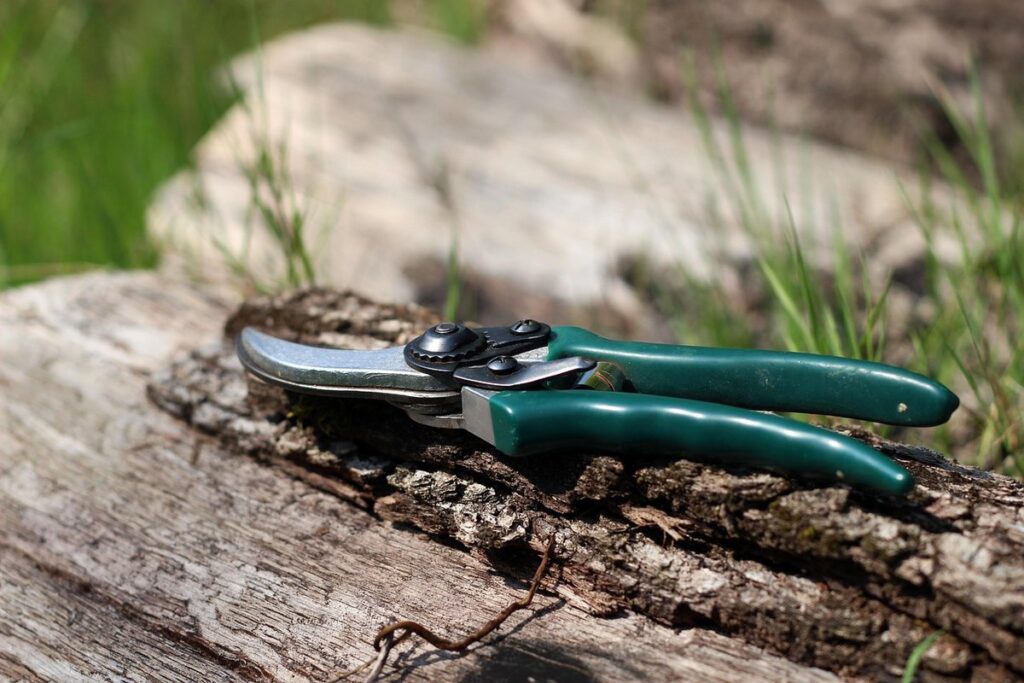
Choosing the right pruning tools is essential for effective hydrangea pruning. As you embark on this process, it’s crucial to have the necessary equipment to avoid damaging your plant and ensure a clean cut. The primary tools needed are pruning shears (also known as hand pruners or secateurs), loppers, and pruning saws.
Pruning shears are ideal for cutting smaller branches and stems up to 1 inch in diameter. They come with different types of blades, such as bypass or anvil, which should be selected based on the type of cut required. For thicker branches, use loppers, which offer longer handles and larger jaws for more leverage.
A pruning saw is necessary for cutting thicker stems, usually those above 1 inch in diameter. It’s also useful for making precise cuts, especially when removing old wood or deadheading spent flowers. Remember to maintain your tools regularly by cleaning them with soap and water after each use and storing them properly to prevent rust.
When working with sharp instruments, always wear protective gloves to avoid injury from accidental cuts. This will not only safeguard you but also help keep your hydrangea pruning process smooth and efficient.
The Step-by-Step Guide to Hydrangea Pruning
Pruning hydrangeas requires attention to detail and a step-by-step approach to ensure healthy growth and blooming. Start by inspecting your hydrangea for deadheading opportunities – remove spent flowers to encourage new blooms and maintain the plant’s appearance. Use sharp, sterile pruning shears or loppers to cut stems at a 45-degree angle just above a bud or node.
Next, assess which stems to cut back completely. For Bigleaf and Panicle hydrangeas, reduce overgrown canes by one-third to half to encourage new growth. Oakleaf and Smooth varieties typically require less pruning, but still benefit from occasional shaping to maintain their natural form.
When rejuvenating old or neglected hydrangeas, begin with a thorough cut-back of all stems to about 12-18 inches from the ground. This will allow for new growth to emerge and promote healthy regrowth. Don’t forget to disinfect your pruning tools between cuts to prevent disease transmission. By following this step-by-step guide, you’ll be able to prune your hydrangeas effectively and enjoy their beauty all season long.
Timing Your Prune: When to Prune in Spring, Summer, or Fall
When pruning hydrangeas, timing is everything. Let’s break down the best times to prune your hydrangea in spring, summer, and fall.
Spring Pruning for New Growth
Spring is an ideal time to prune hydrangeas, as it allows for new growth and promotes healthy blooms. When pruning in the spring, keep in mind that you’re aiming to promote healthy new shoots. Start by removing any dead or damaged branches, which will prevent the spread of disease and encourage the plant’s energy towards new growth.
To promote new shoots, cut back overgrown branches to about one-third of their original length. This will help redirect the plant’s energy towards producing new blooms. Make clean cuts just above a bud or a leaf node, using sharp, sterile pruning tools to prevent spreading diseases.
Be cautious not to remove too much of the stem, as this can lead to a reduced bloom in the current season. However, if you’ve got an overgrown hydrangea that’s been neglected for a while, it may be necessary to prune more heavily to restore its shape and encourage new growth.
Prune no more than one-third of the plant’s branches each year to avoid stressing the plant. This will also help maintain the plant’s overall health and promote strong, vigorous blooms.
Summer Pruning for Shaping and Maintenance
Summer is an ideal time to prune established hydrangeas that require shape maintenance and blooming encouragement. When performed correctly, summer pruning can promote healthy growth, enhance flower production, and maintain the desired shape of your hydrangea.
To begin with, identify which type of hydrangea you have: Bigleaf (Hydrangea macrophylla), Panicle (Hydrangea paniculata), or Oakleaf (Hydrangea quercifolia). This is crucial because different types require unique pruning approaches. For instance, Bigleaf hydrangeas bloom on old wood and should be pruned immediately after flowering to allow for next year’s blooms.
For shape maintenance, remove any dead, diseased, or damaged branches, cutting them back to a healthy section or the base of the plant. Thin out the center of the shrub to allow sunlight to penetrate and promote air circulation. Don’t over-prune, as this can stress the plant and reduce blooming potential.
When pruning panicle hydrangeas, focus on removing dead or weak stems in late summer, as these will not produce flowers next year. This will also help maintain a neat, compact shape.
Common Mistakes to Avoid When Pruning Hydrangeas
Pruning hydrangeas can be intimidating, and even well-meaning gardeners often make mistakes that affect flower production. In this section, we’ll highlight common errors to steer you clear of.
Misconceptions About Dormant Season Pruning
Many gardeners believe that pruning during the dormant season is a good time to shape their hydrangeas. However, this approach often does more harm than good. The main issue with dormant-season pruning is that it can cause new growth to emerge just as winter ends, making the plant vulnerable to cold snaps and frost damage.
For bigleaf and panicle hydrangeas, this timing can be particularly problematic. If you prune these varieties during dormancy, they may produce weak, spindly new growth in the spring. This not only detracts from the plant’s overall appearance but also makes it more susceptible to disease and pests.
In contrast, oakleaf and smooth hydrangeas tend to handle dormant-season pruning a bit better. However, it’s still essential to exercise caution when cutting back these varieties during this time. A general rule of thumb is to prune only what’s necessary to maintain the plant’s overall health and shape. Any excessive pruning can put unnecessary stress on the hydrangea, potentially leading to disease or pest issues down the line.
The Dangers of Over-Pruning or Under-Pruning
Pruning hydrangeas requires precision and restraint to avoid damaging these beautiful flowers. One common mistake gardeners make is over-pruning their hydrangeas, which can lead to a loss of blooms and even harm the plant’s overall health.
When you prune too much of the stem or cut back branches that are still healthy, it can shock the plant, making it vulnerable to disease and pests. This is especially true for bigleaf and panicle hydrangeas, which rely on their stems to support their large flower heads. Over-pruning can also remove next year’s buds, reducing bloom potential.
On the other hand, under-pruning – not pruning enough – can also be detrimental. It may allow weak or diseased branches to continue growing, spreading disease and weakening the plant. This approach can lead to a decline in blooming performance over time.
To strike the right balance, prune only what’s necessary: remove dead, diseased, or damaged wood; cut back spent blooms (unless you want to promote repeat flowering); and shape the plant as needed for structure.
Additional Considerations for Specific Hydrangea Varieties
Some hydrangea varieties have unique pruning requirements, so let’s take a closer look at Bigleaf, Panicle, and Oakleaf types, which may need special attention. This will help you prune them like a pro!
Bigleaf vs Panicle Hydrangeas: Unique Pruning Needs
Bigleaf hydrangeas and panicle hydrangeas are two popular varieties that require distinct pruning approaches. Bigleaf hydrangeas, also known as French hydrangeas, produce large, showy blooms that need to be pruned annually. To maintain their size and promote blooming, prune these plants in late winter or early spring, removing any dead or damaged branches.
In contrast, panicle hydrangeas are more versatile when it comes to pruning timing. These shrubs can tolerate some frost, making them a great option for areas with harsh winters. Panicle hydrangeas typically require pruning only every 2-3 years, but it’s essential to prune immediately after blooming to maintain their natural shape.
When pruning panicle hydrangeas, focus on removing any dead or diseased branches, as well as those that are crossing or rubbing against other stems. Avoid cutting too much of the plant at once, as this can reduce blooming potential for the following year. Instead, trim only what’s necessary to maintain the shrub’s overall shape and promote healthy growth.
One key consideration when pruning bigleaf and panicle hydrangeas is to avoid over-pruning, which can lead to a decrease in blooms or even kill the plant. By understanding their unique pruning needs, you’ll be able to keep your hydrangea varieties looking their best with minimal effort.
Care Tips for Container-Grown Hydrangeas
If you’re growing hydrangeas in containers, you’ll need to adapt their care routine and pruning techniques to meet their specific needs. These plants require more frequent watering and fertilization due to their smaller root system, which can make them more prone to nutrient deficiencies.
When pruning container-grown hydrangeas, focus on maintaining a balanced shape and encouraging new growth. Since the roots are confined to a smaller space, prune no more than one-third of the plant’s stems each year to prevent shocking the roots. Also, be mindful of the soil pH, as it can affect the color and fertility of the blooms.
To ensure optimal pruning, inspect your hydrangea regularly for dead or damaged branches, and remove them immediately. For panicle and smooth varieties, prune in late winter or early spring before new growth begins. Bigleaf hydrangeas, on the other hand, are best pruned after blooming to avoid cutting off flower buds.
When caring for container-grown hydrangeas, use a well-draining potting mix and a slightly acidic fertilizer (pH 6.0-7.0) to promote healthy growth and blooms. By following these care tips and adapting pruning techniques, you can enjoy vibrant flowers from your container-grown hydrangea all season long.
Frequently Asked Questions
Can I prune my hydrangeas in the fall instead of spring or winter?
Yes, you can prune your hydrangeas in the fall, but it’s essential to wait until the plant has finished its blooming cycle and the new growth has stopped. Pruning too early can lead to a lack of blooms the following year. However, pruning in the fall can promote new growth and help the plant prepare for next year’s blooms.
What if I accidentally prune my hydrangea at the wrong time? Can it still recover?
While it’s best to prune your hydrangeas at the right time, they can sometimes recover from incorrect pruning. If you’ve pruned too late or too early, your hydrangea may still produce some flowers, but the quality and quantity may be affected. To minimize damage, prune lightly in the correct season and avoid over-pruning.
How do I know if my hydrangea needs a “type-specific” prune?
Different types of hydrangeas have unique pruning requirements. For example, Bigleaf Hydrangeas require regular pruning to control blooming, while Panicle Hydrangeas can be pruned more lightly. To determine the right prune for your hydrangea, consider its specific variety and growth habits.
What are some common mistakes to avoid when pruning my hydrangea?
Some common mistakes include over-pruning (removing too much of the plant’s old wood), under-pruning (not removing enough dead or damaged stems), and pruning during the dormant season. Regularly inspect your hydrangea before pruning, and consider consulting with a gardening expert if you’re unsure.
Can I prune my container-grown hydrangeas differently than those planted in the ground?
Yes, container-grown hydrangeas require more frequent watering and fertilization than those planted in the ground. Additionally, their root systems may be more compacted due to the container size. When pruning your container-grown hydrangea, consider its specific needs and prune lightly to prevent stressing the plant.