
Hydrangeas are one of the most beautiful additions to any garden, but their stunning blooms don’t happen by chance. To encourage these gorgeous flowers to grow, proper pruning is essential. However, many gardeners struggle with when and how to prune hydrangeas, leading to disappointing results. If you’re tired of guessing or relying on outdated advice, this article is here to help.
We’ll take a step-by-step approach to explaining the best techniques for pruning hydrangeas, from preparation to post-care. You’ll learn expert tips on how to encourage stunning blooms and maintain your plant’s overall health. By the end of this guide, you’ll be confident in your ability to prune hydrangeas like a pro, ensuring your garden is filled with vibrant flowers all season long.
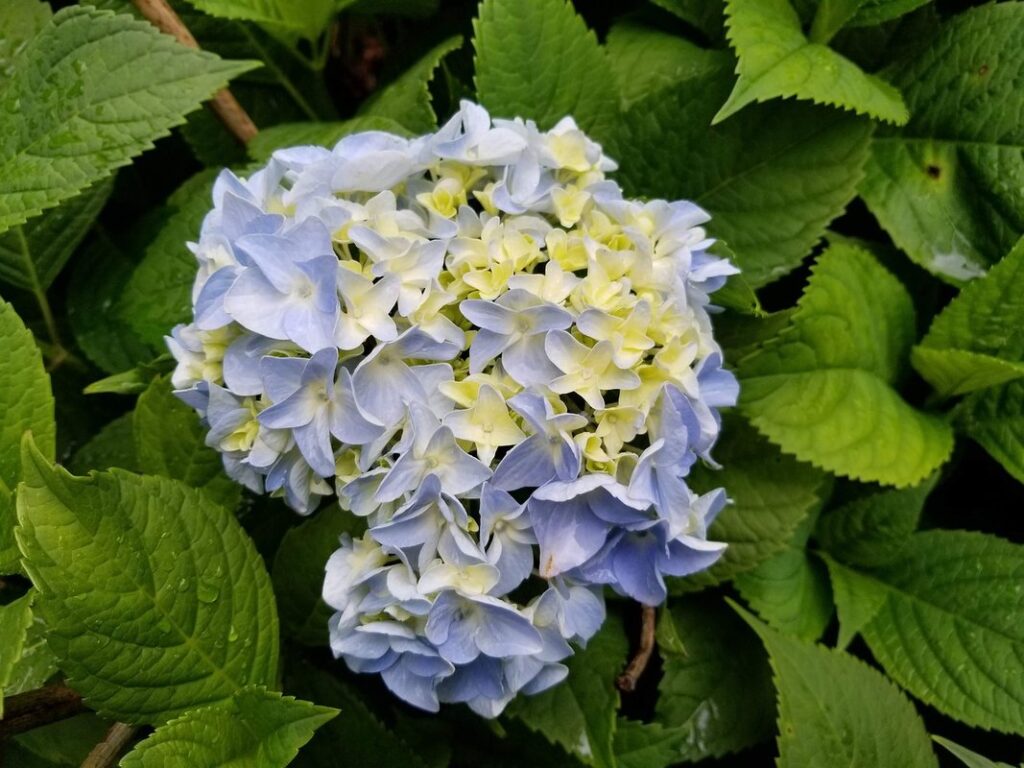
Understanding Hydrangea Growth Cycles
To grow and thrive, hydrangeas go through distinct growth cycles that are crucial to understand before pruning. Let’s dive into how these cycles work.
How Hydrangeas Grow Through the Seasons
As hydrangeas grow through the seasons, their needs and growth patterns change significantly. During the winter months, hydrangeas are typically dormant, meaning they’re not actively growing new leaves or flowers. This is a great time to prune them to maintain shape, promote healthy growth, and encourage blooming in the following year.
In late winter to early spring, around February or March, depending on your location, hydrangeas begin to break dormancy. New growth starts to emerge, and it’s essential to remove any dead or damaged branches during this phase. This is also an excellent time for renewal pruning, cutting back overgrown stems to about one-third of their height.
As temperatures rise in spring, hydrangeas enter their active growth phase, producing lush foliage and new flower buds. During this period, provide regular watering and fertilization to support the plant’s rapid growth. By late spring to early summer, flowers begin to bloom, typically lasting several weeks. Keep in mind that heavy blooming can be taxing on the plant, so it’s crucial to provide adequate support and maintenance during this time.
In the fall, as temperatures drop, hydrangeas slow their growth and prepare for dormancy again. Remove any spent blooms or dead leaves to prevent disease and maintain a clean appearance. Be gentle when pruning in autumn, as cutting too much of the new growth can weaken the plant over winter.
When it comes to pruning your hydrangea, timing is everything. Prune during the dormant period (winter) for maintenance, renewal, and structure, or after blooming (summer) for shaping and size control. By understanding these seasonal patterns and adjusting your pruning schedule accordingly, you’ll be able to promote healthy growth, encourage blooming, and enjoy a stunning hydrangea display throughout the year.
Pruning during different seasons helps maintain a balanced ecosystem within the plant. When done correctly, pruning promotes healthy root development, stimulates new growth, and encourages blooming – all of which are essential for maintaining your hydrangea’s overall health. By recognizing these seasonal patterns and adapting your pruning schedule, you’ll be able to enjoy vibrant blooms and lush foliage year-round.
By following this guide on how to prune hydrangeas at the right time, you can maintain their beauty and promote their health throughout the seasons. Remember to monitor your plant closely for signs of stress or disease and adjust your pruning schedule accordingly. With regular care and attention, your hydrangea will thrive, providing years of enjoyment and beauty in your garden.
Note: Keep an eye out for pests like aphids, whiteflies, and spider mites that can infest hydrangeas during periods of high growth. Regularly inspecting your plant will help you catch any issues early on, preventing damage to the plant’s overall health.
Factors Influencing Hydrangea Pruning Needs
Hydrangeas are incredibly adaptable plants, but their pruning needs can vary significantly depending on several key factors. Climate, for instance, plays a crucial role in determining the frequency and timing of pruning. In warmer climates, hydrangeas may require more frequent pruning to maintain their shape and encourage new growth. On the other hand, cooler climates often necessitate less frequent pruning.
Soil quality also has a significant impact on hydrangea pruning needs. Hydrangeas growing in nutrient-poor soil may require more pruning to promote healthy growth and flowering. Conversely, those in rich, well-draining soil may benefit from minimal pruning.
The age of the plant is another critical factor to consider when determining pruning requirements. Young hydrangeas typically require more frequent pruning to establish a strong root system and encourage branching. As they mature, however, less pruning becomes necessary, focusing on shaping and maintaining the desired form.
Pre-Pruning Preparation
Before you start pruning, it’s essential to prepare your hydrangea for the task at hand. This includes clearing away any debris and taking a closer look at your plant’s condition.
Choosing the Right Tools for Hydrangea Pruning
When it comes to pruning hydrangeas, having the right tools for the job is essential. The key is to choose tools that are sharp, sturdy, and suitable for the size of your plant.
Hand pruners are a must-have for any hydrangea pruning task. Look for ones with high-carbon steel blades and comfortable grips. They’re perfect for cutting stems up to 1 inch in diameter. Loppers, on the other hand, are great for thicker branches and can reach up to 2 inches in diameter. Choose loppers with long handles and sturdy jaws.
If you have larger hydrangeas or need to prune through thick wood, a saw is necessary. Look for a high-quality pruning saw with fine teeth and a durable handle. To keep your tools in top condition, always clean them after use with soap and water. Sharpen hand pruners every few months using a sharpener or whetstone. Regular maintenance will ensure your tools stay effective throughout the pruning season.
Investing in good quality tools may seem like an added expense, but it’s worth it in the long run for healthy, beautiful hydrangeas.
Selecting the Best Time to Prune Your Hydrangea
When it comes to hydrangea pruning, timing is everything. The ideal time to prune your hydrangeas depends on their type and whether you want to encourage blooming or control their size. Bigleaf (Hydrangea macrophylla) and Panicle Hydrangeas (Hydrangea paniculata) typically require different pruning schedules.
For Bigleaf Hydrangeas, the best time to prune is in late winter or early spring, before new growth begins. This allows for optimal blooming results, as the plant can focus its energy on flower production rather than foliage. Pruning during this period will also help control the overall size and shape of the shrub.
On the other hand, Panicle Hydrangeas should be pruned in late winter or early spring as well, but with a slightly different approach. Remove any dead, diseased, or damaged branches at any time of year, but for shaping and maintenance, prune after the blooming period has ended. This will encourage bushy growth and promote more blooms.
By pruning your hydrangeas during these specific times, you’ll be able to achieve the desired shape, size, and bloom pattern while promoting overall plant health.
Basic Pruning Techniques
To start pruning hydrangeas effectively, you’ll want to learn basic techniques like selecting the right tools and cutting correctly during the dormant season. Let’s dive into these essential skills.
Removing Dead or Damaged Branches
When it comes to maintaining the health and appearance of your hydrangeas, removing dead or damaged branches is an essential step in pruning. These types of branches can be unsightly, but more importantly, they can also harbor diseases that can spread to other parts of the plant.
To identify dead or diseased branches, look for signs such as withered leaves, brittle stems, or visible fungal growths. Damaged branches may have cracks, splits, or torn bark. Inspect your hydrangea carefully, and gently grasp each branch between your thumb and index finger to assess its flexibility. If a branch is easily snapped or feels weak, it’s likely damaged.
To remove dead or damaged branches, use sharp pruning tools to make clean cuts just above a growth node – the point from which new growth emerges. Make the cut at a 45-degree angle, sloping away from the center of the plant to promote water run-off and prevent fungal diseases from taking hold. Remove any affected branches all the way back to the base of the stem, making sure not to leave any stubs that can harbor disease or create entry points for pests.
Shaping and Maintaining Hydrangea Shape
When it comes to shaping and maintaining the shape of hydrangeas, regular pruning is essential. Overgrown branches can not only detract from the plant’s appearance but also hinder its ability to produce flowers. To trim back overgrown branches, start by removing any dead or diseased wood, using sharp, clean pruning shears to prevent spreading disease.
Next, focus on reducing long branches by cutting them back to about one-third of their original length. This will help control the plant’s overall height and promote new growth from the base. To maintain a balanced shape, aim for an even distribution of branches around the plant, removing any crossing or rubbing branches that can cause damage.
By following these steps, you’ll be able to achieve a well-proportioned hydrangea with plenty of room for optimal flowering. Remember to prune in late winter or early spring, before new growth begins, and don’t be afraid to repeat the process as needed throughout the growing season.
Advanced Pruning Techniques
Now that you’re familiar with the basics, it’s time to dive into more advanced pruning techniques that will help take your hydrangea gardening skills to the next level. We’ll cover expert methods for shaping and training your blooms.
Renewal Pruning for Revitalizing Old Hydrangeas
When it comes to revitalizing old hydrangeas, renewal pruning is a crucial technique that can make all the difference. This process involves cutting back older stems to encourage new growth and promote a healthy, robust plant. To start, identify the oldest and most woody stems on your hydrangea, as these are typically the ones that need attention.
Cut these stems back to about one-third to one-half of their original height, using clean, sharp pruning tools to minimize damage to the plant. This will help redirect energy away from the old growth and towards new stem development. Make sure to remove any weak or damaged branches in the process, as these can be a source of disease and pests.
As you prune, also take note of any areas where new stems are emerging, as these are often indicative of healthy root activity. By renewal pruning your hydrangea annually, you’ll be able to maintain its vigor, promote blooming, and enjoy a robust, thriving plant for years to come.
Thinning Out Hydrangea Branches
When it comes to pruning hydrangeas, thinning out branches is an often-overlooked technique that can have a significant impact on the plant’s overall health. By removing select branches and reducing the density of the shrub, you’ll promote air circulation and reduce the risk of disease susceptibility. This is especially important for bigleaf and panicle hydrangeas, which are prone to mildew and leaf spot.
By thinning out weak or damaged branches, you’ll also improve light penetration, allowing more of the plant’s inner areas to receive direct sunlight. As a result, flower production will increase, and the overall appearance of the shrub will be enhanced. Consider removing any branches that cross over each other or grow inwards towards the center of the plant. This will help maintain an open structure and encourage new growth from the remaining branches.
To thin out hydrangea branches effectively, start by removing no more than 20-30% of the existing growth. Focus on weak or damaged branches first, then select a few stronger ones to prune back as well. Make clean cuts just above a bud eye or node, using sharp, sterile pruning tools to minimize the risk of infection.
Common Pruning Mistakes to Avoid
When pruning hydrangeas, it’s easy to make mistakes that can harm your plant. Let’s take a look at some common errors to avoid for beautiful blooms and healthy growth.
Over-Pruning: A Recipe for Disaster
Over-pruning hydrangeas can have devastating effects on their overall health and flowering performance. It’s not uncommon for gardeners to assume that cutting back the entire shrub will encourage new growth, but this couldn’t be further from the truth.
When you over-prune a hydrangea, you’re essentially removing too much of its energy-producing tissue. This can lead to reduced flowering in subsequent years, as the plant’s resources are diverted towards producing new stems rather than flowers. For example, if you prune your Bigleaf Hydrangea (Hydrangea macrophylla) back by more than one-third, it may not produce any blooms for that season.
Over-pruning also weakens the stems of your hydrangea, making them more susceptible to breakage and damage from wind or frost. Furthermore, a weakened plant is more vulnerable to pests and diseases, which can quickly take hold and cause further problems. To avoid these issues, prune only what’s necessary – remove dead, diseased, or damaged branches, and shape the shrub as needed to maintain its natural form.
Incorrect Tool Usage
When it comes to hydrangea pruning, using the right tools is crucial for achieving healthy and beautiful results. Unfortunately, many gardeners fall into the trap of using dull or improper pruning tools, which can lead to serious consequences.
Using a dull pruning tool is like cutting with a blunt knife – it doesn’t just slow you down, but also causes damage to the plant. Dull blades tear at the stems, leaving jagged edges that are more susceptible to disease and pests. This can weaken your hydrangea and even kill it if left unattended.
To avoid this common mistake, make sure to sharpen your pruning tools regularly. For secateurs, a sharp blade will make clean cuts and prevent crushing the stem. You should aim to sharpen them at least once a season or after every 20-30 cuts. If you’re unsure about how to sharpen your tools, consult with a gardening expert or watch online tutorials for guidance.
Proper tool maintenance is key to successful hydrangea pruning. By keeping your tools sharp and clean, you’ll be able to prune more efficiently and effectively, resulting in healthier, more vibrant blooms.
Post-Pruning Care
After you’ve pruned your hydrangea, there are several important steps to take for optimal blooming and plant health. These post-pruning care tips will ensure a thriving shrub come springtime.
Watering After Pruning: A Key to Recovery
Proper hydration after pruning is essential for hydrangea recovery. Pruning can cause stress to the plant, making it more susceptible to disease and pests. To minimize shock and promote healthy recovery, water your hydrangea thoroughly after pruning.
Watering should continue through the growing season, especially during hot or dry weather. Aim to provide about 1 inch of water per week, either from rain or irrigation. This can be achieved by watering deeply once or twice a week, rather than lightly every day. Mulching around the plant also helps retain moisture and suppress weeds.
Avoid overwatering, which can lead to root rot and other problems. Check the soil moisture by inserting your finger into the soil up to the knuckle. If the soil feels dry, it’s time to water. Monitor your hydrangea regularly for signs of drought stress, such as wilted leaves or yellowing foliage.
Maintaining a consistent watering schedule will help your hydrangea recover from pruning and establish strong roots for future growth. With proper care, your hydrangea should bloom beautifully in the following season.
Monitoring for Pests and Diseases
As you finish pruning your hydrangeas, it’s essential to keep an eye out for pests and diseases that can quickly take over if left unchecked. Inspect your plants regularly for signs of trouble, such as yellowing leaves, black spots, or actual insects crawling on the stems.
Some common pests that target hydrangeas include aphids, whiteflies, and spider mites. These tiny creatures feed on sap, causing curled or distorted leaves, stunted growth, and a weakened plant overall. To prevent infestations, use neem oil or insecticidal soap as a preventative measure. If you do spot pests, gently spray them off with water and apply an insecticide according to the product’s instructions.
Diseases like powdery mildew, leaf spot, and root rot can also wreak havoc on hydrangeas if not addressed promptly. Regular watering practices that avoid overhead watering (which encourages fungal growth) and providing good air circulation around plants can help prevent these issues. If you notice any disease symptoms, treat the affected area with a fungicide and make sure to remove any infected leaves or stems to prevent the problem from spreading.
By monitoring for pests and diseases carefully, you can catch problems early on and take swift action to protect your hydrangeas’ health and overall appearance.
Frequently Asked Questions
Can I still prune my hydrangea if it’s already blooming?
Yes, you can definitely prune your hydrangea while it’s blooming, but timing is crucial. For bigleaf and panicle hydrangeas, the best time to prune them during flowering seasons is after they finish blooming. This allows for more blooms in subsequent years.
What happens if I accidentally over-prune my hydrangea?
Over-pruning can significantly stress your plant, making it vulnerable to pests and diseases. If you’ve gone too far with your pruning, focus on watering and fertilizing your hydrangea generously to help it recover. Also, keep an eye out for any signs of damage or disease.
Are there specific tools I should use when pruning my large hydrangeas?
For larger hydrangeas, consider using loppers (pruning shears) with long handles to make the task easier and safer. You may also want to invest in a pole saw for tall branches that are difficult to reach. Make sure your tools are clean and sharp to prevent spreading diseases.
How do I know when my hydrangea needs renewal pruning?
Renewal pruning is necessary when your old hydrangea has become overgrown, or if it’s no longer producing flowers as it once did. Look for branches that have grown leggy, weak, or diseased, and consider cutting them back to about one-third to one-half of their size. This will encourage new growth and potentially more blooms.
What can I expect after pruning my hydrangea in terms of its appearance?
After pruning your hydrangea, it might look a bit bare for the first growing season. However, don’t worry – this is normal! As new growth emerges, your plant should regain its shape and size over time. Be patient and enjoy watching your hydrangea recover and flourish with proper care.