
Are you tired of staring at your beautiful hydrangeas, only to notice they’re not producing the vibrant flowers you expect? You’re not alone! Many gardeners struggle with this issue, and it can be frustrating to figure out why. But don’t worry, I’m here to help. In this article, we’ll explore the top reasons why your hydrangeas aren’t blooming, from soil pH to pruning techniques and more. We’ll also dive into practical solutions you can implement in your own garden to encourage those gorgeous blooms. Whether you’re a seasoned gardener or just starting out, understanding why your hydrangeas aren’t blooming is key to getting the most out of these stunning flowers. By the end of this article, you’ll have a solid grasp on how to coax your hydrangeas into producing vibrant, show-stopping blooms.
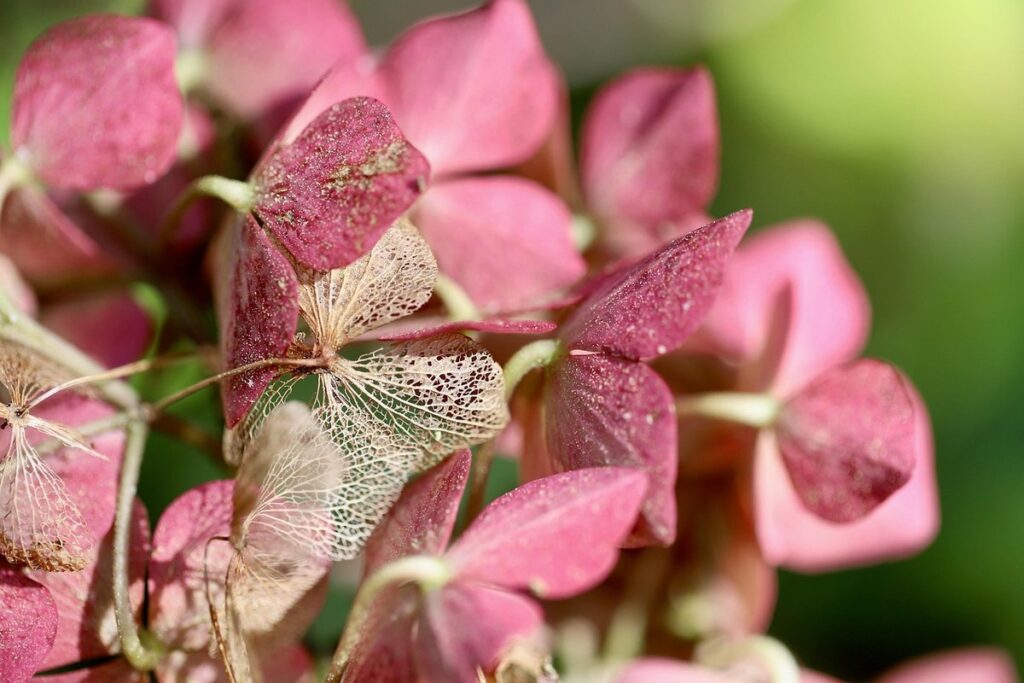
Understanding Hydrangeas and Their Growth Habits
To help you tackle hydrangea not blooming issues, let’s first explore their growth habits and how they impact flower production, which is crucial for a successful bloom.
Factors that Influence Blooming
When it comes to hydrangeas, blooming is often dependent on a combination of factors. One crucial aspect that affects their ability to bloom is temperature. Hydrangeas prefer temperatures between 65°F and 95°F (18°C and 35°C), with ideal growing conditions falling within the range of 60°F to 70°F (15°C to 21°C). Prolonged exposure to extremely high or low temperatures can impact their blooming cycles.
Light conditions also play a significant role in hydrangea blooming. Most hydrangeas require partial shade, especially when young, but they’ll produce more flowers if provided with full sun in cooler climates. It’s essential to note that intense sunlight can cause the flowers to wilt and turn brown, so moderation is key.
Soil conditions also affect hydrangea blooming. They prefer well-draining soil rich in organic matter and slightly acidic pH (between 6.0 and 7.0). If your hydrangeas are not getting enough nutrients or water, they might not bloom at all. Regular fertilization and mulching can help promote healthy growth and encourage blooming.
Common Issues with Hydrangea Bloom Absence
If you’re experiencing a hydrangea bloom absence, there are several common issues to consider. One reason is the age of the plant. Young hydrangeas typically don’t produce flowers for the first two to three years after planting, as they focus on developing their root system.
Another possible cause is improper pruning habits. Pruning at the wrong time or removing too much of the plant can stress it and prevent blooming. For example, if you prune your hydrangea in the spring before new growth begins, you may be cutting off next year’s flower buds. It’s essential to prune your hydrangeas after they finish blooming in the summer.
Additionally, underlying diseases or pests can also cause a lack of blooms. Fungal diseases like root rot or leaf spot can weaken the plant and prevent it from producing flowers. Pests such as aphids or spider mites can also damage the plant and reduce its ability to bloom. Regularly inspect your hydrangeas for signs of disease or pests, and take action promptly if you notice any issues.
Keep in mind that some varieties of hydrangeas are naturally more prone to not blooming than others. Bigleaf (Hydrangea macrophylla) and oakleaf (Hydrangea quercifolia) hydrangeas tend to be the most finicky when it comes to producing blooms.
Soil-Related Reasons for No Blooms
If you’ve checked your hydrangea’s water and sunlight needs, it’s time to dig deeper – literally – to see if soil issues are the culprit behind its lack of blooms. Let’s explore some common soil-related reasons for this problem.
pH Levels and Their Impact
When it comes to hydrangeas not blooming, soil pH plays a significant role. You see, these beautiful flowers are sensitive to their surroundings, and the pH level of your soil can either encourage or discourage blooming. Hydrangeas thrive in slightly acidic to neutral soils, with an optimal range between 6.0 and 7.0 on the pH scale.
If your soil is too alkaline (above 7.5), it may cause a lack of blooms, as hydrangeas struggle to absorb essential nutrients in high-pH conditions. On the other hand, if your soil is too acidic (below 5.5), it can lead to excessive iron and aluminum uptake, which also hampers blooming.
To give you a better idea, consider this: if you live in an area with alkaline soil and want to grow hydrangeas, you’ll need to amend the soil by adding organic matter like peat moss or sulfur. Conversely, if your soil is too acidic, adding lime can help raise the pH level.
Remember, maintaining an ideal pH range is crucial for encouraging blooming. Get a soil test done to determine your soil’s pH level and adjust it accordingly. By making these simple adjustments, you’ll be well on your way to enjoying vibrant hydrangea blooms in your garden.
Nutrient Deficiencies: A Key to No Blooms
When it comes to promoting blooming in hydrangeas, essential nutrients play a crucial role. Nitrogen, phosphorus, and potassium are among the key macronutrients that contribute to this process. Nitrogen is vital for healthy growth, as it promotes leaf development and overall vigor. However, excessive nitrogen can lead to lush foliage at the expense of blooms.
Phosphorus, on the other hand, is directly involved in flower production. It helps create the energy required for bud formation and development. Potassium aids in nutrient uptake, ensuring that hydrangeas receive the necessary nutrients for blooming.
To ensure your hydrangea receives adequate nutrients, consider soil testing to determine its pH level and nutrient content. Based on the results, you can amend the soil with organic matter or fertilizers specifically formulated for hydrangeas. A balanced fertilizer with an N-P-K ratio of 10-10-10 is a good starting point. Avoid over-fertilizing, as this can lead to nutrient deficiencies in other essential micronutrients like iron and magnesium.
By providing your hydrangea with the necessary nutrients, you’ll be well on your way to promoting healthy blooms.
Watering Habits and Hydrangea Bloom Issues
When it comes to hydrangeas, inconsistent watering habits can be a major culprit behind disappointing blooms. Let’s dive into common watering mistakes that might be affecting your flowers’ fertility.
Overwatering vs. Underwatering
When it comes to hydrangeas not blooming, one common mistake gardeners make is either overwatering or underwatering their plants. Both of these issues can have detrimental effects on the growth and blooming patterns of your hydrangea.
Overwatering can lead to root rot, which will prevent your plant from absorbing essential nutrients necessary for blooming. On the other hand, underwatering can cause stress to the plant, resulting in wilted leaves and reduced flower production. In fact, research suggests that drought-stressed hydrangeas can take up to two years to recover from underwatering.
To avoid both overwatering and underwatering, it’s essential to water your hydrangea deeply but infrequently. This means allowing the soil to dry slightly between waterings. A good rule of thumb is to check the soil moisture by sticking your finger into the soil up to the first knuckle. If the soil feels dry, it’s time to water.
To ensure you’re providing your hydrangea with the right amount of water, monitor its specific needs based on factors such as climate, soil type, and maturity level. For example, young plants require more frequent watering than mature ones. By paying attention to these subtleties and making adjustments accordingly, you can create an optimal environment for your hydrangea to thrive and produce beautiful blooms.
Soil Drainage Importance for Blooms
Soil drainage is often overlooked but plays a crucial role in hydrangea blooming. When soil lacks proper drainage, it can lead to root rot, which can severely hinder blooming. Root rot occurs when the roots of your hydrangea sit in waterlogged soil for extended periods. This creates an ideal environment for fungi and bacteria to thrive, causing damage to the roots.
To understand the importance of proper drainage, consider that a typical hydrangea plant requires at least 1 inch of rainfall or irrigation each week. However, if the soil doesn’t drain efficiently, this excess water can become trapped around the roots, causing waterlogged conditions. This is especially common in areas with heavy clay soils.
To prevent root rot and promote blooming, ensure that your hydrangea’s planting site has well-draining soil. You can achieve this by mixing organic matter like compost or well-rotted manure into the soil before planting. Avoid overwatering, as this will only exacerbate drainage issues. Monitor your plant regularly, lifting the mulch around it to check for any signs of root rot or waterlogging. By prioritizing proper drainage, you’ll be taking a significant step towards encouraging those elusive hydrangea blooms.
Pruning and Maintenance Mistakes
When it comes to coaxing your hydrangeas into blooming, pruning and maintenance mistakes can be a major setback. Let’s explore common errors that might be preventing your hydrangeas from producing those gorgeous flowers.
Incorrect Pruning Techniques
When it comes to pruning hydrangeas, timing and technique are crucial. Pruning at the wrong time can not only reduce blooms but also eliminate them altogether. One common mistake is pruning too early in the season, typically before new growth begins. This can weaken the plant, making it less likely to produce flowers.
Another error is over-pruning, which involves removing too much of the stem and foliage. This can stress the plant, causing it to divert energy from blooming to recovery. It’s essential to prune only what’s necessary to maintain shape and promote healthy growth. Remove any dead or diseased wood, but leave enough stems intact to allow for blooming.
Additionally, pruning at the wrong node can also impact blooms. Cut just above a leaf bud, rather than cutting too far up the stem. This will encourage new growth from that node, promoting more blooms in the next season. By being mindful of these common mistakes and following proper pruning techniques, you can help ensure your hydrangeas produce beautiful flowers year after year.
Overgrowth Prevention Strategies
Regular pruning and training are crucial for maintaining a healthy hydrangea plant. To prevent overgrowth, you need to control its size and promote balanced growth. One of the most effective ways to achieve this is by cutting back the stems after they finish blooming in late summer or early fall. Remove any weak or damaged branches, as well as those that are crossing or rubbing against each other.
To train your hydrangea plant, you can use a stake to support its stems and keep them upright. This will not only help maintain its shape but also prevent it from getting tangled or weighed down by heavy blooms. Make sure to secure the stakes gently so they don’t damage the stems.
For compact varieties, prune them regularly throughout the growing season to maintain their size. Remove any tips that are becoming leggy, and cut back the stems to about one-third of their height. This will encourage bushy growth and prevent overgrowth.
By implementing these simple pruning and training techniques, you can keep your hydrangea plant healthy, balanced, and blooming beautifully throughout the seasons.
Environmental Factors Affecting Blooms
When it comes to hydrangea blooms, environmental factors play a significant role in their development. Let’s explore how factors like soil pH, sunlight, and temperature can impact your plant’s flowering abilities.
Temperature Extremes Impact
When extreme temperatures affect hydrangeas, it can significantly impact their growth and blooming patterns. Prolonged exposure to heatwaves above 90°F (32°C) or cold snaps below 40°F (4°C) can cause stress to the plant, leading to a decrease in blooms.
During heatwaves, hydrangeas may drop their buds as a natural defense mechanism to prevent damage from excessive heat. This is often seen in areas with little shade and poor soil conditions that exacerbate temperature fluctuations. In contrast, prolonged periods of cold temperatures can also cause bud drop and reduce the overall blooming potential of the plant.
To mitigate these effects, provide your hydrangea with adequate moisture and maintain a consistent level of humidity around it. This can be achieved by using mulch or other groundcovers to retain soil moisture and prevent water evaporation. Additionally, ensure that your hydrangea receives at least six hours of direct sunlight per day to promote healthy growth and blooming patterns.
It’s also essential to note that sudden temperature drops after a prolonged period of warm weather can cause damage to hydrangeas. Monitor the local weather forecast closely during these periods to provide necessary protection for your plant, such as covering it with a sheet or tarp.
Wind Protection for Hydrangeas
When it comes to growing hydrangeas, many gardeners overlook one crucial aspect: wind protection. As these beautiful flowers rely heavily on moisture and humidity to thrive, harsh winds can quickly dry out their delicate blooms. To maintain healthy growth and promote blooms, providing adequate wind protection is essential.
Wind can cause a range of issues for hydrangeas, from damaged leaves and stems to reduced flower production. When exposed to strong gusts, the plant’s energy is diverted towards repairing damage rather than producing flowers. Furthermore, dry air accelerates water loss through transpiration, making it challenging for the plant to retain moisture.
To shield your hydrangea from wind, consider planting nearby shrubs or trees that can act as a buffer. Alternatively, install a trellis or screen around the plant to block wind direction. Mulching around the base of the plant can also help retain moisture and reduce soil temperature fluctuations. By taking these simple steps, you’ll be giving your hydrangea the best chance at producing vibrant blooms.
Frequently Asked Questions
Can I still get blooms on my hydrangea if it’s not getting enough sunlight?
Yes, while sunlight is crucial for blooming, some varieties of hydrangeas can tolerate partial shade or even full shade conditions. If you’re unsure about your specific plant, observe its growth and see if it produces flowers in lower light conditions.
How long does it take to notice improvements after adjusting soil pH levels?
After making adjustments to your soil’s pH levels, you may not see immediate results. It can take several months for the changes to affect your hydrangeas’ blooming cycles, so be patient and monitor their growth closely.
What’s a good indicator that my hydrangea is experiencing nutrient deficiencies?
Look out for yellowing leaves or weak growth in your hydrangea, as these are often signs of nutrient deficiencies. Regularly inspect your plants for these warning signs and adjust your fertilization schedule accordingly to prevent further damage.
Can I prune my hydrangeas during the winter months if they’re not blooming?
No, it’s generally best to avoid pruning your hydrangeas during the dormant season (winter). Prune them in late winter or early spring when new growth begins, as this will help promote healthy blooms for the current growing season.
How do I balance my watering habits to avoid overwatering and underwatering my hydrangea?
Monitor your plant’s soil moisture by checking its water level every few days. Water deeply but infrequently to encourage deep root growth and prevent shallow roots that can lead to weak blooming cycles.