
Hydrangeas are a beloved addition to many gardens, renowned for their stunning blooms and lush foliage. However, even these hardy plants can be susceptible to issues that affect their leaves. From pests and diseases to nutritional deficiencies and environmental stress, hydrangea leaf problems can quickly become apparent if left unaddressed. As a hydrangea owner, it’s essential to recognize the warning signs of trouble brewing beneath the surface.
In this article, we’ll take a closer look at common issues affecting hydrangea leaves, from identifying symptoms to implementing effective solutions. We’ll cover everything you need to know to keep your plants healthy and thriving. Whether you’re experiencing yellowing leaves or discovering unsightly pests, we’ll provide practical guidance on how to diagnose and fix problems before they cause lasting harm.
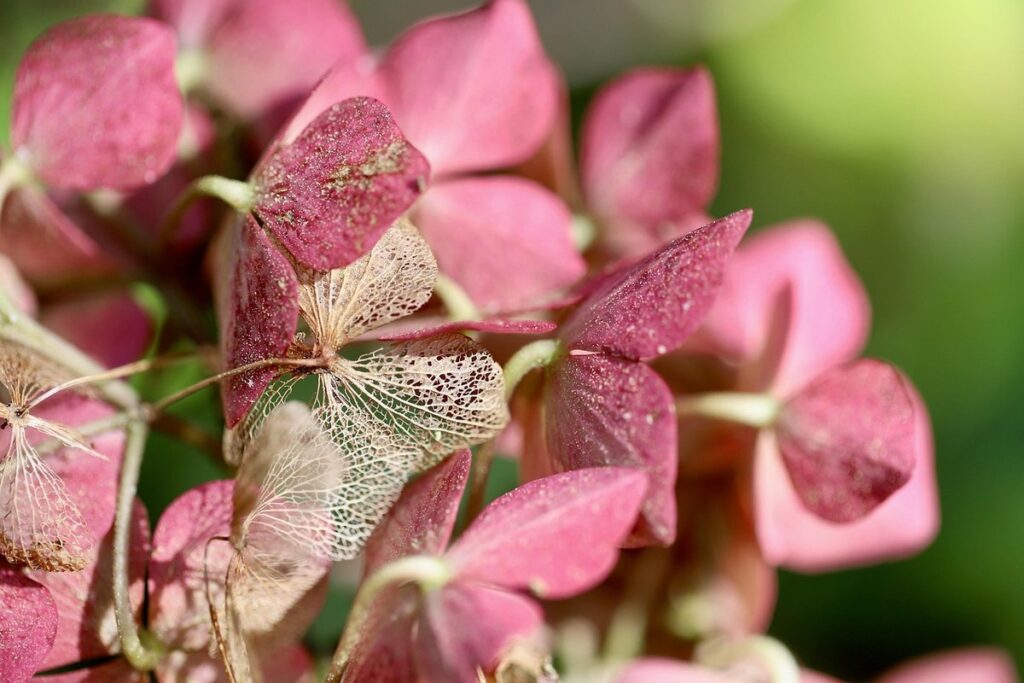
Common Issues Affecting Hydrangea Leaves
If you’re noticing brown spots, yellowing leaves, or curled foliage on your hydrangeas, it’s likely due to one of several common issues that we’ll be discussing in this section. We’ll explore these problems and their causes together.
Pests and Diseases
Pests and diseases can wreak havoc on your beautiful hydrangea plants, causing unsightly damage to their leaves. Among the most common culprits are aphids and whiteflies, tiny insects that feed on plant sap, weakening the plant and creating sticky honeydew droplets on the leaves. Regularly inspecting your plants for these pests is crucial, as they can multiply rapidly in warm weather.
Another common pest is the spider mite, which sucks plant juices through its piercing-sucking mouthpart, causing yellowing or bronzing of the leaves. To control infestations, use neem oil or insecticidal soap according to the product’s instructions. For more severe cases, consider introducing beneficial insects like ladybugs or lacewings that prey on these pests.
Diseases such as powdery mildew and leaf spot can also affect your hydrangea leaves. Powdery mildew appears as a white, cottony coating on the upper surface of leaves, while leaf spot causes small, circular lesions with yellow margins. To prevent these diseases, ensure good air circulation around your plants, water at soil level to avoid wetting the leaves, and remove any infected leaves immediately.
Nutritional Deficiencies
Nutritional deficiencies can cause significant damage to hydrangea leaves, making them appear discolored, wilted, and unhealthy. One common deficiency is magnesium, which is essential for photosynthesis and plant growth. A magnesium deficiency will often manifest as yellow or pale green stripes between the veins of the leaf, with the veins themselves remaining green.
To diagnose a magnesium deficiency, test your soil pH levels – hydrangeas prefer slightly acidic to neutral soil (pH 6-7) – and inspect the leaves for these characteristic markings. Treat by applying magnesium sulfate or Epsom salt to the soil around the plant.
Another common issue is iron deficiency, which causes yellowing of older leaves with green veins. This can be treated with an iron-based fertilizer or chelated iron supplement. Potassium deficiency often leads to a more general decline in overall leaf health and may cause them to appear wilted and droopy.
Regular soil testing and a balanced fertilization program can help prevent these nutritional deficiencies from taking hold in the first place, ensuring your hydrangea’s leaves remain healthy and vibrant throughout the growing season.
Environmental Stress
Environmental stress can wreak havoc on hydrangea leaves, causing them to turn yellow, wilt, or drop prematurely. Extreme temperatures are a major culprit – sudden drops or spikes in temperature can shock the plant and cause its leaves to suffer. For example, if you live in an area with hot summers and cold winters, your hydrangea may experience stress when transitioning from one season to another.
Drought is also a significant environmental stressor for hydrangeas. When soil moisture levels drop too low, plants can’t access the water they need to function properly, leading to leaf scorch, curling, or browning. On the other hand, overwatering can cause roots to rot and lead to root disease – which ultimately kills the plant.
To mitigate environmental stress on your hydrangea leaves, make sure to provide consistent moisture levels in well-draining soil. Avoid sudden changes in temperature by placing plants away from drafty windows or doors. Mulch around the base of your hydrangea to regulate soil temperature and retain moisture. Regular watering schedules can also help maintain a stable environment for your plant. By taking these simple steps, you can reduce environmental stress on your hydrangea leaves and promote healthy growth.
Yellowing or Wilting Leaves
If you’ve noticed your hydrangea leaves turning yellow or wilting, it could be a sign of underlying issues that need to be addressed promptly. Let’s explore some common causes and solutions together.
Causes of Yellowing Hydrangea Leaves
Yellowing hydrangea leaves can be a frustrating sight for gardeners. There are several possible causes to consider when diagnosing this issue. One common cause is nutrient deficiencies, particularly a lack of iron, magnesium, or manganese. These essential nutrients play critical roles in photosynthesis and chlorophyll production, so it’s no surprise that their absence can lead to yellowing leaves.
Root damage is another potential culprit behind yellowing hydrangea leaves. If the roots are injured, the plant may not be able to absorb the necessary water and nutrients. This can be caused by overwatering or physical damage from digging or transplanting. Be sure to handle your hydrangea’s roots with care when repotting or pruning.
Disease is also a possibility, with fungal infections like root rot being a leading cause of yellowing leaves. Inspect the roots and crowns of your hydrangea for signs of disease, such as soft spots, cankers, or white mold. If you suspect disease, treat promptly with fungicides and adjust your watering habits to prevent further damage.
Keep in mind that these causes often overlap or occur simultaneously, making diagnosis a bit more challenging. By monitoring your plant’s overall health and taking prompt action when issues arise, you’ll be better equipped to address the root cause of yellowing hydrangea leaves. Regular soil tests can help identify nutrient deficiencies early on, allowing for timely interventions.
Causes of Wilting Hydrangea Leaves
Wilting hydrangea leaves can be a concerning sight for gardeners. One of the primary causes of this issue is drought. If the soil around your hydrangea plant dries out, the leaves will start to wilt as the roots struggle to absorb moisture from the dry soil. This is often due to neglecting to water your plant during periods of high heat or dry spells.
On the other hand, overwatering can also cause wilting in hydrangea leaves. When the soil is consistently waterlogged, the roots are unable to breathe and may rot, leading to a decline in leaf health. Check the soil moisture by inserting a finger into the soil up to the first knuckle; if it feels dry, it’s time for watering.
Another common cause of wilting hydrangea leaves is root problems. If the plant has outgrown its container or the roots have become compacted, they may not be able to absorb enough water and nutrients, leading to leaf wilt. Regularly inspect your plant’s roots and consider repotting it if necessary.
By being aware of these potential causes and taking corrective action, you can help prevent wilting in hydrangea leaves and keep your plant healthy and thriving.
Leaf Spot Diseases in Hydrangeas
Hydrangea leaf spot diseases can be a major concern for gardeners, causing unsightly lesions and discoloration on leaves. We’ll explore common causes and symptoms of these issues in more detail here.
Fungal Leaf Spot Diseases
Fungal leaf spot diseases are a common issue for hydrangea gardeners to contend with. One of the most recognizable symptoms is powdery mildew, which appears as a white, dusty coating on the leaves. This can be caused by various fungi, including Podosphaera and Erysiphe species. To identify powdery mildew, look for patches or an overall haze on the upper side of the leaves.
Another fungal leaf spot disease is anthracnose, which affects hydrangeas in warmer climates. It’s characterized by small, circular lesions with a reddish-brown color and can cause the leaves to drop prematurely. Anthracnose thrives in humid environments, making it harder to control once it takes hold.
To manage fungal leaf spot diseases, start by ensuring good air circulation around your hydrangeas. This can be achieved by pruning nearby plants or installing a trellis for climbing hydrangeas. Next, remove any infected leaves or stems and dispose of them immediately. Regularly water at the base to avoid wetting the leaves, and consider using fungicides as a last resort.
Bacterial Leaf Spot Diseases
Bacterial leaf spot diseases are some of the most common and destructive issues affecting hydrangea leaves. Bacterial blight is one such disease that causes sunken, water-soaked spots on the leaves, which can eventually turn into a soft, mushy rot. Fire blight, another bacterial disease, presents with a distinctive “shepherd’s crook” symptom, where the leaves and stems turn black and die.
Preventing these diseases requires good hygiene practices. Make sure to disinfect pruning tools regularly, as bacteria can easily spread from one plant to another through contaminated equipment. Remove any infected or damaged leaves to prevent further disease spread. Water your hydrangeas in the morning, allowing excess water to evaporate before nightfall, which reduces the risk of fungal and bacterial growth.
When treating an infection, use a copper-based fungicide as it has proven effective against bacterial diseases. However, always follow the product instructions carefully and take necessary safety precautions to avoid damaging your plants.
Aphids and Other Pests Affecting Hydrangea Leaves
Let’s talk about some unwanted visitors that can damage your hydrangea leaves, such as aphids and other pesky pests that can quickly take over your plant.
Identifying Common Pests
When it comes to identifying common pests that can harm hydrangea leaves, there are several key signs and symptoms to look out for. Aphids, for instance, appear as small, soft-bodied insects that feed on the sap of the plant, causing curled or distorted leaves. They can also secrete a sticky substance called honeydew, which attracts other pests like ants and bees.
Whiteflies, another common pest, are tiny flying insects that resemble mosquitoes but lack teeth. They feed on plant sap as well, leaving behind a trail of white, cottony egg sacs on the underside of leaves. Spider mites, on the other hand, are tiny arachnids that spin fine webs and cause yellowing or bronzing of leaves.
To identify these pests, inspect your hydrangea plants closely, especially during peak pest seasons in the spring and summer. Check for signs of damage, such as chewed holes or curled leaves, and look for actual insects on the undersides of leaves or in the plant’s crown. With regular monitoring and prompt action, you can control infestations and prevent serious damage to your hydrangea plants.
Organic and Chemical Controls for Pest Management
When it comes to managing pest populations on hydrangeas, there are various methods you can employ. Organic controls are an excellent starting point, as they minimize harm to the plant and surrounding environment. One effective organic method is introducing natural predators or beneficial insects that feed on aphids and other pests. For instance, ladybugs and lacewings are known to prey on aphid populations.
Another organic approach is using neem oil, a derivative of the neem tree seed, which disrupts insect growth and development. You can mix neem oil with water according to the product’s instructions and spray it directly on the affected areas. Keep in mind that repeated applications may be necessary for optimal results.
Chemical controls are also available if you prefer a more immediate solution or have a severe infestation. Horticultural oils, insecticidal soap, and pyrethrin-based sprays can effectively control aphid populations. However, always follow the product’s instructions carefully to avoid harming your hydrangea or other nearby plants. It’s essential to choose products that are specifically labeled for use on hydrangeas and apply them according to the recommended schedule.
Dealing with Leaf Damage: Prevention and Repair
When it comes to hydrangea leaf problems, prevention is key. In this next part of our guide, we’ll cover ways to prevent damage and repair leaves that have already been affected.
Preventing Future Leaf Problems
To prevent future leaf problems in your hydrangeas, it’s essential to adopt good gardening habits. Pruning is a crucial aspect of maintaining healthy plants. Remove dead, diseased, or damaged branches in the spring to promote new growth and encourage blooming. Cut back overgrown stems by about one-third to maintain shape and encourage bushy growth.
Fertilizing your hydrangeas correctly can also make a significant difference. Use an acidic fertilizer (pH 5.5-6.0) during the growing season, as this will promote blue blooms. For pink or white varieties, use a balanced fertilizer. Avoid over-fertilizing, as this can lead to weak growth and more susceptibility to diseases.
Watering is another critical aspect of hydrangea care. Ensure your plants receive about 1 inch of water per week, either from rainfall or irrigation. Avoid getting water on the leaves to prevent fungal diseases. Mulching around the base will also help retain moisture and regulate soil temperature. By following these tips, you’ll be well on your way to preventing future leaf problems in your hydrangeas.
Repairing Damaged Leaves
When dealing with damaged hydrangea leaves, prompt repair can make all the difference in saving your plant. To start, remove any dead or diseased tissue to prevent further damage and potential spread of disease. Use a pair of clean scissors or pruning shears to carefully cut away affected areas, making sure not to tear surrounding healthy tissue.
Next, inspect the root system by gently removing the plant from its pot. If the roots are circling or showing signs of decay, it’s time to repot your hydrangea in fresh soil and a slightly larger container. This will give the roots room to breathe and recover.
If fungal diseases like powdery mildew or leaf spot are present, apply a fungicide specifically labeled for use on hydrangeas according to the product instructions. For severe infestations, consider combining fungicides with good hygiene practices, such as removing infected leaves and debris, to help your plant recover.
Conclusion: Keeping Your Hydrangea Healthy
Now that you’ve identified the causes and symptoms of hydrangea leaf problems, let’s discuss how to keep your plant healthy and thriving despite these challenges. By following a few simple tips, you can ensure a beautiful bloom every year.
Recap of Key Takeaways
To keep your hydrangea healthy, it’s essential to recap on the key takeaways from this article. As we’ve explored, common hydrangea leaf problems can be attributed to a variety of factors, including overwatering, underwatering, and poor soil quality.
Some key causes we’ve discussed include fungal diseases like powdery mildew and root rot, as well as pest infestations like aphids and scale. These issues often manifest with symptoms such as yellowing leaves, leaf drop, or white patches on the leaves’ surface. In contrast, nutrient deficiencies like nitrogen, iron, or magnesium can also cause discoloration and stunted growth.
When it comes to solutions, maintaining optimal watering habits is crucial. Regularly inspect your hydrangea’s soil moisture levels and avoid getting water on the leaves to prevent disease. Fertilize annually with a balanced fertilizer to ensure your plant receives essential nutrients. Also, be sure to prune your hydrangea in late winter or early spring to promote healthy growth and encourage blooming. By keeping these key takeaways in mind, you’ll be well-equipped to identify and address any potential issues before they compromise the health of your beautiful hydrangea.
Final Tips for a Thriving Hydrangea
As you’ve made it through the common hydrangea leaf problems and their solutions, let’s wrap up with some final tips to ensure your beautiful Hydrangeas continue to thrive. First, keep an eye on watering schedules as over or under-watering can lead to new issues. Monitor temperature fluctuations, especially in warmer climates where extreme heat can cause stress.
To promote healthy growth, consider providing a balanced fertilizer regimen, rich in essential micronutrients like magnesium and sulfur. This will help your Hydrangea’s roots absorb necessary nutrients. Prune regularly to maintain an even shape and encourage blooming.
Lastly, inspect your plants frequently for pests or diseases, taking swift action if you notice any issues. Regularly clean up around the base of the plant to prevent fungal spores from spreading.
By following these simple yet effective tips, you’ll be well on your way to maintaining a lush, thriving Hydrangea garden that brings joy and beauty to your outdoor space for years to come.
Frequently Asked Questions
How do I regularly inspect my hydrangeas for pests?
Regular inspection involves checking the undersides of leaves, stems, and blossoms for any signs of aphids, whiteflies, or spider mites. Use a magnifying glass or hand lens to get a closer look at these areas. Also, shake plants gently over a sheet of paper or a white surface to dislodge pests.
What can I do if my hydrangea leaves are showing signs of nutrient deficiency?
If you suspect your hydrangeas have nutrient deficiencies, consider getting a soil test to determine the specific needs of your plant. Based on the results, adjust your fertilization schedule and apply a balanced fertilizer according to the manufacturer’s instructions.
Can I use home remedies to treat fungal leaf spot diseases in my hydrangeas?
Some gardeners swear by home remedies like copper-based sprays or baking soda solutions to treat fungal leaf spot diseases. However, these methods may not be as effective as using fungicides specifically designed for ornamental plants. Always follow the label instructions and take necessary safety precautions when applying any treatment.
How can I prevent aphids from coming back after treating them with organic controls?
To prevent aphid infestations from recurring, maintain good garden hygiene by removing weeds that may harbor pests and ensuring proper air circulation around your plants. Additionally, use neem oil or insecticidal soap regularly to deter aphids and other soft-bodied insects.
What if I notice yellowing leaves on my hydrangeas in the fall? Is it a problem?
Yellowing leaves during the fall season can be normal for hydrangeas as they prepare for dormancy. However, if you notice persistent or widespread yellowing, investigate possible causes like overwatering, underfertilization, or pests. This will help you address any underlying issues before winter and promote healthy growth in the spring.