
When it comes to adding some color to your garden, few flowers are as stunning as hydrangeas. But have you ever stopped to think about the difference between blue and pink hydrangea blooms? Not only do they add a pop of color, but selecting the right shade can also depend on a variety of factors – from soil pH to environmental conditions.
In this article, we’ll delve into the world of hydrangeas and explore the secrets behind their beautiful blues and pinks. We’ll cover the importance of understanding your soil’s pH levels, how different environmental factors like sunlight and temperature can impact flower color, and provide tips on maintenance requirements to keep your blooms looking their best. Whether you’re a seasoned gardener or just starting out, learning how to choose the perfect hydrangea shade for your garden will make all the difference in creating a beautiful and thriving outdoor space.
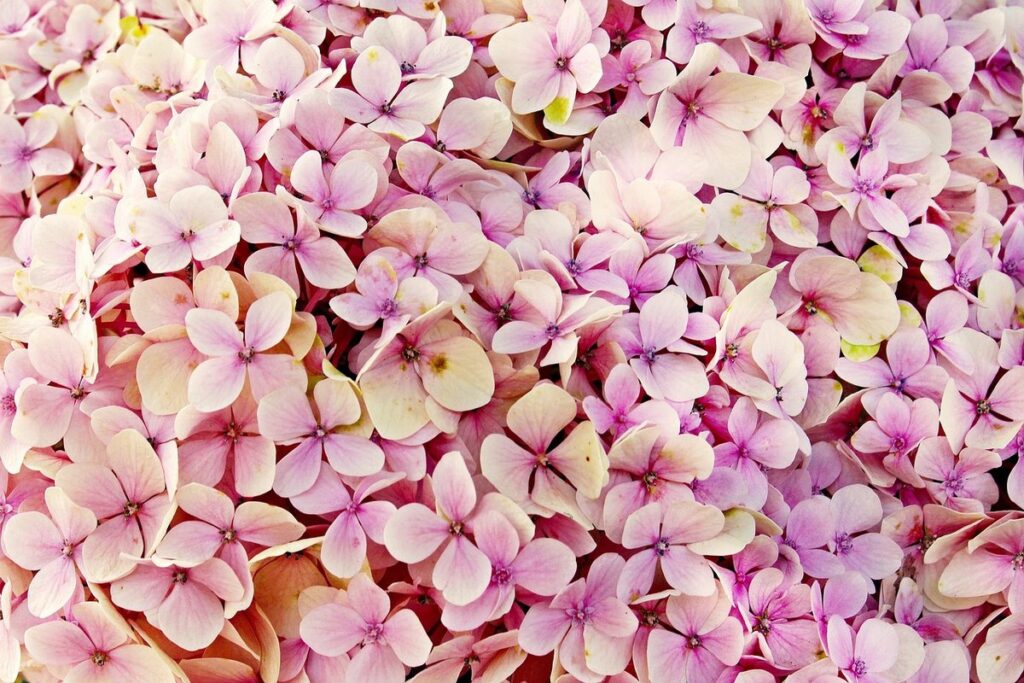
Understanding Hydrangeas
Let’s start by getting familiar with these beautiful flowers, as we dive into what makes hydrangea blue and pink varieties unique. This is where understanding their growth habits comes in handy.
What are Hydrangeas?
Hydrangeas are one of the most recognizable and beloved shrubs in gardens worldwide. These stunning flowers come in a range of shapes, sizes, and colors, but it’s their versatility that makes them truly special. From small, compact varieties to large, show-stopping bushes, hydrangeas can add beauty and elegance to any garden, regardless of its size or style.
One of the most appealing aspects of hydrangeas is their color palette. While blue and pink are perhaps the most iconic shades associated with these flowers, they come in a wide range of colors, including white, purple, and even red. The fact that hydrangea flowers can change color depending on factors like soil pH and watering habits only adds to their allure.
When choosing between hydrangeas for your garden, consider not just the color but also the overall aesthetic you’re aiming to achieve. Do you want a bold statement piece or a softer, more delicate look? Regardless of your preference, there’s a hydrangea out there that can bring your vision to life.
Types of Hydrangeas
When it comes to hydrangeas, you might think that all varieties produce either blue or pink flowers. However, this isn’t always the case. There are several types of hydrangeas, each with its own unique characteristics and bloom colors.
One type is the Bigleaf Hydrangea (Hydrangea macrophylla), which produces large clusters of flowers in shades of blue, pink, white, or even purple. The color of these blooms depends on factors like soil pH and nutrient availability. For example, if your soil has a slightly acidic pH (around 6.0-6.5), you’re more likely to get blue flowers.
Other types include the Panicle Hydrangea (Hydrangea paniculata) and the Oakleaf Hydrangea (Hydrangea quercifolia). These varieties tend to produce white or pale pink blooms, while still providing beautiful foliage and structure to your garden. Then there are the Bigleaf Hydrangeas that produce bi-colored flowers in shades of pink and blue.
To choose the right type of hydrangea for your garden, consider what you’re looking for. Do you want bold blue blooms? Or perhaps softer pink tones? Take note of your soil’s pH level and adjust it if necessary to influence bloom color.
Factors Affecting Blue vs Pink Colors
When growing hydrangeas, it’s essential to consider the factors that influence the flower’s color – soil pH and nutrient levels can significantly impact whether your blooms turn blue or pink.
Soil pH and Its Impact on Hydrangea Color
The color of a hydrangea’s flowers is largely determined by the pH level of its surrounding soil. Acidic soils, typically those with a pH range between 6.0 and 7.0, produce blue flowers due to the increased availability of aluminum ions, which are essential for this pigment. On the other hand, alkaline soils with higher pH levels, above 7.0, lead to pink or red hues because they limit the absorption of these crucial aluminum ions.
To better understand how soil pH affects hydrangea color, consider the role of aluminum in the plant’s metabolic processes. In acidic environments, this essential micronutrient is readily available for the plant to incorporate into its flowers, resulting in blue blooms. Conversely, alkaline soils lead to reduced availability of aluminum and a corresponding shift towards pink or red pigmentation.
To influence your hydrangea’s flower color, you can adjust your garden’s soil pH by adding acidic substances like peat moss, sulfur, or elemental aluminum. Regularly testing your soil pH will allow you to make informed adjustments to achieve the desired blue or pink hue for your hydrangeas.
Other Environmental Factors Affecting Color
While soil pH is a significant factor in determining hydrangea color, it’s not the only environmental factor at play. Temperature, light exposure, and nutrient availability can also impact bloom color.
Temperature plays a crucial role in hydrangea blooming, particularly for bigleaf hydrangeas (Hydrangea macrophylla). These plants thrive in cooler temperatures between 65-85°F (18-29°C), while warmer temperatures above 90°F (32°C) can cause buds to drop. As a general rule, hydrangeas grown in warmer climates tend to produce more pink flowers, as the heat stress can alter the anthocyanin production, which is responsible for blue coloration.
Light exposure also affects bloom color. Hydrangeas require partial shade to full sun, but excessive direct sunlight can cause the leaves to turn yellow and the flowers to fade quickly. If your hydrangea is getting too much light, it may produce more pink flowers due to increased production of carotenoids, which can mask blue pigmentation.
Nutrient availability is another essential factor to consider. Hydrangeas grown in nutrient-rich soil tend to produce more vibrant blooms, while those grown in poor soil may struggle to produce color at all. Make sure to provide your hydrangea with a balanced fertilizer during the growing season to promote healthy growth and optimal bloom color.
Growing Blue Hydrangeas: Tips and Tricks
Growing blue hydrangeas can be a bit finicky, but don’t worry, we’ve got you covered with these expert tips to get those gorgeous blooms. From soil prep to watering secrets, let’s dive in!
Choosing the Right Variety for Blue Flowers
When it comes to growing blue hydrangeas, you’ll want to choose a variety that thrives in your specific garden conditions. Not all blue hydrangea varieties are created equal; some may be more sensitive to soil pH than others. For instance, the popular ‘Endless Blue’ and ‘Blume’ varieties prefer slightly acidic to neutral soils (pH 6.0-7.0), while others like ‘Vanilla Strawberry’ can tolerate a wider pH range.
The ‘Blue Diamond’ variety is known for its intense blue color but requires consistent moisture and well-draining soil to prevent root rot. On the other hand, ‘Nikko Blue’ can handle some drought but prefers richer, more alkaline soils (pH 7.0-8.0). When selecting a blue hydrangea variety, consider your garden’s pH level, sun exposure, and watering schedule.
To ensure you’re choosing the right variety for your blue hydrangeas, take note of their specific growing requirements. Research the particular needs of each variety to guarantee a healthy and vibrant bloom. By selecting a suitable variety, you’ll be well on your way to enjoying stunning blue flowers in your garden.
Optimizing Soil Conditions for Blue Blooms
If you’re growing blue hydrangeas, it’s essential to create an acidic soil environment for those gorgeous blue blooms. The ideal pH range for blue hydrangeas is between 5.5 and 6.5. To achieve this, test your garden’s current pH level using a soil testing kit available at most nurseries or online.
If your soil is too alkaline (above 7), it will produce pink flowers instead of blue ones. Don’t worry; you can still adjust the pH to suit your blue hydrangeas’ needs. Here are some practical tips:
* Add elemental sulfur or aluminum sulfate to lower the pH.
* Incorporate composted pine needles, peat moss, or oak leaves into your soil to create a more acidic environment.
* Replace your garden’s topsoil with a mix specifically formulated for acid-loving plants.
Remember that it may take time for your soil to adjust. Be patient and monitor your blue hydrangeas’ response to the new conditions. By creating an optimal acidic soil environment, you’ll be rewarded with vibrant blue blooms all season long!
Growing Pink Hydrangeas: Tips and Tricks
Growing pink hydrangeas can be a bit more finicky than their blue counterparts, but don’t worry, we’ve got you covered with these expert tips and tricks. Learn how to coax vibrant blooms from your pink hydrangea plants.
Choosing the Right Variety for Pink Flowers
When it comes to choosing pink hydrangeas, you’ll find that not all varieties are created equal. Some require more specific growing conditions than others, which can make a big difference in their performance. Let’s take a look at some of the most popular types of pink hydrangea varieties and what they need to thrive.
Bigleaf (Hydrangea macrophylla) and panicle (Hydrangea paniculata) are two of the most common types of pink hydrangeas, but they have different growing requirements. Bigleaf hydrangeas prefer well-draining soil and partial shade, while panicle varieties can tolerate full sun and a range of soil types.
Oakleaf (Hydrangea quercifolia) and smooth (Hydrangea arborescens) hydrangeas are also great options for pink flowers. However, they require more consistent moisture levels and may need staking to prevent flopping.
Some popular varieties include ‘Blume’, which prefers cooler temperatures and moist soil, while ‘Tardiva’ can tolerate heat and dry spells. Keep in mind that even within the same variety, specific growing conditions can affect flower color intensity. Be sure to research the needs of your chosen pink hydrangea variety to ensure it thrives in its new home.
Optimizing Soil Conditions for Pink Blooms
To coax pink blooms from your hydrangeas, it’s essential to optimize your garden’s soil conditions. Since these flowers thrive in alkaline soils, the first step is to adjust your garden’s pH level. You can do this by adding lime to raise the pH or incorporating organic matter like compost, which tends to neutralize acidic soils.
It’s worth noting that hydrangea varieties can adapt to a slightly acidic soil range, but for vibrant pink blooms, an alkaline environment with a pH between 6 and 7 is ideal. To achieve this, consider incorporating materials like dolomitic limestone or wood ash into your garden beds. These will not only adjust the pH but also provide valuable nutrients for your plants.
When testing your soil pH, be sure to collect multiple samples from different areas of your garden, as conditions can vary significantly even within a small space. Keep in mind that regular maintenance is crucial; annually test and adjust your soil’s pH level to ensure it remains within the optimal range for pink hydrangeas.
Comparing Blue and Pink Hydrangeas: Which is Right for You?
When deciding between blue and pink hydrangeas, it’s essential to consider how each shade will complement your garden’s existing colors and style. Let’s break down the key differences to make a decision that’s right for you.
Factors to Consider When Choosing Between Blue and Pink
When it comes to choosing between blue and pink hydrangeas, there are several factors to consider that go beyond just personal preference. First and foremost, think about the overall style of your garden. Blue hydrangeas can add a cool, calming touch to a traditional or cottage-style garden, while pink hydrangeas tend to pop against a more modern or sleek backdrop.
Consider your maintenance requirements as well – blue hydrangeas are often more finicky and require slightly acidic soil conditions, whereas pink hydrangeas can thrive in a wider range of soil types. If you’re new to gardening or have limited space, a low-maintenance option like the ‘Limelight’ panicle hydrangea may be a better choice.
Ultimately, your decision will come down to your personal style and what will bring you joy in your garden. Do you prefer the soft romance of pink blooms, or the dramatic sophistication of blue ones? Take some time to think about how each color option will complement (or clash with) your existing garden design, and trust your instincts – after all, it’s your garden!
Maintaining Healthy Hydrangeas in Your Garden
When it comes to maintaining healthy hydrangeas in your garden, proper care is essential regardless of whether you choose blue or pink varieties. Watering is one of the most critical aspects of caring for hydrangeas. Make sure to water them regularly, especially during hot summer months, but avoid overwatering which can lead to root rot and other problems. Aim for about 1 inch of water per week, either from rain or irrigation.
Pruning is also crucial for promoting healthy growth and blooming. Prune your hydrangeas in late winter or early spring to remove any dead or damaged branches. Cut back the stems to about a third of their original height to encourage new growth. For blue hydrangeas, prune after blooming to maintain the blue color.
Finally, keep an eye out for pests like aphids and whiteflies that can damage your plants. Regularly inspect your hydrangeas and use organic pest control methods whenever possible. By following these care tips, you’ll be well on your way to enjoying vibrant and healthy hydrangeas in your garden.
Hydrangea Care and Maintenance: A Comprehensive Guide
To keep your hydrangeas thriving, you’ll need to know the basics of care and maintenance, including watering, pruning, and fertilizing techniques. Here’s a comprehensive guide to get you started.
Watering and Fertilizing Techniques
When it comes to growing vibrant and healthy hydrangeas with striking blue or pink shades, proper watering and fertilizing practices are crucial. Hydrangeas require consistent moisture levels, especially during their active growth periods from spring to fall. Aim to provide about 1-2 inches of water per week through a combination of rainfall and irrigation. However, avoid overwatering, which can lead to root rot and other problems.
To determine if your hydrangea needs more water, check the soil moisture by inserting your finger into the soil up to the knuckle. If the soil feels dry, it’s time to water. For fertilization, use a balanced fertilizer with equal amounts of nitrogen (N), phosphorus (P), and potassium (K) during the growing season. This will promote healthy foliage growth, blooming, and root development.
In terms of specific nutrient balances, blue hydrangeas tend to thrive in slightly acidic conditions with more aluminum availability, while pink hydrangeas prefer a slightly alkaline environment. Consider using an acidic fertilizer for blue varieties or a balanced fertilizer for pink ones. Always follow the recommended application rates on the product label and avoid overfertilizing, which can damage your plant’s roots and reduce blooming.
Pest Management and Pruning Techniques
As you nurture your hydrangea bushes to showcase their vibrant blue or pink hues, it’s essential to protect them from potential threats. Pests like aphids, whiteflies, and spider mites can infest the leaves and flowers, while diseases such as powdery mildew and root rot can compromise the plant’s health. To identify common issues, inspect your hydrangeas regularly for signs of infestation or disease.
To combat pests, use a combination of neem oil, insecticidal soap, or horticultural oil according to the product instructions. For example, apply neem oil in early spring to prevent aphid infestations. To tackle diseases, remove infected leaves and flowers immediately, and treat with fungicides specifically designed for hydrangeas.
Pruning is also crucial for maintaining shape and promoting healthy growth. Remove any dead or damaged branches after the blooming season to encourage new growth. Cut back overgrown stems by about one-third in late winter or early spring to maintain a balanced structure. Remember to sterilize your pruning tools between cuts to prevent disease transmission. By implementing these pest management and pruning techniques, you’ll be able to enjoy your beautiful blue or pink hydrangeas for years to come.
Common Mistakes to Avoid When Growing Hydrangeas
Don’t let common errors sabotage your hydrangea growing dreams. In this next part, we’ll reveal the mistakes to steer clear of for thriving, stunning blooms.
Misconceptions About Soil pH and Color
One of the most common misconceptions about growing hydrangeas is that their flower color is determined by the soil pH. Many gardeners believe that blue hydrangeas require acidic soils and pink ones require alkaline soils. However, this is not entirely accurate.
In reality, it’s the aluminum availability in the soil that affects flower color, not just the pH level. When the soil pH drops below 6.0, aluminum becomes more available to the plant, resulting in blue flowers. On the other hand, when the soil pH rises above 7.0, aluminum is less available and pink or white flowers are produced.
But here’s the catch: it’s not just a matter of the overall soil pH level. It’s also about the acidity or alkalinity of the soil around the roots of the hydrangea plant itself. So, even if your soil pH is slightly acidic but becomes more alkaline near the roots, you might still get pink flowers.
This can be confusing, especially for new gardeners. The key takeaway is that while soil pH does play a role in determining flower color, it’s not the only factor at play.
Overlooking Environmental Factors
When growing hydrangeas, it’s easy to get caught up in the excitement of watching them bloom, only to overlook some crucial environmental factors that can impact their color and overall health. Soil pH is just one piece of the puzzle – other elements like sunlight, water quality, and even surrounding plants can influence your hydrangea’s growth.
For instance, if your garden receives too much direct sunlight, your blue hydrangeas might turn pink or lose their vibrant hue altogether. Conversely, if they’re not getting enough sunlight, they may struggle to bloom at all. To optimize these conditions, consider providing afternoon shade for your plants during the hottest months of the year.
Water quality is also a critical factor – tap water can contain high levels of chlorine and fluoride that might affect your hydrangeas’ ability to absorb essential nutrients. To combat this, you can use rainwater or install a water filter specifically designed for garden use. Additionally, be mindful of nearby plants – some species can release chemicals into the soil that alter the pH level and impact your hydrangea’s color.
Conclusion: Choosing the Perfect Hydrangea Shade for Your Garden
Now that you’ve weighed your options, it’s time to decide which shade of hydrangea will reign supreme in your garden. We’ll walk you through the final considerations to make a confident choice.
Recap of Key Takeaways
In this recap of key takeaways, let’s review the essential points discussed throughout our article on choosing the perfect hydrangea shade for your garden. As we’ve explored the world of blue and pink hydrangeas, it’s clear that growing these beautiful flowers requires a deep understanding of soil pH and its effects on plant growth.
Soil pH plays a crucial role in determining the color of your hydrangeas, with blue varieties thriving in acidic soils (pH 6.0 or lower) and pink varieties excelling in alkaline soils (pH 7.0 or higher). For example, if you live in an area with naturally acidic soil, you can grow blue hydrangeas like ‘Endless Blue’ or ‘Vanilla Strawberry’. Conversely, if your garden has alkaline soil, consider planting a pink variety like ‘Blume’ or ‘Lady in Red’.
When growing blue and pink hydrangeas, it’s essential to remember that these plants require regular watering and fertilization. To promote optimal growth, we recommend mulching around the base of the plant to retain moisture and regulate soil temperature. Additionally, avoid over-fertilizing, as this can lead to an imbalance in your garden’s ecosystem.
Some common mistakes to avoid when growing hydrangeas include using tap water, which often contains high levels of chlorine and fluoride that can damage plant growth. Instead, use rainwater or a well water source whenever possible. Another mistake is not pruning regularly, which can lead to leggy stems and reduced blooming. By following these simple tips and understanding the science behind soil pH, you’ll be well on your way to growing stunning blue and pink hydrangeas in your garden.
Frequently Asked Questions
Can I still grow hydrangeas in areas with poor sunlight?
Yes, while sunlight can impact flower color, it’s not a deal-breaker for growing hydrangeas. Choose varieties that are tolerant of partial shade or use techniques like pruning to control growth and promote blooming.
How long does it take for hydrangea flowers to change color based on soil pH adjustments?
The process is gradual and can take several seasons to achieve the desired color. Monitor your soil pH regularly, make adjustments as needed, and be patient – it may take 2-3 years to notice significant changes in flower color.
What’s the best way to fertilize hydrangeas for optimal blue blooms?
Opt for a balanced fertilizer (10-10-10 NPK) during the growing season. You can also add an acidic fertilizer like aluminum sulfate or ammonium sulfate to promote blue flowers, but be cautious not to over-fertilize.
Can I grow both blue and pink hydrangeas together in the same garden?
Yes, you can grow multiple hydrangea varieties in the same garden, but keep in mind that soil pH and environmental conditions may affect flower color. Plant different varieties at a safe distance (at least 3-4 feet apart) to prevent competition for resources.
How do I know if my hydrangeas are receiving enough water?
Check the soil moisture by inserting your finger into the soil up to the first knuckle. If it feels dry, it’s time to water. Aim to provide about 1 inch of water per week through rainfall or irrigation to keep your hydrangeas healthy and thriving.