
If you’re anything like me, you’ve probably stumbled upon those tiny, yet tantalizing cherries that grow on the Amelanchier canadensis shrub, commonly known as husk cherry. Their sweet-tart flavor and versatility in both sweet and savory dishes have got us all hooked! But have you ever tried growing them in your own garden? Well, you’re in luck because today we’ll be diving into the world of husk cherry recipes and everything you need to know about cultivating these gems.
We’ll cover not only how to plant and care for your husk cherries but also share some mouth-watering recipe ideas that showcase their unique flavor profile. And don’t worry if things go awry – we’ve got troubleshooting tips to help you tackle common issues that might arise along the way. So, whether you’re a seasoned gardener or just starting out, this article will be your ultimate guide to growing and using husk cherries in all sorts of creative ways!
Understanding Husk Cherries
Now that you’re familiar with the basics of husk cherries, let’s dive deeper into understanding their unique characteristics and what makes them special.
What are Husk Cherries?
Husk cherries are a type of shrub native to North America, belonging to the Buergera and Physocarpus genera. Specifically, they fall under the species name Physocarpus opulifolius. Characterized by their compact growth habit and attractive foliage, husk cherries make for an excellent addition to any garden or landscape. Their leaves are often described as having a willow-like appearance, with pointed tips and serrated edges.
One of the standout features of husk cherries is their ability to thrive in various conditions. They can tolerate both full sun and partial shade, making them an adaptable choice for different climates. In terms of soil preference, they tend to do well in well-draining soils but can also adapt to a range of pH levels.
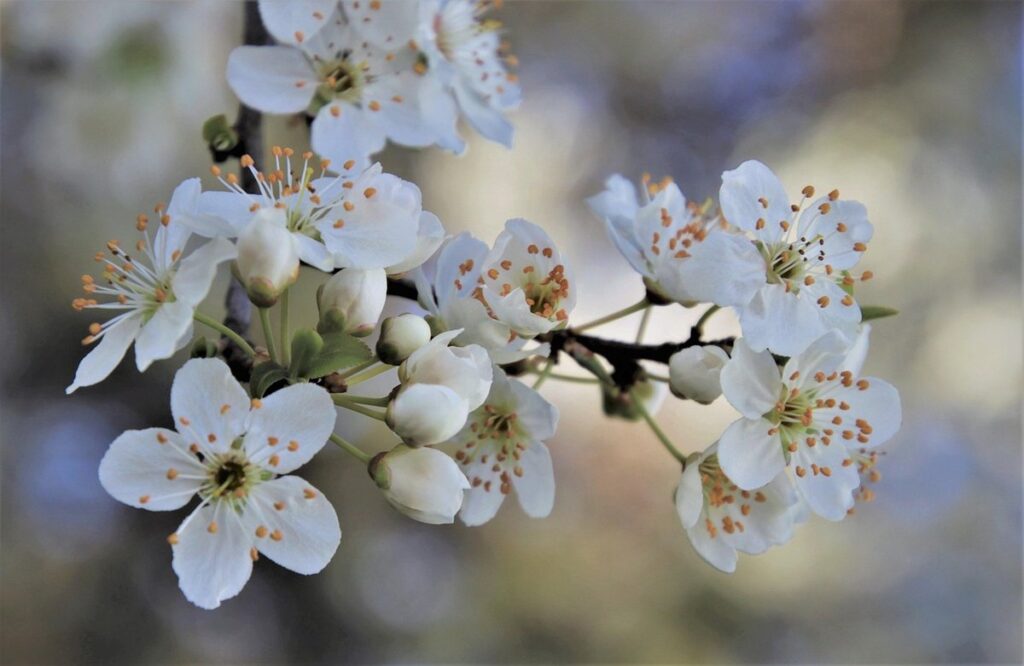
In gardens or landscapes where space is limited, husk cherries are often chosen due to their compact growth habit. They typically grow between 6-10 feet tall and 4-6 feet wide, making them an ideal choice for hedges or screens. With proper care and maintenance, husk cherries can provide a beautiful display of white flowers in the spring followed by small red or purple fruit.
Benefits of Growing Husk Cherries
Growing husk cherries can be a rewarding experience for gardeners of all levels. One of the primary benefits is their low maintenance requirements, making them perfect for busy homeowners or those new to gardening. Husk cherry plants are highly adaptable and can thrive in a variety of conditions, from full sun to partial shade and well-drained soil to moist areas.
Their hardiness is another significant advantage. As deciduous shrubs, they can tolerate frost and freezing temperatures, making them an excellent choice for gardeners living in colder climates. In fact, some species of husk cherries are even more resistant to disease than other types of fruit-bearing plants.
Beyond their functional benefits, husk cherry plants also offer ornamental value to the landscape. Their showy white flowers attract pollinators and provide a stunning display of color in early spring. When ripe, the fruit is edible but not typically consumed fresh; rather, it’s often used for making jams, preserves, or wine.
Incorporating husk cherry plants into your garden can add visual interest, provide a natural food source for wildlife, and even serve as a barrier plant to protect against pests.
Choosing the Right Variety for Your Garden
When it comes to growing your own husk cherry plants, selecting the right variety is crucial for a bountiful harvest and delicious recipes. Here’s what you need to consider when making your choice.
Factors to Consider When Selecting a Husk Cherry Variety
When selecting a husk cherry variety for your garden, there are several key factors to consider. First and foremost, think about the growth habits of the plant. Do you want a compact, shrub-like variety that can thrive in small spaces, or something more sprawling that will require regular pruning? For example, ‘Red Rocket’ is a popular choice for its vigorous growth and ability to produce high yields of bright red fruit.
Another important consideration is flower color. Husk cherries come in a range of colors, from white to pink to deep red. If you want a variety with striking flowers that will add visual interest to your garden, look for options like ‘Alba’ or ‘Rosea’. Alternatively, if you prefer a more subtle appearance, a white-flowered variety might be the way to go.
Disease resistance is also crucial when choosing a husk cherry variety. Some varieties are more susceptible to pests and diseases than others, so it’s essential to select one that can withstand common issues like powdery mildew or aphids. ‘Purdue’ is a good example of a disease-resistant variety that’s well-suited for home gardens.
Ultimately, the right husk cherry variety will depend on your specific needs and preferences. Take the time to research different options and choose one that will thrive in your garden conditions.
Popular Varieties of Husk Cherries for Home Gardens
When it comes to growing husk cherries in your home garden, you’ll find that there are several popular varieties to choose from. Here are three exceptional options that are perfect for small-scale cultivation.
One of the most widely grown and admired varieties is the ‘Caucasica’ type. Native to Europe and Asia, this variety boasts vibrant red fruit with a slightly sweet and tart taste. It’s relatively easy to grow and can thrive in partial shade conditions, making it an excellent choice for those with limited sunlight.
Another popular variety is the ‘Red Delicious’ type, known for its succulent red fruits that ripen mid-to-late summer. This variety is relatively compact, growing up to 6-8 feet tall, and produces fruit continuously throughout the season.
The ‘Early Laxton’ variety is also well-suited for home gardens. Developed in England in the late 19th century, this cherry-type produces small red fruits with a hint of sweetness that are perfect for snacking or cooking. It’s known to tolerate partial shade but requires regular watering and pruning to maintain its compact growth.
These three varieties are ideal for any gardener looking to grow their own husk cherries at home.
Preparing the Soil and Planting Husk Cherry Trees
Before planting your husk cherry trees, it’s essential to prepare their soil for optimal growth. This involves loosening the ground and adding necessary nutrients.
Creating a Fertile Growing Environment
When preparing the soil for planting husk cherry trees, it’s essential to get the basics right. Husk cherries prefer well-draining, fertile soil with a slightly acidic pH level between 6.0 and 7.0. To achieve this, you can test your soil pH using a DIY kit or send a sample to a lab for analysis. Based on the results, you may need to add lime to raise the pH or sulfur to lower it.
Husk cherry trees require a balanced diet of nutrients to thrive. You can use compost or well-rotted manure to provide essential nutrients like nitrogen, phosphorus, and potassium. A 2-inch layer of organic mulch around the tree will help retain moisture, suppress weeds, and regulate soil temperature. Use a mix of wood chips, bark, or leaves, avoiding pine needles which contain high levels of acidity. Regularly replenish the mulch as it breaks down to maintain its benefits. By following these steps, you’ll create an ideal growing environment for your husk cherry trees.
Planting Husk Cherry Trees: Tips and Techniques
When planting husk cherry trees, it’s essential to consider the root ball size, watering needs, and spacing to ensure a healthy start for your tree. Begin by choosing a location with full sun to partial shade, depending on the variety of your husk cherry tree. Dig a hole that is two to three times as wide as the root ball, taking care not to compact the soil.
When it comes to planting depth, make sure the graft union (if applicable) or the bud union is above the soil level. Water thoroughly after planting and keep the soil consistently moist during the first growing season. Husk cherry trees prefer well-draining soil, so avoid overwatering, which can lead to root rot.
To promote a strong, balanced tree, space husk cherry trees 10 to 15 feet apart, depending on their mature size. This allows for proper air circulation and sunlight penetration, reducing the risk of disease. Regularly check your tree’s watering needs during its first year, taking into account climate conditions and soil moisture levels.
Growing Conditions and Care for Husk Cherry Trees
To successfully grow a thriving husk cherry tree, it’s essential to understand its specific growing conditions and care requirements, which we’ll cover in detail below.
Watering and Fertilization Needs
When it comes to watering and fertilization needs of husk cherry trees, proper care is crucial for optimal growth and fruit production. Watering frequency should be adjusted according to the climate and soil type, but a general rule of thumb is to water them deeply once or twice a week during their first year of growth.
As your tree matures, you can gradually reduce watering to once every 10-14 days. It’s essential to check the soil moisture by inserting your finger into the soil up to the knuckle. If the soil feels dry, it’s time for watering. However, avoid overwatering as this can lead to root rot and other problems.
Fertilization should also be done in moderation, with a balanced fertilizer (10-10-10 NPK) applied in early spring before new growth begins. Follow the package instructions for application rates and timing. Additionally, consider adding a high-phosphorus fertilizer (such as 10-20-10 NPK) once a year to promote fruiting.
Remember that fertilizing too frequently can damage your tree’s roots and lead to poor growth. It’s always better to err on the side of caution when it comes to fertilization and consult with a local nursery or gardening expert for specific advice tailored to your region’s climate and soil conditions.
Pruning and Training Techniques for Maximum Yield
To ensure your husk cherry tree produces an abundance of delicious fruit, regular pruning and training are essential. Pruning isn’t just about removing dead branches; it’s also about promoting healthy growth and maximizing yield.
For maximum fruit production, prune your husk cherry tree in late winter or early spring before new growth begins. Remove any dead, diseased, or damaged branches to prevent the spread of disease and encourage a strong, vigorous framework. Cut back any crossing or rubbing branches to allow for proper air circulation and sunlight penetration.
Prune at least one-third of the tree’s canopy each year to maintain its shape and promote fruiting wood development. For young trees, focus on developing a central leader and removing lower limbs within 2-3 feet from the ground to prevent water collection and disease issues. By implementing these pruning methods, you’ll be well on your way to growing a healthy, productive husk cherry tree that provides an abundance of juicy fruit for years to come.
Some additional tips include:
* Remove suckers (shoots that grow from the base of the tree) immediately to direct the tree’s energy toward producing fruit.
* Thin out fruiting branches in late spring or early summer to give remaining fruits room to mature.
* Consider using a trellis or espalier system for more compact growth and easier harvesting.
Common Pests and Diseases Affecting Husk Cherry Trees
When it comes to growing husk cherry trees, being aware of common pests and diseases is crucial to ensuring their health and productivity. These threats can be easily managed if you know what to look out for.
Identifying Pest Issues: Symptoms and Solutions
Husk cherry trees can be susceptible to various pests that can weaken their health and impact fruit production. Some common pests affecting husk cherry trees include aphids, scales, and spider mites.
Aphids are small, soft-bodied insects that feed on sap, causing curled or distorted leaves. To manage aphid infestations, prune infested areas promptly to prevent the spread of disease. Use neem oil or insecticidal soap to control populations. Regularly inspect your trees for signs of aphids and take action at the first sign.
Scales are armored insects that secrete a protective covering, making them difficult to treat. To manage scales, apply horticultural oil or insecticidal soap directly to infested areas. Remove any infested branches, and maintain good tree hygiene by regularly cleaning up debris.
Spider mites are tiny, eight-legged arachnids that feed on sap, causing yellowing leaves and fine webbing. Use a combination of neem oil and water to control spider mite populations. Regularly inspect your trees for signs of infestation, and take action promptly to prevent the spread of these pests.
Fungal and Bacterial Diseases in Husk Cherries
As a husk cherry tree owner, it’s essential to be aware of the potential diseases that can affect these beautiful plants. Fungal and bacterial diseases are among the most common issues you may encounter when growing husk cherries.
Powdery mildew is one of the most prevalent fungal diseases affecting husk cherry trees. It appears as a white powdery coating on leaves, stems, and fruit. To prevent powdery mildew, make sure to provide good air circulation around your tree by pruning nearby plants or installing a trellis for support. Regularly water your tree in the morning to reduce moisture buildup on leaves.
Leaf spot diseases are another common issue, often caused by fungal pathogens that infect leaves through wounds or natural openings. Bacterial canker is also a concern, as it can cause blackened and weakened branches. To treat these diseases, remove infected areas to prevent further spread, and apply fungicides or bactericides according to the product’s instructions.
Preventing disease outbreaks starts with maintaining good hygiene practices when handling your tree. Make sure to disinfect any pruning tools before use, and avoid overwatering, which can create an ideal environment for fungal growth.
Harvesting and Using Husk Cherry Fruit
Now that you’ve harvested your husk cherry fruit, it’s time to learn how to use it in a variety of recipes, from jams to savory dishes. We’ll show you some creative ways to make the most of this versatile fruit.
Timing of Husk Cherry Harvest
When it comes to harvesting husk cherries, timing is everything. The optimal time for harvest depends on several factors, including the fruit’s color, flavor, and texture. Generally, husk cherries are ready to pick when they’re fully ripe, as this will ensure the best taste and quality.
For sweet varieties, wait until they turn a deep red or reddish-purple color, which is usually around mid-to-late summer. For tart varieties, look for a yellow or greenish-yellow color, which can be harvested in early to mid-summer. Keep in mind that flavor and texture will improve as the fruit ripens.
To check for ripeness, gently twist the stem of the husk cherry. If it comes off easily, the fruit is ready to eat. Avoid squeezing the fruit, as this can damage the delicate skin. Harvesting at the right time ensures maximum flavor and sweetness, making your husk cherry recipes even more delicious!
Preserving and Cooking with Husk Cherries
Husk cherry fruit is incredibly versatile, and with the right preservation techniques, you can enjoy it all year round. One of the most popular ways to preserve husk cherries is through canning. This method involves packing the fruit into sterilized jars, adding a sugar syrup or water bath to prevent spoilage, and then sealing the jars tightly. Canning is an excellent way to preserve large quantities of husk cherry fruit for future meals.
Freezing is another effective method for preserving husk cherries. Simply wash and chop the fruit, then spread it out on a baking sheet in a single layer. Place the sheet in the freezer until the fruit is frozen solid, then transfer it to an airtight container or freezer bag. Frozen husk cherries can be used in smoothies, baked goods, and desserts.
You can also make delicious jams and preserves using husk cherry fruit. Simply cook down the fruit with some sugar and pectin (optional) until it reaches your desired consistency. This makes for a sweet and tangy spread perfect for toast, yogurt, or as a filling for cakes and pastries. For example, you could try making a simple jam by cooking 2 cups of husk cherries with 1 cup of sugar and 1 tablespoon of pectin until thickened.
Try adding chopped husk cherry fruit to your favorite recipes for an extra burst of flavor and nutrition. Some ideas include using it in salads, adding it to oatmeal or yogurt, or making a fruit leather by pureeing the fruit and spreading it onto a baking sheet to dry. With these simple preservation techniques, you can enjoy the delicious taste of husk cherry fruit all year round!
Troubleshooting Common Issues in Husk Cherry Growing
Don’t let pesky problems plague your husk cherry plants – we’ll tackle common issues and provide solutions to get your harvest back on track. From root rot to nutrient deficiencies, we’ve got you covered!
Addressing Pests, Diseases, or Nutrient Deficiencies
One of the most frustrating experiences for husk cherry growers is dealing with pests, diseases, or nutrient deficiencies. These issues can quickly spread and destroy an entire crop if not addressed promptly. Let’s address some common problems you might encounter.
Root rot is a common problem that occurs when the roots are exposed to excess moisture, causing them to decay. To prevent root rot, ensure good air circulation around your plants by keeping them at least 12 inches apart. Water carefully, avoiding overwatering, and consider repotting in well-draining soil if you notice any signs of rot.
Nutrient deficiencies can also stunt the growth or produce low-quality fruit. Be sure to fertilize your husk cherry regularly with a balanced fertilizer (10-10-10). If you’re unsure about nutrient deficiencies, inspect the leaves for signs of yellowing, curling, or discoloration – these are often indicative of nutrient issues.
Pest infestations can be another challenge. Regularly inspect your plants for pests like aphids, whiteflies, and spider mites. Use neem oil or insecticidal soap to treat any infestations you find.
Dealing with Unfavorable Weather Conditions
Husk cherry trees are generally hardy and adaptable, but they can still be vulnerable to extreme weather conditions. When dealing with unfavorable weather, it’s essential to take proactive steps to protect your tree and ensure its continued health. Here are some strategies to help mitigate the impact of severe weather on your husk cherry tree:
If you live in an area prone to drought, make sure to provide your husk cherry tree with adequate water during periods of dryness. Watering deeply once or twice a week is better than shallow watering every day. Mulching around the base of the tree can also help retain moisture and reduce soil temperature.
On the other hand, if you experience frequent rainfall or flooding, be aware that husk cherry trees are susceptible to root rot in waterlogged conditions. Ensure proper drainage by sloping the ground away from the tree trunk, and avoid planting in low-lying areas.
When it comes to extreme temperatures, provide your husk cherry tree with protection during periods of intense heat or cold. Apply a layer of organic mulch around the base to regulate soil temperature, and consider using row covers or frost blankets to shield your tree from harsh conditions.
If you notice any damage or stress on your tree due to weather extremes, take immediate action to address it. Prune any damaged branches, and provide additional support if necessary. With proper care and attention, your husk cherry tree should be able to recover quickly from weather-related setbacks.
Frequently Asked Questions
Can I grow husk cherries in containers if I don’t have a lot of space?
Yes, you can definitely grow husk cherries in containers! They prefer well-draining soil and partial shade to full sun, making them an ideal choice for container gardening. Just make sure the pot is at least 12-18 inches deep to accommodate their root system.
How do I know when my husk cherry trees are ready for harvest?
Timing of harvest depends on factors like climate and variety. Generally, husk cherries are ripe when they turn a deep red or purple color and have a slight give when pressed gently. Check the fruit regularly, starting from late spring to early summer.
What are some common pests that can affect my husk cherry trees?
Common pests affecting husk cherry trees include aphids, spider mites, and caterpillars. Regular inspections will help you identify these issues before they spread. For control, use neem oil or insecticidal soap, and avoid using broad-spectrum pesticides to maintain a balanced ecosystem.
Can I grow multiple varieties of husk cherries together in the same garden?
Yes, many varieties can coexist without issue, but some may have different growing requirements. When combining multiple types, choose those with similar needs for sunlight, water, and fertilization. Also, ensure enough space between plants to prevent overcrowding.
How do I preserve husk cherry fruit to enjoy them year-round?
To preserve husk cherries, rinse and pat dry the fruit before freezing or canning them. For freezing, simply place the cherries in an airtight container or freezer bag; for canning, follow safe canning procedures to ensure proper sterilization and storage. You can also make jams, preserves, or syrups using these delicious cherries.