
Are you tired of watering your garden every day only to see your plants struggle in dry spells? Do you want to create a more sustainable and resilient garden ecosystem? Look no further than hugelkultur raised beds, a game-changing gardening method that’s been gaining popularity worldwide. By combining wood debris with soil, hugelkultur raised beds reduce water consumption, increase soil health, and promote a thriving plant community. But what exactly is hugelkultur, and how can you build your own garden using this eco-friendly technique? In this article, we’ll delve into the benefits of hugelkultur raised beds, provide step-by-step instructions on how to build one, and offer tips for maintaining a healthy and productive garden using this innovative method.
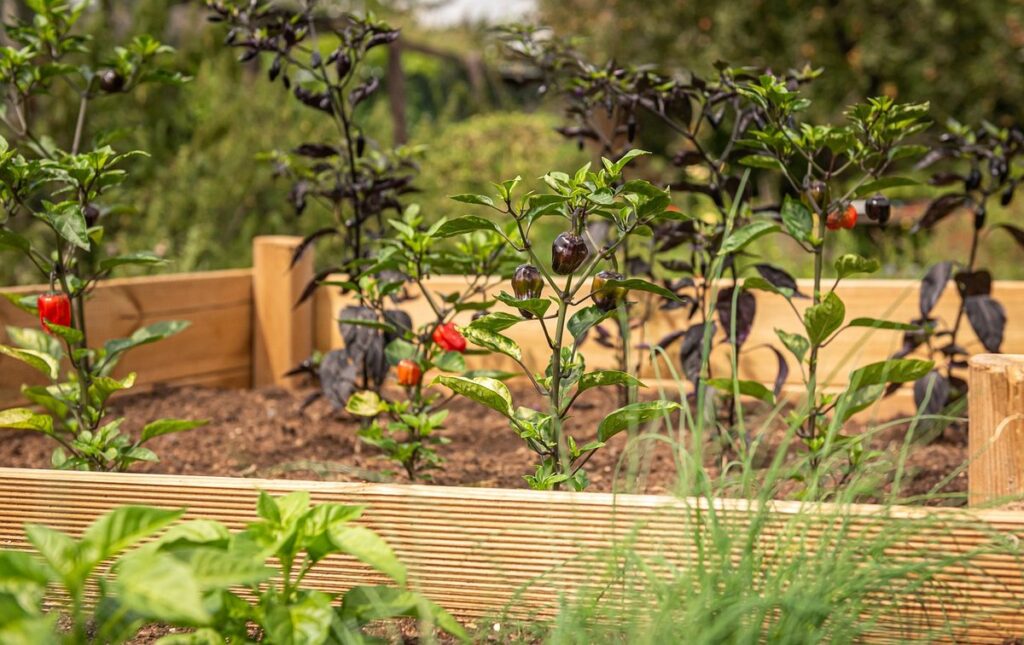
What is Hugelkultur and Why Should You Care?
So you’re curious about hugelkultur raised beds but not sure what all the fuss is about, let’s dive into what it is and why it’s a game-changer for gardeners.
Understanding the Benefits of Hugelkultur
Hugelkultur is a German term that roughly translates to “hill culture” or “mound culture,” and it’s a permaculture technique that mimics the way nature works. By creating a raised bed using wood debris, branches, and other organic materials, you’re essentially replicating the natural process of decomposition that occurs in forests. This approach has been used for centuries in European gardens to improve soil health, reduce water consumption, and increase crop yields.
As gardeners, adopting hugelkultur techniques can be a game-changer for several reasons. For one, it drastically reduces water consumption – up to 70% in some cases! – as the wood debris acts as a sponge, slowly releasing moisture into the soil as needed. This is especially beneficial during droughts or periods of high evaporation. Additionally, hugelkultur promotes healthy soil biology by providing a food source for microorganisms, which in turn breaks down nutrients and makes them available to plants.
By incorporating hugelkultur into your gardening routine, you can expect improved plant growth, increased yields, and a more resilient ecosystem overall. To get started, simply collect organic materials like branches, leaves, or straw, and layer them at the bottom of your raised bed. Add soil on top, and voila! You’ve created a miniature forest in a pot, minus the mess.
The Science Behind Hugelkultur: How It Works
At its core, hugelkultur is more than just a gardening technique – it’s a self-sustaining ecosystem that mimics nature. By incorporating wood debris into our raised beds, we’re creating a system where plants are fed by the very materials they need to grow.
Wood debris acts as a sponge, retaining moisture and nutrients deep within its layers. This means that even during times of drought or water scarcity, your hugelkultur bed can still provide for your plants. The wood also breaks down slowly over time, releasing these stored nutrients back into the soil, reducing the need for fertilizers.
But it’s not just the physical properties of wood that make hugelkultur work – microorganisms like fungi and bacteria play a crucial role too. These tiny organisms break down organic matter, recycling nutrients and creating a constant supply of food for plants. By providing them with a home in your raised bed, you’re essentially inviting these beneficial microbes to move in and start working their magic.
Designing Your Hugelkultur Raised Bed
Now that you’ve decided on a location and soil mix, let’s dive into designing your hugelkultur raised bed for optimal growth and water retention. This is where creativity meets functionality.
Choosing the Right Location for Your Hugelkultur Bed
When selecting a location for your hugelkultur raised bed, it’s essential to consider factors that will impact its success. Sunlight is crucial for plant growth, so choose a spot that receives at least six hours of direct sunlight per day. Avoid areas with dense tree cover or tall buildings that may cast shadows and limit sunlight.
Drainage is another critical factor to consider. Hugelkultur beds are designed to store water, but excess moisture can be detrimental to plant health. Ensure the area drains well and doesn’t collect water, which can lead to root rot and other problems. Access to a watering source is also essential for regular maintenance.
Consider accessibility when choosing your location. Make sure you can easily reach all sides of the bed without having to step on surrounding plants or disrupt soil structure. A spot close to a garden gate or entrance makes it easier to add materials, harvest produce, and inspect the bed without having to carry heavy loads.
Building Your Hugelkultur Raised Bed: Materials and Methods
Building your hugelkultur raised bed is an exciting process that requires some planning and creativity. The first step is to gather materials for the frame of your bed. You can use reclaimed wood or branches, which not only reduce waste but also add a unique character to your garden. Collect sturdy branches or logs, about 4-6 inches in diameter, and arrange them side by side to form the base of your bed.
Next, start adding organic matter like leaves, straw, or compost on top of the branches. This is crucial for creating a nutrient-rich environment that will support plant growth and retain moisture. You can use a mix of materials such as dried grass clippings, shredded newspaper, or even coffee grounds to create a layer about 2-3 inches thick.
As you add more layers, remember to leave some space between each branch for air circulation and root growth. The key is to balance the density of the material with adequate airflow. You can also incorporate other natural materials like bamboo, willow branches, or even pallets to create a sturdy yet permeable structure.
Planting in Your Hugelkultur Raised Bed
Now that your hugelkultur raised bed is built, it’s time to think about planting. In this section, we’ll cover the best practices for introducing new plants into your eco-friendly garden bed.
Selecting Plants for Your Hugelkultur Garden
When selecting plants for your hugelkultur garden, it’s essential to choose species that thrive in its unique conditions. Hugelkultur’s self-sustaining ecosystem creates a nutrient-rich environment with consistent moisture levels, making it an ideal spot for perennials and fruiting plants.
Fruit trees such as apple, pear, and cherry varieties love the hugelkultur environment due to its ability to retain moisture and suppress weeds. Vegetable favorites like tomatoes, peppers, and eggplants also excel in this setup. Herbs like strawberries, rhubarb, and comfrey take advantage of the abundant nutrients.
When selecting flowers, consider species that attract pollinators, such as lavender, coneflower, or black-eyed Susan. These plants will not only add beauty to your garden but also benefit from the hugelkultur’s rich ecosystem.
Incorporate a mix of plants with different growth habits and requirements to create a diverse and thriving ecosystem. For example, plant tall fruit trees or flowers at the back, while placing smaller vegetables or herbs towards the front. This will ensure that each species receives the necessary amount of sunlight and air circulation. By choosing the right plants for your hugelkultur raised bed, you’ll be rewarded with a lush, vibrant garden that requires minimal maintenance.
Planting Strategies: Companion Planting and Crop Rotation
Companion planting and crop rotation are crucial strategies to maximize yields and minimize pests and diseases in your hugelkultur raised bed. By strategically pairing plants with beneficial properties, you can create a harmonious garden ecosystem that promotes healthy growth and reduces the need for external inputs.
For example, marigolds repel nematodes and attract beneficial insects, while basil improves tomato flavor and repels pests. In contrast, members of the Brassica family (broccoli, cauliflower, etc.) should not be planted alongside members of the Solanaceae family (tomatoes, peppers, etc.), as they are susceptible to similar diseases.
To implement crop rotation in your hugelkultur garden:
* Plant heavy feeders like tomatoes and corn in one bed for a season.
* Rotate them to another bed after harvest, planting light feeders like lettuce or radishes instead.
* Repeat this process annually to maintain soil fertility and prevent pest buildup.
* Consider a 3-year rotation cycle: e.g., legumes (beans, peas) -> heavy feeders -> light feeders.
By adopting these strategies, you’ll not only reduce your garden’s ecological footprint but also enjoy bountiful harvests with minimal pests and diseases.
Maintenance and Care of Your Hugelkultur Raised Bed
Now that your hugelkultur raised bed is thriving, let’s dive into the essential maintenance and care tasks to keep it healthy and productive for years to come.
Watering Your Hugelkultur Garden: Tips and Tricks
Watering your hugelkultur garden requires some finesse, as it’s designed to be more water-efficient than traditional raised beds. This is due to the natural mulch and wood that make up the bed, which helps retain moisture in the soil. However, this also means you need to pay closer attention to watering schedules.
To avoid overwatering, start by checking the soil moisture regularly – stick your finger into the top 2-3 inches of soil to gauge its dryness. If it feels dry, it’s time to water. But if it’s still damp, wait another day or two before checking again. This will help you develop a sense of when your bed needs watering.
Water deeply but infrequently is also key. Aim for about 1-2 gallons of water per square foot of bed area once or twice a week during hot summer months. You can use a drip irrigation system or soaker hose to deliver the water directly to the roots, reducing evaporation and runoff.
As an added tip, try mixing in some organic matter like compost or aged manure into your soil before planting. This will help improve its water-holding capacity and reduce the need for frequent watering. By paying attention to these details, you’ll be able to create a thriving hugelkultur garden that requires less maintenance over time.
Monitoring and Maintaining Soil Health in Your Hugelkultur Bed
Monitoring soil health is crucial for maintaining a thriving hugelkultur bed. A balanced ecosystem relies on the right mix of organic matter, beneficial microorganisms, and adequate water retention. To monitor soil health, observe its color, texture, and structure. Healthy soil should have a rich brown hue, be crumbly to the touch, and drain excess water efficiently.
To maintain this balance, add organic matter regularly. Compost tea or worm castings are excellent additions, as they introduce beneficial microbes and nutrients. Leaf mold, wood chips, or straw can also be incorporated to enhance soil structure and fertility.
Controlling pests without chemicals is essential for a sustainable hugelkultur bed. Encourage natural predators like ladybugs, lacewings, and ground beetles by introducing companion plants that attract these beneficial insects. Crop rotation and proper pruning techniques can also prevent pest buildup. For instance, planting marigolds with tomatoes repels nematodes, while basil wards off aphids.
Remember to observe your soil’s response to different additions and adjust your strategy accordingly. This approach will help you create a resilient ecosystem that requires minimal maintenance and produces abundant harvests for years to come.
Challenges and Troubleshooting: Common Issues with Hugelkultur Raised Beds
We know you’re excited to start gardening with hugelkultur raised beds, but we also anticipate some common issues along the way. Let’s troubleshoot together and overcome potential problems.
Addressing Moisture Issues: Drying Out or Waterlogging
One of the most critical challenges you may face with hugelkultur raised beds is maintaining an optimal moisture level. Excessive drying out can lead to soil degradation and reduced plant growth, while waterlogging can cause root rot and other issues.
When dealing with dry conditions, it’s essential to assess the root cause. Check if your bed has sufficient mulch or if the wood chips are breaking down too quickly. If the latter is the case, replenish the mulch layer or consider adding more wood chips that have not yet begun to decompose. You can also water deeply but infrequently to encourage deeper root growth.
On the other hand, waterlogging occurs when there’s too much moisture in the bed. This can be due to overwatering, poor drainage, or a combination of both. To prevent waterlogging, ensure your bed has adequate slope and use materials like gravel or broken pottery for improved drainage. If you’re already experiencing waterlogged conditions, stop watering immediately and allow the soil to dry out slightly before resuming irrigation practices.
Managing Pests and Diseases in Your Hugelkultur Garden
As you tend to your hugelkultur garden, it’s inevitable that pests and diseases will attempt to infiltrate. Integrated Pest Management (IPM) strategies are essential for maintaining a balanced ecosystem while minimizing harm to beneficial insects and the environment.
To start, adopt a proactive approach by selecting disease-resistant plant varieties and incorporating beneficial plants like marigolds, basil, or nasturtiums into your garden design. These natural repellents can deter pests without harming them. For example, planting marigold around tomato plants has been shown to reduce nematode populations.
Biological controls are also a valuable tool in managing pest and disease issues. Encourage beneficial insects like bees, butterflies, and ladybugs by providing sources of food, water, and shelter within your hugelkultur bed. Consider introducing natural predators or parasites that prey on specific pests, such as lacewings for aphids.
When dealing with infestations, avoid using broad-spectrum pesticides or fungicides, which can harm beneficial insects and contaminate soil. Instead, adopt targeted treatments using neem oil, insecticidal soap, or diatomaceous earth to minimize the impact on your garden’s ecosystem. By integrating these IPM strategies into your gardening routine, you’ll be better equipped to manage pests and diseases while maintaining a thriving, sustainable hugelkultur raised bed.
Conclusion: Embracing the Future of Sustainable Gardening with Hugelkultur
As you’ve learned how to create a thriving hugelkultur raised bed, it’s time to look forward and explore the exciting possibilities that this sustainable gardening method has in store.
Reflections on the Benefits of Hugelkultur Raised Beds
As we conclude our exploration of hugelkultur raised beds, it’s essential to reflect on their numerous benefits and why they’re a promising solution for sustainable gardening practices. One of the most significant advantages of hugelkultur raised beds is their water-holding capacity, which reduces the need for frequent watering and minimizes waste. This eco-friendly design also promotes healthy soil structure, increasing its ability to retain nutrients and support beneficial microbial life.
This approach allows you to create a thriving ecosystem with reduced maintenance requirements. By incorporating wood debris and organic matter into your raised bed, you’re essentially creating a mini-ecosystem that produces nutrient-rich compost as it breaks down. This self-sustaining system encourages biodiversity, reduces soil erosion, and promotes efficient water use – all key components of sustainable gardening practices.
By embracing hugelkultur raised beds, you’ll not only be reducing your environmental footprint but also enjoying healthier, more resilient plants with fewer pest issues and less disease susceptibility.
Encouragement to Get Started with Your Own Hugelkultur Project
It’s time to take the knowledge you’ve gained from this ultimate guide and put it into action. Starting your own hugelkultur project may seem daunting, but with a clear plan and the right mindset, you can overcome any initial hurdles. Remember, every great project begins with a single step.
To get started, identify a suitable location for your hugelkultur raised bed. Consider the amount of sunlight it will receive, as well as its accessibility for maintenance. Next, gather materials, such as wood debris and organic matter, which can be sourced from local tree services or your own yard. A good rule of thumb is to aim for a mix of 1/3 wood debris, 1/3 soil amendments, and 1/3 existing garden soil.
Begin by creating a base layer of wood debris, followed by alternating layers of soil amendments and existing garden soil. As you work on your project, keep in mind that it’s not about achieving perfection – it’s about embracing the process and learning as you go. With time and patience, your hugelkultur raised bed will flourish into a thriving ecosystem.
Frequently Asked Questions
Can I use any type of wood debris for hugelkultur raised beds?
While most types of wood can be used, it’s essential to avoid using pressure-treated or chemically treated wood, as these can harm plants and contaminate the soil. Opt for untreated woods like cedar, cypress, or reclaimed wood instead.
How long does it take for a hugelkultur raised bed to become fully functional?
The time it takes for a hugelkultur bed to mature depends on factors like climate, soil type, and moisture levels. Generally, you can expect to see noticeable improvements in soil health and reduced water consumption within 6-12 months.
Are hugelkultur raised beds suitable for areas with poor drainage or heavy rainfall?
Hugelkultur beds are surprisingly resilient to poor drainage and heavy rainfall due to their unique structure. However, it’s crucial to ensure the bed has adequate slope (about 10%) to allow excess water to drain away from the plants.
Can I use hugelkultur raised beds for container gardens or small spaces?
Yes! Hugelkultur is a versatile technique that can be adapted for small spaces or containers. Simply scale down the materials and design according to your needs, keeping in mind the need for adequate drainage and air circulation.
Will using hugelkultur raised beds attract pests or create odors in my garden?
When properly designed and maintained, hugelkultur beds are less likely to attract pests and produce unpleasant odors. Regular mulching and monitoring can help prevent issues, and the benefits of improved soil health far outweigh any potential drawbacks.