
Are you ready to fall in love with one of the most stunning houseplants out there? Hoya Kerrii Pink is a popular choice among plant enthusiasts, and for good reason. This gorgeous climber boasts heart-shaped leaves with a beautiful pink hue that adds a touch of elegance to any indoor space. But beyond its aesthetic appeal, Hoya Kerrii Pink also offers numerous benefits for your mental health and well-being. In this article, we’ll dive into the world of Hoya Kerrii Pink care, covering lighting, watering, propagation methods, and common issues. We’ll also explore the advantages of growing this plant indoors, making it a must-read for anyone looking to bring some greenery into their home. Let’s get started on this journey to becoming a Hoya expert!
Understanding Hoya Kerrii Pink Basics
Let’s dive into the basics of hoya kerrii pink, including its unique characteristics and what makes it a standout among other low-maintenance plants.
What is Hoya Kerrii Pink?
Hoya Kerrii Pink is a unique and captivating species of plant that has gained immense popularity among houseplant enthusiasts. Native to Southeast Asia, this plant has adapted to the region’s tropical climate and thrives in warm temperatures between 65°F to 75°F (18°C to 24°C). One of its most striking features is its small, waxy leaves with pointed tips, which are often heart-shaped or teardrop-like. The Hoya Kerrii Pink variety boasts delicate pink hues on the underside of its leaves, creating a stunning contrast against the green upper side.
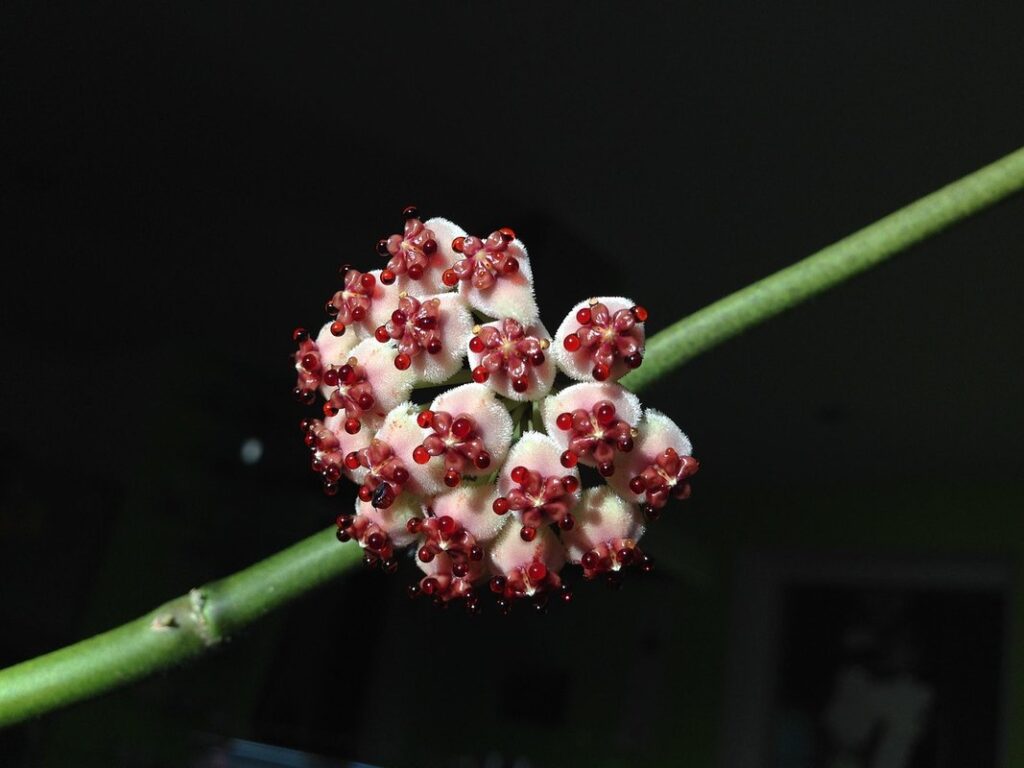
What sets this plant apart from other Hoyas is its ability to produce fragrant white flowers in clusters, filling the air with a sweet and alluring scent. However, it’s essential to note that flowering requires optimal conditions, including bright indirect light and moderate watering. When choosing a Hoya Kerrii Pink, look for plants with healthy leaves and no signs of pests or diseases. With proper care, this beautiful plant can thrive and bring a touch of tropical charm to your indoor space.
Identifying Hoya Kerrii Pink Variations
If you’re looking to get your hands on a Hoya Kerrii pink plant, you’ll likely come across various variations that can be quite confusing. Don’t worry, we’ve got you covered! The Hoya Kerrii pink comes in a range of colors, leaf shapes, and growth habits, making each one unique.
In terms of color, you can expect to see shades ranging from soft pastel pinks to vibrant hot pinks. Some variations even have subtle white or red undertones, adding depth to their appearance. When it comes to leaf shape, Hoya Kerrii pink leaves are typically heart-shaped and slightly wavy, but some cultivars may have more rounded or pointed leaves.
One popular variation is the ‘Albo-Variegata’ which has leaves with white streaks and blotches on a pink background. Another popular one is the ‘Pink Splatter’, known for its leaves with splatters of pink coloration against a green base.
Care and Maintenance for Optimal Growth
To ensure your Hoya kerrii pink thrives, you’ll want to familiarize yourself with essential care and maintenance tips that promote optimal growth. Let’s dive into what makes a happy and healthy plant!
Lighting Requirements for Hoya Kerrii Pink
Lighting is one of the most critical factors in determining the optimal growth and health of your Hoya Kerrii Pink. This plant thrives in bright, indirect light but can tolerate some direct sunlight. Placing it near an east- or west-facing window is ideal, as this will provide gentle, filtered light throughout the day.
To ensure your Hoya Kerrii Pink is receiving sufficient light, observe its foliage for signs of over- or under-exposure. If leaves become scorched or discolored, it may be a sign that the plant is getting too much direct sunlight. On the other hand, if growth slows down or leaves appear pale, it could indicate inadequate light.
For optimal placement, consider the following tips: place your Hoya Kerrii Pink 2-3 feet away from any window to prevent scorching; rotate the plant regularly to maintain even light distribution; and avoid placing it in a shaded area, as this can lead to weak and spindly growth. By providing your Hoya Kerrii Pink with the right amount of light, you’ll be rewarded with vibrant, healthy leaves and optimal growth.
Watering and Humidity Needs
When it comes to watering and humidity needs of Hoya Kerrii pink, understanding its specific requirements is crucial for optimal growth. One common mistake many growers make is overwatering, which can lead to root rot and other issues.
To avoid this, allow the top 1-2 inches of soil to dry out between waterings. Water your Hoya Kerrii pink thoroughly, making sure excess moisture drains from the pot. A general rule of thumb is to water once a week in spring and summer months when it’s actively growing, and less frequently during fall and winter.
Maintaining optimal humidity levels is also essential for this plant. Aim for a relative humidity range of 40-60% by placing the pot on a tray filled with water and pebbles or using a humidifier nearby. Be cautious not to let your Hoya Kerrii pink sit in standing water, which can cause roots to rot.
To gauge the right balance of moisture, check for droopy leaves or soil that feels dry to the touch. Adjust your watering schedule accordingly, taking care not to underwater or overwater. By finding this delicate balance, you’ll be well on your way to a healthy and thriving Hoya Kerrii pink.
Propagation Methods for Hoya Kerrii Pink
To successfully propagate your Hoya Kerrii Pink, you’ll want to focus on stem cuttings and air-layering techniques that encourage new growth and root development. Let’s dive into these methods in more detail.
Stem Cuttings: A Step-by-Step Guide
Propagating Hoya Kerrii Pink using stem cuttings is a popular method that requires some basic tools and knowledge. To start, choose healthy stems with at least two nodes, as these will have a higher chance of rooting. Remove lower leaves, leaving only the top two sets of leaves to prevent moisture from collecting in the node area.
Prepare your cutting by making a clean cut just above a node using a sharp, sterile tool. This will help stimulate root growth and prevent the cutting from becoming too leggy. Next, choose a well-draining rooting medium like perlite or a mix specifically designed for tropical plants. Moisten the medium with water, but make sure it’s not too wet.
Gently insert the cutting into the prepared medium, making sure to cover all nodes. Water thoroughly and place in a bright, indirectly lit area with high humidity. Check on your cuttings regularly, watering only when the top inch of soil feels dry. Roots should begin to develop within 2-3 weeks, at which point you can transplant them into individual pots.
Leaf Node Cutting and Air Layering
Propagating Hoya Kerrii Pink through leaf node cutting and air layering is a delicate process that requires precision and patience. When using the leaf node method, it’s essential to identify the right section of the stem where the node is located. This area has a small swelling at the base of each leaf where a leaf meets the stem. Cut the stem about 1-2 inches below this node, making sure not to damage any remaining leaves or growth nodes.
To increase success rates, it’s crucial to handle the cuttings with care and provide optimal growing conditions. Dip the cut end into rooting hormone powder or liquid to enhance root development. Then, place the cutting in a pot filled with well-draining soil, ensuring that the node is buried but not covered too deeply. Keep the soil consistently moist but not waterlogged.
For air layering, make a small incision about 1-2 inches below the desired rooting point and wrap the area with moss or a damp cloth to maintain humidity. Roots should develop within 3-6 weeks, allowing you to remove the cutting from the mother plant and pot it up separately. Monitor temperature fluctuations, as Hoya Kerrii Pink prefers warmth during propagation. By following these techniques carefully, you can successfully multiply your prized Hoya Kerrii Pink specimens and enjoy more of this stunning variety in your collection.
Common Issues and Troubleshooting
If you’re experiencing issues with your Hoya kerrii pink, such as droopy leaves or discoloration, we’ve got some troubleshooting tips to help you resolve these problems quickly. Let’s get started on finding solutions together.
Overwatering: Signs and Solutions
As a Hoya Kerrii pink owner, it’s not uncommon to encounter issues with overwatering. This can be detrimental to the plant’s health and even lead to root rot if left unchecked. So, what are the telltale signs of an overwatered Hoya Kerrii pink?
One of the most noticeable symptoms is yellowing leaves or droopy stems. This occurs when the roots are unable to breathe due to excess moisture, leading to a decrease in photosynthesis and oxygen production. You may also notice water pooling around the base of the plant or on the saucer. In severe cases, you might even see soft, mushy stems that are more prone to breaking.
To correct overwatering, start by repotting your Hoya Kerrii pink in a well-draining potting mix. Reduce watering frequency and ensure the soil has sufficient drainage holes to prevent waterlogged conditions. Monitor your plant’s response closely, adjusting its care routine as needed. To prevent future occurrences, check the soil moisture before each watering session and avoid getting water on the leaves or crown of the plant to minimize the risk of root rot.
Pests and Diseases: Prevention and Treatment
As you care for your Hoya Kerrii pink, it’s essential to be aware of potential pests and diseases that can affect its health. Some common issues include mealybugs, spider mites, root rot, and leaf spot.
Mealybugs are small, white insects that feed on plant sap, causing curled or distorted leaves. To prevent mealybug infestations, ensure your Hoya Kerrii pink is not overwatered, as this can attract pests. Regularly inspect the plant’s stems and leaves for any signs of mealybugs. If you do encounter them, treat the affected areas with neem oil or insecticidal soap.
Spider mites are another common pest that can weaken your Hoya Kerrii pink. These tiny arachnids spin fine webs on the plant’s leaves, causing yellowing or bronzing. To prevent spider mite infestations, maintain good air circulation around the plant and keep it in a well-ventilated area.
In terms of diseases, root rot is a common issue caused by overwatering. This can lead to soft, mushy roots that are susceptible to fungal infections. Leaf spot is another disease that affects Hoyas, causing circular lesions on the leaves. To prevent these issues, repot your Hoya Kerrii pink every year or two in well-draining soil, and avoid getting water on the plant’s leaves.
Some general tips for preventing pests and diseases include:
* Inspecting your plant regularly
* Providing good air circulation around the plant
* Maintaining a consistent watering schedule
* Using neem oil or insecticidal soap to treat infestations
* Repotting your Hoya Kerrii pink in well-draining soil
Benefits of Hoya Kerrii Pink for Indoor Spaces
If you’re looking to bring some joy and vibrancy into your indoor space, adding a Hoya Kerrii Pink plant is an excellent way to do just that. Not only are they stunningly beautiful, but also offer numerous benefits for the room’s ambiance.
Air Purification and Humidity Regulation
Hoya Kerrii Pink is not just a beautiful addition to your indoor space; it’s also a natural air purifier that can help improve the overall health and well-being of its occupants. This low-maintenance plant has been found to remove pollutants such as formaldehyde, benzene, and trichloroethylene from the air, creating a fresher and cleaner environment for you and your family.
One of the key benefits of Hoya Kerrii Pink is its ability to regulate humidity levels in indoor spaces. This is especially important during dry winter months or in areas with low humidity, as it can prevent respiratory issues and discomfort. With regular watering, this plant will release moisture into the air, creating a balanced environment that’s perfect for people with allergies or sensitivities.
To maximize the benefits of Hoya Kerrii Pink’s air-purifying properties, make sure to place it in an area where it receives plenty of indirect sunlight and maintain a consistent temperature between 65-75°F. With proper care, this lovely plant can thrive and provide numerous health benefits for years to come.
Stress Relief and Aesthetic Appeal
Having a Hoya Kerrii pink in your indoor space can have a profound impact on your mental and emotional well-being. These beautiful plants are not only visually stunning but also known to promote relaxation and reduce stress levels. The calming effect of having a Hoya Kerrii pink nearby is undeniable, making it an excellent addition to any room.
To create a peaceful atmosphere with your Hoya Kerrii pink, consider placing it in a spot where you can see it from your favorite reading nook or workspace. This will allow you to reap the benefits of its soothing presence throughout the day. You can also incorporate natural elements like candles, essential oils, and soft lighting to further enhance the calming ambiance.
When styling your Hoya Kerrii pink, don’t be afraid to get creative! Consider pairing it with other plants or using a decorative pot that complements its delicate leaves. A well-placed Hoya Kerrii pink can instantly elevate the aesthetic of any room, making it an excellent choice for indoor spaces where relaxation and serenity are key.
To take your Hoya Kerrii pink arrangement to the next level, try experimenting with different textures and colors. For example, you could pair its delicate leaves with a smooth stone or wooden decorative piece, creating a beautiful contrast that adds depth to your space.
Variations and Hybrids: Exploring New Possibilities
As you’ve discovered a new love for hoya kerrii pink, let’s take it to the next level by exploring exciting variations and hybrids that bring unique twists to this beautiful plant. From rare colors to extraordinary shapes, get ready to be amazed!
Breeding for Unique Traits
Breeding for unique traits in Hoya Kerrii pink involves careful selection and manipulation of the plant’s genetic makeup to produce desirable characteristics. This process is often a long-term endeavor requiring patience and expertise.
To develop larger leaves, breeders focus on plants with naturally bigger foliage and selectively cross them to amplify this trait. They also consider factors like leaf shape and coloration when selecting parent plants. Conversely, to create more intense coloration, breeders may choose parents with vibrant pigmentation and look for the offspring that exhibit even deeper hues.
One way to enhance color intensity is through controlled pollination. This involves manually transferring pollen from a parent plant with deep red or pink veins to another plant with slightly lighter foliage. The resulting seedlings are then evaluated for their leaf coloration, and those with more intense pigmentation are selected as parents for further breeding.
Potential Future Developments in Hoya Kerrii Pink Research
As research on Hoya Kerrii Pink continues to evolve, several potential future developments are worth exploring. With a growing interest in unusual houseplants and the increasing availability of rare varieties, it’s likely that new hybrids will emerge in the coming years.
For instance, plant breeders may experiment with crossing Hoya Kerrii Pink with other varieties to create unique color combinations or leaf shapes. This could lead to the development of even more striking plants that showcase the versatility of this species.
Another area of potential growth is in the use of Hoya Kerrii Pink for medicinal purposes. Studies have already shown promise in its antioxidant and anti-inflammatory properties, but further research may uncover additional health benefits. As a result, we can expect to see more products and supplements featuring Hoya Kerrii extracts or infusions.
It’s also possible that advancements in genetic engineering will allow for the creation of disease-resistant or climate-tolerant Hoya Kerrii Pink varieties. This could revolutionize the way these plants are grown and cared for, making them even more accessible to hobbyists and enthusiasts around the world.
Frequently Asked Questions
How Do I Propagate Hoya Kerrii Pink for Maximum Success?
Propagation can be a bit tricky, but with the right approach, you’ll increase your chances of successful growth. To propagate Hoya Kerrii Pink, use stem cuttings or leaf node cutting, as these methods are more reliable than air layering. Make sure to take healthy sections from mature stems and leaves, and use rooting hormone to encourage root development.
What Are the Signs of Overwatering in Hoya Kerrii Pink?
Overwatering is a common issue with many plants, including Hoya Kerrii Pink. If you notice soft, mushy leaves or if the plant’s growth has slowed significantly, it might be due to excessive watering. Check for waterlogged soil and adjust your watering schedule accordingly. Remove affected leaves to prevent the spread of disease.
Can I Grow Hoya Kerrii Pink in a Container Indoors?
Yes! With proper care and attention to lighting requirements, you can grow Hoya Kerrii Pink in a container indoors. Make sure the pot has good drainage holes to prevent waterlogged soil. Provide sufficient indirect light and maintain moderate humidity levels to create an ideal environment for your plant.
How Do I Prevent Pests and Diseases on My Hoya Kerrii Pink?
Prevention is key when it comes to pests and diseases. Regularly inspect your plant for signs of infestation or infection, such as whiteflies, mealybugs, or fungal growth. Use neem oil or insecticidal soap to control pest populations, and treat fungal infections with a fungicide specifically designed for houseplants.
Can I Share or Exchange Hoya Kerrii Pink Plants with Friends?
Yes! Hoya Kerrii Pink is a relatively easy plant to propagate, making it perfect for sharing with fellow plant enthusiasts. Propagate your plants through stem cuttings or leaf node cutting, and share the resulting seedlings with friends or family members who appreciate houseplants. This can help spread knowledge and enthusiasm for this beautiful species!