
Are you ready to unlock the secrets of this incredible herb? Rosemary is more than just a tasty addition to your favorite dishes – it has a multitude of uses that can transform your cooking, wellness routine, and even your home. From its fragrant aroma to its numerous health benefits, rosemary is an essential ingredient for anyone looking to live a healthier lifestyle. But with so many ways to use rosemary, where do you start? In this article, we’ll take a closer look at how to grow, harvest, and preserve this versatile herb, as well as its uses in cooking, medicine, and traditional practices. Whether you’re a seasoned chef or just starting out on your wellness journey, learning about the multiple benefits of rosemary is an investment worth making.
Introduction to Rosemary
Let’s start by learning more about one of our favorite herbs, rosemary, and exploring its rich history and unique characteristics that make it so valuable in cooking and natural remedies.
What is Rosemary?
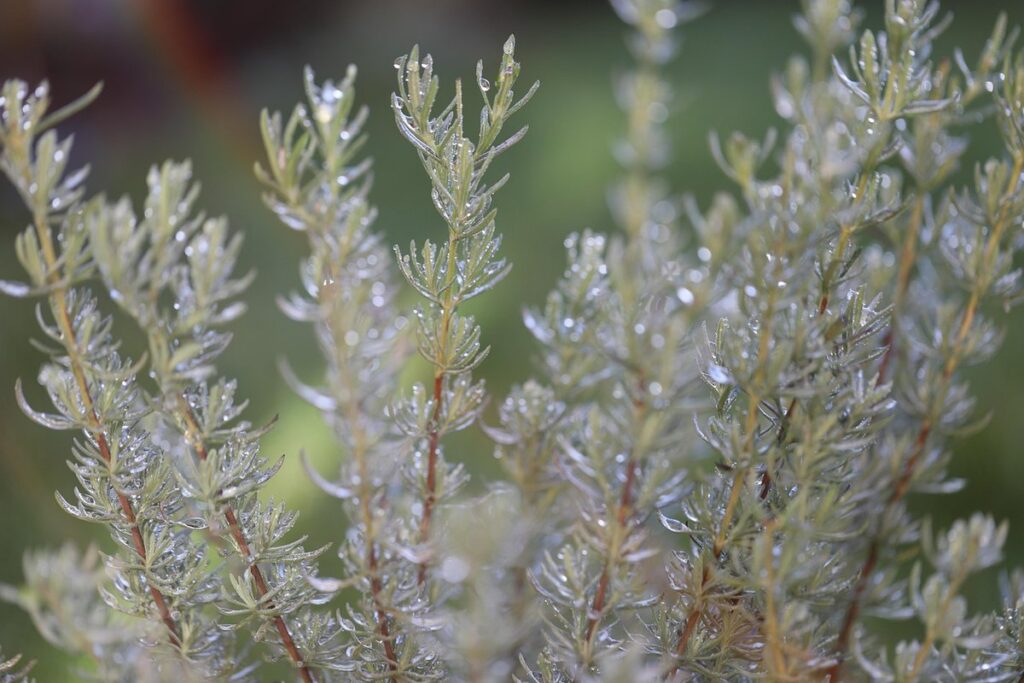
Rosemary is a fragrant and versatile herb that has been prized for its culinary, medicinal, and traditional uses for centuries. Its botanical name is Rosmarinus officinalis, and it originates from the Mediterranean region, where it grows wild and is still widely cultivated today. With its piney flavor and aroma, rosemary is a staple in many kitchens around the world, adding depth and character to a variety of dishes, from roasted meats to soups and stews.
Beyond its culinary uses, rosemary has also been valued for its medicinal properties. It’s known for its antioxidant and anti-inflammatory effects, making it a popular ingredient in natural remedies for digestive issues, headaches, and even stress relief. In traditional practices, rosemary is often used as an herbal tea or added to baths for its purported benefits on mental clarity and memory. Whether you’re looking to elevate your cooking game or explore the herb’s medicinal potential, understanding what rosemary is and where it comes from is a great starting point.
In fact, research suggests that rosemary contains compounds like carnosic acid and rosmarinic acid, which are believed to contribute to its health benefits. With its long history of use and scientific backing, it’s no wonder rosemary has become a staple in many cultures around the world.
Benefits of Using Rosemary
Rosemary has been prized for centuries not only for its distinctive flavor but also for its numerous health benefits. As a culinary herb, it’s no surprise that rosemary is packed with antioxidants, which help protect cells from damage caused by free radicals. Studies have shown that consuming rosemary regularly can lead to improved cognitive function, particularly in older adults. In fact, one study published in the Journal of Agricultural and Food Chemistry found that rosemary extract improved memory and cognitive performance in individuals with mild cognitive impairment.
In addition to its antioxidant properties, rosemary also exhibits antimicrobial effects, making it a natural preservative for food and a potential remedy for certain infections. The herb’s essential oil has been shown to inhibit the growth of bacteria, fungi, and viruses, making it an effective treatment for minor wounds and skin irritations. To harness these benefits in your kitchen, simply add fresh rosemary leaves to your favorite recipes or make a tea by steeping dried rosemary in hot water. You can also use rosemary essential oil in a diffuser or apply it topically to promote relaxation and reduce inflammation.
Growing Your Own Rosemary
Want to grow a steady supply of fresh rosemary for your cooking and medicine needs? This section shows you how to cultivate and care for rosemary in your garden.
Choosing the Right Location
When selecting a location for growing rosemary, it’s essential to consider its specific needs. Rosemary is a Mediterranean native that thrives in warm and dry conditions. Ideally, choose a spot that receives at least 4-6 hours of direct sunlight per day. This will help your plant grow strong and healthy.
The soil type also plays a crucial role in rosemary’s growth. It prefers well-draining soil with a pH between 6.0 and 7.0. If your garden’s soil is heavy or prone to waterlogging, consider growing rosemary in containers filled with a mix specifically designed for Mediterranean herbs.
Climate-wise, rosemary can tolerate some frost but may die back during harsh winters. In cooler climates, protect your plant from prolonged exposure to cold temperatures by bringing it indoors or mulching heavily around the base. Conversely, if you live in an extremely hot climate, provide shade for your rosemary during the peak sun hours to prevent scorching.
Keep these factors in mind when choosing a location for your rosemary, and you’ll be well on your way to growing this versatile herb successfully.
Planting and Caring for Rosemary
Planting rosemary from seeds can be a bit more challenging than other herbs, but with the right conditions and care, it’s definitely possible. Start by sowing the seeds indoors 6-8 weeks before the last frost date in your area. Fill a seed tray or small pots with well-draining soil, and plant the seeds about 1/4 inch deep. Keep the soil consistently moist during this time, but avoid overwatering.
For a more reliable result, consider planting rosemary from cuttings instead. Take 3-4 inch stem sections from mature plants, remove lower leaves, and dip the cut ends in rooting hormone powder. Plant them directly into well-draining soil, water thoroughly, and keep the soil moist until roots develop. Once established, rosemary needs full sun to partial shade, regular watering, and occasional fertilization. Prune it back after flowering to encourage new growth and prevent woody stems from developing.
Rosemary can be sensitive to overwatering, so make sure not to waterlog the soil. Aim for about 1 inch of water per week, either through rainfall or irrigation. Regular fertilization with a balanced fertilizer will promote healthy growth and prevent nutrient deficiencies.
Using Rosemary in Cooking
When it comes to incorporating rosemary into your cooking, there are countless ways to bring out its unique flavor and aroma. In this section, we’ll explore some of our favorite techniques for using rosemary in the kitchen.
Incorporating Rosemary into Meals
Rosemary is an incredibly versatile herb that can elevate a wide range of dishes. When it comes to incorporating rosemary into meals, there are numerous ways to use fresh or dried rosemary to bring out its unique flavor and aroma. For soups and stews, add a few sprigs of fresh rosemary towards the end of cooking time to prevent bitterness. Try pairing it with roasted meats like lamb or chicken for a classic Mediterranean-inspired dish.
Incorporating rosemary into vegetable dishes is also easy – toss cherry tomatoes, garlic, and olive oil with chopped fresh rosemary for a simple yet flavorful side salad. When using dried rosemary, use about one-third the amount of fresh herb called for in recipes to avoid overpowering flavors. Bread enthusiasts can try adding rosemary to homemade focaccia or ciabatta dough for an Italian-inspired twist.
Consider experimenting with different combinations of herbs and spices when cooking with rosemary – its piney flavor pairs particularly well with thyme, oregano, and lemon zest. With a little creativity, you’ll be unlocking the full potential of this incredible herb in no time!
Pairing Rosemary with Other Herbs and Ingredients
Rosemary is a versatile herb that can be paired with a variety of other herbs and ingredients to create unique and delicious flavor profiles. One popular combination is rosemary and thyme, which are both Mediterranean staples that complement each other beautifully. Simply chop them together and sprinkle over roasted meats or vegetables for added depth.
Another pairing that works well is rosemary and garlic. Mince the two together and mix with olive oil to create a fragrant marinade for grilled meats or as a sauce for roasted potatoes. Lemon juice or zest also pairs nicely with rosemary, adding a bright and citrusy note to dishes like herb-crusted chicken or fish.
When it comes to ingredients, rosemary is a natural pairing with olive oil. Use it to make a flavorful dressing for salads or as a finishing oil for soups and stews. Finally, don’t forget the power of salt in balancing out the flavors of your dish. Sprinkle some coarse salt over roasted vegetables or meats infused with rosemary for a burst of umami flavor.
The Medicinal Properties of Rosemary
Rosemary has been used for centuries to alleviate a range of health issues, from digestive problems to memory loss, and its medicinal properties make it an incredibly versatile herb. Let’s explore its benefits in more detail.
Antimicrobial Effects
Rosemary’s antimicrobial properties have been extensively studied, revealing its potential to combat a wide range of microorganisms. Research has shown that rosemary essential oil can inhibit the growth of bacteria such as E. coli and Staphylococcus aureus, while also exhibiting antiviral activity against influenza virus and herpes simplex virus. The carnosic acid present in rosemary is believed to be responsible for its antimicrobial effects.
Studies have demonstrated the efficacy of rosemary essential oil in reducing fungal growth, particularly Candida albicans, a common cause of skin infections. To harness rosemary’s antimicrobial properties, you can add a few drops of its essential oil to your cleaning products or use it as a natural disinfectant for surfaces and utensils. For oral health, try gargling with rosemary tea, which has been shown to inhibit the growth of Streptococcus mutans, a bacteria linked to tooth decay.
Remember to always dilute essential oils in a carrier oil before applying them to the skin or using them internally.
Cognitive Function and Memory Improvement
Rosemary’s cognitive benefits have been extensively studied, with promising results. Research suggests that its essential oils may improve memory and concentration by increasing blood flow to the brain and stimulating the release of neurotransmitters like acetylcholine, which plays a key role in memory formation. A 2010 study published in the Journal of Alternative and Complementary Medicine found that participants who inhaled rosemary essential oil showed significant improvements in working memory and attention.
In addition to cognitive function, rosemary has also been shown to have a positive impact on mood. The herb contains carnosic acid, an antioxidant that has been linked to reduced stress levels and improved emotional well-being. A 2015 study published in the Journal of Ethnopharmacology found that rosemary supplementation decreased symptoms of depression and anxiety in participants.
To incorporate rosemary into your daily routine for cognitive benefits, try incorporating it into your cooking or using it as a natural air freshener. Add a few sprigs to soups, stews, or roasted vegetables, or place a handful in a potpourri blend for a mood-boosting aroma.
Using Rosemary in Traditional Practices
Rosemary has been a staple in traditional medicine and rituals for centuries, and its uses extend far beyond cooking. In this next part, we’ll explore some of the most interesting ways rosemary has been employed over time.
Herbal Remedies and Teas
When it comes to using rosemary for medicinal purposes, herbal remedies like teas and infusions are often overlooked. But they can be a great way to harness the herb’s benefits. To make rosemary tea, start by steeping 1-2 teaspoons of dried rosemary in a cup of boiling water for 5-7 minutes. Strain the mixture and enjoy as a calming digestive aid or to boost mental clarity.
For a more potent infusion, try combining rosemary with other herbs like peppermint or ginger. Simply mix equal parts of each herb and steep for an additional minute before straining. This blend can be particularly soothing for menstrual cramps or anxiety. If you prefer a tincture, you can make one by mixing 1 part dried rosemary in 2 parts vodka or glycerin, letting it sit for 2-3 weeks before straining and storing.
You can also use rosemary to create salves for topical relief from pain and inflammation. Mix dried rosemary with coconut oil and beeswax, then apply topically as needed.
Aromatherapy and Essential Oils
When it comes to harnessing the full potential of rosemary, aromatherapy and essential oils offer a wonderful way to experience its benefits. Rosemary essential oil is extracted from the leaves of the rosemary plant through a process called steam distillation. This potent oil can be used in various ways for aromatherapy, promoting mental clarity, memory enhancement, and even stress relief.
To safely use rosemary essential oil, always dilute it with a carrier oil such as coconut or jojoba oil before applying topically. A general guideline is to mix 2-3 drops of the essential oil per teaspoon of carrier oil. You can also blend rosemary essential oil with other oils like peppermint or eucalyptus for added benefits.
When blending, start with a small amount and adjust as needed. For example, you might combine 5 drops of rosemary with 10 drops of lavender to promote relaxation and mental focus. Always store your blends in dark-tinted glass bottles to preserve the essential oil’s potency.
Preparing Rosemary for Long-Term Use
To get the most out of rosemary, you’ll want to prepare it correctly for long-term use, whether that’s through drying, freezing, or other preservation methods. We’ll walk you through the best techniques.
Drying and Preserving Fresh Rosemary
To ensure that fresh rosemary remains flavorful and aromatic for future use, it’s essential to dry or freeze it properly. Drying is a simple method that involves tying the herb in small bunches and hanging them upside down in a warm, dry place. You can also use a dehydrator or your oven on the lowest temperature setting with the door slightly ajar. It may take 1-2 weeks for rosemary to dry completely.
Freezing is another effective method that helps preserve the herb’s flavor and aroma. To freeze, chop fresh rosemary leaves and place them in an airtight container or freezer bag. Frozen rosemary can be stored for up to six months. When you’re ready to use it, simply thaw the desired amount and add it to your recipe. Keep in mind that frozen rosemary is best used in cooked dishes rather than as a garnish.
In addition to these methods, you can also preserve fresh rosemary by making rosemary oil or rosemary salt. Simply steep chopped rosemary leaves in a carrier oil like olive or coconut oil, and strain the mixture after several weeks. Alternatively, mix dried rosemary with flaky sea salt and store it in an airtight container for up to six months.
Storing and Handling Dried Rosemary
Proper storage of dried rosemary is crucial to maintain its potency and aroma. To start, choose an airtight container that’s specifically designed for storing herbs. Glass jars with tight-fitting lids are ideal, as they prevent moisture and air from seeping in. Make sure the container is clean and dry before adding the dried rosemary.
Label the container clearly, including the date it was stored and the contents. This will help you keep track of how long the dried rosemary has been stored and ensure you use the oldest batches first. Store the container in a cool, dark place like a pantry or cupboard. Avoid storing it near heat sources or direct sunlight, as this can cause the dried rosemary to lose its flavor and aroma.
When handling dried rosemary, be gentle to avoid breaking off pieces or creating dust. Simply scoop out what you need with a spoon or your fingers. For long-term storage, consider dividing the dried rosemary into smaller portions and storing them in separate containers. This will make it easier to use only what you need without having to dig through the entire batch.
Conclusion: Unlocking the Full Potential of Rosemary
Now that you’ve learned how to harness the culinary and medicinal powers of rosemary, it’s time to unlock its full potential. To do this, make sure to experiment with different recipes and uses in your daily life. Try incorporating fresh or dried rosemary into your cooking, or use it as a natural remedy for digestive issues. By doing so, you’ll not only add flavor and aroma to your dishes but also reap the benefits of its medicinal properties.
To take your rosemary experience to the next level, consider growing your own herb garden at home. This will allow you to have a constant supply of fresh rosemary, enabling you to experiment with new recipes and uses without relying on store-bought varieties. With patience and practice, you’ll become more confident in using rosemary and unlock its full potential for yourself and loved ones.
Frequently Asked Questions
Can I grow rosemary indoors if I don’t have a garden?
Yes, you can definitely grow rosemary indoors with the right conditions. Choose a container that’s at least 6-8 inches deep and well-draining. Place it near a sunny window or use grow lights to provide adequate light. Water sparingly and keep the soil consistently moist but not waterlogged.
How do I preserve dried rosemary for long-term use?
To preserve dried rosemary, store it in an airtight container at room temperature away from direct sunlight. You can also freeze it by placing the dried sprigs in a freezer-safe bag or airtight container. When you’re ready to use it, simply thaw and chop as needed.
Can I use rosemary essential oil for aromatherapy?
Yes, rosemary essential oil is commonly used in aromatherapy due to its refreshing and invigorating scent. However, be sure to dilute the oil with a carrier oil (like coconut or jojoba oil) before applying it to your skin, as undiluted essential oils can cause irritation.
How do I incorporate rosemary into my wellness routine?
Incorporating rosemary into your wellness routine is easy and versatile. Try adding fresh or dried sprigs to your bath water for a relaxing soak, or use rosemary essential oil in a diffuser to promote mental clarity and focus. You can also infuse rosemary into olive oil for a natural skin treatment.
Can I use rosemary as a companion plant in my garden?
Yes, rosemary is often used as a companion plant due to its ability to repel pests like mosquitoes and flies. Plant it alongside your vegetables or herbs to create a pest-resistant garden, but be aware that it can also have a slight impact on soil pH over time.
How do I know if my rosemary has gone bad?
Check for signs of spoilage by inspecting the color, texture, and aroma of the herb. Fresh rosemary should have a vibrant green color and a strong piney scent. If it’s wilted, brown, or develops an unpleasant odor, it’s likely gone bad.