
Are you ready to unlock the full potential of this incredible herb? Oregano is more than just a flavor enhancer in your favorite Italian dishes – its unique blend of flavor, aroma, and medicinal properties make it a valuable addition to any kitchen or first aid kit. From cooking and health benefits to growing your own oregano at home, we’ll explore the many ways you can harness this powerful herb’s potential. With its rich history dating back thousands of years, oregano has been prized for its antimicrobial effects, which can help boost your immune system and fight off infections. In this article, we’ll dive into the details of using oregano safely and effectively, including tips on cooking with it, reaping its health benefits, and even growing your own supply at home.
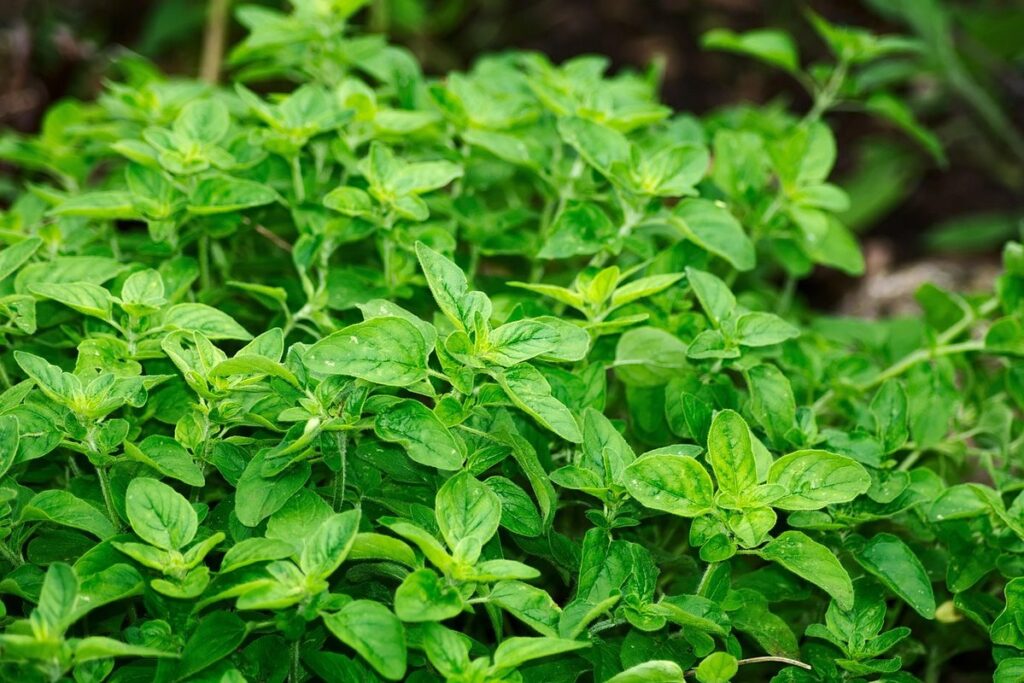
Understanding Oregano
Let’s dive into the world of oregano and explore its various forms, origins, and cultural significance to better understand how to harness its full potential. This will set a strong foundation for your culinary adventures.
Botanical Properties of Oregano
Oregano is a staple herb that has been prized for its unique flavor and medicinal properties for centuries. As a member of the Lamiaceae family, oregano shares its botanical roots with other popular herbs like mint, basil, and rosemary. This classification explains why oregano’s aroma and taste are so distinct from other plants.
Native to the Mediterranean region, oregano has been growing wild in this region for thousands of years. The combination of a warm climate, rich soil, and ample sunshine makes it an ideal environment for the herb to thrive. As a result, oregano has become a fundamental ingredient in traditional Mediterranean cuisine, particularly in Greek and Italian cooking.
The botanical properties of oregano are also responsible for its impressive health benefits. Rich in antioxidants, essential oils, and flavonoids, oregano has been shown to possess antibacterial, anti-inflammatory, and antifungal properties. When used as a dietary supplement or added to meals in moderation, oregano can help support immune function and reduce oxidative stress.
Oregano’s Historical Significance in Cooking
Oregano has been a staple herb in traditional cooking methods for centuries, with its pungent flavor and aroma adding depth to various cuisines around the world. Its significance is particularly evident in Mediterranean, Italian, and Mexican cooking, where it’s used to enhance the flavors of meats, vegetables, and breads.
In Greek cuisine, oregano is an essential component of classic dishes like moussaka and souvlaki, often combined with lemon juice and olive oil for a burst of freshness. In Italy, it’s a fundamental ingredient in tomato sauces, adding warmth and complexity to pasta dishes. Meanwhile, in Mexican cooking, oregano is used to season meats like carnitas and chiles rellenos, as well as in salsas and marinades.
What makes oregano so versatile? Its unique flavor profile, which combines earthy, slightly bitter notes with a hint of sweetness, allows it to complement an array of ingredients. Whether you’re cooking classic Greek lamb or hearty Italian pasta sauces, oregano adds a layer of sophistication that’s hard to replicate with other herbs. To incorporate oregano into your cooking repertoire, start by experimenting with small amounts in familiar recipes – you’ll be surprised at how it elevates flavors and adds a new dimension to your dishes!
Health Benefits of Oregano
When it comes to unlocking oregano’s health benefits, you’ll want to learn how to harness its potent antioxidant and anti-inflammatory properties in a way that’s safe and effective for you. This section reveals some surprising ways to tap into oregano’s healing potential.
Antimicrobial Properties of Oregano
Oregano has been extensively studied for its potent antimicrobial properties, which make it an effective natural preservative. Research has shown that oregano’s essential oil is rich in compounds like carvacrol and thymol, responsible for its antibacterial, antiviral, and antifungal activities. These properties can be harnessed to extend the shelf life of perishable foods, reducing the risk of spoilage and foodborne illnesses.
One study demonstrated oregano’s efficacy in inhibiting the growth of E. coli and Salmonella, two common pathogens responsible for food poisoning. In fact, a 1% concentration of oregano essential oil was shown to completely eliminate these bacteria within 30 minutes. This makes oregano an attractive alternative to synthetic preservatives commonly used in the food industry.
To tap into oregano’s antimicrobial properties, you can use it as a natural food preservative by mixing its essential oil with water or other liquids and applying it directly to foods like meats, cheeses, or vegetables. A ratio of 1-2% oregano oil to the food is recommended for optimal preservation.
Anti-Inflammatory Effects of Oregano
Oregano has been found to possess potent anti-inflammatory properties, which can be beneficial for various health conditions. Research studies have demonstrated that oregano’s active compounds, such as carvacrol and thymol, exhibit anti-inflammatory activity by inhibiting the production of pro-inflammatory cytokines and enzymes.
The anti-inflammatory effects of oregano may help alleviate pain and reduce inflammation in individuals with conditions like arthritis, gout, and fibromyalgia. A study published in the Journal of Ethnopharmacology found that a carvacrol-rich oregano extract reduced inflammation and improved symptoms in rats with induced arthritis.
Consuming oregano oil or adding fresh oregano to your meals can help tap into its anti-inflammatory potential. For example, you can mix 2-3 drops of high-quality oregano essential oil with a carrier oil like coconut or olive oil for topical application or internal use. Alternatively, sprinkle dried oregano on your favorite dishes, such as pasta sauces, salads, and roasted vegetables.
When choosing an oregano supplement or product, ensure it is rich in carvacrol (at least 70%) to maximize its anti-inflammatory effects.
Using Oregano in Cooking
Now that you know why oregano is a valuable addition to your kitchen, let’s dive into the ways you can use it in various dishes. This section will explore common uses for fresh and dried oregano.
Substituting Oregano in Recipes
When it comes to cooking with oregano, you might find yourself in situations where this herb is not readily available or you simply want to experiment with different flavors. Fortunately, there are several herbs and spices that can be used as substitutes for oregano in various recipes.
One of the closest alternatives to oregano is thyme. Both herbs have a pungent flavor profile and are commonly paired together in Mediterranean-inspired dishes like stews, soups, and roasted vegetables. You can use thyme at a 1:1 ratio with oregano in most recipes, but keep in mind that its flavor will be slightly more pronounced.
Marjoram is another herb that shares similarities with oregano. It has a slightly sweeter and more delicate taste than oregano, making it suitable for dishes where you want to add depth without overpowering the other flavors. Use marjoram at about 2/3 of the amount called for in the recipe to avoid overwhelming the dish.
If you don’t have any herbs on hand, you can also try substituting with spices like cumin or coriander, especially in dishes that originated from Middle Eastern or Indian cuisines. These spices will add warmth and depth without mimicking oregano’s distinct flavor entirely.
Combining Oregano with Other Herbs
When it comes to using oregano in cooking, one of the most exciting aspects is experimenting with different combinations of herbs to create unique flavor profiles. Oregano’s pungent and earthy taste pairs well with a variety of herbs, allowing you to add depth and complexity to your dishes.
For instance, pairing oregano with thyme creates a Mediterranean-inspired flavor that’s perfect for soups, stews, or roasted meats. Thyme’s slightly minty undertones complement oregano’s bitterness, resulting in a harmonious balance of flavors. You can use this combination in traditional Greek recipes like moussaka or stifado.
Another great pairing is oregano with rosemary, which adds an herbal and slightly bitter note to dishes like roasted chicken or lamb. The piney flavor of rosemary complements the earthiness of oregano, creating a rich and savory taste experience.
You can also try combining oregano with parsley for a fresh and bright flavor in salads, sauces, or marinades. The mild sweetness of parsley balances out oregano’s bitterness, resulting in a refreshing and aromatic taste. Experiment with these combinations to find the perfect blend that suits your taste preferences and cooking style.
Growing and Harvesting Oregano
Now that you have a thriving oregano plant, it’s time to harvest its leaves and use them in your cooking. This is where the real magic begins!
Conditions Necessary for Growth
To successfully grow oregano, it’s essential to provide it with optimal conditions. Oregano thrives in a Mediterranean climate, characterized by warm summers and mild winters. It requires full sun to partial shade, with at least 4-6 hours of direct sunlight per day. If you’re growing oregano in a region with high humidity, ensure good air circulation around the plants.
When it comes to soil type, oregano prefers well-draining, dry to slightly moist soil with a pH between 6.0 and 7.0. Avoid planting oregano in areas prone to waterlogging or where the soil is too rich in nutrients, as this can lead to root rot. Instead, use a balanced fertilizer during the growing season to promote healthy growth.
In terms of temperature, oregano tolerates temperatures up to 90°F (32°C) but may bolt (go to seed) if it gets too hot. Aim for daytime temperatures between 65-75°F (18-24°C) and nighttime temperatures around 55-65°F (13-18°C). By providing your oregano with these ideal conditions, you’ll be rewarded with a bountiful harvest of fragrant, flavorful leaves.
Techniques for Harvesting Fresh Oregano
When it’s time to harvest fresh oregano leaves from your garden or a local farm, follow these steps for optimal flavor and aroma. Start by checking the leaves regularly, as they can go to seed quickly if not picked promptly. For small batches of oregano, use scissors or pinch off individual leaves with your fingers to avoid damaging the plant’s stem.
For larger quantities, use a sharp knife or pruning shears to cut stems just above a leaf node, taking care not to disturb the roots. This technique promotes healthy regrowth and encourages bushy growth. To preserve the flavor and aroma of fresh oregano, harvest in the morning when the oils are most concentrated. Gently rinse the leaves with cold water to remove any dirt or debris.
To use immediately, chop or bruise the leaves to release their flavors. Store excess oregano in an airtight container in the refrigerator for up to one week. Freeze for longer storage by placing leaves between two sheets of parchment paper and sealing in a freezer bag.
Storage and Preservation of Oregano
To keep oregano fresh for a longer period, it’s essential to store it properly in an airtight container to prevent moisture and light from causing damage.
Tips for Storing Dried Oregano
Proper storage is crucial to maintaining the flavor and aroma of dried oregano. If not stored correctly, the herb can quickly lose its potency and become stale. To preserve the quality of your dried oregano, it’s essential to store it in airtight containers.
A glass jar with a tight-fitting lid or a plastic container specifically designed for herbs are ideal options. Make sure the container is clean and dry before adding the oregano. Store the container in a cool, dark place such as a pantry or cupboard. Avoid storing dried oregano near direct sunlight or heat sources like ovens or stovetops.
If you live in an area with high humidity, consider using desiccants to absorb excess moisture and prevent mold growth. Check on your stored oregano regularly to ensure it remains fresh and fragrant. When you’re ready to use the dried oregano, simply scoop out what you need and add it to your recipe.
To give you a better idea of how long dried oregano can last when stored properly, most herbs retain their flavor for up to one year when stored in an airtight container.
Freezing Fresh Oregano Leaves
Freezing fresh oregano leaves is a fantastic way to preserve their flavor and nutrients for later use. By doing so, you can enjoy the benefits of this versatile herb year-round. To freeze fresh oregano leaves, start by selecting healthy, disease-free sprigs with vibrant green color. Rinse them gently in cold water to remove any dirt or debris.
Next, pat the leaves dry with a paper towel to remove excess moisture. This step is crucial to prevent the formation of ice crystals that can damage the herb’s texture and flavor. You can freeze oregano leaves in several ways:
* Place them in an airtight container or freezer bag, making sure to press out as much air as possible before sealing.
* Chop the leaves finely and mix with olive oil, then spoon the mixture into an ice cube tray. Once frozen, transfer the cubes to a freezer-safe bag for easy storage.
When you’re ready to use your frozen oregano, simply thaw the desired amount at room temperature or add it directly to your recipe. Frozen oregano is perfect for soups, stews, and sauces – just be sure to adjust the cooking time accordingly to prevent overcooking.
Safety Precautions When Using Oregano
When using oregano, it’s essential to take some important precautions to avoid potential skin and eye irritation, as well as other adverse reactions. Be sure to handle the herb carefully and in moderation.
Allergic Reactions to Oregano
While oregano is generally considered safe for consumption, some people may experience allergic reactions to it. These reactions can range from mild discomfort to life-threatening situations. If you’re new to using oregano or have a history of allergies, it’s essential to be aware of the potential risks.
Symptoms of an allergic reaction to oregano can include hives, itching, swelling, stomach cramps, diarrhea, and difficulty breathing. In severe cases, anaphylaxis may occur, which requires immediate medical attention. If you experience any of these symptoms after consuming oregano or using its essential oil, seek help right away.
To minimize the risk of an allergic reaction, start with small amounts and monitor your body’s response. You can also try substituting oregano with other herbs like thyme or basil if you’re unsure about your tolerance. If you do experience a reaction, treatment options may include antihistamines for mild symptoms or epinephrine injectors for severe reactions. Always consult with a healthcare professional for proper guidance and care.
Interactions with Medications
When using oregano for its culinary and health benefits, it’s essential to be aware of potential interactions with certain medications. If you’re taking blood thinners such as warfarin, aspirin, or heparin, consuming large amounts of oregano can increase the risk of bleeding. This is due to oregano’s high content of carvacrol and thymol, compounds that may enhance the effects of these medications.
Similarly, individuals with diabetes should be cautious when using oregano, as its natural sweetness can cause blood sugar levels to rise. Oregano also contains fiber, which can slow down the absorption of certain diabetic medications, such as metformin. To minimize potential interactions, start by incorporating small amounts of oregano into your diet and monitor your body’s response.
If you’re taking any prescription medications, consult with your healthcare provider before using oregano extensively or in large quantities. They can help you weigh the benefits against potential risks and provide personalized guidance on safe usage.
Frequently Asked Questions
Can I use oregano oil as a substitute for dried or fresh oregano?
Yes, oregano oil is a concentrated form of the herb’s essential oils and can be used to add flavor to dishes. However, it’s essential to note that oregano oil has a stronger flavor profile than dried or fresh oregano, so start with small amounts and adjust to taste.
How do I know if my oregano is still potent and safe to use?
To ensure your oregano remains effective, store it in an airtight container away from direct sunlight and moisture. Check the herb’s color and aroma regularly; if it loses its vibrant green color or develops a moldy smell, discard it.
Can I grow oregano indoors year-round?
Yes, with proper care, you can successfully grow oregano indoors. Choose a spot with bright, indirect light, maintain temperatures between 65°F to 75°F (18°C to 24°C), and water sparingly. Prune the plant regularly to encourage bushy growth.
Are there any specific health benefits I should be aware of when using oregano?
Yes, some individuals may experience allergic reactions or interact with certain medications when consuming large amounts of oregano. Consult a healthcare professional before using oregano as medicine, and start with small doses to monitor your body’s response.
How do I preserve fresh oregano leaves for extended periods?
To freeze fresh oregano leaves, simply wash and pat them dry with paper towels. Then, place the leaves in an airtight container or freezer bag and store in the freezer. Frozen oregano can be stored for up to 6 months and used directly in recipes as needed.