
Transplanting tomato seedlings is an exciting milestone in your garden’s journey. As the weather warms up, you’ll be eager to give your young plants more space to grow and flourish. However, transplanting can be a delicate process if not done correctly. If you’ve struggled with seedlings drying out or struggling to adapt to their new environment, don’t worry – you’re not alone.
In this article, we’ll walk you through the essential steps of successfully transplanting tomato seedlings. We’ll cover choosing the right time and preparing the soil for your seedlings’ big move. You’ll learn how to handle seedlings with care, from gently removing them from their pots to placing them in their new home. Finally, we’ll provide valuable post-transplant care tips to ensure your seedlings thrive and produce a bountiful harvest of juicy tomatoes.
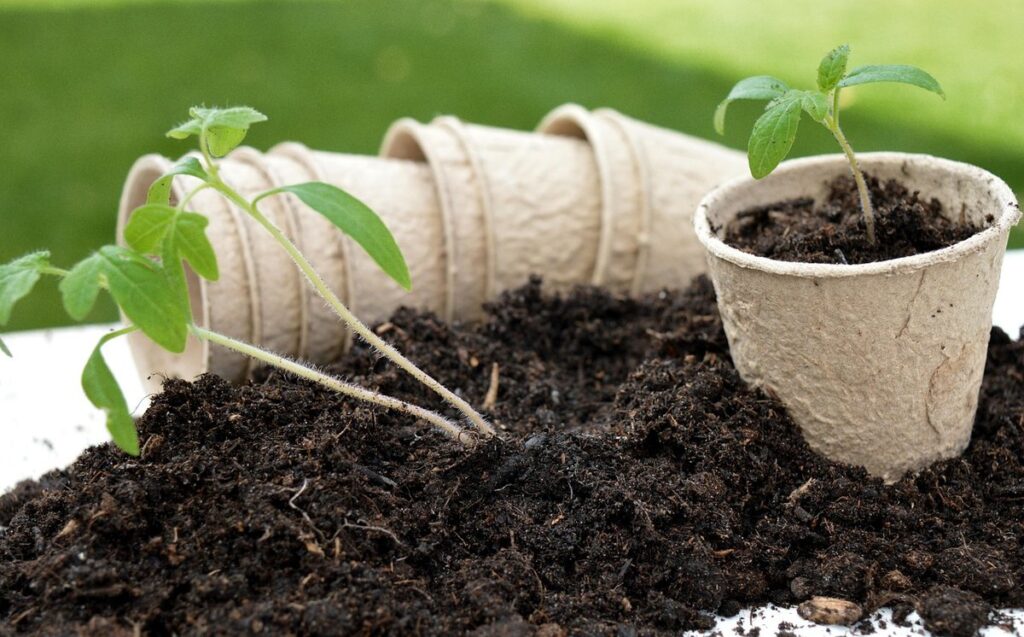
Choosing the Right Time for Transplanting
When transplanting tomato seedlings, timing is crucial – choose the right moment to minimize shock and ensure a healthy start to their growth in their new environment. Let’s discuss the key factors to consider when making this decision.
Understanding Seedling Age and Size
When transplanting tomato seedlings, it’s essential to understand their optimal age and size. This will help you determine when they’re ready for a larger pot or direct outdoor planting.
Indoor-started tomatoes typically take 4-6 weeks to reach the right size for transplanting, depending on factors like temperature, light, and watering. They should have at least two sets of true leaves and be around 2-3 inches tall. This allows them to adapt more easily to the outdoors and reduces shock.
Outdoor-started tomatoes can go straight into larger containers or directly into the garden when they reach about 6-8 inches tall with three sets of leaves. Be mindful that outdoor starts may need additional support due to wind, rain, and pests.
When assessing seedling readiness, gently lift them out of their pot. If the roots are circling or compacted, it’s time for a larger container. For direct planting, choose a spot with well-draining soil and full sun. Water thoroughly after transplanting and keep the soil consistently moist during the first few weeks to help your seedlings thrive.
Preparing the Seedlings Before Transplantation
Before transplanting your tomato seedlings, it’s essential to prepare them for the move. This process is called hardening off, and it helps reduce transplant shock, making the transition smoother for the young plants.
Start by gradually exposing the seedlings to outdoor conditions over the course of 7-10 days. Begin by moving them to a shaded area outdoors for 1-2 hours a day, then gradually increase the duration and exposure to direct sunlight. This allows the seedlings to acclimate to the new environment, reducing stress and shock.
To harden off your tomato seedlings, you can also use a technique called “temperature training.” This involves placing the seedlings in an area with temperatures that mimic those outdoors, such as on a covered patio or under a shaded structure. The goal is to help the seedlings develop a more robust root system and become less sensitive to extreme weather conditions.
By following these steps, you’ll be able to harden off your tomato seedlings successfully and minimize transplant shock. This will give them a solid foundation for healthy growth and increased productivity in their new home.
Soil Preparation: A Crucial Step in Successful Transplantation
Before transplanting your tomato seedlings, it’s essential to prepare a suitable soil environment that will support their growth and ensure a healthy transition from pot to garden bed. Let’s dive into the key steps for optimal soil preparation.
Understanding Tomato Plant Nutrient Requirements
Tomato plants are heavy feeders that require a balanced diet of essential nutrients to thrive. To ensure optimal growth and fruit production, it’s crucial to understand the nutrient requirements of tomato plants. Potassium is one of the most critical elements for tomatoes, as it promotes root development, disease resistance, and overall plant vigor. A deficiency in potassium can lead to yellowing leaves, reduced fruit set, and lower yields.
Magnesium is another essential element that plays a vital role in photosynthesis, transpiration, and cell wall development in tomato plants. Adequate magnesium levels also promote healthy root growth and help prevent disease susceptibility.
The ideal pH range for tomatoes is between 6.0 and 6.8. If your soil pH falls outside this range, it’s essential to adjust it accordingly. Tomato plants can tolerate a slightly acidic to neutral soil pH, but extreme deviations from the optimal range can lead to nutrient deficiencies and reduced plant growth.
To ensure adequate nutrition, add a balanced fertilizer (10-10-10 NPK) to your transplant mix at planting time. As the seedlings grow, side-dress with a high-phosphorus fertilizer (15-30-15 NPK) to promote fruiting and flowering.
Creating a Fertile Growing Environment for Tomatoes
When transplanting tomato seedlings, creating a fertile growing environment is essential for their healthy growth and development. To achieve this, start by amending the soil with organic matter such as compost or well-rotted manure. This will not only improve the structure of the soil but also provide nutrients to support the roots of your tomatoes.
Next, consider using mulch to regulate soil temperature and retain moisture. Organic mulches like wood chips or bark can help suppress weeds and prevent water loss through evaporation. For a more intensive approach, you could use straw or hay to create a layer of 2-3 inches around the plants. This will also help with nutrient retention and reduce the need for additional fertilizers.
It’s equally important to focus on improving soil structure by incorporating aerating agents like perlite or vermiculite into your amended soil mix. These additives increase water penetration, drainage, and aeration, ensuring that roots can breathe and grow freely. This combination of amendments will help create an ideal environment for healthy root development in your transplanted tomatoes.
Transplanting Techniques for Minimal Damage and Stress
To ensure a smooth transplant experience, we’ll dive into specific techniques that minimize damage to delicate roots and reduce stress on your seedlings. This will involve gentle handling and specialized care.
Digging the Right Hole: Size Matters
When transplanting tomato seedlings, it’s essential to get the size of the hole right. This may seem like a minor detail, but trust us, it can make all the difference in minimizing transplant shock and setting your plants up for success.
A general rule of thumb is to dig a hole that is about 2-3 times as wide and just as deep as the seedling’s root ball. This will give the roots room to spread out without being constricted. However, if you’re planting a variety with particularly long or sprawling roots, such as ‘Brandywine’ or ‘Cherokee Purple’, you may need to dig a deeper hole.
Make sure to leave enough space between plants for air circulation and sunlight penetration. A good rule of thumb is to plant them about 18-24 inches apart. This will help prevent disease from spreading and ensure that each plant gets the nutrients it needs. Remember, overcrowding can lead to reduced yields and increased stress on your plants.
When planting multiple seedlings at once, consider staggering their placement to create a more efficient use of space.
Handling Seedlings with Care During Transplantation
When gently removing seedlings from their containers, it’s essential to take care not to damage the roots. To avoid this, you can start by getting a clean pair of scissors and carefully cutting around the edges of the pot near the base of the stem. This will help loosen the soil, making it easier to remove the plant without causing root disturbance.
Once the seedling is removed from its container, gently tease out any tangles in the roots with your fingers or a blunt instrument like a chopstick. Be careful not to press too hard, as this can cause damage and lead to poor growth. Place the seedling into its new soil at the same depth it was previously growing, making sure not to bury the stem.
To minimize transplant shock, handle the seedlings as little as possible during this process. Avoid exposing them to direct sunlight or wind, which can cause stress. Instead, place them in a shaded area for a day or two before moving them into their new location. This will give them time to adjust and reduce the risk of damage.
Post-Transplant Care: Ensuring a Smooth Transition
Now that your seedlings are settled, it’s time to focus on their post-transplant care – ensuring they thrive in their new environment and continue to grow strong and healthy. This section covers essential tips for a smooth transition.
Watering After Transplantation: A Delicate Balance
Watering newly transplanted tomato seedlings is an art that requires finesse. It’s easy to overwater, especially when the young plants are settling into their new soil and environment. However, too much water can be detrimental, leading to root rot and other problems.
To strike the right balance, start by checking the moisture level in the soil daily. Stick your finger into the soil up to the first knuckle, and if it feels dry, it’s time to water. Water thoroughly, making sure the soil is moist but not soggy. Avoid getting water on the leaves or crown of the plant, as this can invite fungal diseases.
Aim for about 1-2 cups of water per seedling, depending on the size of the container and the weather conditions. Also, be mindful of the temperature: if it’s above 75°F (24°C), you may need to water more frequently. Consistency is key – establish a watering schedule and stick to it to ensure your tomato seedlings receive just the right amount of moisture.
Monitoring for Pests and Diseases in Newly Transplanted Tomatoes
As you carefully tend to your newly transplanted tomatoes, it’s essential to monitor for potential pests and diseases that can quickly spread and damage your crop. Common issues like aphids, whiteflies, hornworms, and fungal diseases such as early blight and septoria leaf spot can appear in the first few weeks after transplanting.
To identify these problems, regularly inspect your plants for signs of infestation or disease, including yellowing leaves, distorted growth, and visible insects. For instance, aphids are small, soft-bodied pests that feed on plant sap, causing curled or distorted leaves.
Preventative measures can be taken to minimize the risk of pest and disease issues. These include:
* Using row covers to prevent whiteflies and other insects from reaching your plants
* Removing weeds that can harbor pests and diseases
* Watering at soil level to avoid wetting leaves, which can encourage fungal growth
* Implementing crop rotation to break disease cycles
Regular monitoring and prompt action can help you control these issues before they become severe. For organic pest control methods, consider introducing beneficial insects like ladybugs or lacewings to prey on pests, or using neem oil and insecticidal soap to manage infestations.
Troubleshooting Common Issues After Transplantation
If you’re experiencing problems after transplanting your tomato seedlings, don’t worry – we’ve got you covered. This section will walk you through common issues and their easy solutions to get your plants back on track.
Addressing Leaf Drop and Yellowing Leaves
When transplanting tomato seedlings, one of the most frustrating issues that can arise is leaf drop and yellowing leaves. But why does this happen? In many cases, it’s due to a combination of factors such as shock from being handled, overwatering, or even underwatering.
To correct these issues, start by inspecting your seedling’s roots. If they’re circling around the inside of the pot, it could be a sign that they need more room to grow. Gently tease apart the roots with your fingers and trim any thick or damaged areas with sterile scissors. This will help promote healthy root development.
Another factor contributing to leaf drop is temperature fluctuations. Tomatoes prefer daytime temperatures between 65-70°F (18-21°C) and nighttime temperatures around 55-60°F (13-16°C). Make sure your seedling is acclimated to these conditions before transplanting outdoors.
In terms of watering, it’s essential to strike a balance. Water your tomato seedlings when the top inch of soil feels dry to the touch. This will prevent overwatering, which can cause roots to rot and leaves to drop.
Resolving Root Bound or Crown Rot Problems
When transplanting tomato seedlings, it’s not uncommon to encounter issues with root bound or crown rot. These problems can arise when a seedling outgrows its container and needs more space to develop its roots. Root bound occurs when the roots become tangled and constricted within the pot, preventing proper water uptake and nutrient exchange. On the other hand, crown rot is a fungal disease that attacks the seedling’s stem and leaves, often resulting from overwatering or poor drainage.
To identify root bound, gently remove the seedling from its container and examine the roots. If they’re circling around the inside of the pot or have become pot-bound, it’s time to transplant into a larger container. To resolve this issue, carefully prune any dead or damaged roots with sterile scissors or pruning shears. This will encourage new root growth and promote healthy development.
If crown rot is present, repot the seedling in fresh, well-draining soil, taking care to avoid further stress. Monitor your seedlings closely for signs of recovery, and adjust watering practices accordingly. Keep in mind that prevention is key: ensure good air circulation, maintain optimal temperatures, and avoid overwatering to prevent these issues from arising in the first place.
Maximizing Yields: Tips for a Healthy Tomato Crop
Once you’ve successfully transplanted your tomato seedlings, it’s time to focus on maximizing yields. With these expert tips, you’ll be enjoying a bountiful harvest in no time!
Fertilization Schedule and Timing
A well-planned fertilization schedule is essential for maximizing yields and promoting healthy growth in your tomato crop. As you prepare to transplant your seedlings, it’s crucial to understand when and what type of fertilizer to apply.
Timing-wise, a balanced fertilizer (10-10-10 NPK) should be applied at transplanting, followed by another application 1-2 weeks later. This will provide the necessary nutrients for establishment and support early growth. For mature plants, switch to a high-phosphorus fertilizer (15-30-15 NPK) around flowering time to promote fruiting and setting.
However, it’s essential to avoid overfertilization, which can lead to weak growth, reduced yields, and even plant death. Over application of nitrogen can cause leafy growth at the expense of fruit production. To avoid this, follow the recommended application rates on the fertilizer packaging and consider soil testing to determine your soil’s specific nutrient needs.
Monitor your plants closely for signs of overfertilization, such as yellowing leaves or a sudden increase in growth rate.
Pest and Disease Management in Established Tomatoes
As your tomato seedlings grow and mature, it’s essential to implement effective pest and disease management strategies to ensure a healthy crop. Integrated Pest Management (IPM) is a holistic approach that combines physical, cultural, biological, and chemical controls to minimize harm to the environment.
To start with IPM, monitor your plants regularly for signs of pests or diseases. Inspect leaves, stems, and soil for any unusual growths, discoloration, or holes. Early detection is key to preventing infestations from getting out of hand. For example, powdery mildew can be treated with copper-based fungicides if caught early, but if left unchecked, it can lead to significant yield loss.
Some organic methods for controlling pests include introducing beneficial insects like ladybugs and lacewings, which prey on common tomato pests like aphids and whiteflies. You can also use neem oil or insecticidal soap to control soft-bodied insects without harming the environment.
To maintain soil health and prevent disease, add compost or well-rotted manure to improve drainage and aeration. This will help reduce the risk of root rot and other soil-borne diseases.
Frequently Asked Questions
What are the signs that my tomato seedlings need more nutrients after transplanting?
If you notice stunted growth, pale leaves, or a decrease in fruit production, it may be a sign that your seedlings require additional nutrients. Consider adding organic fertilizers or compost tea to provide essential micronutrients and promote healthy growth.
Can I use tap water for watering tomato seedlings after transplantation, or should I opt for rainwater?
While tap water is often sufficient for watering tomato seedlings, it’s recommended to use rainwater if possible. Rainwater has a more neutral pH level, which can help prevent root damage and reduce the risk of nutrient deficiencies.
How long does it take for newly transplanted tomatoes to start producing fruit?
Typically, it takes around 60-90 days from transplanting for tomato seedlings to produce their first fruits. However, this timeframe may vary depending on factors like weather conditions, soil quality, and the specific tomato variety you’re growing.
What’s the ideal temperature range for newly transplanted tomatoes to thrive?
Newly transplanted tomatoes prefer daytime temperatures between 65-70°F (18-21°C) and nighttime temperatures around 55-60°F (13-16°C). Avoid exposing your seedlings to extreme temperatures, as this can cause stress and hinder growth.
Can I reuse the same potting mix for multiple transplanting cycles, or do I need to replace it?
It’s generally recommended to use fresh potting mix each time you transplant tomato seedlings. Reusing old potting mix can lead to nutrient depletion and an increased risk of disease, ultimately affecting your plants’ overall health and productivity.