
Transplanting tomato seedlings can be a daunting task, but with the right approach, you’ll be on your way to a bountiful harvest in no time. If you’re one of the many gardeners who’ve struggled with transplant shock or weak seedlings, this guide is for you. Tomato plants are notoriously sensitive to their surroundings, making proper soil preparation and care crucial for their success.
In this article, we’ll walk you through the essential steps of transplanting tomato seedlings, from selecting healthy seedlings to post-transplant care tips that will give your plants the best chance at thriving. You’ll learn about the importance of giving your seedlings a gentle introduction to their new soil environment and how to prevent those pesky root bound issues. Whether you’re a seasoned gardener or just starting out, this comprehensive guide will show you the way to successfully transplant tomato seedlings and enjoy a healthy crop all season long.
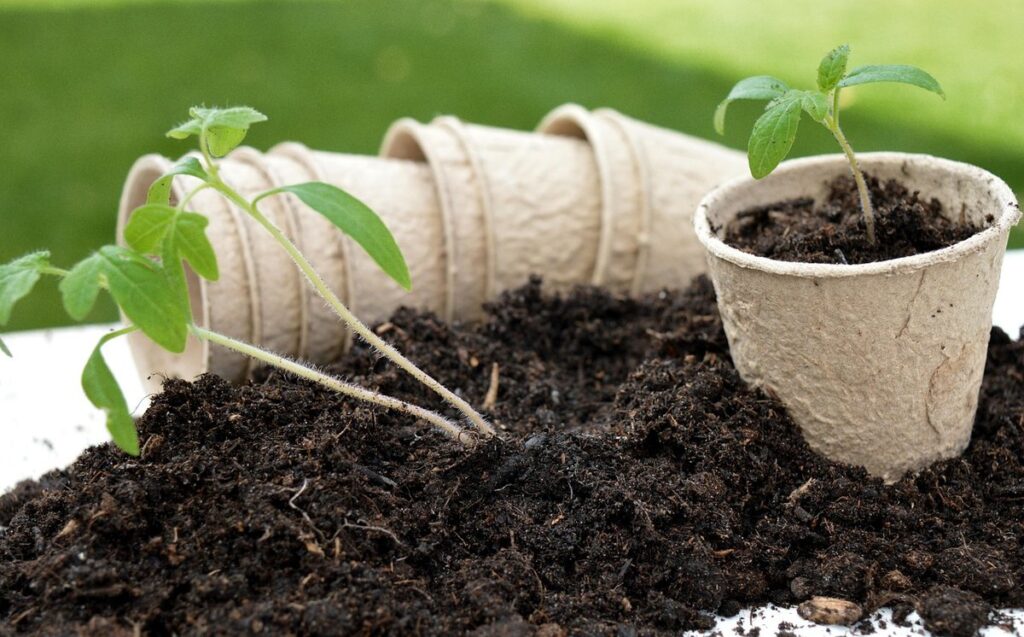
Choosing the Right Time for Transplanting
When transplanting tomato plants, timing is everything – understanding when to move them into their new home will determine their success. We’ll cover the optimal times for transplanting outdoors and indoors.
Determining When to Start
Before transplanting your tomato seedlings, it’s essential to check the weather forecast and soil temperature. This will give you an idea of when the conditions are suitable for transplanting. You can usually transplant tomatoes when the soil has warmed up to at least 55°F (13°C) in cooler climates or 60°F (15°C) in warmer climates. A soil thermometer will come in handy here, and you can check the weather forecast on your phone or computer.
In addition to the weather, it’s also crucial to select a suitable location for transplanting. Choose a spot that receives at least six hours of direct sunlight a day, as tomatoes need warmth and light to thrive. The area should also be well-ventilated to prevent fungal diseases from taking hold.
As you start preparing your soil, begin loosening the top 6-8 inches about two weeks before transplanting. This will give your roots ample space to grow and help them establish themselves quickly after transplanting.
Preparing the Soil
Before transplanting your tomato seedlings, it’s essential to prepare the soil they’ll be growing in. Well-draining soil is crucial for tomato plants, as their roots can rot if exposed to waterlogged conditions. To determine if your soil needs amending, test its pH level using a soil testing kit or by sending a sample to a laboratory.
Most tomatoes prefer a slightly acidic to neutral soil pH between 6.0 and 7.0. If your results show the pH is too high (alkaline) or low (acidic), you’ll need to adjust it with lime to raise the pH or sulfur to lower it. Once you’ve corrected the pH, loosen the top 8-10 inches of soil using a fork or spade to create a smooth, even surface.
Next, remove any debris, such as rocks or weeds, that could interfere with root growth. This will also help prevent water from accumulating in low spots, reducing the risk of fungal diseases. For optimal results, mix in 2-3 inches of compost or well-rotted manure to improve soil structure and fertility.
Selecting Healthy Seedlings
When selecting healthy seedlings, there are a few key things to look for that will ensure your tomato plants get off to a strong start. Check for sturdy stems and vibrant green leaves.
Inspecting Seedling Health
When inspecting seedlings for transplantation, it’s essential to look for signs of healthy growth. A robust seedling will have dark green leaves with no signs of yellowing or browning, indicating adequate nutrient uptake. The stem should be sturdy and straight, without any visible signs of weakening or brittleness.
As you examine the seedling, also check for pests such as aphids, whiteflies, or spider mites, which can cause damage to the leaves and stems. Look for eggs, larvae, or actual insects on the plant’s surface. If you notice any, consider treating the seedlings with neem oil or insecticidal soap before transplanting.
Diseases like fungal infections or bacterial spots can also weaken the seedling. Check for soft, mushy tissue, or water-soaked areas on the leaves and stems. For nutrient deficiencies, inspect the plant’s color; a lack of chlorophyll can cause yellowing or pale green leaves. By identifying potential issues early, you’ll be able to address them before transplanting your tomato seedlings into larger containers or directly into the garden.
Acclimating Seedlings to Outdoor Conditions
Acclimating seedlings to outdoor conditions is a crucial step in their growth and development. If you’ve selected healthy seedlings, it’s essential to introduce them gradually to the harsher conditions of the outdoors. This process is called acclimation or hardening off.
To begin, place your seedlings in a shaded area outdoors for 1-2 hours a day, increasing the duration by an hour each day. Monitor their response and adjust accordingly. As they become more resilient, gradually move them to full sun exposure over the course of 7-10 days. This prevents sudden shock that can lead to scorching or death.
Another critical aspect is wind resistance. If your seedlings are exposed to strong winds, it can cause damage or uproot them entirely. To mitigate this risk, start by placing them in a protected area like a cold frame or under a canopy. As they become more robust, you can move them to an open location with moderate wind.
Remember, acclimation is not just about temperature; it’s also about humidity and light intensity. By following these steps, you’ll be giving your seedlings the best chance of thriving in their new outdoor environment.
Transplanting Techniques
Now that you’ve prepared your seedlings, it’s time to learn how to transplant them safely and effectively into their new containers or outdoor spaces. This is where our transplanting techniques come in handy.
Digging the Hole
When digging holes for transplanting tomato seedlings, it’s essential to create a large enough space that allows their roots to breathe and expand. A general rule of thumb is to dig a hole about 1-2 times the size of the original container. This will give the roots ample room to grow without becoming constricted.
As you dig, gently loosen the soil at the bottom of the hole to make it easier for the seedlings’ roots to spread out. You can also add some compost or well-rotted manure to improve drainage and fertility.
When handling the seedlings during transplanting, be mindful not to touch or disturb their roots as much as possible. This is crucial in minimizing root damage and shock that can occur from being transplanted. Hold the plant by its leaves, making sure not to bruise or squeeze the delicate stem. If you must handle the roots, do so with your fingers, rather than trowels or other tools, which can cause further damage.
By following these simple steps, you’ll be able to provide a stress-free environment for your tomato seedlings as they transition from their original container to their new home in the garden.
Planting Depth and Spacing
When transplanting tomato seedlings, it’s essential to plant them at the correct depth and spacing. This will ensure that the roots have enough room to grow and the plants receive sufficient sunlight.
Plant the seedling up to its first true leaves, making sure not to bury any of the stem. Burying the stem can lead to rot and poor growth. The ideal planting depth also depends on the soil type: in well-draining soil, plant slightly shallower than in heavier soils where the risk of root rot is higher.
For spacing, a general rule of thumb is to plant seedlings 18-24 inches apart. However, this can vary depending on the climate and variety of tomato. In warmer climates or for indeterminate varieties, you may want to provide more space between plants. Conversely, in cooler climates or for determinate varieties, you can plant them closer together.
Remember that overcrowding will lead to disease and pest issues down the line.
Post-Transplant Care
Now that you’ve successfully transplanted your tomato seedlings, it’s crucial to provide them with proper care to ensure they thrive and continue producing plenty of juicy tomatoes. This section will guide you through essential post-transplant care techniques.
Watering Requirements
Proper watering is crucial for newly transplanted tomato plants. During the transplanting process, the roots are disturbed, and the plant needs time to adjust to its new environment. Overwatering can lead to root rot, while underwatering can cause stress and reduced yields. To avoid these issues, water your tomato plants thoroughly after transplanting.
Check the soil moisture by inserting a finger into the soil up to the first knuckle. If the soil feels dry, it’s time for watering. Water at the base of the plant, avoiding the leaves to prevent fungal diseases. A general rule is to provide about 1-2 gallons of water per plant during its first week after transplanting.
Increase the amount of water as the plant grows, but also ensure good drainage to prevent waterlogged soil. You can test this by gently tugging on a lower leaf; if it comes off easily, the roots have sufficient moisture. Monitor your plants closely and adjust your watering schedule accordingly. For example, in hot weather, you may need to water more frequently, while in cooler conditions, less often may be sufficient.
Fertilization and Pruning
Fertilizing and pruning your tomato plants after transplanting is crucial for their optimal growth and productivity. A well-fertilized plant will produce more fruit, while regular pruning helps maintain its shape, encourages new growth, and prevents disease.
When to Fertilize: It’s best to fertilize your tomato plants a few days after transplanting when the soil has settled and the plant is starting to establish itself. Use a balanced fertilizer that contains equal amounts of nitrogen, phosphorus, and potassium (NPK). Follow the instructions on the label for application rates.
Pruning Tips: Prune your tomato plant within 7-10 days of transplanting to encourage bushy growth and prevent it from becoming leggy. Remove any weak or spindly stems, as well as lower leaves that are prone to fungal diseases. Cut back about one-third of the plant’s height to promote lateral branching.
Timing is everything: Fertilize and prune your tomato plants again 3-4 weeks after transplanting for a second boost. This will help control the plant’s size while directing its energy towards fruit production.
Some key pruning tasks include:
* Removing suckers (shoots that grow between the main stem and branches)
* Pinching off flower buds to encourage more vegetative growth
* Trimming tips of long stems to promote branching
Common Challenges and Solutions
As you work on transplanting your tomato plants, you may encounter some common issues that can throw off your progress. Let’s address these challenges head-on with some practical solutions to get back on track.
Dealing with Root Bound Seedlings
When transplanting root-bound seedlings, it’s not uncommon to encounter issues such as waterlogged soil and nutrient deficiencies. These problems can be detrimental to the health of your tomato plants, causing them to struggle during the transition from their small pots.
Waterlogged soil, for instance, can lead to root rot, which is a serious concern for young seedlings. To address this issue, gently remove any excess soil from the roots before transplanting, and avoid overwatering in the first few weeks after planting. You can also repot your seedling in a well-draining mix specifically designed for container gardens.
Nutrient deficiencies are another common problem associated with root-bound seedlings. This is often due to the limited space within small pots, which restricts root growth and nutrient uptake. To combat this issue, fertilize your tomato plants regularly, using a balanced fertilizer that provides essential nutrients like nitrogen, phosphorus, and potassium. Additionally, consider repotting your seedling into a larger container with fresh potting mix to give the roots more room to grow.
Managing Pests and Diseases
As you transplant your tomato plants, it’s essential to keep an eye out for common pests and diseases that can quickly spread and devastate your crop. Tomatoes are susceptible to various issues, including aphids, whiteflies, hornworms, powdery mildew, and fungal diseases like septoria leaf spot.
To prevent these problems, make sure your transplanted seedlings are in well-ventilated areas with good air circulation. Keep the soil consistently moist but not waterlogged, as this can attract pests and promote disease growth. Use physical barriers or fine mesh to cover plants, preventing insects from reaching them.
Regularly inspect your plants for signs of infestation or infection, such as yellowing leaves, black spots, or actual pest presence. For aphids and whiteflies, spray with water and soap solution or neem oil, targeting the undersides of leaves where they often reside. For hornworms, hand-pick them at night when they’re most active.
In case of disease outbreaks, practice crop rotation, maintain proper sanitation, and remove infected plants to prevent further spread. Use fungicides specifically labeled for tomato diseases as a last resort, following all instructions carefully.
Conclusion
Now that you’ve successfully transplanted your tomato plants, let’s review what we’ve covered and provide a final checklist to ensure they thrive in their new home.
Recap of Key Takeaways
Transplanting tomato plants requires attention to detail and careful planning. To ensure success, it’s essential to follow a step-by-step approach that covers careful soil preparation, gentle handling, and post-transplant care.
Key takeaways from this article can be summarized as follows: when transplanting tomato seedlings, make sure the new pot or container has drainage holes to prevent waterlogged soil. Use a well-draining mix specifically designed for vegetables like tomatoes. Harden off the seedling by gradually exposing it to outdoor conditions over 7-10 days before transplanting.
When handling the plant, gently remove it from its original container and tease out any tangled roots with your fingers or a blunt instrument. Plant the seedling at the same depth as in the original pot, making sure not to bury too much of the stem. Water thoroughly after transplanting and provide adequate support for the plant using tomato cages or stakes.
In terms of post-transplant care, be prepared to water more frequently, especially during hot weather, but avoid overwatering which can lead to root rot. Mulch around the base of the plant to retain moisture and suppress weeds, helping your tomato plants establish a strong foundation for healthy growth. By following these guidelines, you’ll set your transplanted tomatoes up for success in their new home.
Tips for Continued Success
As you’ve successfully transplanted your tomato seedlings, it’s essential to continue caring for them to ensure a bountiful harvest. Monitoring your plants regularly is key to preventing pests and diseases from taking hold. Keep an eye out for common issues like aphids, whiteflies, and hornworms, and treat promptly if you notice any infestations.
Adjusting your watering schedule will also be crucial as the plants grow. Tomatoes need about 1-2 inches of water per week, either from rain or irrigation. Be sure to check the soil moisture by inserting a finger into the soil up to the knuckle; if it feels dry, it’s time for more water.
Pruning is another vital aspect of tomato plant care. Remove any weak or spindly growth, as well as lower leaves that may be touching the ground to prevent disease. This will help your plants direct their energy towards producing fruit and promote a bushy, balanced shape. By maintaining this routine, you’ll ensure your tomato plants continue to thrive throughout their growing season.
Frequently Asked Questions
What if I notice root bound seedlings after transplanting? Should I repot them?
If you notice your seedlings are still root-bound after transplanting, it’s best to provide more space for their roots to grow. Yes, you can repot them into a larger container or directly into the garden bed, making sure to handle the roots gently and providing adequate care.
Can I use leftover seeds from previous years’ harvests when transplanting tomato seedlings?
No, it’s generally not recommended to reuse seeds from previous years for transplanting. Tomato seeds have limited shelf life and may not germinate well or produce healthy plants due to genetic degradation over time. It’s best to purchase fresh seeds specifically designed for the current season.
How do I prevent pests like hornworms or aphids from attacking my newly transplanted seedlings?
Pests can be a significant concern when transplanting tomato seedlings. To minimize their impact, ensure your plants are healthy and robust before transplanting. Use physical barriers like fine mesh or row covers to protect your seedlings from pests until they establish themselves.
What if I accidentally damage the roots of my seedling during transplantation? Can it still recover?
Yes, even with damaged roots, tomato seedlings can still recover with proper care. Prune any damaged areas and provide a stable environment for the plant to regrow its root system. Monitor your seedling’s progress closely and adjust your watering schedule as needed.
How often should I inspect my transplanted seedlings for signs of disease or pests?
Inspect your seedlings regularly, ideally every 2-3 days after transplanting, for any signs of disease or pest infestation. Check the leaves, stems, and soil for unusual growth patterns or damage, and take prompt action if you notice any issues to prevent further harm to your plants.